Viral Infections: Causes, Symptoms, Tests & Treatment
Complete guide to understanding viral infections, transmission, diagnosis, and evidence-based treatment options.
Understanding Viral Infections
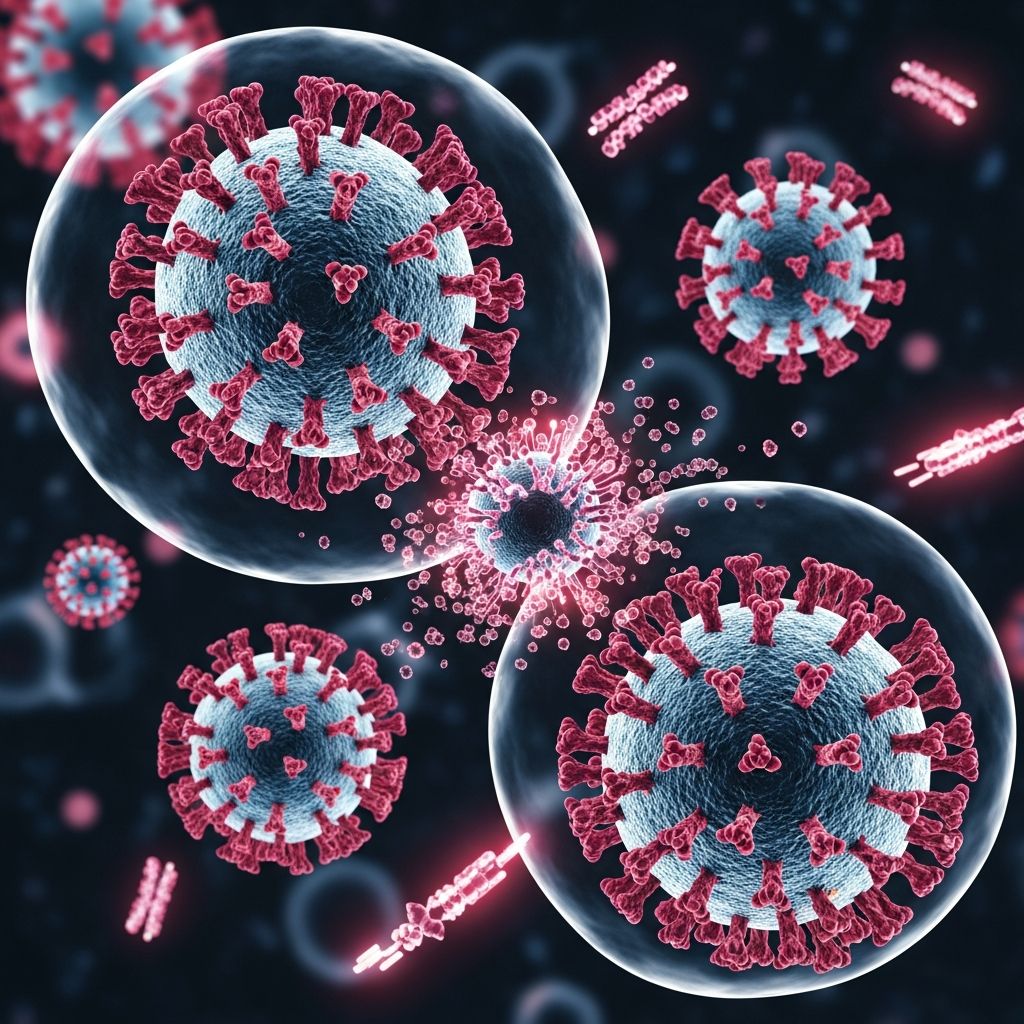
A viral infection is any illness you contract from a virus—a microscopic germ that must infect your cells to reproduce. Viruses are fundamentally different from bacteria and require living host cells to survive and multiply. Unlike some bacterial infections that can be treated with antibiotics, viral infections require different management approaches. Common viral illnesses include the common cold, influenza (flu), COVID-19, norovirus (often called “stomach flu”), human papillomavirus (HPV) that causes warts, and herpes simplex virus (HSV) that causes cold sores.
Many viral infections resolve on their own as your immune system fights off the pathogen, but some viruses can cause life-threatening or chronic conditions that require medical intervention. Understanding the nature of viral infections, how they spread, and available treatment options is essential for managing your health effectively.
What Causes Viral Infections?
Viruses are obligate intracellular parasites, meaning they cannot survive or replicate outside of a host cell. When a virus enters your body, it invades your cells and hijacks the cellular machinery to create copies of itself. This process damages your cells and triggers your immune system to respond, which produces the symptoms you experience during infection.
Viruses can be classified by multiple characteristics:
- The part of your body they infect (respiratory system, digestive system, nervous system)
- How they spread (respiratory droplets, contact, bodily fluids)
- The symptoms they cause (fever, rash, respiratory symptoms)
- Whether they are DNA or RNA viruses
- Their genetic stability and mutation rate
Some viruses, such as herpes viruses and adenoviruses, can cause many different types of illness depending on which cells they infect and how severely they replicate. This versatility makes viral infections particularly complex to diagnose and treat.
Types of Viral Infections
Viral infections can be categorized based on the body systems they affect and their transmission methods. Understanding these categories helps identify which infections require immediate medical attention.
Respiratory Viral Infections
Respiratory viruses attack the cells of your upper and lower respiratory tract, including your nose, sinuses, throat, and lungs. The common cold, caused primarily by rhinoviruses (which account for up to 50% of colds), is the most frequent respiratory viral infection. Other respiratory viruses include influenza, COVID-19, respiratory syncytial virus (RSV), parainfluenza, human metapneumovirus, and seasonal coronaviruses.
These infections typically cause symptoms such as cough, congestion, sore throat, and sneezing. While most respiratory viral infections are mild and self-limiting, some can progress to serious complications like pneumonia or bronchitis.
Nervous System Viral Infections
Some viruses specifically attack the cells of your nervous system, including your brain and spinal cord. These infections can cause potentially life-threatening conditions such as:
- Encephalitis (inflammation of the brain)
- Meningitis (inflammation of the membranes surrounding the brain and spinal cord)
- Paralysis
- Other neurological complications
Viral meningitis is commonly caused by enteroviruses and herpes simplex viruses. These infections require prompt medical evaluation and treatment to prevent serious complications.
Congenital Viral Infections
Congenital viral infections are those present at birth, passed from a pregnant woman to the fetus during development or childbirth. Depending on the virus, these infections can cause various health issues including vision loss, hearing loss, developmental delays, and neurological conditions. Viruses known to cause congenital infections include cytomegalovirus, rubella, and zika virus.
How Viral Infections Spread
Nearly all viral infections are contagious and can spread from person to person. Viruses have evolved to survive by transmitting between human hosts, making contagion a fundamental characteristic of viral disease. Common transmission routes include:
- Respiratory droplets: When an infected person sneezes or coughs, they launch droplets containing the virus into the air. If you breathe in these droplets, the virus can infect your respiratory tract.
- Direct contact: Touching an infected person’s skin or mucous membranes can transmit certain viruses.
- Contaminated surfaces: Virus particles left on surfaces by an infected person can remain viable. If you touch these surfaces and then touch your nose, eyes, or mouth, you can contract the infection.
- Bodily fluids: Some viruses spread through saliva, blood, or other bodily fluids.
- Insect vectors: Certain viruses are transmitted through insect bites, such as mosquitoes or ticks.
Contagiousness Periods
Understanding when you’re most contagious is important for preventing transmission. For common colds, you can be contagious for up to two weeks, even spreading the virus a day or two before symptoms appear. However, you’re most contagious when your symptoms are at their worst—typically the first three days of illness. Upper respiratory infections caused by viruses are usually most contagious in the first few days of symptoms, sometimes even before symptoms begin, though you can remain contagious even as you start feeling better.
Incubation Period and Symptom Onset
The incubation period—the time between infection and symptom appearance—varies depending on the virus. For the common cold, the incubation period is between 12 hours and three days after exposure to the virus. This means you might unknowingly spread the infection before realizing you’re sick.
Viral infection symptoms vary widely depending on the type of virus and which body system it affects. Common symptoms include fever, cough, sore throat, congestion, body aches, and fatigue. More serious infections might cause headache, stiff neck, vomiting, rash, or neurological symptoms.
Diagnosis of Viral Infections
Diagnosing viral infections requires professional medical assessment. A healthcare provider can often diagnose a viral infection by listening to your symptoms and examining you. During the physical exam, the provider will check for characteristic signs such as redness in the throat, swollen lymph nodes, and other physical indicators.
Diagnostic Tests
To diagnose a specific virus, your provider might use several testing methods:
- Nasal swab: A cotton swab rubbed inside your nose to collect viral particles for testing.
- Throat swab: A swab of your throat to detect throat infections.
- Blood tests: Blood samples can detect antibodies your immune system produces against specific viruses.
- Imaging: Chest X-rays can rule out bacterial infections such as bronchitis or pneumonia.
You may need tests if your provider suspects COVID-19, influenza, or another serious condition. Respiratory pathogen surveillance programs, such as those at Cleveland Clinic, perform thousands of tests weekly for respiratory viruses including influenza, SARS-CoV-2, RSV, adenovirus, rhinovirus, and other pathogens to track community infection rates.
Treatment Options for Viral Infections
Treatment for viral infections depends on the specific virus, the severity of infection, and your overall health. Unlike bacterial infections, viral infections cannot be treated with antibiotics.
Self-Care Management
For infections that rarely cause serious illness, such as the common cold, you can usually manage symptoms at home while your immune system fights off the infection:
- Rest adequately to allow your immune system to fight the infection
- Stay hydrated by drinking plenty of fluids
- Use over-the-counter medications to manage fever and pain
- Use saline nasal drops or sprays for congestion
- Use throat lozenges or honey to soothe a sore throat
- Apply a humidifier to ease respiratory symptoms
Antiviral Medications
Specific medications are only available for certain viral infections. Antiviral medications work by stopping viruses from making copies of themselves (replicating). They can be used to manage chronic infections or shorten the length of some respiratory infections. Important points about antivirals include:
- They can only treat one type of virus—they don’t work on other viruses
- Antivirals are available for influenza, COVID-19, hepatitis B and C, HIV, and mpox
- They’re most effective when started early in the infection
- They’re particularly important for life-threatening or chronic viral infections
Convalescent Plasma Treatment
In some cases, providers can treat life-threatening viral infections with convalescent plasma, a blood transfusion component. In this treatment, someone who has recovered from an infection with the same virus donates their blood. Your provider administers the plasma through an IV line. The plasma contains antibodies that help your body fight the infection. This treatment has been used for some cases of COVID-19 and Ebola.
Post-Exposure Prophylaxis
Treatments for certain life-threatening viral infections can prevent you from getting sick after being exposed to the virus. A provider must give you these treatments before you develop symptoms. These preventive treatments include antiviral medications and immunoglobulin (antibody) treatment. Post-exposure prophylaxis is available for specific high-risk viruses where prevention is critical.
Antibiotics and Viral Infections
A common misconception is that antibiotics can treat viral infections. This is incorrect. Antibiotics are specifically designed to kill bacteria or stop bacterial growth and have no effect on viruses. Your provider will only give you antibiotics if they believe you have a bacterial infection separate from or in addition to your viral infection. Taking antibiotics when you have a viral infection contributes to antibiotic resistance, a serious public health problem.
When to Seek Medical Care
Most viral infections resolve on their own, but some situations require professional medical evaluation. If you have symptoms that last more than a few days or that concern you, see your healthcare provider. Seek immediate medical attention if you experience:
- Severe headache combined with stiff neck and fever (possible meningitis)
- Difficulty breathing or chest pain
- Confusion or altered mental status
- High fever lasting more than three days
- Symptoms that worsen instead of improve
- Signs of dehydration
Cleveland Clinic offers Express Care and Urgent Care locations for patients who need rapid evaluation of their symptoms without an appointment.
Understanding Viruses vs. Bacteria
Viruses and bacteria can cause similar symptoms, like fever, cough, and rashes, making diagnosis challenging. However, these are fundamentally different organisms requiring different treatment approaches. The only way to know definitively what kind of infection you have is to have a healthcare provider assess you through clinical evaluation and testing when appropriate. This distinction is crucial because treating a viral infection with antibiotics is ineffective and contributes to antibiotic resistance.
Prevention Strategies
While vaccines are available for some viral infections like influenza, COVID-19, and measles, other viral infections lack vaccines. General prevention strategies include:
- Washing your hands frequently with soap and water
- Avoiding touching your face, especially your nose and eyes
- Maintaining distance from sick individuals
- Covering your mouth when coughing or sneezing
- Staying home when sick to avoid spreading infection
- Disinfecting frequently touched surfaces
- Getting recommended vaccinations
Frequently Asked Questions
Q: How long does a typical viral infection last?
A: Most common viral infections like colds last 7-10 days, though some symptoms may linger longer. The incubation period for colds is 12 hours to 3 days, and you remain contagious for up to 2 weeks, even after symptoms improve.
Q: Can I get a bacterial infection while having a viral infection?
A: Yes, it’s possible to develop a secondary bacterial infection during or after a viral infection. This is why healthcare providers may prescribe antibiotics in specific situations where they suspect bacterial infection in addition to viral infection.
Q: Are all viral infections contagious?
A: Nearly all viral infections are contagious because viruses survive by spreading between human hosts. However, the degree of contagiousness and transmission methods vary by virus type.
Q: Should I get tested for viral infections?
A: Testing is recommended if your provider suspects a specific serious virus like COVID-19 or influenza, or if you have symptoms concerning for meningitis or other serious conditions. For mild upper respiratory symptoms, testing may not be necessary.
Q: What’s the difference between viral and bacterial infections?
A: Both can cause similar symptoms, but viruses require living host cells to replicate while bacteria are single-celled organisms that can survive independently. Antibiotics work against bacteria but not viruses. Only healthcare providers can distinguish between them through examination and testing.
Q: Can antiviral medications cure all viral infections?
A: No, antiviral medications are only available for specific viruses like influenza, COVID-19, HIV, and hepatitis. Each antiviral targets specific viruses and doesn’t work on others. Many viral infections must be managed through supportive care while your immune system fights the infection.
References
- Respiratory Pathogen Surveillance Statistics — Cleveland Clinic. 2025. https://clevelandcliniclabs.com/respiratory-virus-surveillance-statistics/
- Common Cold (Rhinovirus): Symptoms, Causes & Treatment — Cleveland Clinic. 2024. https://my.clevelandclinic.org/health/diseases/12342-common-cold
- Viral Infection: Causes, Symptoms, Tests & Treatment — Cleveland Clinic. 2022. https://my.clevelandclinic.org/health/diseases/24473-viral-infection
- Viral Meningitis: Causes, Symptoms & Treatment — Cleveland Clinic. 2024. https://my.clevelandclinic.org/health/diseases/25188-viral-meningitis
- Upper Respiratory Infection: Causes, Symptoms & Treatment — Cleveland Clinic. 2024. https://my.clevelandclinic.org/health/diseases/4022-upper-respiratory-infection
- Viruses: Definition, Types, Characteristics & Facts — Cleveland Clinic. 2024. https://my.clevelandclinic.org/health/body/24861-virus
Similar Articles






Read full bio of medha deb