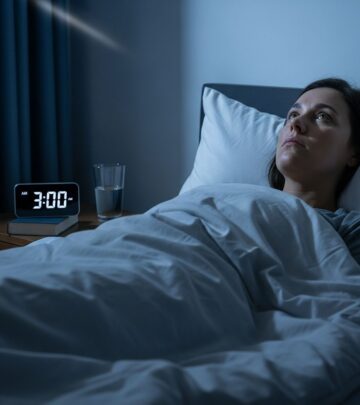
10-3-2-1-0 Sleep Rule: Science-Backed Bedtime Plan
Master the 10-3-2-1-0 sleep rule to fall asleep faster, improve sleep quality, and wake up refreshed every morning.
The
10-3-2-1-0 sleep rule
is a straightforward, science-backed bedtime routine designed to optimize your sleep quality by eliminating common disruptors at specific intervals before bed. Popularized by sleep experts like Dr. Jess Andrade, this method helps adults achieve the recommended 7-9 hours of restorative sleep nightly, reducing risks of chronic conditions like heart disease, diabetes, and cognitive decline.What Is the 10-3-2-1-0 Sleep Rule?
This rule provides a countdown timer for winding down, signaling your body and brain to prepare for sleep. It addresses key barriers to rest: stimulants, digestion, mental stimulation, blue light exposure, and fragmented morning awakenings. By following it consistently, users report falling asleep faster, experiencing deeper sleep cycles, and waking more alert.
- 10: Hours before bed—no caffeine.
- 3: Hours before bed—no food or alcohol.
- 2: Hours before bed—no work.
- 1: Hour before bed—no screens.
- 0: Snooze hits in the morning.
Implementing this routine creates a buffer zone for relaxation, aligning with your circadian rhythm—the body’s internal 24-hour clock regulated by light, hormones, and habits.
Why Sleep Matters: The Foundation of Health
Quality sleep is non-negotiable for physical and mental well-being. Most adults require 7-9 hours per night, yet one-third report chronic shortages. Insufficient sleep elevates risks for obesity, hypertension, stroke, depression, and impaired immunity. Cognitively, it leads to reduced focus, memory lapses, slower reactions, and errors—equivalent to mild intoxication.
During sleep, the brain clears toxins via the glymphatic system, consolidates memories, and repairs tissues. Deep non-REM stages restore the body, while REM supports emotional processing. Disruptions fragment these cycles, mimicking sleep deprivation even after ‘enough’ hours in bed.
Breaking Down the 10-3-2-1-0 Rule
10 Hours Before Bed: No More Caffeine
Caffeine, found in coffee, tea, soda, chocolate, and some medications, blocks adenosine receptors that promote sleepiness. Its half-life is 5-6 hours, meaning a 3 PM espresso lingers until midnight or later, delaying sleep onset by 30-60 minutes.
Studies show caffeine consumed 6-10 hours before bed reduces total sleep time and deep sleep. Sensitivity varies by genetics (e.g., slow CYP1A2 metabolizers feel effects longer). Solution: Cut off by morning or early afternoon. Opt for decaf or herbal teas like chamomile post-cutoff.
3 Hours Before Bed: No Food or Alcohol
Late eating activates digestion, raising core body temperature and diverting blood flow from restorative processes. High-fat meals particularly disrupt women, prolonging sleep latency and reducing REM.
Alcohol, despite initial drowsiness, fragments sleep. It suppresses REM early, causing rebound intensity later, plus frequent urination. Even one drink metabolizes slowly, storing as calories if late. Women are more vulnerable due to lower body mass and enzyme differences.
Tip: Finish dinner by 7 PM for a 10 PM bedtime. Choose light, balanced meals earlier.
2 Hours Before Bed: No More Work
Work—mental or physical—spikes cortisol and adrenaline, keeping the sympathetic nervous system active. Remote work blurs boundaries, with bedtime emails training the brain to associate bed with stress.
Related Stories



Create a ‘buffer zone’ for decompression. Jot worries in a notebook to offload them. Engage in low-stakes activities: light stretching, reading fiction, or tidying. This shifts to parasympathetic ‘rest-and-digest’ mode.
1 Hour Before Bed: No Screens
Blue light from phones, TVs, and laptops suppresses melatonin by up to 23%, mimicking daylight. It delays circadian phase by 1-3 hours, shortening sleep duration.
Beyond light, engaging content overstimulates dopamine pathways. Use night mode (insufficient alone), or better, read physical books, journal, or meditate. Apps like f.lux help, but full avoidance is ideal.
0 Snoozes: Wake Up Cleanly
Hitting snooze interrupts REM, the final sleep stage, causing sleep inertia—grogginess lasting hours. It triggers mini-stress responses, spiking heart rate.
Align bedtime to avoid alarms altogether. Use consistent wake times, even weekends, to stabilize rhythms. Morning light exposure resets melatonin suppression.
How to Implement the 10-3-2-1-0 Rule Successfully
Start gradually: Pick 2-3 rules first. Track with a journal or app. Sample 10 PM bedtime schedule:
| Time | Action |
|---|---|
| 12 PM | Last caffeine |
| 7 PM | Last meal/alcohol |
| 8 PM | Work ends; relax |
| 9 PM | Screens off |
| 10 PM | Bed—no snooze |
Build a ritual: Dim lights, cool room (60-67°F), comfortable bedding. Avoid naps over 20 minutes.
Benefits of the 10-3-2-1-0 Sleep Rule
- Faster Sleep Onset: Users fall asleep 20-30% quicker by removing stimulants.
- Deeper Sleep: More time in restorative stages, per wearables like Oura.
- Daytime Vitality: Improved mood, focus, metabolism.
- Long-Term Health: Lowers chronic disease risk via better recovery.
Real-world tests show sustained adherence yields 1 extra sleep hour weekly.
Common Challenges and Solutions
| Challenge | Solution |
|---|---|
| Caffeine Cravings | Switch to decaf; hydrate with water. |
| Hungry Late | Protein snack 4 hours prior. |
| Workaholic Tendencies | Set phone to Do Not Disturb; delegate tasks. |
| Screen Addiction | Charge devices outside bedroom; audiobooks. |
| Snooze Habit | Place alarm across room; morning walk. |
Supporting Sleep Science
The rule aligns with American Academy of Sleep Medicine guidelines on hygiene. CDC data links poor sleep to 33% U.S. adults facing daytime impairment. Harvard studies confirm blue light’s melatonin impact; NIH research ties late calories to metabolic woes.
Frequently Asked Questions (FAQs)
What if I can’t follow the rule strictly?
Start with one change, like no screens. Consistency trumps perfection.
Does it work for shift workers?
Adapt intervals to your schedule; prioritize consistency.
How long until I see results?
3-7 days for initial improvements; 2 weeks for habit formation.
Is alcohol ever okay before bed?
No— even moderate amounts fragment sleep.
Can kids use this rule?
Modified yes; adjust caffeine/screens for age.
Additional Sleep Hygiene Tips
- Consistent schedule: Same bed/wake times.
- Cool, dark, quiet environment.
- Exercise daily, not evenings.
- Mindfulness or progressive relaxation.
- Avoid liquids post-7 PM.
Combine with the rule for synergistic effects. Consult doctors for disorders like apnea.
References
- What is the 10-3-2-1-0 Sleep Rule? — HIF Health Hub. 2023-04-21. https://healthhub.hif.com.au/sleep-hygiene/what-is-the-10-3-2-1-0-sleep-rule
- Sleep Hygiene and Best Practices — Neurology Solutions. 2024. https://www.neurologysolutions.com/sleep-hygiene-and-best-practices/
- Getting Better Sleep: Testing the 10-3-2-1-0 Rule — Stridekick. 2023. https://stridekick.com/blog/getting-better-sleep-testing-the-10-3-2-1-0-rule
- Count Down–Not Sheep–to a Good Night’s Sleep — ColumbiaDoctors. 2023. https://www.columbiadoctors.org/news/count-down-not-sheep-good-nights-sleep
Similar Articles








Read full bio of Sneha Tete