Early Signs Of Pregnancy: 10 Key Indicators To Recognize
Recognize the earliest indicators of pregnancy and understand what to expect.

10 Early Signs of Pregnancy
Pregnancy brings significant changes to your body, and recognizing the early signs can help you understand what’s happening and plan accordingly. While every woman’s experience is unique, certain symptoms commonly appear in the first weeks after conception. Understanding these early indicators can help you determine whether it’s time to take a pregnancy test and schedule an appointment with your healthcare provider.
1. Missed Period
One of the most obvious early signs of pregnancy is a missed menstrual period. If you have a regular cycle and notice that your period hasn’t arrived when expected, this could indicate pregnancy. However, it’s important to note that stress, hormonal changes, thyroid disorders, or other medical conditions can also delay your period. A missed period is typically one of the most reliable indicators to take a pregnancy test, as it suggests significant hormonal shifts in your body.
2. Nausea and Morning Sickness
Nausea and vomiting in pregnancy is a common condition occurring in 50-80 percent of pregnancies, with symptoms most often occurring between 6-8 weeks of gestation. Despite being called “morning sickness,” this symptom can strike at any time of day. Some women experience mild queasiness, while others may feel severely nauseous. This symptom typically results from hormonal changes, particularly the rise in human chorionic gonadotropin (hCG). Ginger, small frequent meals, and staying hydrated can help manage morning sickness, though it usually subsides after the first trimester.
3. Breast Tenderness and Changes
Hormonal fluctuations during early pregnancy often cause breast tissue to become swollen, tender, or sensitive to touch. Your breasts may feel fuller or heavier than usual, and you might notice that they’re more sensitive to pressure or temperature. Some women also experience darkening of the areolas or the appearance of small bumps around the nipples. These changes typically develop within days to weeks after conception and may persist throughout pregnancy as your body prepares for breastfeeding.
4. Fatigue and Exhaustion
Feeling unusually tired is one of the earliest pregnancy symptoms, often appearing just days after conception. The progesterone hormone, which increases significantly during pregnancy, can cause drowsiness and reduce energy levels. Additionally, your body is working hard to support the developing fetus and managing the increased metabolic demands of pregnancy. Many pregnant women find themselves needing extra sleep or feeling sleepy during the day, even if they’re getting adequate rest at night. This fatigue typically improves during the second trimester.
5. Frequent Urination
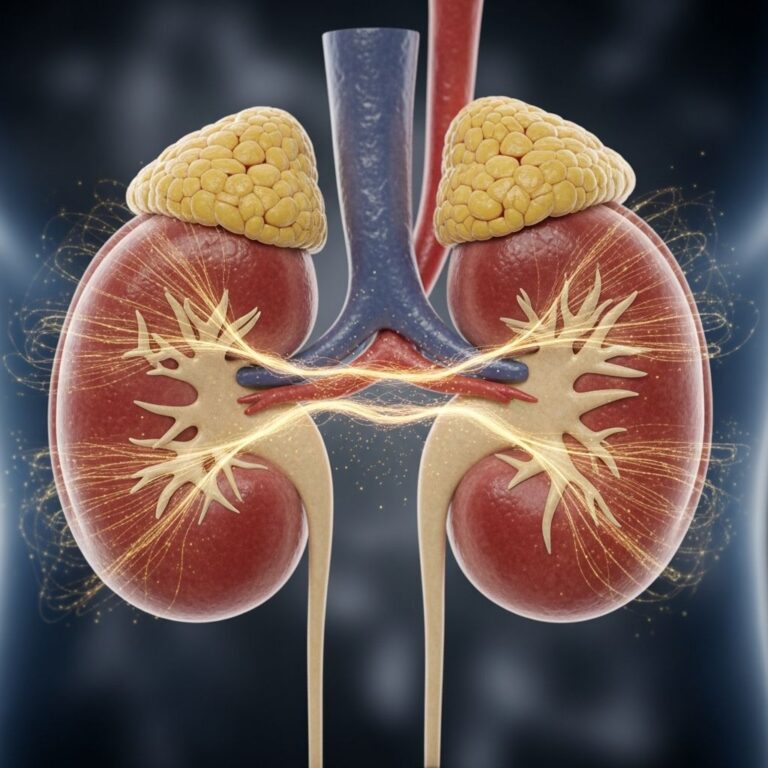
As your body produces more of the hormone hCG and blood flow to your kidneys increases, you may notice yourself needing to urinate more frequently than usual. This symptom can begin as early as 2-3 weeks after conception and often intensifies as pregnancy progresses. The growing uterus also puts pressure on your bladder, reducing its capacity to hold urine. While frequent urination is a common pregnancy symptom, it can also indicate a urinary tract infection, so it’s worth discussing with your healthcare provider if accompanied by pain or burning sensations.
6. Food Cravings and Aversions
Many pregnant women experience sudden and intense cravings for specific foods while simultaneously developing aversions to others. These changes are often attributed to hormonal shifts and altered taste sensations. Some women crave unusual food combinations or foods they normally dislike, while others may feel repulsed by foods they previously enjoyed. Food aversions can contribute to nausea, particularly when the smell of previously favored foods becomes unbearable. Hormonal changes in pregnancy can affect your sense of taste and smell significantly.
Related Stories



7. Mood Changes and Emotional Sensitivity
The dramatic hormone fluctuations that occur during early pregnancy can trigger emotional changes, including mood swings, heightened emotional sensitivity, and increased anxiety. You might find yourself feeling tearful, irritable, or overly emotional without a clear reason. These mood changes are completely normal and result from the rapid rise in estrogen and progesterone levels. While mild to moderate levels of maternal psychological stress during pregnancy may actually enhance fetal maturation, excessive stress should be managed with appropriate support and relaxation techniques.
8. Bloating and Abdominal Discomfort
Early pregnancy hormones slow your digestive system, leading to bloating, constipation, and general abdominal discomfort. You may feel as though your stomach is distended or experience gas and cramping similar to premenstrual symptoms. This bloating can make your clothes feel tight even though you haven’t gained significant weight yet. The hormone progesterone, which relaxes smooth muscles throughout your body, is primarily responsible for these digestive changes. Eating smaller meals, staying hydrated, and consuming fiber-rich foods can help alleviate bloating.
9. Headaches and Body Aches
Some women experience headaches and general body aches during early pregnancy. These symptoms may result from hormonal changes, increased blood volume, or changes in caffeine consumption. The headaches associated with early pregnancy are typically mild to moderate and may be accompanied by neck tension or general fatigue. Body aches might feel similar to those experienced before a cold or flu, with muscle soreness or a general sense of malaise. Staying well-hydrated, getting adequate rest, and using safe pain relief methods can help manage these symptoms.
10. Spotting or Light Vaginal Bleeding
Some women experience light spotting or vaginal bleeding during early pregnancy, which often occurs when the fertilized egg implants in the uterine lining. This implantation bleeding typically occurs 6-12 days after conception and is usually lighter than a normal period, with smaller blood clots and shorter duration. While light bleeding can be normal, any significant vaginal bleeding should be reported to your healthcare provider, as it could indicate complications such as miscarriage or ectopic pregnancy.
When to Take a Pregnancy Test
Most pregnancy tests are most accurate after you’ve missed your period, as this is when hCG levels in your blood and urine are typically high enough to detect. However, some sensitive early detection tests can provide results a few days before your missed period. Home pregnancy tests detect the hormone hCG, which begins appearing in your urine shortly after implantation. For the most accurate results, take a test in the morning when urine is most concentrated, or follow the specific instructions provided with your test kit. If your initial test is negative but you still suspect pregnancy, wait a few days and test again.
When to Contact Your Healthcare Provider
If you’ve confirmed that you’re pregnant or suspect you may be, scheduling an appointment with your healthcare provider is essential. Early recognition of pregnancy and provision of timely, quality prenatal care can help ensure a healthy pregnancy and delivery. Your provider will confirm the pregnancy, estimate your due date, assess your overall health, and discuss prenatal care options. They can also address any concerns about symptoms you’re experiencing and provide guidance on maintaining a healthy pregnancy. If you experience severe symptoms such as heavy bleeding, severe abdominal pain, or dizziness, seek immediate medical attention.
Important Considerations for Women with Lupus
For women with lupus or other autoimmune conditions, pregnancy requires special monitoring and care. The risks of pregnancy in lupus patients are real and involve both the mother and the fetus, with about ten percent of pregnancies currently ending in miscarriage. Women with lupus may face increased risks of preterm birth, intrauterine growth retardation, and lupus flares during pregnancy. Women with lupus planning pregnancy should work closely with both their rheumatologist and a high-risk obstetrician to monitor for complications and ensure optimal outcomes for both mother and baby.
Frequently Asked Questions
Q: How soon after conception can I take a pregnancy test?
A: Most pregnancy tests are most accurate after a missed period, typically 14 days after conception. However, some sensitive early detection tests may provide results a few days before a missed period. Taking a test too early may result in a false negative.
Q: Are all early pregnancy symptoms the same for every woman?
A: No, pregnancy symptoms vary greatly from woman to woman. Some women experience all the symptoms listed above, while others may experience only a few or none at all. The intensity and timing of symptoms also differ significantly between individuals.
Q: Can I be pregnant without experiencing any symptoms?
A: Yes, some women experience no symptoms in early pregnancy and only discover they’re pregnant through a missed period or pregnancy test. This is completely normal and doesn’t indicate any problem with the pregnancy.
Q: Is morning sickness a sign of a healthy pregnancy?
A: While morning sickness is common and often associated with healthy pregnancies, its presence or absence is not necessarily an indicator of pregnancy health. Some women with completely healthy pregnancies experience no nausea.
Q: Should I avoid caffeine if I think I might be pregnant?
A: If you suspect you might be pregnant, limiting caffeine intake is a reasonable precaution. Once you’ve confirmed pregnancy, discuss caffeine consumption with your healthcare provider, as guidelines typically recommend limiting intake to 200 mg per day.
Q: What if I have a negative pregnancy test but still think I’m pregnant?
A: If you’ve had a negative test but continue experiencing pregnancy symptoms, wait a few days and test again, as hCG levels may not have reached detectable levels yet. You can also schedule an appointment with your healthcare provider for a blood test, which is more sensitive than home urine tests.
References
- Lupus and Pregnancy — Hopkins Lupus Center. Last updated 2024. https://www.hopkinslupus.org/lupus-info/lifestyle-additional-information/lupus-pregnancy/
- Nausea and Vomiting in Pregnancy: Epidemiology, Mechanisms, and Treatment — Johns Hopkins University School of Medicine. 2024. https://www.hopkinsmedicine.org
- Educating Families on Urgent Maternal Warning Signs: Learning from Maternal Deaths — Johns Hopkins University Bloomberg School of Public Health. 2024. https://publichealth.jhu.edu
- The Impact of Maternal Psychological Stress on Fetal Development — Johns Hopkins University Bloomberg School of Public Health. Published May 17, 2006. https://publichealth.jhu.edu
Similar Articles








Read full bio of medha deb