10 Foods to Avoid If You Have Overactive Bladder
Discover the 10 key foods and drinks that can irritate your overactive bladder and trigger frequent urges to urinate.
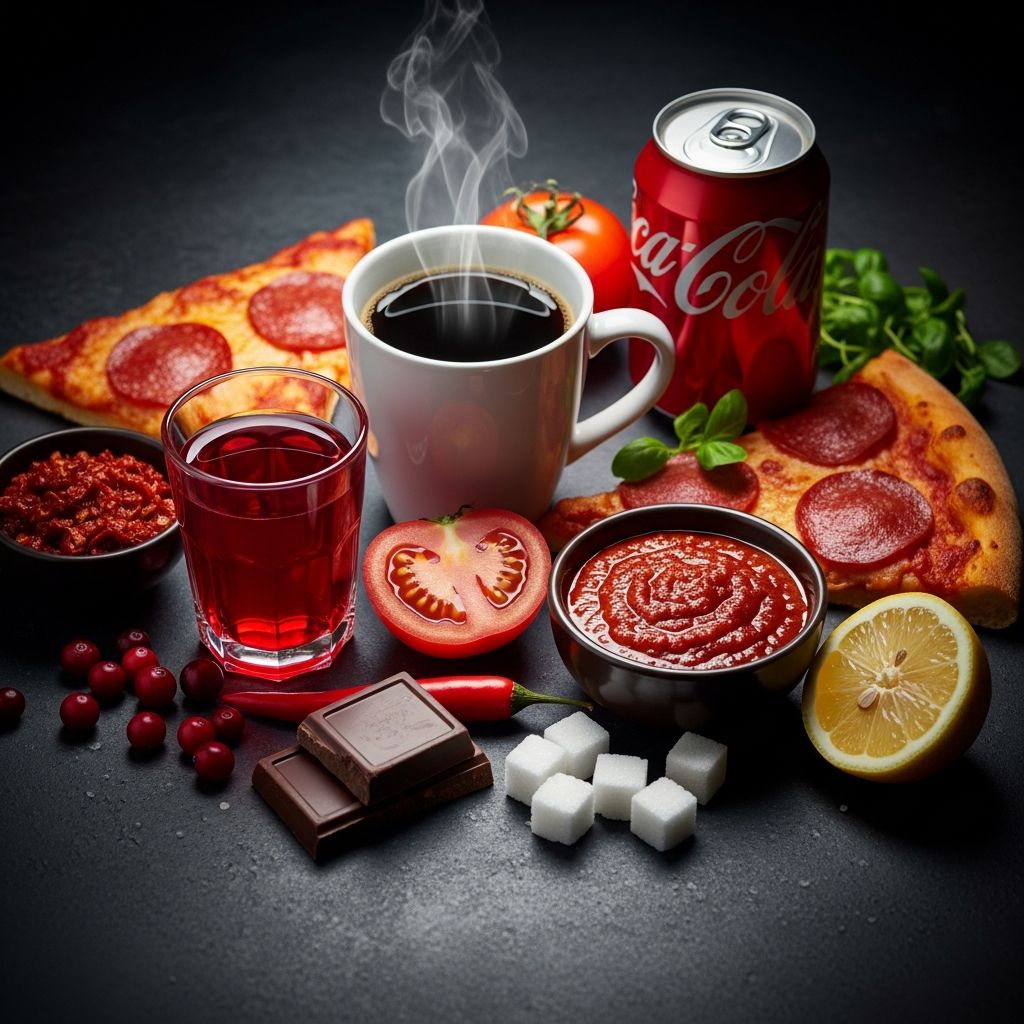
Overactive bladder (OAB) affects millions, causing sudden urges to urinate, frequent trips to the bathroom, and sometimes incontinence. While medications and therapies help, diet plays a crucial role in managing symptoms. Certain foods and drinks act as bladder irritants, increasing urgency and frequency by stimulating the bladder’s nerves or increasing urine production. Identifying and avoiding these triggers can significantly improve quality of life. This article outlines the top 10 foods to avoid, backed by medical insights, along with bladder-friendly alternatives and practical tips.
What Is Overactive Bladder?
Overactive bladder is a condition where the bladder muscles contract involuntarily, even when it’s not full, leading to urgency, frequency (more than eight times daily), and nocturia (nighttime urination). It impacts about 33 million adults in the U.S. Dietary changes are often the first-line recommendation from urologists, as irritants can exacerbate symptoms by inflaming the bladder lining or acting as diuretics.
Why Diet Matters for OAB
The bladder is sensitive to acidic, caffeinated, or diuretic substances that heighten nerve signals or boost urine output. Conservative treatments start with lifestyle tweaks like fluid management and trigger avoidance. Reducing irritants helps calm the bladder, prevents constipation (which pressures the bladder), and supports overall pelvic health. Patients often see relief by eliminating offenders for two weeks, then reintroducing them one by one to pinpoint personal triggers.
10 Foods and Drinks to Avoid
Here are the most common culprits, compiled from expert sources. Each can worsen OAB in different ways: acidity irritates the lining, caffeine stimulates contractions, and carbonation adds pressure.
1. Coffee
Coffee, even decaffeinated, tops the list due to its caffeine content—a diuretic that increases urine production and bladder contractions. A single cup can trigger urges within 30 minutes. Opt for decaf herbal teas instead, but limit all caffeine to under 100mg daily.
2. Alcohol
Beer, wine, and liquor act as diuretics, suppressing antidiuretic hormone and filling the bladder faster. Alcohol also relaxes bladder muscles, worsening control. Studies link even moderate intake to increased nocturia. Stick to non-alcoholic alternatives like mocktails.
3. Carbonated Beverages
Soda, seltzer, and sparkling water create gas bubbles that expand in the stomach and press on the bladder. Many contain caffeine or artificial sweeteners, doubling the irritation. Choose still water or diluted low-acid juices.
4. Citrus Fruits and Juices
Oranges, lemons, limes, grapefruits, and their juices are highly acidic (pH under 4), inflaming the bladder lining. This triggers spasms. Avoid fresh, canned, or juiced forms; swap for bananas or pears.
5. Tomatoes and Tomato Products
Tomatoes’ acidity rivals citrus, irritating the urothelium (bladder lining). Ketchup, sauces, salsa, and soups are sneaky sources. Cooking doesn’t neutralize the acid fully. Try bell peppers or roasted veggies as substitutes.
Related Stories



6. Spicy Foods
Chili peppers, hot sauces, curry, and wasabi contain capsaicin, which stimulates pain receptors in the bladder, mimicking urgency signals. Even mild spice can provoke symptoms. Mild herbs like basil offer flavor without fire.
7. Chocolate
Dark, milk, or white chocolate hides caffeine and theobromine, both diuretics. Cocoa also has oxalates that irritate. Limit to occasional small pieces or choose carob as a caffeine-free alternative.
8. Artificial Sweeteners
Aspartame, saccharin, and sucralose in diet sodas, gum, and yogurt fool the bladder into hyperactivity. Some studies show they increase urgency by 30%. Use stevia sparingly or go natural with fruit.
9. Cranberry Juice
While great for UTIs, its high acidity irritates OAB bladders without infection. The diuretic effect boosts frequency. Dilute heavily or choose low-acid cranberry supplements if needed.
10. Raw Onions
Raw onions’ sulfur compounds irritate the urinary tract, causing burning and urgency. Cooked onions are milder. Alternatives include chives or green onions in moderation.
Other Common Irritants
- Sugar and Honey: Excess spikes bladder sensitivity; honey’s fructose acts diuretic.
- MSG: Found in processed foods, it heightens nerve signals.
- Gluten: For sensitive individuals, it promotes inflammation.
- High-Vitamin C Foods: Supplements worsen; get from low-acid sources.
Bladder-Friendly Foods to Embrace
Focus on anti-inflammatory, fiber-rich options to soothe the bladder and prevent constipation.
- Fruits: Bananas, apples, grapes, pears, blueberries, watermelon (in moderation).
- Vegetables: Broccoli, cucumbers, carrots, kale, lettuce, asparagus, celery, bell peppers.
- Proteins: Lean chicken, turkey, fish (salmon for vitamin D), eggs.
- Fiber Sources: Oats, barley, lentils, beans, almonds, nuts.
- Drinks: Water (6-8 glasses), herbal teas, soy milk, diluted apple juice.
Incorporate pumpkin seeds for their bladder-relaxing magnesium and vitamin D-rich foods like fatty fish to reduce urgency.
How to Implement an OAB-Friendly Diet
Track symptoms with a bladder diary: note intake, timing, and urges. Reduce fluids after 6 PM to curb nocturia. Aim for 48-64 oz daily, spread evenly. Increase fiber gradually to avoid gas. Consult a dietitian for personalized plans, especially if gluten-intolerant.
| Category | Avoid | Alternatives |
|---|---|---|
| Drinks | Coffee, alcohol, soda, citrus juice | Water, herbal tea, soy milk |
| Fruits | Citrus, cranberries, strawberries | Bananas, apples, grapes |
| Veggies | Tomatoes, raw onions | Broccoli, cucumbers, carrots |
| Sweets | Chocolate, artificial sweeteners | Carob, stevia |
Lifestyle Tips Beyond Diet
- Practice pelvic floor exercises (Kegels) daily.
- Maintain healthy weight to reduce abdominal pressure.
- Time bathroom visits: every 2-4 hours.
- Manage constipation with fiber and hydration.
- Quit smoking, as nicotine irritates the bladder.
Frequently Asked Questions (FAQs)
What causes overactive bladder?
OAB results from overactive detrusor muscles, often due to nerve issues, aging, or obesity. Diet aggravates but doesn’t cause it.
Can I ever eat these foods again?
Yes, test tolerance after symptom control, but in small amounts. Personal triggers vary.
Does fiber really help OAB?
Yes, it prevents constipation, easing bladder pressure. Aim for 25-30g daily from whole foods.
Are there supplements for OAB?
Pumpkin seed extract and magnesium may help, but consult a doctor. Avoid high-dose vitamin C.
When to see a doctor?
If diet changes fail, or with blood in urine, pain, or sudden worsening. Treatments include meds, Botox, or neuromodulation.
Expert Advice
Urologists recommend a trial elimination diet. Mayo Clinic emphasizes avoiding caffeine and carbonation first. Combine with behavioral therapy for best results.
References
- Bladder control: Lifestyle strategies ease problems — Mayo Clinic. 2023-10-15. https://www.mayoclinic.org/diseases-conditions/urinary-incontinence/in-depth/bladder-control-problem/art-20046597
- Foods that can irritate your bladder — Mayo Clinic Health System. 2023-05-20. https://www.mayoclinichealthsystem.org/hometown-health/speaking-of-health/food-and-bladder-symptom-links
- The Overactive Bladder Diet — National Association For Continence. 2024-02-10. https://nafc.org/bhealth-blog/the-overactive-bladder-diet/
- 10 Foods To Avoid If You Have Overactive Bladder — Central Texas Urogynecology. 2023-11-05. https://www.centraltexasurogyn.com/10-foods-to-avoid-if-you-have-overactive-bladder/
- The Best Diet for Overactive Bladder — Axonics. 2024-01-12. https://www.axonics.com/patients/resources-patients/patients-blog/286-the-best-diet-for-overactive-bladder/
- Foods to Avoid if You Have an Overactive Bladder — Premier Women’s Health. 2023-08-22. https://premierwomenshealthmn.com/foods-to-avoid-if-you-have-an-overactive-bladder/
Similar Articles








Read full bio of medha deb