10 High-Protein Foods To Boost Muscle And Energy
Boost your protein intake with these 10 nutrient-packed foods that support muscle health, weight management, and overall wellness.
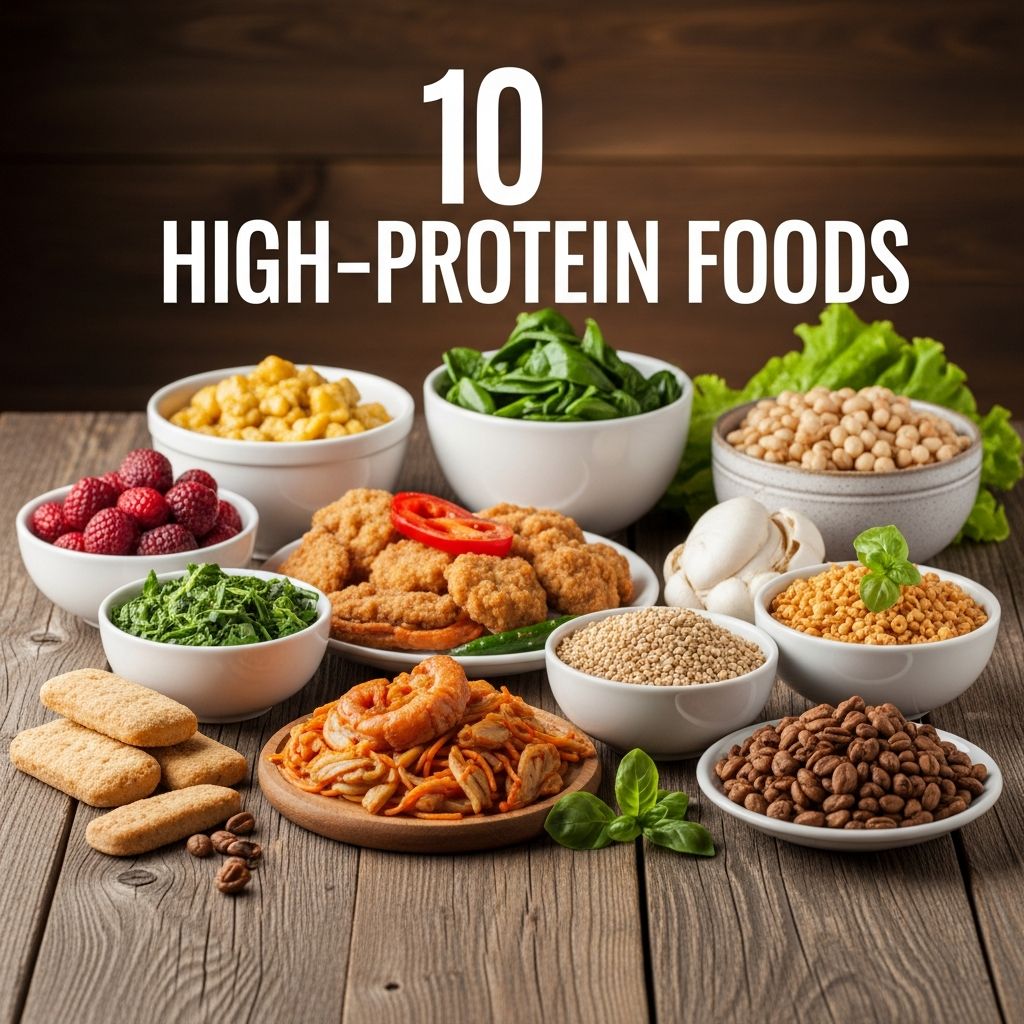
Protein is a cornerstone of a balanced diet, essential for building and repairing tissues, supporting muscle growth, regulating hormones, and promoting satiety to aid weight management. Adults typically need 0.8 grams of protein per kilogram of body weight daily, but active individuals or those aiming to build muscle may require more—up to 1.6–2.2 grams per kilogram according to the International Society of Sports Nutrition. Incorporating high-protein foods can help meet these needs while providing vitamins, minerals, and healthy fats.
This article highlights 10 versatile high-protein foods, detailing their protein content per serving, key nutritional benefits, and practical ways to include them in meals. Whether you’re vegetarian, vegan, or omnivorous, these options offer something for everyone.
1. Eggs
Eggs are a nutritional powerhouse, offering high-quality complete protein containing all nine essential amino acids. One large egg provides about 6 grams of protein, primarily in the white, while the yolk adds healthy fats, choline for brain health, and vitamins like B12 and D.
Research from the American Journal of Clinical Nutrition shows eggs promote fullness and can support weight loss when part of a calorie-controlled diet. They’re versatile for breakfast scrambles, hard-boiled snacks, or baked goods. Despite past cholesterol concerns, recent studies from the USDA confirm moderate egg consumption (1–2 per day) doesn’t raise heart disease risk in healthy people.
- Protein per serving: 6g (1 large egg)
- Calories: 70
- Best uses: Omelets, salads, boiled as snacks
Pro tip: Opt for pasture-raised eggs for higher omega-3 content.
2. Greek Yogurt
Greek yogurt undergoes straining to remove whey, resulting in a thicker texture and double the protein of regular yogurt—around 17–20 grams per 7-ounce serving. It’s rich in probiotics for gut health, calcium for bones, and often lower in sugar if plain and unsweetened.
A study in the journal Obesity found Greek yogurt enhances muscle protein synthesis post-exercise, making it ideal for athletes. Choose full-fat versions for better satiety or non-fat for calorie control. Flavors like vanilla pair well with berries and nuts for parfaits.
- Protein per serving: 20g (7 oz plain)
- Calories: 100–150
- Best uses: Smoothies, dips, breakfast bowls
3. Cottage Cheese
This fresh cheese curd delivers 25 grams of protein per cup with minimal carbs and fats, especially in low-fat varieties. It’s an excellent source of casein protein, which digests slowly to keep you full longer—perfect for bedtime snacks.
According to the Journal of Nutrition, cottage cheese supports muscle recovery and may improve bone health due to its phosphorus and calcium content. Mix with fruits, herbs, or use in lasagna for a protein boost.
- Protein per serving: 25g (1 cup low-fat)
- Calories: 160
- Best uses: Topping for toast, salads, or eaten plain
4. Salmon
Fatty fish like wild-caught salmon provides 22 grams of protein per 3-ounce fillet, plus anti-inflammatory omega-3 fatty acids that support heart and brain health. The FDA recommends two servings of seafood weekly for these benefits.
Related Stories



Harvard T.H. Chan School of Public Health research links omega-3s to reduced depression risk and better cognitive function. Grill, bake, or add canned salmon to salads for convenience.
- Protein per serving: 22g (3 oz cooked)
- Calories: 175
- Best uses: Grilled fillets, patties, poke bowls
5. Chicken Breast
Lean chicken breast offers 26 grams of protein per 3-ounce serving with low fat, making it a staple for muscle-building diets. It’s rich in B vitamins for energy metabolism.
The USDA notes poultry as a top complete protein source. Season and bake to keep it juicy, or shred for salads and wraps.
- Protein per serving: 26g (3 oz skinless)
- Calories: 140
- Best uses: Stir-fries, grilled skewers, soups
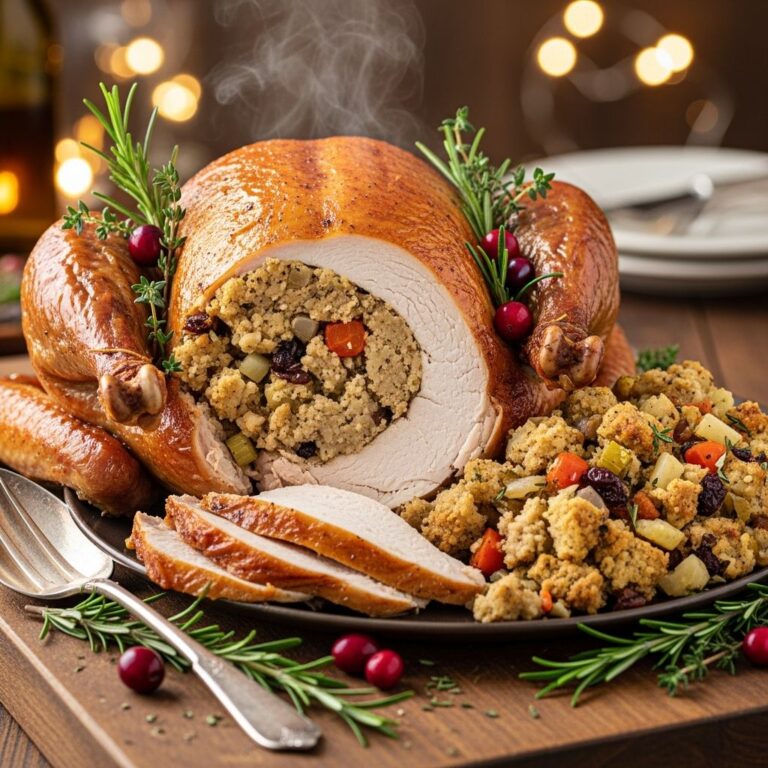
6. Turkey Breast
Similar to chicken, turkey breast packs 24 grams of protein per 3 ounces. It’s lower in calories and provides selenium, an antioxidant mineral.
Studies from the American Journal of Clinical Nutrition show turkey aids post-workout recovery. Deli slices or roasted turkey work well in sandwiches.
- Protein per serving: 24g (3 oz)
- Calories: 135
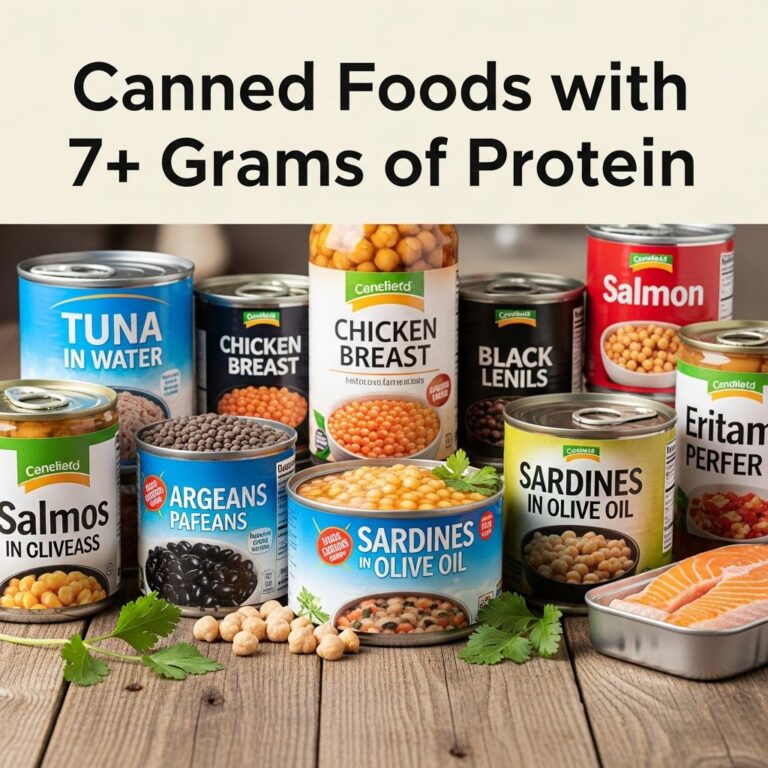
7. Tuna
Canned tuna delivers 20 grams of protein per 3-ounce can, affordable and shelf-stable. Opt for light tuna in water to minimize mercury.
The NIH highlights tuna’s vitamin D and selenium for immune support. Mix into salads or eat straight from the can.
- Protein per serving: 20g (3 oz can)
- Calories: 90
8. Lentils
These plant-based legumes offer 18 grams of protein per cooked cup, plus fiber for digestion and blood sugar control. The Dietary Guidelines for Americans recommend legumes for heart health.
Lentils are versatile in soups, curries, or salads.
- Protein per serving: 18g (1 cup cooked)
- Calories: 230
9. Almonds
A 1-ounce handful provides 6 grams of protein alongside vitamin E and healthy fats. The FDA endorses nuts for cardiovascular benefits.
Snack on them or add to yogurt.
- Protein per serving: 6g (1 oz)
- Calories: 160
10. Quinoa
This gluten-free seed boasts 8 grams of protein per cooked cup, a complete plant protein. NASA research underscores its superfood status for sustainability.
Use as a rice substitute in bowls.
- Protein per serving: 8g (1 cup cooked)
- Calories: 220
Why Protein Is Important
Protein builds enzymes, hormones, and antibodies, comprising 20% of body weight. It preserves muscle during weight loss and boosts metabolism via the thermic effect of food (TEF), where 20–30% of protein calories are burned digesting it, per NIH data.
How Much Protein Do You Need?
RDA is 46g for women, 56g for men, but athletes may need 1.2–2.0g/kg. Older adults benefit from 1–1.2g/kg to combat sarcopenia.
Plant- vs. Animal-Based Protein
Animal sources are complete; plants often require combining (e.g., beans + rice). Both offer benefits—plants lower chronic disease risk per Harvard studies.
Frequently Asked Questions (FAQs)
What’s the cheapest high-protein food?
Eggs and canned tuna or lentils offer the best value per gram.
Can you get enough protein on a vegan diet?
Yes, via lentils, quinoa, tofu, and nuts—aim for variety.
Is protein powder necessary?
Not if whole foods meet needs, but convenient for some.
How can I add more protein to meals?
Top salads with eggs or cottage cheese; snack on Greek yogurt.
References
- Dietary Guidelines for Americans, 2020-2025 — U.S. Department of Agriculture and HHS. 2020-12-01. https://www.dietaryguidelines.gov/sites/default/files/2020-12/Dietary_Guidelines_for_Americans_2020-2025.pdf
- International Society of Sports Nutrition Position Stand: Protein and Exercise — J Int Soc Sports Nutr. 2017-06-19. https://doi.org/10.1186/s12970-017-0177-8
- Protein Foods — USDA FoodData Central. 2023-01-15. https://fdc.nal.usda.gov/
- Egg Consumption and Risk of Cardiovascular Disease — Am J Clin Nutr. 2013-03-01. https://doi.org/10.3945/ajcn.112.051318
- Omega-3 Fatty Acids and Health — Harvard T.H. Chan School of Public Health. 2024-05-20. https://www.hsph.harvard.edu/nutritionsource/what-should-you-eat/fats-and-cholesterol/types-of-fat/omega-3-fats/
Similar Articles








Read full bio of Sneha Tete