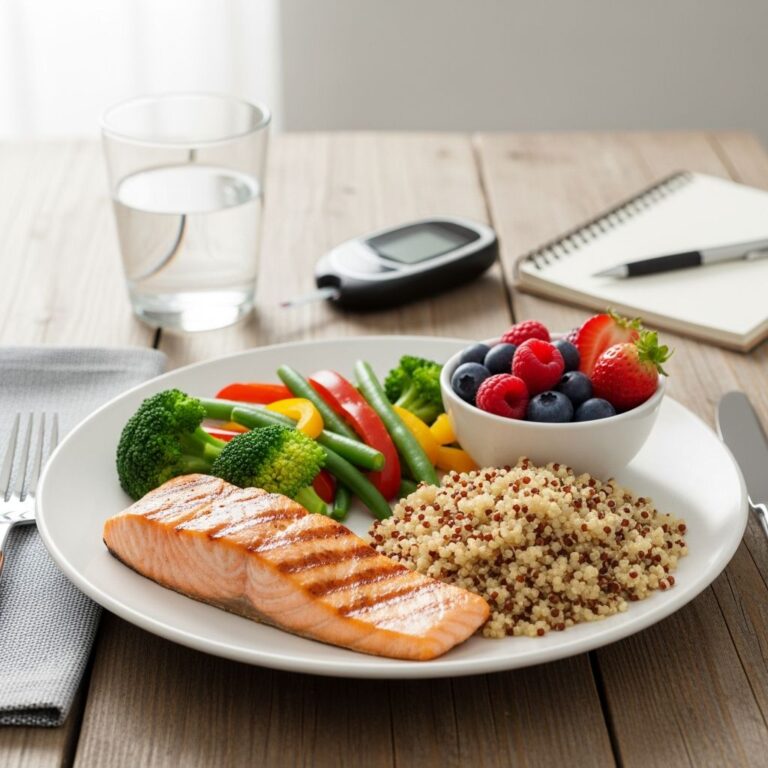
10 Inflammatory Foods To Avoid And Healthier Swaps
Discover the top 10 inflammatory foods that may worsen chronic inflammation and learn how avoiding them can improve your health and reduce disease risk.

Chronic inflammation fuels conditions like arthritis, heart disease, obesity, and diabetes. Certain foods trigger inflammatory responses in the body by promoting the release of cytokines, advanced glycation end products (AGEs), and other pro-inflammatory compounds. Avoiding these foods can significantly lower inflammation levels, alleviate symptoms, and improve overall health. This guide details
10 inflammatory foods to avoid
, drawing from credible health organizations, with practical tips for substitutions and long-term dietary changes.What Is Inflammation and Why Does Diet Matter?
Inflammation is the body’s natural response to injury or infection, but when chronic, it damages tissues and contributes to diseases. Diets high in processed foods, sugars, and unhealthy fats exacerbate this by increasing markers like C-reactive protein (CRP), interleukin-6 (IL-6), and tumor necrosis factor-alpha (TNF-α). Conversely, anti-inflammatory diets rich in fruits, vegetables, omega-3s, and whole foods combat oxidative stress and support immune balance.
Research from the Arthritis Foundation highlights how specific ingredients like sugar and trans fats directly stimulate adipose tissue inflammation, worsening arthritis and cardiovascular risks. Mayo Clinic emphasizes trimming processed items from grocery lists to ease chronic inflammation.
1. Sugar
**Added sugars** are among the worst culprits for inflammation. Found in sodas, desserts, pastries, chocolate bars, and even fruit juices, they trigger cytokines—inflammatory messengers. The American Journal of Clinical Nutrition links processed sugars to heightened inflammation.
Sugar hides under names like fructose, sucrose, dextrose, or anything ending in “-ose” on labels. Excessive intake spikes blood sugar, promoting insulin resistance and obesity, both inflammatory states. Aim to limit added sugars to under 25-36 grams daily, per health guidelines.
- Common sources: Candy, baked goods, sugary cereals, sweetened beverages.
- Healthier swap: Fresh fruits, unsweetened yogurt, or stevia-sweetened options.
Reducing sugar not only curbs inflammation but also aids weight management, further lowering disease risk.
2. Saturated Fats
Saturated fats, prevalent in red meat, full-fat dairy, pizza, cheese, and grain-based desserts, inflame fat tissue—a key driver of heart disease and arthritis. The National Cancer Institute identifies pizza and cheese as top sources in American diets.
These fats elevate low-density lipoprotein (LDL) cholesterol and promote endothelial dysfunction, fueling systemic inflammation. Studies show they worsen joint pain in arthritis patients.
- Sources to limit: Fatty cuts of beef, butter, cream, processed meats.
- Alternatives: Lean poultry, plant-based proteins like beans, or avocado.
Opt for unsaturated fats from olive oil or nuts to balance omega fatty acids.
3. Trans Fats
**Trans fats** are synthetic fats in partially hydrogenated oils, found in fast foods, fried items, baked goods, margarine, cookies, donuts, and crackers. Harvard researchers flagged them for triggering systemic inflammation in the 1990s.
Even small amounts raise bad cholesterol, lower good cholesterol, and increase CRP levels. Many countries have banned them, but check labels for “partially hydrogenated” oils.
- Avoid: Packaged snacks, frozen breakfasts, commercial frostings.
- Swap with: Olive oil, nuts, or air-fried foods.
Eliminating trans fats can reduce heart disease risk by up to 30%, per epidemiological data.
Related Stories



4. Omega-6 Fatty Acids (in Excess)
While essential, excess
omega-6 fatty acids
from corn, safflower, sunflower, grapeseed, soy, peanut, and vegetable oils disrupt the omega-6 to omega-3 balance, producing pro-inflammatory chemicals. Common in mayonnaise and salad dressings.The ideal ratio is 4:1 or lower; modern diets often hit 20:1, promoting conditions like arthritis. Seed oils in processed foods amplify this imbalance.
- High sources: Fried foods, processed snacks, conventional dressings.
- Balance with: Omega-3-rich fish (salmon), flaxseeds, walnuts; use olive or avocado oil.
Prioritizing omega-3s counters inflammation effectively.
5. Refined Carbohydrates
**Refined carbs** like white bread, white rice, pastries, instant mashed potatoes, french fries, and many cereals have a high glycemic index. They fuel AGE production, driving obesity and inflammation, as noted in Scientific American.
Stripped of fiber, they spike blood sugar rapidly, promoting insulin resistance and gut inflammation.
- Examples: White pasta, sugary cereals, chips.
- Better choices: Whole grains like quinoa, brown rice, oats.
Gradually mix refined with whole versions for easier transition.
6. MSG (Monosodium Glutamate)
**MSG**, a flavor enhancer in Asian foods, soy sauce, fast foods, soups, dressings, and deli meats, activates chronic inflammation pathways and harms liver health.
It overexcites neurons and disrupts gut-brain signaling, potentially worsening headaches and joint pain in sensitive individuals.
- Hidden in: Processed snacks, canned soups, restaurant takeout.
- Alternatives: Natural herbs, spices, or umami from mushrooms.
7. Gluten and Casein (for Sensitive Individuals)
For those with sensitivities,
gluten
(wheat, barley, rye) andcasein
(dairy) trigger immune responses, damaging the gut and causing joint pain. Celiac disease links gluten to autoimmune inflammation.Arthritis patients may overlap with gluten intolerance; elimination diets provide relief.
- Test avoidance: 4-6 weeks gluten-free, dairy-free.
- Replacements: Gluten-free grains (rice, corn), plant milks (almond, oat).
8. Aspartame
**Aspartame**, an artificial sweetener in over 4,000 products, may provoke immune attacks in sensitive people, sparking inflammation. FDA-approved but effects on autoimmune conditions are unclear.
- Found in: Diet sodas, sugar-free gums, low-cal desserts.
- Safer options: Stevia, monk fruit, or whole fruit.
9. Alcohol
Excess
alcohol
burdens the liver, disrupts organ function, and induces inflammation. Moderation (1 drink/day women, 2 men) is key; best to limit or eliminate.It raises gut permeability, allowing toxins into the bloodstream.
- Swap for: Herbal teas, sparkling water with lemon.
10. Processed and Ultra-Processed Meats
**Processed meats** (bacon, sausage, hot dogs, deli meats) contain nitrites/nitrates that form carcinogenic compounds when heated, plus high sodium and preservatives promoting inflammation. Red meat in excess correlates with higher inflammatory biomarkers.
Ultra-processed foods with gums, sugars, and chemicals compound this.
- Alternatives: Plant-based meats, fish, legumes.
Foods to Embrace: Building an Anti-Inflammatory Diet
Counter inflammation with fruits, vegetables, fatty fish, nuts, olive oil, and whole grains. These provide antioxidants, polyphenols, and omega-3s that downregulate pro-inflammatory genes.
| Inflammatory Food | Anti-Inflammatory Swap |
|---|---|
| Sugary soda | Sparkling water with berries |
| Fried chips | Baked kale chips |
| Red meat | Grilled salmon |
| White bread | Whole-grain or quinoa |
| Processed snacks | Nuts or fruit |
Increase fiber and omega-3s while managing weight for optimal results.
Frequently Asked Questions (FAQs)
What causes chronic inflammation?
Chronic inflammation arises from prolonged immune activation due to poor diet, stress, obesity, and toxins. Pro-inflammatory foods like sugars and trans fats exacerbate it.
Can avoiding these foods cure arthritis?
Not a cure, but significantly reducing inflammatory foods alleviates symptoms, as per Arthritis Foundation studies.
Are natural sugars inflammatory?
Whole fruits are not, due to fiber slowing absorption; it’s added/processed sugars that trigger cytokines.
How long to see benefits from diet changes?
Many notice reduced pain and fatigue in 2-4 weeks; consistency yields long-term gains.
Is red meat always bad?
Occasional lean cuts are fine; excess links to inflammation via heme iron and AGEs.
Consult a doctor or dietitian before major changes, especially with conditions like IBS or IBD.
References
- 8 Food Ingredients That Can Cause Inflammation — Arthritis Foundation. 2023 (approx., based on content). https://www.arthritis.org/health-wellness/healthy-living/nutrition/foods-to-limit/8-food-ingredients-that-can-cause-inflammation
- The top 25 anti-inflammatory foods to improve your health overall — Oshi Health. 2024 (recent). https://oshihealth.com/best-anti-inflammatory-foods/
- Groceries to ease chronic inflammation — Mayo Clinic Health System. 2024 (recent). https://sncs-prod-external.mayo.edu/hometown-health/speaking-of-health/want-to-ease-chronic-inflammation
- Overview of anti-inflammatory diets and their promising effects — PMC (NCBI). 2024-10-15. https://pmc.ncbi.nlm.nih.gov/articles/PMC11576095/
Similar Articles








Read full bio of Sneha Tete