Hybrid Fruits: 10 Must-Know Varieties For Taste And Nutrition
Discover 10 unique hybrid fruits that blend flavors, boost nutrition, and offer exciting tastes from tangor to orangelo.
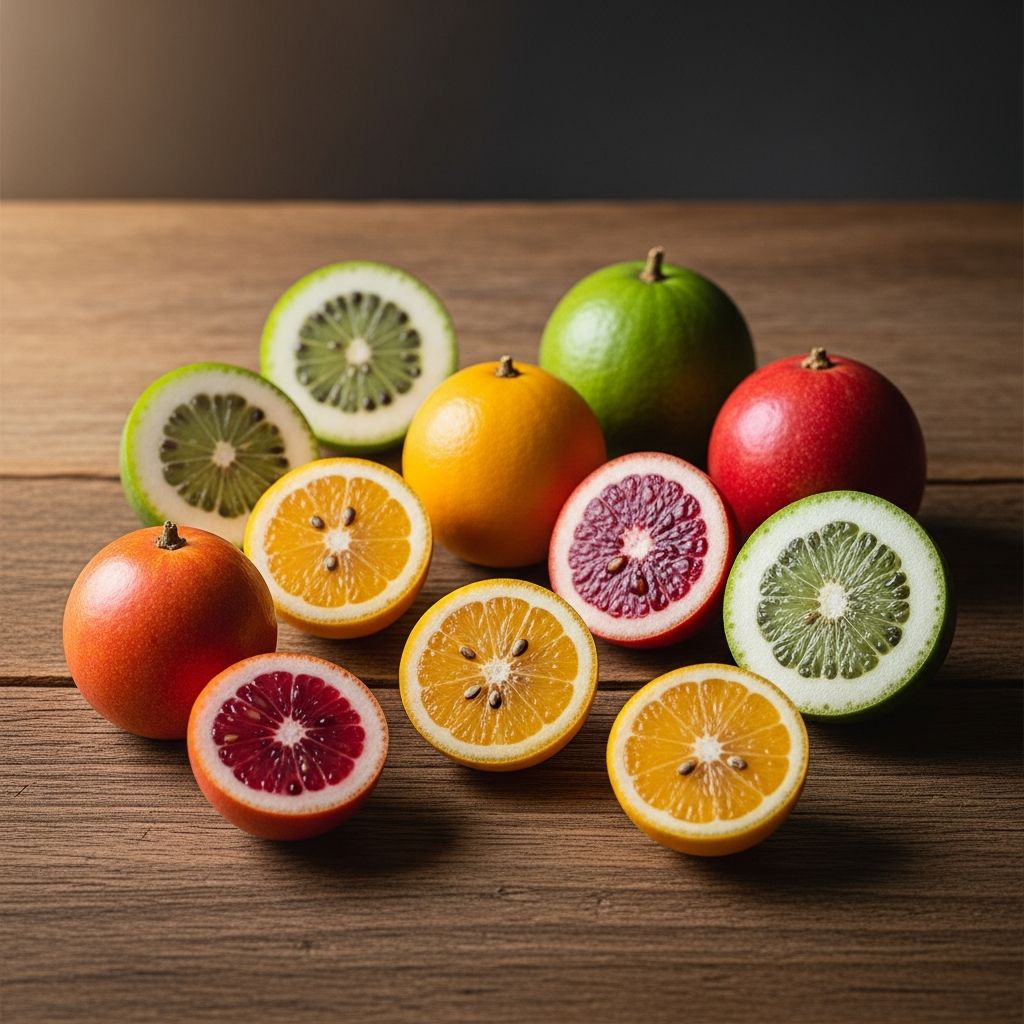
Tangor, ugli, jostaberry, and pluot represent a fascinating array of hybrid fruits increasingly available at grocery stores and farmers markets. These curiously named fruits might seem like products of modern science, but hybridization has been a natural process used by farmers for centuries to create hardier, more flavorful, and nutritious varieties.
Hybrid fruits result from crossing two different fruit varieties or species, often leading to plants that are naturally resistant to diseases, tolerant of extreme weather like heat, cold, or drought, and capable of producing higher, more consistent yields with predictable ripening times. Consumers reap the rewards through uniform sizes and shapes, enhanced juiciness, superior taste profiles, and improved nutritional content, making these fruits a smart addition to any diet.
Scientific research supports the health advantages of many hybrids. For instance, studies show that certain hybrid fruits exhibit higher levels of antioxidants, polyphenols, and flavonoids compared to their parent fruits, offering anti-inflammatory and antiproliferative benefits. Hybridization can also reduce simple sugar content while enhancing sweetness, benefiting those managing diabetes. With these benefits in mind, here are
10 must-know hybrid fruits
to seek out and add to your shopping list.Tangor
The
tangor
is a vibrant cross between a mandarin orange and a sweet orange, combining the easy-to-peel skin of the mandarin with the juicy sweetness of the orange. Though the name might sound novel, familiar varieties like Murcott and Temple have long been staples in produce departments.These citrus hybrids typically feature a deep orange rind that’s slightly bumpy and easy to peel, enclosing segmented flesh that’s seedless or low-seeded, with a rich, tangy-sweet flavor profile bursting with citrus notes. Nutritionally, tangors are excellent sources of
vitamin C
, fiber, and antioxidants, supporting immune health and digestion.- Season: Winter to spring
- How to enjoy: Eat fresh as a snack, juice for smoothies, or segment into fruit salads. Try grilling halves for a caramelized dessert.
- Storage tip: Keep at room temperature for up to a week or refrigerate for longer freshness.
Tangors’ hybrid vigor makes them more disease-resistant than pure mandarins, ensuring reliable availability.
Ugli
Botanically known as Citrus reticulata x paradisi, the
ugli
is a Jamaican tangelo hybrid of grapefruit, orange, and tangerine. Don’t let the wrinkled, mottled green-yellow skin fool you—its appearance belies a sweet, juicy interior dominated by tangerine flavors rather than grapefruit bitterness.Larger than a tangerine with loose, pebbly skin that’s effortless to peel, ugli fruits offer large segments free of excessive seeds. They’re packed with
vitamin C
, folate, and potassium, promoting heart health and hydration. Research on citrus hybrids highlights their elevated polyphenol content for antioxidant protection.- Season: Winter
- Recipe idea: Halve or section into salads with avocado, sweet onion, chicory, and radicchio for a tropical twist.
- Health perk: Lower bitterness makes it ideal for those sensitive to grapefruit’s astringency.
Related Stories



Originating in Jamaica, ugli thrives in subtropical climates, contributing to its consistent market presence.
Jostaberry
The
jostaberry
, a fusion of North American and European gooseberry with black currant, delivers a sweeter profile than its tart parents. This nearly black berry boasts complex flavors reminiscent of grape, blueberry, and kiwi, all while being loaded withvitamin C
—up to 10 times more than oranges per weight.Thorny bushes produce clusters of firm, juicy berries perfect for fresh eating, jams, or pies. Their high anthocyanin content supports anti-inflammatory effects, as noted in berry hybrid studies.
- Season: Summer
- Uses: Blend into smoothies, bake in muffins, or make sorbet.
- Fun fact: ‘Josta’ means ‘berry’ in Swedish, reflecting its berry heritage.
Jostaberries are hardy and self-fertile, ideal for home gardeners.
Pluot
The trademarked
pluot
from the Zaiger family is predominantly plum (75%) crossed with apricot (25%), engineered for smooth, edible skin and explosively juicy, sweet flesh. Unlike fuzzier apriums or balanced plumcots, pluots emphasize plum’s richness with apricot’s tang.Available in red, purple, or yellow skins, they’re nutrient-dense with vitamins A and C, fiber, and antioxidants that combat oxidative stress.
- Season: Summer
- How to eat: Slice fresh, grill, or chop into salsas. Their freestone pits make prep easy.
- Varieties: Flavor King, Flavor Heart—over 20 types exist.
Bred for superior taste and shelf life, pluots revolutionized stone fruit hybrids.
Baby Kiwi
Derived from fuzzy kiwifruit (Actinidia arguta), the
baby kiwi
offers smooth, edible skin—no peeling required. These grape-sized gems vary in size, shape, color (green to brown), and taste by grower, with a milder, sweeter profile than standard kiwis.Rich in
vitamin C
, E, fiber, and potassium, they support digestion and immunity. Their small size makes them a convenient snack.- Season: Late summer to fall
- Ideas: Pop whole, add to yogurt parfaits, or candy for treats.
- Growing note: Cold-hardy vines suit temperate climates.
Tayberry
A blackberry-raspberry cross, the
tayberry
resembles an elongated raspberry with tart, intense berry flavor. Developed in Scotland, its large, wine-red fruits are firmer than raspberries, ideal for cooking.High in antioxidants and vitamin C, tayberries aid in berry polyphenol intake.
- Season: Summer
- Uses: Jams, pies, sauces for meats.
Limequat
Key lime and kumquat hybrid, the
limequat
looks like a mini oval orange with greenish-yellow skin. Edible skin delivers tart lime zing; eat whole, use in jams, or pair with fish/chicken.- Season: Mid-fall to winter
- Nutrition: Vitamin C powerhouse.
Pineberry
White Southern European strawberries crossed with red varieties yield the pineapple-flavored
pineberry
. White with red seeds, available May-June.- Uses: Fresh, desserts; low acidity.
Orangelo
Puerto Rican grapefruit-orange hybrid, sweeter and more vivid than grapefruit. Easy-peel, juicy segments.
- Season: Winter
Health Benefits of Hybrid Fruits
Hybrid fruits often surpass parents in nutrition. Citrus hybrids like Oro Blanco have less sugar yet sweeter taste. Berry hybrids show elevated phenolics. Table below compares select antioxidants (mg/100g):
| Fruit | Total Phenolics | Anthocyanins | Flavonoids |
|---|---|---|---|
| Grape | 1015.2 | 122 | 3457.5 |
| Chokeberry Hybrid | 2340 | 556 | 256.4 |
Hybrids enhance disease resistance and yields.
Frequently Asked Questions (FAQs)
Are hybrid fruits natural?
Yes, hybridization occurs naturally or via controlled pollination, not genetic modification.
Are they healthier?
Often yes, with higher antioxidants and better profiles.
Where to buy?
Farmers markets, specialty grocers; seasons vary.
Can I grow them?
Many are hardy for home gardens.
Any allergies?
Similar to parents; check citrus sensitivities.
References
- 10 Must-Know Hybrid Fruits — Academy of Nutrition and Dietetics. 2023-10-15. https://www.eatright.org/food/food-groups/fruits/10-must-know-hybrid-fruits
- Hybrid Fruits for Improving Health—A Comprehensive Review — National Library of Medicine (PMC). 2024-01-20. https://pmc.ncbi.nlm.nih.gov/articles/PMC10814314/
- The 14 Berry Hybrids You Cannot Miss — Italian Berry. 2023-05-10. https://italianberry.it/en/news/i-14-ibridi-di-frutti-di-bosco-da-non-perdere-893
- Fruit Hybrids, Explained — FruitGuys. 2024-06-12. https://fruitguys.com/blog/fruit-hybrids-explained-a-love-story-from-the-orchard/
Similar Articles








Read full bio of Sneha Tete