10 Secrets of the Eat What You Want Diet
Discover how to enjoy your favorite foods guilt-free while achieving sustainable weight loss and better health through mindful eating strategies.

Imagine losing weight without banning your favorite foods like pizza, chocolate, or ice cream. The Eat What You Want Diet revolutionizes traditional dieting by focusing on mindful eating, emotional awareness, and sustainable habits rather than restriction. Rooted in principles from experts like Michelle May, MD, and supported by institutions such as Mayo Clinic and the American Heart Association, this approach allows you to enjoy what you love while achieving lasting health benefits.
This diet shifts the paradigm from ‘no pain, no gain’ to joyful, intuitive eating. By tuning into your body’s hunger and fullness signals, you can eat satisfying meals without overindulging. Studies and guidelines show mindful eating improves weight management, body image, and overall well-being. Below, we reveal the
10 secrets
that make this possible, drawing from credible health sources.Secret 1: Eat Mindfully to Reconnect with Hunger
The foundation of the Eat What You Want Diet is
mindful eating
—pausing before your first bite to assess true physical hunger versus emotional triggers like stress or boredom. Author Michelle May, a recovered yo-yo dieter, emphasizes asking: ‘Am I really hungry, or is it something else?’ This practice prevents mindless munching while driving or watching TV.Start by stopping all distractions during meals. Focus on flavors, textures, and colors. Mayo Clinic recommends slowing down with treats like chocolate: savor each bite to recognize fullness sooner. Research supports this; mindful eating helps control portions naturally, reducing calorie intake without feeling deprived.
- Rate hunger on a scale of 1-10 before eating (aim for 3-4 to start).
- Chew slowly—aim for 20-30 chews per bite.
- Eat without screens to enhance satisfaction.
Secret 2: Honor Your Fullness Signals
Just as important as starting mindfully is knowing when to stop. The diet teaches recognizing subtle fullness cues, like a relaxed stomach or waning interest in food. Many overeat because they ignore these signals amid distractions.
Practical tip: Eat until 80% full, as practiced in intuitive eating models. NHS guidelines align, advising reasonable portions over time to avoid discomfort. This prevents the post-meal bloat and promotes steady energy levels.
Secret 3: Embrace Portion Control Without Sacrifice
**Portion control** is key, but not through tiny servings that leave you hungry. Mayo Clinic’s guide reveals eye-opening truths: a true portion of pasta is about ½ cup cooked, not a heaping plate. Use hand measurements: palm for protein, fist for veggies, thumb for fats.
| Food Type | Portion Guide | Visual Aid |
|---|---|---|
| Protein (meat, fish) | Palm-sized | Your hand palm |
| Vegetables | Two fists | Two cupped hands |
| Carbs (grains) | Fist-sized | One cupped hand |
| Fats (oil, nuts) | Thumb-sized | Your thumb |
This method, endorsed by AHA, ensures balance without scales.
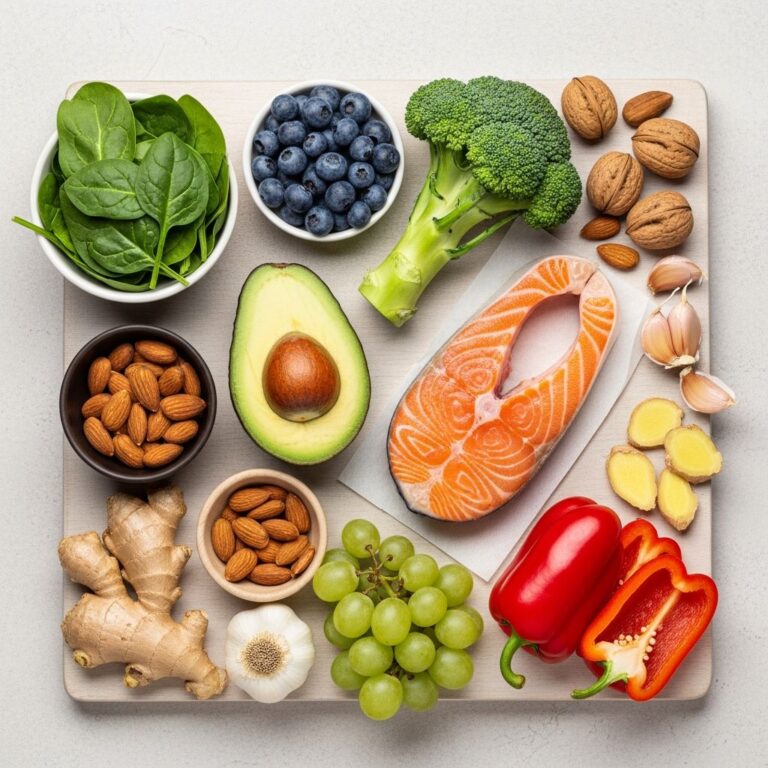
Secret 4: Prioritize Colorful Produce Daily
Fill half your plate with
fruits and vegetables
for fiber, vitamins, and satiety. NHS Eatwell Guide recommends at least 5 portions daily: one apple, a handful of berries, or 3 tablespoons of veggies count as one.Related Stories



Choose vibrant options over starchy ones like potatoes. Add beans for protein. Mayo Clinic suggests starting meals with veggies to crowd out cravings, keeping you full longer on fewer calories.
- Breakfast: Berries on yogurt.
- Lunch: Salad base.
- Dinner: Half-plate steamed veggies.
Secret 5: Choose Whole Grains for Sustained Energy
Make half your grains
whole grains
like oats, brown rice, or quinoa to boost fiber and lower cholesterol. AHA notes whole grains improve heart health and steady blood sugar, curbing sweet cravings.Swap refined carbs: corn tortillas over white, pre-cooked brown rice for convenience. WebMD advises this for the Eat What You Love plan.
Secret 6: Opt for Lean Proteins and Seafood
Incorporate
lean meats, skinless poultry, and fish
twice weekly. NHS stresses unsaturated fats and limiting red/processed meats like bacon. Aim for beans, eggs, or pulses for plant-based options.Fish provides omega-3s for heart health. AHA supports this balanced protein approach.
Secret 7: Select Low-Fat Dairy and Alternatives
Choose
low-fat or nonfat dairy
for calcium without excess fat. Soya drinks or yogurt fit vegan needs. Pair with fruit for satisfying snacks.Secret 8: Savor Sweets and Treats in Moderation
No food is off-limits—enjoy cake or chocolate if it truly satisfies. The key is moderation: one small piece after a balanced meal prevents spikes. Mayo Clinic’s mindful chocolate exercise builds this skill.
Secret 9: Make Exercise Joyful, Not a Chore
View activity as
stress relief
, not punishment. Walks, dancing, or yoga count. Regular movement amplifies mindful eating results, per expert reviews.Secret 10: Build a Balanced, Sustainable Lifestyle
Cook at home, read labels, and hydrate. NHS Eatwell Guide: base meals on starchy foods, limit fats/sugars. This holistic approach fosters lifelong habits without meetings or packaged foods.
Sample Daily Meal Plan
| Meal | Foods | Portions |
|---|---|---|
| Breakfast | Oatmeal with berries & low-fat yogurt | Fist grains, fist fruit |
| Lunch | Grilled chicken salad w/ vinaigrette | Palm protein, two fists veggies |
| Snack | Apple & handful nuts | One fruit, thumb fats |
| Dinner | Baked salmon, quinoa, broccoli | Palm fish, fist grain, fist veggie |
| Dessert | Small chocolate square | Mindfully savored |
Total: Balanced, enjoyable, ~1,800 calories for average adult, adjustable.
Health Benefits and Evidence
This diet suits vegetarians, vegans, gluten-free, or those with conditions like diabetes/hypertension by customizing guidelines. Evidence from mindful eating studies shows improved weight control. AHA and NHS endorse plate-balancing for heart health and nutrition.
Frequently Asked Questions (FAQs)
Q: Can I really eat chocolate on this diet?
A: Yes, in moderation after balanced meals. Savor mindfully to satisfy with less.
Q: How does it handle dietary restrictions?
A: Easily—adapt to vegan, low-salt, or gluten-free while focusing on mindful habits.
Q: Is exercise required?
A: Recommended as joyful activity, not rigid workouts, for best results.
Q: Will I lose weight?
A: Yes, through intuitive eating; evidence supports mindful approaches for sustainable loss.
Q: What’s the cost?
A: Just groceries—no programs or products needed.
Adopt these secrets for a freer relationship with food. Consistency yields results without yo-yo cycles.
References
- Eat What You Love, Love What You Eat Diet Review — WebMD. 2023-10-15. https://www.webmd.com/diet/eat-what-you-love-diet
- Eat What You Love and Still Lose Weight — Mayo Clinic Diet. 2022-05-12. https://diet.mayoclinic.org/us/blog/2022/eat-what-you-love-and-still-lose-weight/
- Your Guide to Healthy Eating Habits That Stick — American Heart Association. 2024-03-20. https://www.heart.org/en/healthy-living/healthy-eating/eat-smart/nutrition-basics/your-guide-to-healthy-eating-habits-that-stick
- Eating a Balanced Diet — NHS UK. 2023-11-08. https://www.nhs.uk/live-well/eat-well/how-to-eat-a-balanced-diet/eating-a-balanced-diet/
- The Eatwell Guide — NHS YouTube (official). 2020-07-01. https://www.youtube.com/watch?v=m4f7mZug_s4
Similar Articles








Read full bio of medha deb