10 Small Steps For Better Heart Health: Science-Backed Tips
Simple daily habits that transform your cardiovascular health and add years to your life.
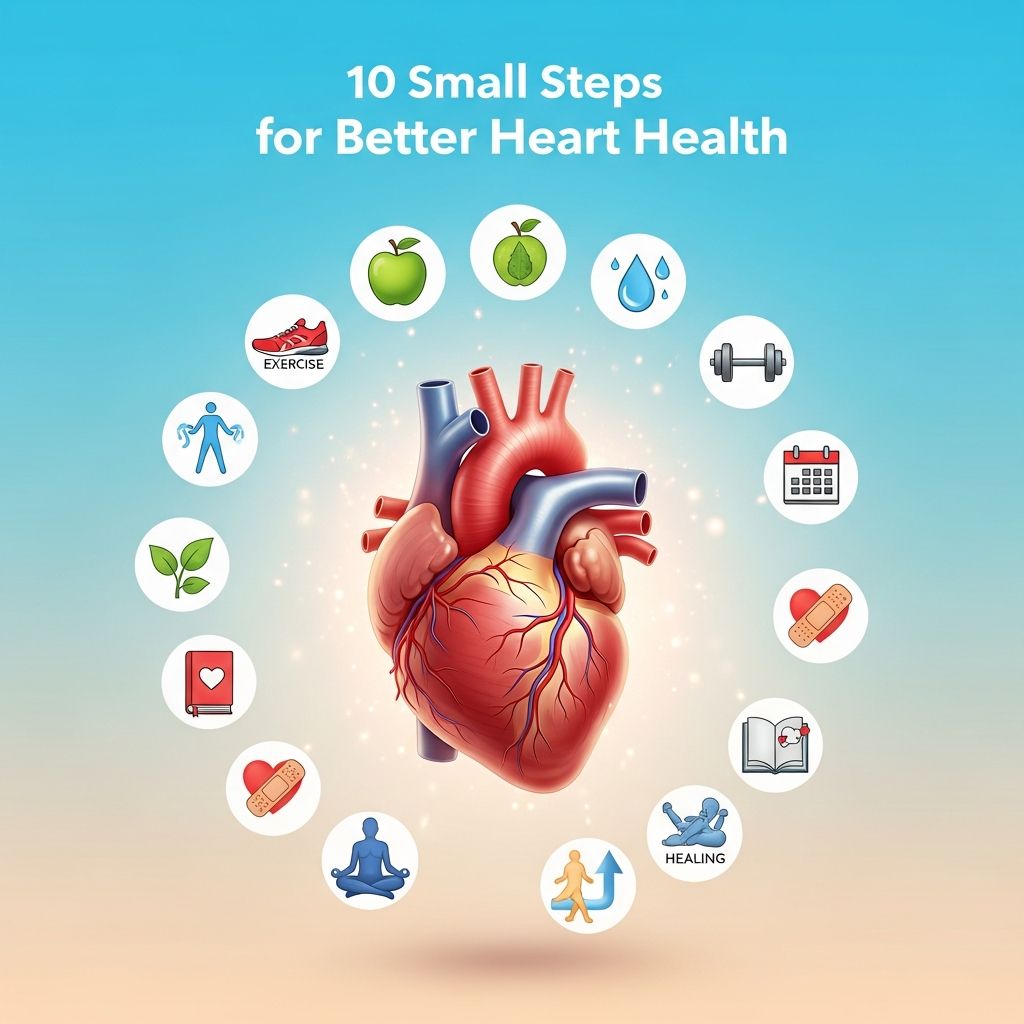
Heart disease remains one of the leading causes of death globally, yet many cases are preventable through lifestyle modifications. The good news is that improving your cardiovascular health doesn’t require dramatic overhauls or extreme measures. Instead, small, consistent steps can lead to significant improvements in your heart function and overall well-being. Harvard Health research demonstrates that incremental changes in daily habits accumulate into meaningful health benefits over time.
Why Heart Health Matters
Your heart is the engine of your body, pumping blood and oxygen to every cell. When cardiovascular health deteriorates, it increases your risk for heart attacks, strokes, and other serious conditions. The encouraging news is that you have considerable control over your heart’s health through lifestyle choices. Unlike some health conditions that are purely genetic, cardiovascular disease is largely preventable through consistent, evidence-based practices.
Taking small steps toward heart health is more sustainable than attempting sudden, drastic changes. This approach builds momentum, establishes lasting habits, and makes wellness an integrated part of your lifestyle rather than a temporary intervention.
Step 1: Take a 10-Minute Daily Walk
Walking is one of the most accessible and effective forms of cardiovascular exercise. You don’t need a gym membership or special equipment—just comfortable shoes and a willingness to move. A 10-minute walk each day can meaningfully improve your heart health.
Recent research indicates that adults who walk for longer periods, particularly walks exceeding 10 minutes, experience substantially lower risks of cardiovascular disease and premature death compared to those taking shorter walks. The key is consistency: regular movement trains your muscles to efficiently extract oxygen from your bloodstream, which reduces your resting heart rate and strengthens your cardiovascular system.
Start with 10 minutes and gradually increase your walking duration as your fitness improves. Even if you can only manage a brief walk, it’s still beneficial. The goal is to make walking a daily habit that you look forward to rather than a chore.
Step 2: Monitor Your Heart Rate Response
Traditional fitness metrics like step counts provide useful information, but they don’t tell the whole story about your cardiovascular health. Harvard research has introduced the concept of daily heart rate per step (DHRPS), which combines step counts with average heart rate measurements for a more comprehensive fitness assessment.
To calculate your DHRPS, divide your average daily heart rate by your average daily step count. For example, if your average heart rate is 80 beats per minute and you take 4,000 steps daily, your DHRPS would be 0.02. A lower DHRPS indicates that your heart works efficiently, requiring fewer beats to support your activity level. This metric can help you track whether your cardiovascular fitness is improving over time.
Related Stories



Rather than obsessing over reaching 10,000 steps, focus on how your heart responds to physical activity. A brisk walk that elevates your heart rate provides more cardiovascular benefit than a leisurely stroll, even if the step count is similar.
Step 3: Improve Your Diet with Additional Fruits and Vegetables
Nutrition plays a crucial role in heart health. While many people know they should eat fruits and vegetables, actually increasing consumption is often where habits falter. Rather than completely overhauling your diet, simply add one extra fruit or vegetable to your daily intake.
This approach is psychologically easier to implement and maintain than restrictive dieting. If you typically eat five servings of produce daily, aim for six. If you eat fewer, aim for one more than your current baseline. Fruits and vegetables contain fiber, potassium, antioxidants, and other compounds that support heart health and reduce inflammation.
Different colored produce offers different nutritional benefits. Red tomatoes and watermelons contain lycopene, orange and yellow vegetables provide beta-carotene, dark leafy greens offer folate and magnesium, and blue and purple produce contains anthocyanins. Variety ensures you receive a broader spectrum of heart-protective nutrients.
Step 4: Reduce Sodium Intake
High sodium consumption contributes to elevated blood pressure, a major risk factor for heart disease. While you can’t eliminate salt entirely—and your body needs some sodium for proper function—most people consume far more than necessary.
Reduce sodium by preparing more meals at home where you control salt levels, choosing lower-sodium versions of packaged foods, and limiting processed meats, canned soups, and restaurant meals, which tend to be sodium-rich. Read nutrition labels and aim for less than 2,300 mg of sodium per day, or ideally under 1,500 mg for optimal heart health.
Step 5: Limit Alcohol Consumption
While moderate alcohol consumption may have some cardiovascular benefits, excessive drinking significantly increases heart disease risk and can lead to irregular heartbeats, high blood pressure, and cardiomyopathy. If you drink alcohol, do so moderately—no more than one drink daily for women and two for men.
Many people underestimate their alcohol intake. Be honest about your consumption, and consider consulting your healthcare provider about what’s appropriate for your individual circumstances. Non-drinkers should not start drinking for health reasons, as other lifestyle modifications provide more reliable benefits.
Step 6: Manage Stress Effectively
Chronic stress negatively impacts heart health by increasing blood pressure, promoting inflammation, and contributing to unhealthy coping behaviors. Developing stress management techniques is therefore essential for cardiovascular wellness.
Effective stress management strategies include meditation, deep breathing exercises, yoga, spending time in nature, engaging in hobbies, and maintaining social connections. Even five minutes of daily stress-relief practice can make a difference. Identify which techniques resonate with you and incorporate them into your routine consistently.
Step 7: Prioritize Quality Sleep
Poor sleep quality and insufficient sleep duration increase the risk of cardiovascular disease, high blood pressure, and irregular heartbeats. Adults should aim for seven to nine hours of quality sleep nightly. Sleep deprivation activates stress hormones and prevents your cardiovascular system from properly recovering.
Establish a consistent sleep schedule by going to bed and waking up at the same time daily. Create a sleep-friendly environment by keeping your bedroom cool, dark, and quiet. Limit screen time before bed, as blue light can interfere with melatonin production. Avoid caffeine late in the day and exercise regularly, which promotes better sleep quality.
Step 8: Quit Smoking
Smoking is one of the most damaging behaviors for heart health. Tobacco smoke damages blood vessel walls, promotes blood clots, and increases blood pressure and heart rate. Quitting smoking is perhaps the single most impactful change a smoker can make for their cardiovascular health.
The benefits of quitting begin immediately. Within hours, your blood pressure and heart rate begin normalizing. Within weeks, your circulation improves and your lungs begin healing. Within a year, your heart disease risk drops by 50 percent. Talk to your healthcare provider about smoking cessation options, which may include counseling, medications, or nicotine replacement therapy.
Step 9: Maintain a Healthy Weight
Excess weight, particularly around the abdomen, stresses your heart and increases cardiovascular disease risk. A healthy weight reduces strain on your heart and improves blood pressure, cholesterol levels, and blood sugar control. Weight management isn’t about achieving a particular number on the scale but rather about reaching a weight where you feel strong and energetic.
Combine regular physical activity with balanced nutrition to achieve gradual, sustainable weight loss. Even a five to ten percent reduction in body weight can meaningfully improve cardiovascular health markers. Focus on building healthy habits rather than pursuing quick fixes that rarely lead to lasting results.
Step 10: Schedule Regular Health Checkups
Regular health screenings help identify and manage risk factors for heart disease before they become serious. Your healthcare provider can measure your blood pressure, cholesterol levels, and blood sugar, and assess your overall cardiovascular risk profile.
Know your numbers: target blood pressure is less than 120/80 mm Hg, total cholesterol should be under 200 mg/dL, and fasting blood sugar should be less than 100 mg/dL. Discuss with your doctor how frequently you should have checkups based on your age, family history, and existing health conditions.
Additional Practical Tips for Daily Implementation
Small changes in your daily routine can accumulate into significant cardiovascular benefits. Take the stairs instead of the elevator, park farther away to add extra walking steps, get off public transportation one stop earlier and walk the remaining distance, and stand while watching television or working instead of sitting continuously.
These micro-movements throughout the day contribute to your overall activity level and help maintain a healthier heart rate. Consistency matters more than intensity—steady, daily activity trumps occasional intense workouts.
Understanding the Science Behind These Steps
The cardiovascular benefits from these steps stem from how they work together. Regular walking strengthens your heart muscle, improves circulation, and reduces resting heart rate. A nutritious diet lowers cholesterol and blood pressure. Stress management prevents stress-hormone surges that damage blood vessels. Quality sleep allows your cardiovascular system to recover and regulate properly.
When combined, these steps create a synergistic effect greater than any single intervention alone. This is why comprehensive lifestyle modification proves more effective than isolated changes.
Tracking Your Progress
Monitor your improvements through wearable devices that track steps, heart rate, and activity patterns. Many smartphones and smartwatches can measure these metrics and provide valuable feedback about your cardiovascular fitness. Tracking DHRPS or daily activity combined with other health measures may prompt positive behavioral changes that further improve your health.
While science hasn’t definitively proven that lowering DHRPS directly improves health outcomes, behaviors supporting lower DHRPS—walking more, maintaining efficient heart rate response, and exercising consistently—are well-established as life-extending and health-improving practices.
Frequently Asked Questions
Q: How quickly will I see improvements in my heart health?
A: Some improvements begin immediately. Within days of increased physical activity, your resting heart rate may decrease. Within weeks, your energy levels typically improve. Significant improvements in cholesterol and blood pressure usually appear within 2-3 months of consistent lifestyle changes.
Q: Is 10,000 steps daily really necessary?
A: No. Research shows that 4,000 to 7,000 steps per day provides substantial health benefits. The key is consistency and intensity, not achieving a specific step count. A brisk 20-minute walk provides more cardiovascular benefit than slowly accumulating 10,000 steps.
Q: Can I improve my heart health if I have existing heart disease?
A: Yes, but consult your cardiologist before making significant changes. These steps, adapted to your specific condition and medications, can slow disease progression and improve your quality of life.
Q: What if I don’t have time for daily walks?
A: Start with 10 minutes—even that duration provides cardiovascular benefits. Build movement into existing routines: park farther away, take stairs, walk during lunch breaks, or exercise while watching television.
Q: How important is genetics in determining heart health?
A: While family history influences risk, lifestyle factors play a dominant role in most people. Even those with genetic predisposition significantly reduce their risk through these evidence-based steps.
Q: Should I use supplements for heart health?
A: Focus first on lifestyle changes, which provide proven benefits. Supplements cannot replace healthy eating, exercise, and stress management. Discuss any supplements with your healthcare provider, as some may interact with medications.
Conclusion: Small Steps, Big Impact
Heart health doesn’t result from perfection but from consistent, imperfect effort. These ten steps represent manageable changes that, implemented together, transform your cardiovascular health. Start with one or two steps that feel most achievable, establish them as habits, then gradually add others.
Remember that good health is not about how far you walk but how well your heart responds and handles the journey. Your cardiovascular system rewards consistency more than intensity. By taking small steps today, you invest in decades of healthier, more active years ahead.
References
- Beyond The 10,000 Step Myth: Harvard Study Reveals How Heart Rate And Steps Together Reveal The True Measures Of Fitness — Harvard Health Publishing / News18. 2025-04. https://www.news18.com/lifestyle/beyond-the-10000-step-myth-harvard-study-reveals-how-heart-rate-and-steps-together-reveal-the-true-measures-of-fitness
- Walking Duration and Cardiovascular Risk Reduction — Annals of Internal Medicine. 2025-10. https://www.acpjournals.org
- 10 Steps to Improve Heart Health from Harvard University — Selwyn Foundation. https://www.selwynfoundation.org.nz/informing/information-about-ageing/10-steps-to-improve-heart-health-from-harvard-university/
- Cardiovascular Disease Risk Factors and Prevention — Centers for Disease Control and Prevention (CDC). https://www.cdc.gov/heart-disease/
- Physical Activity Guidelines for Americans — U.S. Department of Health and Human Services. https://health.gov/our-work/physical-activity/physical-activity-guidelines
Similar Articles








Read full bio of Sneha Tete