10 Sneaky Signs You Could Be Constipated
Gut health doctor reveals 10 subtle signs of constipation beyond infrequent bowel movements that signal digestive trouble.

Constipation is more than just infrequent bowel movements. According to gut health experts, it affects up to 16% of adults worldwide, often presenting with subtle symptoms that go unnoticed. While classic signs like hard stools or straining are well-known, sneaky indicators like fatigue, bloating, and even skin problems can signal sluggish digestion. This article explores 10 lesser-known signs from a gut health doctor’s perspective, backed by medical insights, to help you recognize and address constipation early.
Understanding constipation starts with definitions from reliable sources. The NHS defines it as fewer than three bowel movements per week, hard or lumpy stools, straining, or a feeling of incomplete emptying. Guts UK adds needing manual maneuvers or pellet-like stools on over a quarter of occasions. These symptoms can stem from slow transit, normal transit issues, or outlet dysfunction, leading to water absorption that hardens stool.
What Is Constipation, Exactly?
Constipation occurs when bowel movements are infrequent or difficult to pass. Per the Bristol Stool Chart, types 1 or 2 (hard, lumpy pellets) indicate constipation. It can be acute or chronic, with chronic cases lasting over three months and involving two or more symptoms like bloating or incomplete evacuation. Causes include low fiber, dehydration, inactivity, medications, or conditions like IBS, diabetes, or Parkinson’s. Women may experience it more during menstrual cycles due to hormonal shifts.
Complications of untreated constipation include hemorrhoids, anal fissures, rectal prolapse, fecal impaction, and even bowel obstruction. Early recognition of sneaky signs prevents these issues.
1. You’re Bloated All the Time
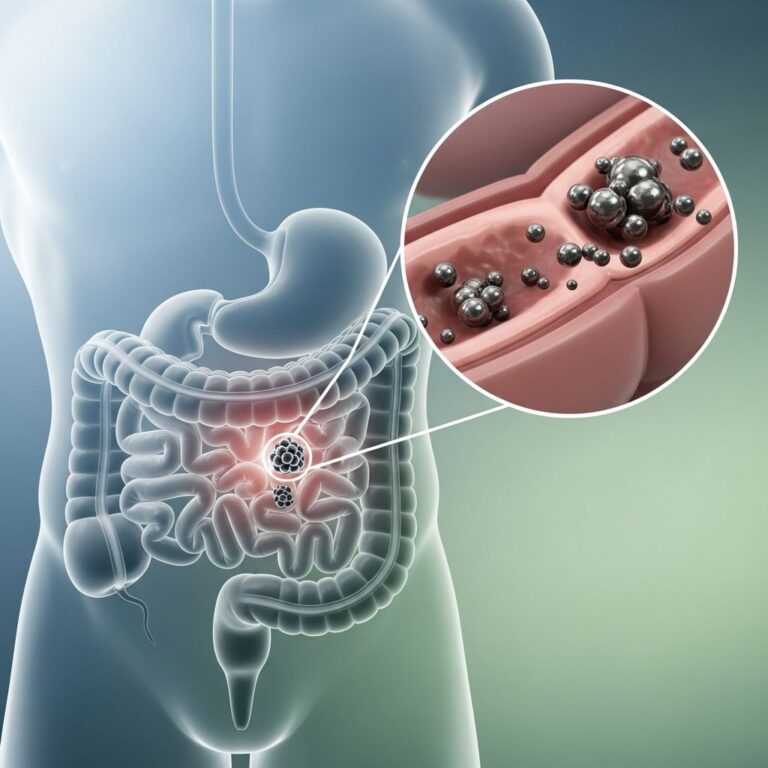
**Bloating is one of the most common sneaky signs of constipation.** A firm, bloated belly signals trapped stool and gas buildup in the intestines. As stool lingers, bacteria ferment it, producing excess gas that causes distension. Gut health doctors note this as ‘normal transit constipation,’ where bowels move but evacuation feels incomplete.
Studies show bloating affects 70% of constipated individuals. Relief comes from hydration, fiber-rich foods like prunes, and movement to stimulate peristalsis.
2. You Feel Fatigued or Sluggish
Toxins from undigested waste reabsorbed into the bloodstream via a ‘leaky gut’ from stagnation can cause widespread fatigue. This systemic effect mimics flu-like tiredness, often overlooked as constipation. The American Cancer Society links constipation to nausea and low energy due to backed-up digestion.
In chronic cases, nutrient malabsorption exacerbates lethargy. Aim for 25-30g daily fiber and probiotics to restore energy.
3. Your Stomach Hurts or Cramps
Abdominal cramps arise from irregular contractions trying to push hard stool. This ‘colicky’ pain, plus gas, signals obstruction-like pressure. Unlike IBS, constipation pain worsens with meals.
- Hard stool absorbs excess water, stretching intestinal walls.
- Straining aggravates cramps, risking fissures.
Related Stories



Magnesium supplements or osmotic laxatives can soften stool for relief.
4. You Have Frequent Bad Breath
Halitosis from constipation occurs as gut bacteria produce foul gases like hydrogen sulfide that travel upward. A toxic colon overloads the liver, leading to mouth odors unrelated to oral hygiene. Gut doctors call this ‘autointoxication,’ though debated, it’s noted in severe stasis.
Improve with tongue scraping, hydration, and fiber to flush toxins.
5. Your Skin Looks Dull or Breaks Out
Skin issues like acne or dullness stem from toxin recirculation, clogging pores. Constipation disrupts the gut-skin axis, where inflammation triggers breakouts. Hormonal imbalances from poor elimination worsen PMS-related skin woes.
Antioxidant-rich foods and psyllium husk aid detoxification for clearer skin.
6. You Get Frequent Headaches
Dehydration from constipation (as the body diverts water to soften stool) triggers headaches. Toxins and pressure on the vagus nerve linking gut-brain contribute to migraines.
Drink 8-10 glasses of water daily; herbal teas like peppermint soothe.
7. Your Appetite Is Off
A full colon presses on the stomach, suppressing hunger via nerve signals. Nausea or vomiting signals impaction. This ‘paradoxical diarrhea’ leaks liquid around hard stool.
Light walks post-meals stimulate appetite and motility.
8. You Notice Unexplained Weight Fluctuations
Retained stool adds pounds (up to 5-10 lbs in severe cases), mimicking weight gain. Conversely, poor absorption causes loss. Track bowel habits alongside scales.
9. You Strain or Feel Incomplete Emptying
Even with regular movements, straining or residue feeling indicates outlet dysfunction. Manual digitation or pelvic pressing is a red flag.
10. You Experience Anal Discomfort or Bleeding
Fissures, hemorrhoids, or prolapse from straining cause pain or blood. Seek care if persistent.
When to See a Doctor: Red Flags
Not all constipation is harmless. Consult a doctor for:
- Sudden changes over 6 weeks in those over 50.
- Blood in stool, anemia, weight loss.
- Severe pain, fever, vomiting, no gas passage.
- No movements >1 week.
- Family history of IBD or cancer.
These may signal obstruction, cancer, or infection.
How to Prevent and Relieve Constipation
| Lifestyle Change | Benefits | Examples |
|---|---|---|
| Increase Fiber | Softens stool, adds bulk | Oats, beans, fruits (25-30g/day) |
| Hydrate | Prevents hardening | 2-3L water daily |
| Exercise | Stimulates motility | 30min walks |
| Probiotics | Balances gut flora | Yogurt, kefir |
| Routine | Trains bowels | Same time daily |
Avoid holding urges; limit processed foods.
Frequently Asked Questions (FAQs)
Q: How often should you poop if you’re healthy?
A: 3 times a day to 3 times a week is normal; consistency matters more than frequency.
Q: Can constipation cause back pain?
A: Yes, via referred pressure or muscle strain from bloating.
Q: Are bananas good or bad for constipation?
A: Ripe ones help due to fiber; unripe worsen it.
Q: When is constipation an emergency?
A: With severe pain, vomiting, fever, or blood—seek immediate care.
Q: Do laxatives fix chronic constipation?
A: Short-term yes; address root causes like diet for long-term relief.
By tuning into these sneaky signs, you can maintain optimal gut health and avoid complications.
References
- Constipation | Causes, Symptoms, Treatment and Support — Guts UK. 2023. https://gutscharity.org.uk/advice-and-information/symptoms/constipation/
- Constipation — NHS. 2023-10-23. https://www.nhs.uk/conditions/constipation/
- What are the warning signs if you have constipation? — Hospital Clínic de Barcelona. 2022. https://www.clinicbarcelona.org/en/news/what-are-the-warning-signs-if-you-have-constipation
- What Is Constipation? — American Cancer Society. 2024. https://www.cancer.org/cancer/managing-cancer/side-effects/stool-or-urine-changes/constipation.html
- Constipation Danger Signs – When to See a Doctor — Bergen Medical Associates. 2023. https://www.bergenmed.com/constipation-danger-signs-when-to-see-a-doctor/
- Constipation: Top Causes, Warning Signs & How to Treat It — GI Partners of Illinois. 2024. https://gipartnersofil.com/treatment/constipation/
Similar Articles








Read full bio of Sneha Tete