10 Subtle Early Signs of Parkinson’s Disease
Discover the 10 most common early indicators of Parkinson's disease that often appear years before major motor symptoms, helping you recognize changes early for better outcomes.
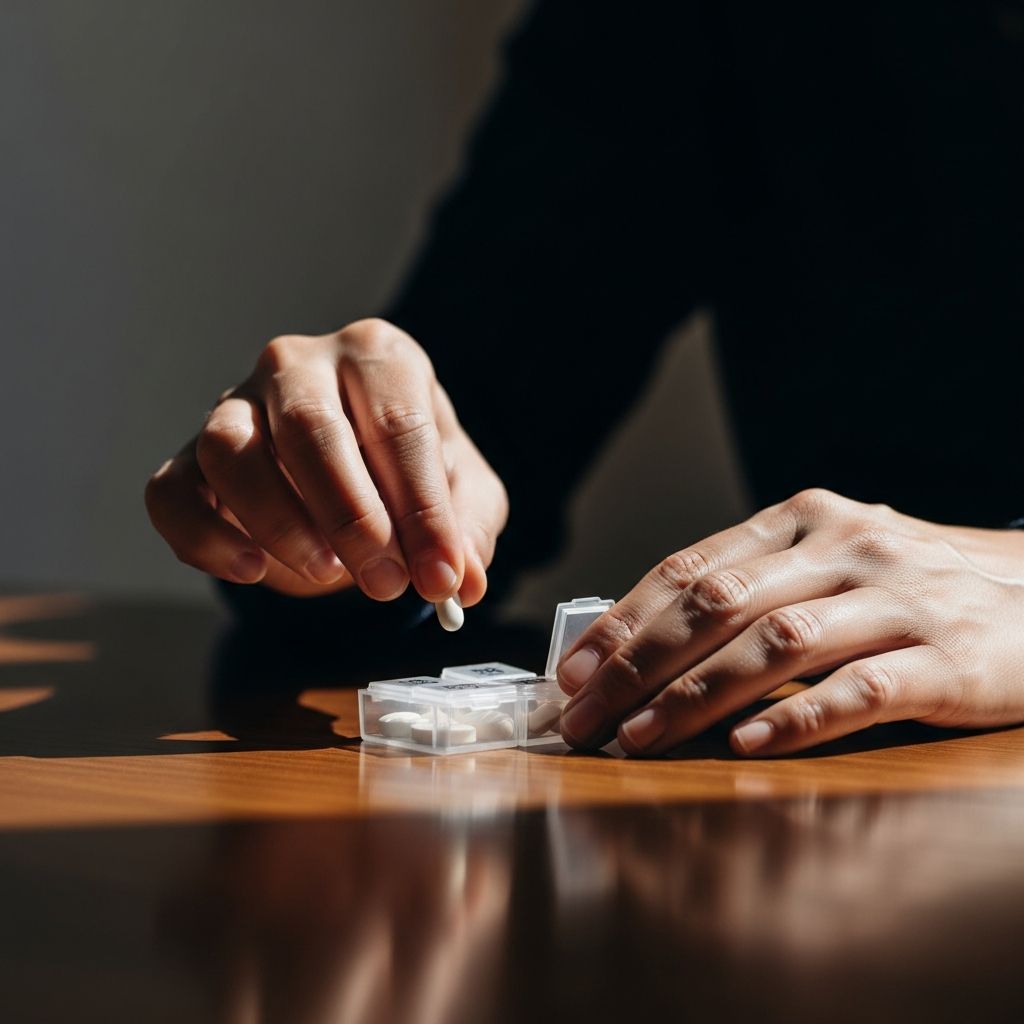
Parkinson’s disease (PD) is a progressive neurological disorder that primarily affects movement, but its initial indicators often emerge quietly, sometimes years before classic shaking or stiffness becomes evident. Recognizing these early signs can lead to earlier diagnosis and intervention, potentially slowing progression and enhancing quality of life. This article details 10 key early symptoms drawn from medical consensus, distinguishing them from typical aging processes, and offers practical advice on monitoring and seeking help.
Understanding Parkinson’s: A Progressive Brain Condition
Parkinson’s arises from the loss of dopamine-producing cells in the substantia nigra, a brain region controlling movement and coordination. While motor symptoms like tremors dominate later stages, non-motor signs frequently precede them by a decade or more. According to experts, up to 90% of individuals experience olfactory changes or sleep disruptions long before physical limitations appear. Early detection relies on awareness of these subtle shifts, as no single symptom confirms PD but combinations warrant evaluation.
Key Early Motor Symptoms to Watch For
Motor signs typically start asymmetrically, affecting one side of the body first. They stem from dopamine deficiency, leading to slowed actions and involuntary movements. Here’s a breakdown of prominent ones:
- Resting Tremor: A rhythmic shaking in the hand, thumb, finger, foot, or jaw that occurs at rest and diminishes during purposeful activity, such as holding an object. Often described as a ‘pill-rolling’ motion where thumb and fingers rub together. Unlike stress-induced shakes, it persists without clear triggers.
- Bradykinesia (Slowed Movement): Reduced speed and amplitude in movements, making tasks like buttoning shirts or rising from chairs laborious. It often begins unilaterally, with one arm swinging less while walking.
- Micrographia (Small Handwriting): Writing that progressively shrinks and crowds, requiring more pages for the same content. This reflects fine motor control loss and can appear before overt tremors.
- Rigidity and Stiffness: Muscle tension causing resistance to passive movement, often in limbs or neck, leading to aches or a ‘cogwheel’ feel during examination. Shoulders or hips may hurt first.
These symptoms improve with levodopa, a dopamine precursor, supporting a PD diagnosis in responsive cases.
Non-Motor Symptoms: Often the First Clues
Non-motor issues affect autonomic functions, senses, and cognition, emerging earliest. They impact daily life subtly but cumulatively signal underlying neurodegeneration.
- Anosmia (Loss of Smell): Diminished ability to detect odors like fruits, spices, or smoke, sometimes years prior to motor onset. Up to 90% of PD patients experience this, unlike temporary losses from colds.
- Constipation: Chronic difficulty passing stool due to slowed gut motility, predating other symptoms by years. Dietary fiber helps differentiate from lifestyle causes.
- Sleep Disturbances, Especially REM Behavior Disorder (RBD): Vivid dreams acted out physically, such as punching or shouting during sleep, because the brain fails to paralyze muscles normally. This affects 30-50% of PD cases early.
Less Obvious Physical and Behavioral Changes
Other indicators alter appearance, voice, and posture, often noticed by others first.
- Masked Face (Hypomimia): Reduced blinking and facial expressions, creating a blank or serious look. Emotions remain intact internally but aren’t conveyed.
- Hypophonia (Soft or Low Voice): Speech becomes quieter, monotone, or hesitant, prompting others to ask for repetition. It trails motor signs but signals vocal cord rigidity.
- Postural Instability and Gait Changes: Subtle stooping, reduced arm swing, or ‘freezing’ where feet stick briefly. Early dragging of one foot may mimic fatigue.
How These Signs Differ from Normal Aging
Aging brings mild tremors, slower gait, or occasional constipation, but PD symptoms progress asymmetrically, persist, and combine uniquely. For instance, age-related shakes occur with action, not rest, and handwriting doesn’t cramp progressively. A table clarifies distinctions:
Related Stories



| Symptom | Normal Aging | Parkinson’s Early Sign |
|---|---|---|
| Tremor | Postural/action tremor, symmetric | Resting, asymmetric, pill-rolling |
| Movement Speed | General slowing, symmetric | Asymmetric bradykinesia, worsening |
| Smell Loss | Rare, sudden (e.g., infection) | Gradual anosmia years early |
| Sleep Issues | Insomnia, no acting out | RBD with physical dream enactment |
| Voice | Mild weakening | Soft, monotone, progressive |
Consult a doctor if two or more signs cluster, especially asymmetrically or with family history.
Risk Factors and Who Should Screen
PD affects over 1 million Americans, with incidence rising after 60, though younger cases occur. Men are 1.5 times more likely affected. Genetics play a role in 10-15% (e.g., LRRK2 mutations), but most cases are idiopathic. Environmental exposures like pesticides increase risk. Routine screening isn’t standard, but those with essential tremor family history or RBD should monitor closely.
Diagnostic Approaches and Next Steps
No single test exists; diagnosis is clinical, based on history, exam (e.g., DaTscan for dopamine loss), and response to medication. Neurologists assess asymmetry, rest tremor, and bradykinesia using UK Parkinson’s Disease Society criteria. Early MRI rules out mimics like stroke. If suspected, track symptoms in a journal: note onset side, triggers, duration.
- Start with primary care for referral.
- Movement disorder specialists confirm via trial levodopa.
- Baseline assessments aid tracking.
Lifestyle Strategies for Early Management
While incurable, early PD responds well to exercise (e.g., boxing, cycling boosts neuroplasticity), Mediterranean diet, and stress reduction. Physical therapy counters rigidity; speech therapy aids voice. Medications like levodopa or MAO-B inhibitors start low-dose. Support groups via Parkinson’s Foundation provide resources.
FAQs on Early Parkinson’s Signs
Can Parkinson’s symptoms come and go?
Early signs are usually persistent but subtle, fluctuating less than later ‘off’ periods.
Is loss of smell always Parkinson’s?
No, but combined with others, it’s suggestive; allergies or sinusitis are common alternatives.
How soon after early signs do tremors start?
Non-motor signs precede motor by 5-20 years in many.
Does everyone with Parkinson’s get tremors?
No, 25% lack them; bradykinesia is universal.
Can exercise prevent progression?
High-intensity aerobic activity slows decline per studies.
Empowering Yourself and Loved Ones
Early vigilance transforms PD from a stealthy foe to a manageable condition. Track changes objectively, avoid self-diagnosis, and partner with healthcare pros. Caregivers: note observations gently. Resources like the Parkinson’s Foundation hotline offer guidance. With prompt action, many thrive for decades post-diagnosis.
References
- Early Signs of Parkinson’s Disease — Mass General Brigham. 2023-10-12. https://www.massgeneralbrigham.org/en/about/newsroom/articles/early-signs-parkinsons-disease
- Parkinson’s disease – Symptoms — NHS. 2024-05-15. https://www.nhs.uk/conditions/parkinsons-disease/symptoms/
- 10 Early Signs of Parkinson’s Disease You Shouldn’t Ignore — South Miami Neurology. 2023-08-20. https://southmiamineurology.net/10-early-signs-of-parkinsons-disease-you-shouldnt-ignore/
- 10 Early Signs — Parkinson’s Foundation. 2024-02-01. https://www.parkinson.org/understanding-parkinsons/10-early-signs
- AARP: 8 Early Warning Signs of Parkinson’s Disease — Cedars-Sinai. 2023-11-05. https://www.cedars-sinai.org/newsroom/aarp-8-early-warning-signs-of-parkinsons-disease/
- Parkinson’s disease – Symptoms and causes — Mayo Clinic. 2024-01-18. https://www.mayoclinic.org/diseases-conditions/parkinsons-disease/symptoms-causes/syc-20376055
Similar Articles








Read full bio of Sneha Tete