10 Superfoods to Boost Your Healthy Diet
Discover nutrient-dense superfoods that can enhance your diet and support long-term wellness.
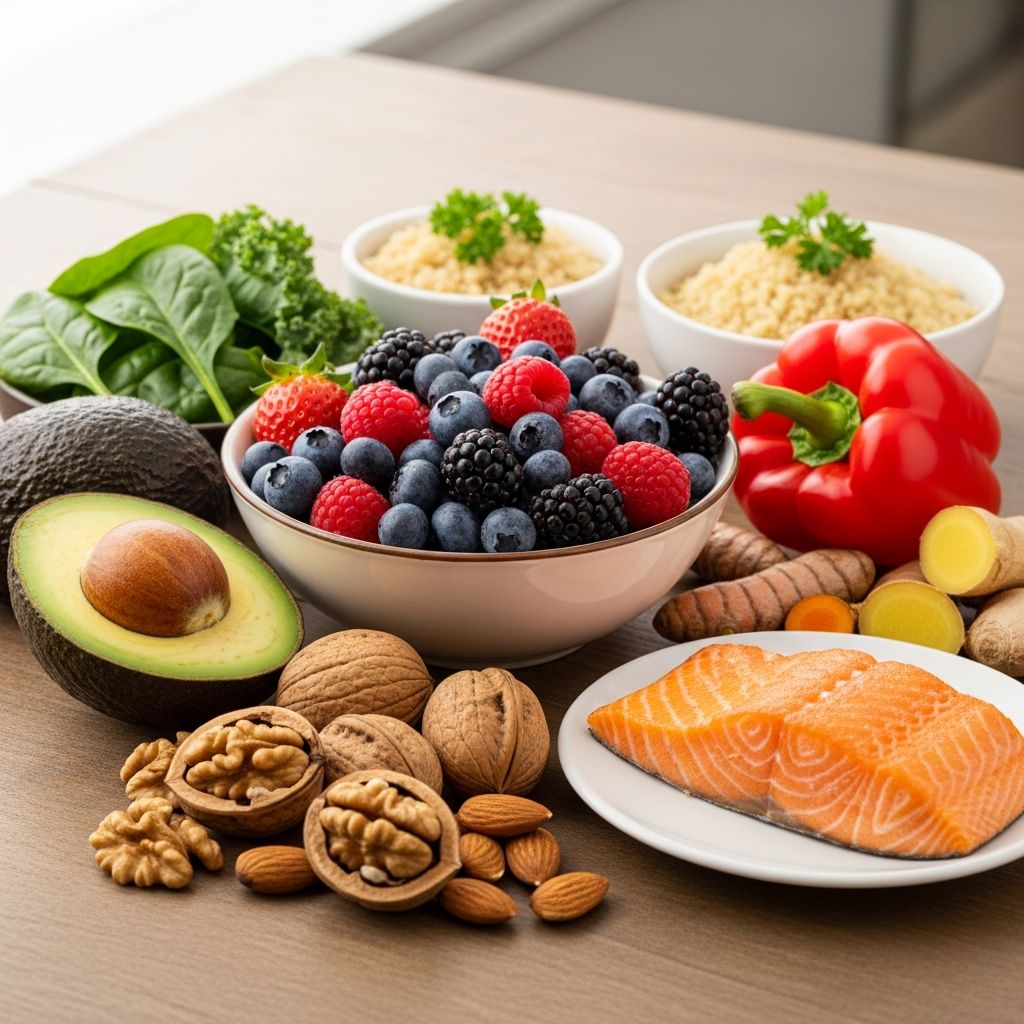
10 Superfoods to Boost a Healthy Diet
The concept of “superfoods” has captured the imagination of health-conscious consumers worldwide. These nutrient-dense foods are promoted as nutritional powerhouses capable of providing exceptional health benefits, disease prevention, and even healing properties. However, understanding what truly constitutes a superfood and how to incorporate them into your diet requires moving beyond marketing hype and focusing on science-backed nutrition.
What Defines a Superfood?
A superfood is generally defined as a food that offers high levels of desirable nutrients, is linked to the prevention of disease, or is believed to provide several simultaneous health benefits beyond its basic nutritional value. While there is no officially regulated scientific definition, Merriam-Webster Dictionary describes superfoods as foods such as salmon, broccoli, or blueberries that are rich in compounds including antioxidants, fiber, or fatty acids considered beneficial to health.
The term gained significant popularity when the American Medical Association endorsed bananas as a dietary solution for celiac disease and diabetes, though we now understand that gluten, not insufficient banana consumption, was the actual culprit. Today, approximately 80% of consumers view food as medicine and deliberately eat specific foods to prevent health conditions like obesity, diabetes, hypertension, and high cholesterol.
Key Superfoods for Optimal Health
1. Leafy Green Vegetables
Leafy green vegetables such as spinach, kale, Swiss chard, and lettuce stand among the most nutritionally dense foods available. Research from the Harvard-based Nurses’ Health Study involving nearly 110,000 men and women demonstrated that green leafy vegetables were most strongly associated with decreased cardiovascular disease risk. These vegetables are low in calories but extraordinarily high in vitamins, minerals, and phytonutrients that protect cellular health and reduce inflammation throughout the body.
2. Cruciferous Vegetables
Broccoli, cauliflower, cabbage, Brussels sprouts, and bok choy comprise the cruciferous vegetable family, known for their powerful sulfur-containing compounds. A meta-analysis of cohort studies following 469,551 participants found that higher intake of fruits and vegetables is associated with a reduced risk of death from cardiovascular disease, with an average reduction of 4% for each additional serving consumed daily. Cruciferous vegetables also contain indoles and isothiocyanates, compounds that may help regulate hormone metabolism and support detoxification processes.
3. Berries and Colorful Fruits
Blueberries, strawberries, raspberries, and other berries are rich in anthocyanins and other antioxidants. Research shows that greater consumption of whole fruits, especially blueberries, grapes, and apples, is associated with lower risk of type 2 diabetes. Additionally, studies following 90,476 premenopausal women over 22 years found that those consuming the most fruit during adolescence had a 25% lower risk of developing breast cancer. Berries offer exceptional nutritional value while remaining relatively low in sugar compared to other fruits.
4. Fatty Fish
Salmon, mackerel, sardines, and other fatty fish provide omega-3 fatty acids, particularly EPA and DHA, which support cardiovascular and brain health. These essential fats help reduce inflammation, lower triglycerides, and support cognitive function. Fish is also an excellent source of high-quality protein and contains vitamin D, selenium, and B vitamins crucial for energy metabolism and nervous system function.
5. Legumes and Pulses
Beans, lentils, chickpeas, and other legumes are nutritional powerhouses packed with fiber, plant-based protein, and essential micronutrients. Fiber from legumes promotes satiety, stabilizes blood sugar levels, and supports healthy digestion and gut microbiota. A study of over 2,300 Finnish men showed that vegetables and fruits, especially berries, may reduce the risk of type 2 diabetes. Legumes are also among the most affordable and sustainable protein sources available.
6. Whole Grains
Quinoa, oats, barley, and other whole grains retain their bran and germ, preserving fiber, B vitamins, and minerals removed during processing. Whole grains have consistent links to improved heart health, better weight management, and reduced type 2 diabetes risk. Their complex carbohydrates provide sustained energy and support healthy blood sugar regulation without the blood sugar spikes associated with refined grains.
7. Seeds and Nuts
Chia seeds, flax seeds, almonds, and walnuts are concentrated sources of healthy fats, fiber, and plant-based protein. Chia seeds contain omega-3 fatty acids and soluble fiber that absorb liquid in the digestive tract, promoting digestive health and satiety. Nuts provide vitamin E, magnesium, and polyphenols with antioxidant and anti-inflammatory properties. A handful of nuts daily can contribute significantly to meeting nutritional requirements without excessive calories.
8. Avocados
Avocados are rich in monounsaturated fats, potassium, and glutathione, a powerful antioxidant supporting liver health. The fat in avocados enhances absorption of fat-soluble vitamins from other foods consumed simultaneously. While calorie-dense, avocados promote satiety and support healthy weight management when incorporated into a balanced diet.
9. Cruciferous and Citrus Combinations
Citrus fruits including oranges, lemons, limes, and grapefruit provide vitamin C, flavonoids, and limonoids with immune-supporting and anti-inflammatory properties. Combining citrus fruits with cruciferous vegetables creates synergistic nutritional benefits, as vitamin C enhances the bioavailability of compounds in vegetables and supports immune function.
10. Spices and Flavorful Herbs
Turmeric, ginger, garlic, and other spices deliver concentrated doses of beneficial compounds. Curcumin in turmeric has anti-inflammatory properties, while gingerol in ginger supports digestive health. These flavor-rich additions allow for nutrient-dense meals without excessive sodium or sugar, making healthy eating more enjoyable and sustainable.
Understanding the Science Behind Superfoods
Antioxidants and Free Radicals
Antioxidants are molecules that help reduce damaging free radicals in the body. The USDA previously highlighted foods with high ORAC (Oxygen Radical Absorbance Capacity) scores, including cocoa, berries, spices, and legumes. However, the agency later retracted this information after determining that antioxidants have many functions beyond free radical neutralization. Despite this scientific revision, blueberry production in the United States doubled from 1998-2006 and continues increasing annually.
The Importance of Balanced Nutrition
While individual superfoods offer significant nutritional benefits, research demonstrates that a balanced diet incorporating diverse whole foods provides more stable and comprehensive nutrition than any single superfood. Scientifically, there is a lack of pathway studies supporting the disease-prevention claims made about many superfoods, and human studies comparing superfoods to balanced diets are also limited.
Nutritional Benefits Overview
| Superfood Category | Key Nutrients | Primary Health Benefits |
|---|---|---|
| Leafy Greens | Vitamins K, A, C; Folate; Iron; Calcium | Heart health, bone strength, disease prevention |
| Cruciferous Vegetables | Sulforaphane; Indoles; Vitamin C | Detoxification, hormone balance, anti-inflammatory |
| Berries | Anthocyanins; Flavonoids; Fiber; Vitamin C | Brain health, diabetes prevention, cancer risk reduction |
| Fatty Fish | Omega-3 Fatty Acids; Protein; Vitamin D | Heart health, cognitive function, inflammation reduction |
| Legumes | Protein; Fiber; Iron; Folate | Blood sugar control, satiety, digestive health |
| Whole Grains | Fiber; B Vitamins; Minerals; Antioxidants | Weight management, heart health, blood sugar stability |
| Seeds & Nuts | Healthy Fats; Protein; Fiber; Vitamin E | Heart health, satiety, nutrient absorption |
| Spices & Herbs | Curcumin; Gingerol; Allicin; Polyphenols | Anti-inflammatory, immune support, digestion |
Health Benefits of Superfoods
Cardiovascular Health
A diet rich in vegetables and fruits can lower blood pressure, reduce the risk of heart disease and stroke, prevent some types of cancer, and lower risk of eye and digestive problems. Green leafy vegetables demonstrate particularly strong associations with cardiovascular protection, while cruciferous vegetables and citrus fruits also contribute significantly.
Weight Management
Eating non-starchy vegetables and fruits like apples, pears, and green leafy vegetables may promote weight loss through their low glycemic loads and high fiber content. Foods such as quinoa, lentils, and avocados are known for their fiber richness, providing satiety and promoting fullness, which naturally reduces overall calorie consumption.
Type 2 Diabetes Prevention
Research demonstrates that greater consumption of whole fruits is associated with lower type 2 diabetes risk, while fruit juice consumption shows opposite associations. The fiber and polyphenol content in whole fruits helps regulate blood sugar and improve insulin sensitivity.
Cancer Risk Reduction
The World Cancer Research Fund and American Institute for Cancer Research suggest that non-starchy vegetables and fruits probably protect against several cancer types, including those of the mouth, throat, voice box, esophagus, and stomach. Women who consumed higher intakes of apples, bananas, grapes, and corn during adolescence showed significantly reduced breast cancer risk in adulthood.
Building Your Super Plate
Rather than obsessing over individual superfoods, the most effective approach involves building a balanced plate incorporating diverse whole foods. A healthy plate should include:
- Half your plate filled with non-starchy vegetables in multiple colors
- One quarter of your plate with lean protein sources (fish, legumes, poultry, or tofu)
- One quarter of your plate with whole grains or starchy vegetables
- Healthy fats from nuts, seeds, avocados, or olive oil
- Fruits and herbs for flavor and additional nutrients
This approach ensures consistent intake of essential nutrients, phytonutrients, and beneficial compounds that work synergistically to support health and prevent disease.
Practical Tips for Incorporating Superfoods
Shopping Strategies
Shop the perimeter: Most whole foods are located around the store’s outer edges, while processed foods occupy the center aisles. Focus on fresh produce, fish, and minimally processed items. Buy seasonal: Seasonal produce offers peak nutrient density and better affordability. Purchase frozen options: Frozen vegetables and fruits retain nutrients and offer convenience without additives.
Preparation Methods
Cooking methods significantly affect nutrient retention. Steaming, roasting, and light sautéing preserve more nutrients than boiling. Raw consumption of some vegetables increases bioavailability of certain compounds, while light cooking improves absorption of fat-soluble vitamins like lycopene in tomatoes.
Meal Planning
Plan meals incorporating two to three different superfoods to ensure nutritional diversity. Batch-prepare grains, legumes, and roasted vegetables for easy weekday assembly. This approach reduces reliance on processed convenience foods while ensuring consistent superfood consumption.
Common Superfood Myths Debunked
Myth: One Superfood Can Cure Disease
Reality: No single food prevents or cures disease. Health results from consistent dietary patterns, physical activity, stress management, and sleep quality combined with healthy lifestyle choices.
Myth: Superfood Supplements Equal Whole Foods
Reality: Isolated compounds lack the synergistic benefits of whole foods. Supplements cannot replicate the complex nutrient interactions found in foods, and whole foods provide fiber, which most supplements lack.
Myth: Expensive Exotic Superfoods Outperform Common Foods
Reality: Humble foods like oats, beans, broccoli, and carrots offer exceptional nutritional value at fraction of exotic superfood costs. Price does not correlate with nutritional density.
Understanding Ultra-Processed Foods
While focusing on superfoods, it’s equally important to minimize ultra-processed foods. An evaluation of 9,317 U.S. participants found that higher intakes of ultra-processed foods were linked with greater consumption of refined carbohydrates, added sugars, and saturated fat, while intakes of fiber, zinc, potassium, and various vitamins decreased.
Frequently Asked Questions
Q: What is the definition of a superfood?
A: A superfood is a food offering high levels of desirable nutrients, linked to disease prevention, or believed to provide multiple simultaneous health benefits beyond basic nutritional value. However, no scientifically regulated definition officially exists.
Q: Are expensive superfoods worth the cost?
A: Not necessarily. Common foods like spinach, oats, beans, and berries offer exceptional nutritional value affordably. Focus on budget-friendly nutrient density rather than exotic trends.
Q: How many servings of fruits and vegetables should I eat daily?
A: Most health guidelines recommend at least five servings daily, with emphasis on variety and color. Research shows benefits continue increasing with consumption up to 8+ servings daily.
Q: Are frozen superfoods as nutritious as fresh?
A: Yes, frozen produce is often frozen at peak ripeness, retaining maximum nutrients. Freezing preserves nutrients without additives, making frozen options excellent choices when fresh produce is unavailable or unaffordable.
Q: Should I take superfood supplements instead of eating whole foods?
A: Whole foods provide superior nutrition compared to supplements because they contain fiber, water, and thousands of compounds working synergistically. Supplements cannot replicate these complex interactions.
Q: Which superfoods are best for weight loss?
A: Non-starchy vegetables, whole fruits, legumes, and fish provide high satiety with relatively low calories, making them excellent choices for weight management. Their fiber content promotes fullness while supporting metabolic health.
The Bottom Line
While the superfood label captures consumer imagination and drives marketing campaigns, true nutritional health emerges from consistent consumption of diverse whole foods within a balanced dietary pattern. The ten superfoods discussed—leafy greens, cruciferous vegetables, berries, fatty fish, legumes, whole grains, seeds, nuts, avocados, and spices—all offer exceptional nutritional value and health-promoting compounds supported by scientific research.
Rather than pursuing perfect superfoods or expensive trends, focus on building a “super plate” incorporating multiple food groups, emphasizing colorful produce, whole grains, lean proteins, and healthy fats. Combine consistent healthy eating with adequate physical activity, stress management, and quality sleep for comprehensive wellness. The most powerful superfood is one you’ll actually eat regularly, consistently incorporating into sustainable dietary patterns that support lifelong health.
Eating a balanced diet and leading a healthy lifestyle generates sustainable dietary patterns supporting disease prevention and long-term health benefits. Start today by incorporating one new superfood into this week’s meals, gradually building dietary diversity that transforms your nutrition and supports your wellness goals.
References
- Superfoods or Superhype? — Harvard T.H. Chan School of Public Health, The Nutrition Source. 2024. https://nutritionsource.hsph.harvard.edu/superfoods/
- Vegetables and Fruits — Harvard T.H. Chan School of Public Health, The Nutrition Source. 2024. https://nutritionsource.hsph.harvard.edu/what-should-you-eat/vegetables-and-fruits/
- What are superfoods and how healthy are they really? — Harvard T.H. Chan School of Public Health. 2018. https://www.f7.uni-bayreuth.de/pool/dokumente/18_Superfoods_Info_EN.pdf
- Processed Foods and Health — Harvard T.H. Chan School of Public Health, The Nutrition Source. 2024. https://nutritionsource.hsph.harvard.edu/processed-foods/
- The science behind superfoods: What makes them super? — Allied Academies. 2024. https://www.alliedacademies.org/articles/the-science-behind-superfoods-what-makes-them-super-30935.html
- Do Superfoods Really Exist? — News Medical. 2023. https://www.news-medical.net/health/Do-Superfoods-Really-Exist.aspx
Similar Articles






Read full bio of Sneha Tete