10 Surprising Foods You Should Be Refrigerating
Discover 10 unexpected foods that benefit from refrigeration to stay fresh, safe, and flavorful longer in your kitchen.
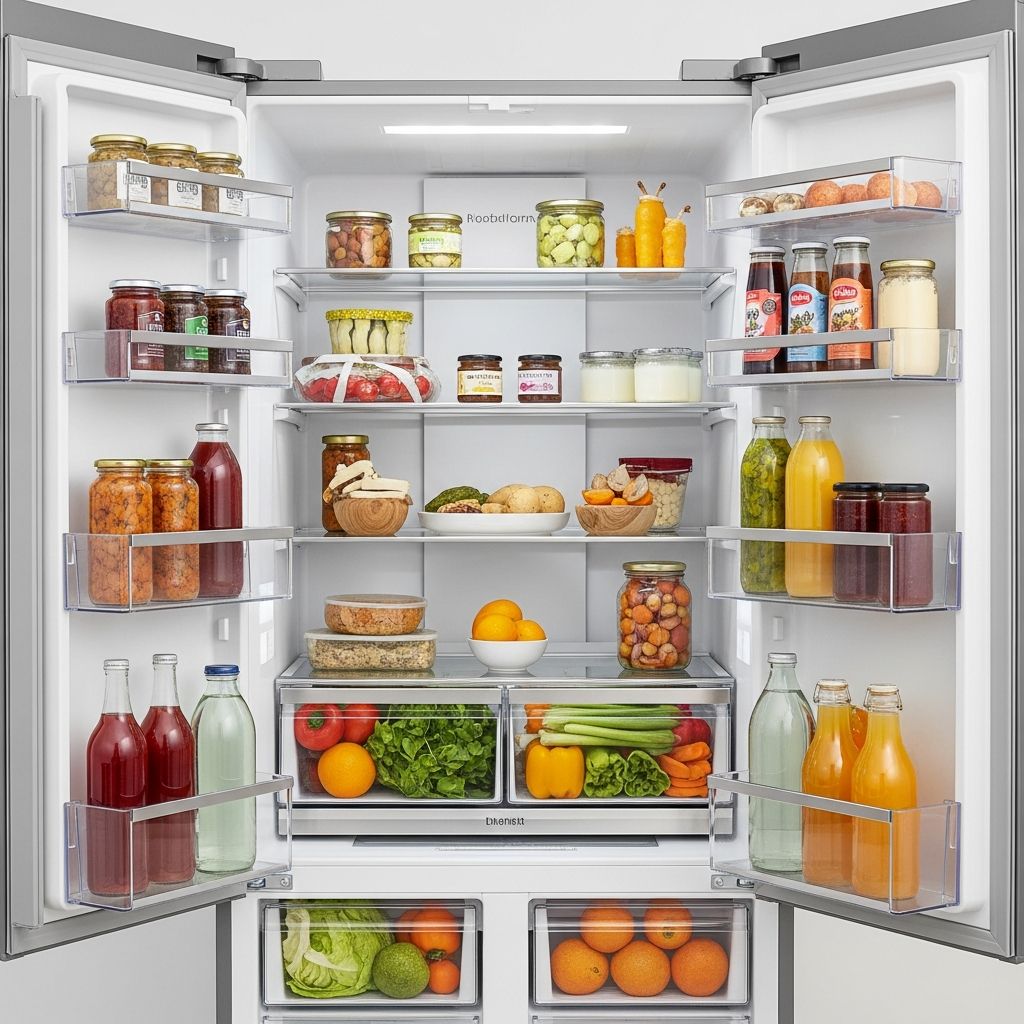
You likely know to refrigerate staples like milk, meat, and eggs to keep them safe. However, several less obvious foods also benefit from the chill of your fridge. Proper refrigeration slows bacterial growth, prevents mold, and preserves flavor and nutrients in these items. This guide covers
10 surprising foods
that should go in the refrigerator, drawing from reliable food safety recommendations to help you maximize freshness and minimize waste.Storing food correctly not only enhances taste but also reduces the risk of foodborne illness, especially for vulnerable groups like pregnant individuals, older adults, and those with weakened immune systems. Let’s explore each food in detail, including storage tips and shelf life.
1. Tortillas
Tortillas, whether flour or corn, are surprisingly prone to developing mold, especially in humid environments. Many packages include fine print advising refrigeration after opening, as room temperature accelerates spoilage.
- Store opened tortillas in the fridge to extend freshness for up to two weeks beyond the printed date, provided no spoilage signs like mold or off odors appear.
- Keep them in their original packaging or an airtight container to prevent drying out.
- For longer storage, freeze tortillas; they thaw quickly for tacos or wraps.
Refrigeration maintains the soft texture ideal for dishes like quesadillas, ensuring they don’t turn brittle or fuzzy prematurely.
2. Salami
Cured meats like salami undergo processing that reduces bacterial risk compared to uncooked meats, but they’re not entirely foolproof. Room temperature storage can still allow pathogens to multiply over time.
- Unopened salami lasts up to two weeks in the fridge.
- Once opened, consume within three to five days.
- High-risk individuals should reheat deli meats to 165°F (74°C) before eating.
The U.S. Department of Agriculture (USDA) emphasizes refrigeration for ready-to-eat meats to control Listeria and other bacteria. Slice and enjoy on charcuterie boards or sandwiches with confidence.
3. Ripe Bananas
Bananas ripen perfectly on the counter, but once ripe, they continue softening and sweetening rapidly at room temperature. Refrigeration halts this process effectively.
- Place ripe bananas in the fridge for up to three days; the peel may blacken, but the fruit inside remains firm and edible.
- Ideal for smoothies, baking, or eating chilled.
- Green bananas should stay out to ripen evenly.
This tip prevents waste, as overripe bananas can attract fruit flies and spoil other produce nearby.
4. Nuts
Nuts contain delicate unsaturated fats that oxidize quickly, leading to rancidity—a bitter, unpleasant flavor without health risks.
- Store in a sealed glass or plastic container in the fridge for four to six months.
- Almonds, walnuts, and pecans benefit most due to high oil content.
- Freezing extends life up to a year; toast after thawing for best taste.
The FDA notes that proper storage preserves nutritional value, including heart-healthy fats and antioxidants. Sprinkle on salads or yogurt for crunch that lasts.
5. Maple Syrup
Pure maple syrup, despite its thickness, has a finite shelf life outside the fridge due to natural sugars fermenting.
Related Stories



- Refrigerate after opening for up to one year.
- Check for mold; discard if present, as boiling won’t fully eliminate it.
- Use airtight containers to avoid crystallization.
Unlike imitation syrups heavy in corn syrup, real maple syrup requires chilling to retain its woody, caramel notes for pancakes and glazes.
6. Dried Fruit
Dried fruits like raisins, apricots, and cranberries have low moisture, but exposure to air and warmth promotes microbial growth and hardening.
- Keep in the main fridge compartment for up to six months.
- Store in resealable bags or jars to block humidity.
- Excellent for trail mix, baking, or snacking.
Refrigeration locks in chewiness and prevents clumping from moisture absorption.
7. Ketchup
While restaurants leave ketchup out, home storage differs due to smaller quantities and slower use. Its acidity inhibits bacteria, but cold preserves flavor best.
- Refrigerate for up to six months post-opening.
- Shake well; separation is normal and harmless.
- Note: Some sources debate this, but refrigeration aligns with package instructions.
Enjoy tangy perfection on burgers without metallic off-tastes developing.
8. Corn on the Cob
Fresh corn converts sugars to starch rapidly at room temperature, dulling its signature sweetness.
- Refrigerate with husks intact for one to two days.
- Husks protect kernels from drying.
- Cook soon after purchase for peak flavor.
USDA guidelines confirm cold storage slows enzymatic breakdown. Grill, boil, or roast for summer barbecues.
9. Chocolate Syrup
Bottled chocolate syrup can develop odd flavors from ingredient separation without refrigeration.
- Chill after opening for six months.
- Stir before use; keeps milkshakes and desserts indulgent.
- Avoid pantry storage to prevent fermentation.
A staple for ice cream sundaes stays velvety and fresh.
10. Pecan and Pumpkin Pies
Egg-based pies are bacterial hotspots due to custard fillings.
- Room temperature safe for two hours (one hour above 90°F).
- Refrigerate promptly; consume within three to four days or freeze.
- Cover loosely to avoid soggy crusts.
Per USDA, egg custards enter the danger zone (40°F-140°F) quickly. Perfect holiday treats without risk.
General Food Storage Tips
Beyond these foods, maintain fridge at 40°F or below. Use the ‘first in, first out’ rule, label dates, and clean spills promptly. For contrasting advice, note foods like tomatoes and potatoes thrive at room temp.
| Food Item | Fridge Shelf Life | Storage Notes |
|---|---|---|
| Tortillas | Up to 2 weeks | Airtight container |
| Salami | 3-5 days opened | Reheat for safety |
| Ripe Bananas | 3 days | Peel may darken |
| Nuts | 4-6 months | Sealed container |
| Maple Syrup | 1 year | Discard if moldy |
Frequently Asked Questions (FAQs)
Why refrigerate ketchup if restaurants don’t?
Home use is slower, so refrigeration prevents flavor degradation over time, per package guidelines.
Can I freeze these foods instead?
Yes, most like nuts, tortillas, and pies freeze well, extending life months longer.
What if my fridge is full?
Prioritize perishables; use crisper drawers for produce and door space for condiments.
Do opened jars always need chilling?
High-acid items like syrups do to slow fermentation; always check labels.
References
- 10 Surprising Foods You Should Be Refrigerating — Academy of Nutrition and Dietetics. 2023. https://www.eatright.org/food/home-food-safety/safe-food-storage/10-surprising-foods-you-should-be-refrigerating
- These 8 Foods Don’t Need To Go In The Fridge — Delish. 2024-10-15. https://www.delish.com/kitchen-tools/kitchen-secrets/a65665283/foods-that-dont-need-refrigeration/
- 23 Foods You Should Not Refrigerate — KitchenAid. 2024. https://www.kitchenaid.com/pinch-of-help/major-appliances/foods-that-should-not-be-refrigerated.html
- 22 Foods That Should Not Be Refrigerated — Whirlpool. 2023-11-20. https://www.whirlpool.com/blog/kitchen/foods-that-should-not-be-refrigerated.html
- 12 Everyday Foods You Should Be Refrigerating — Good Housekeeping. 2024-09-10. https://www.goodhousekeeping.com/food-recipes/cooking/g68883766/foods-you-should-refrigerate/
- Refrigerator rules: What turns toxic and what won’t? — USDA Food Safety (via YouTube insights). 2023. https://www.youtube.com/watch?v=AXrjiB9-qHo
- Food Storage Guidelines — USDA FoodKeeper App. 2024-01-15. https://www.foodsafety.gov/keep-food-safe/foodkeeper-app
- Keep Food Safe! FoodKeeper App — USDA FoodSafety.gov. 2025. https://www.foodsafety.gov/keep-food-safe/foodkeeper
Similar Articles








Read full bio of Sneha Tete