10 Things That Mess With Your Period And How To Fix Them
Discover 10 common factors disrupting your menstrual cycle and how to regain hormonal balance for better reproductive health.
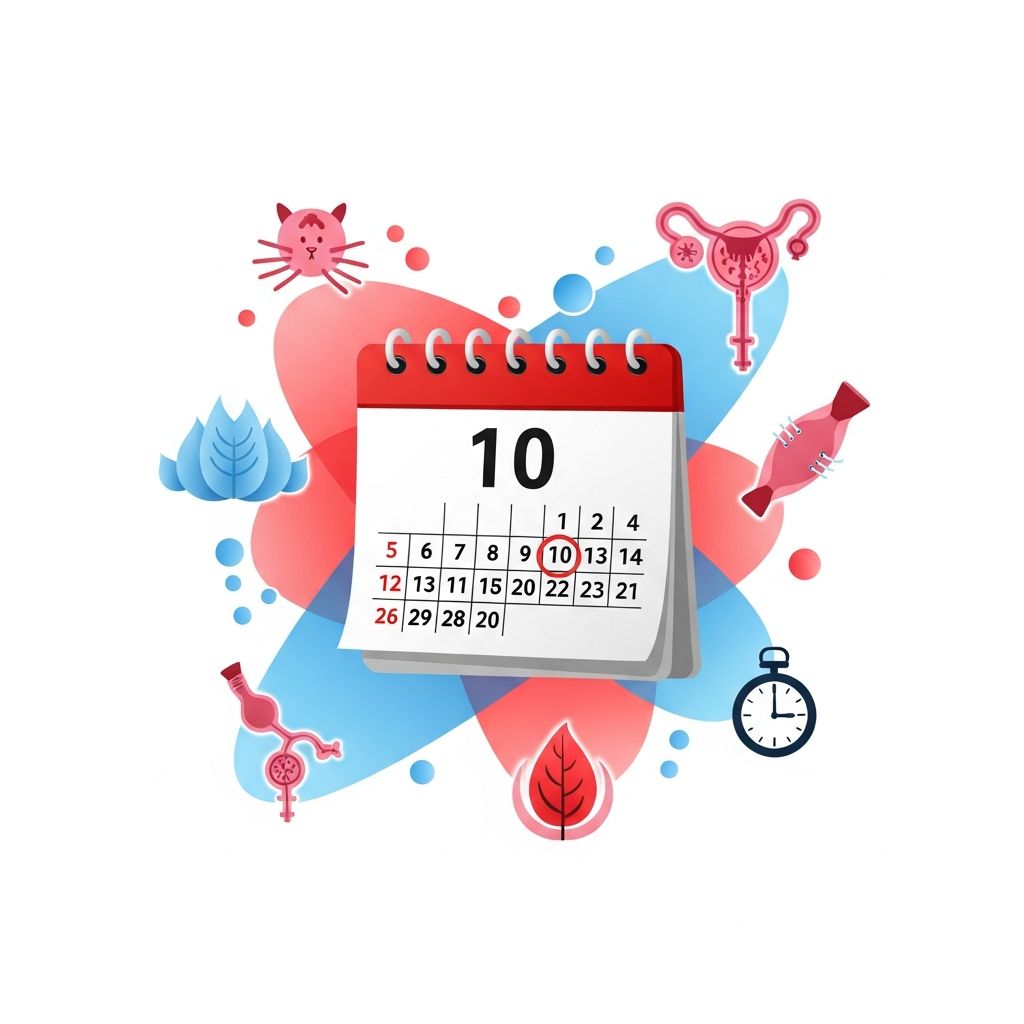
Your menstrual cycle is a vital sign of overall health, typically lasting 20-35 days between ages 12 and 52, encompassing four phases: menstrual, follicular, ovulation, and luteal. Disruptions like irregular flow, missed periods, or severe pain can signal underlying issues affecting hormones, fertility, energy, mood, sleep, skin, and immune function. Tracking changes helps identify problems early, as abnormalities occur in 14-25% of women of childbearing age.
Common disruptors include lifestyle factors, medical conditions, and hormonal shifts. Understanding these empowers you to take action, from lifestyle adjustments to seeking medical advice. Below, we detail
10 things that mess with your period
, drawing from expert insights on cycle irregularities.1. Stress
Chronic stress elevates cortisol, disrupting the hypothalamic-pituitary-ovarian axis that regulates menstruation. High cortisol suppresses reproductive hormones like estrogen and progesterone, leading to irregular, missed, or lighter periods (amenorrhea). During perimenopause (late 40s to early 50s), stress exacerbates symptoms like hot flashes and irritability.
- Symptoms: Delayed ovulation, shorter/longer cycles, spotting.
- Impact: Affects 20-30% of women; prolonged stress links to PCOS-like symptoms.
- Tips: Practice mindfulness, yoga, or therapy. Aim for 7-9 hours of sleep nightly.
For severe cases, consult a doctor to rule out adrenal fatigue.
2. Extreme Weight Changes
Both rapid weight loss and gain alter estrogen production. Fat cells produce estrogen; low body fat (e.g., from intense dieting or exercise) reduces it, causing amenorrhea. Conversely, obesity increases estrogen, leading to heavy flow (menorrhagia) and prolonged bleeding.
- Risks: Heavier periods with weight gain; lighter/diluted flow with loss, signaling anemia.
- Associated conditions: Higher risk for Type 2 diabetes in irregular cycles over 40 days, especially in young women (18-22).
- Advice: Maintain BMI 18.5-24.9; gradual changes prevent disruptions.
Clots larger than a quarter indicate imbalance; track for 2-3 cycles before testing nutritional deficiencies.
3. Over-Exercising
Athletes or those with high-intensity routines (e.g., marathon training) often experience functional hypothalamic amenorrhea from energy deficits. This halts ovulation, mimicking menopause with low estrogen risks like osteoporosis and heart disease.
- Signs: Missed periods, bone density loss.
- Prevalence: Common in endurance sports; recoverable with balanced calories and rest.
Balance cardio with strength training; incorporate rest days. Women in perimenopause should monitor for compounded effects.
4. Poor Diet and Nutritional Deficiencies
Diets low in fats, iron, or vitamins disrupt hormone synthesis. Severe anemia dilutes flow (whiteish appearance), while excess processed foods spike insulin, mimicking PCOS.
| Nutrient | Deficiency Effect | Sources |
|---|---|---|
| Iron | Lighter flow, fatigue | Spinach, red meat |
| Omega-3s | Inflammation, cramps | Fish, nuts |
| Vitamin D | Irregular cycles | Sunlight, fortified foods |
Prioritize whole foods; deficiencies link to heavier flows in thyroid issues.
5. Thyroid Dysfunction
Hyper- or hypothyroidism alters metabolism and hormones. Underactive thyroid (hypothyroidism) causes heavy, prolonged bleeding; overactive leads to lighter or missed periods.
- Symptoms: Menorrhagia over 7 days, fatigue, hair loss.
- Diagnosis: Blood tests for TSH levels.
Treatable with medication; early detection prevents fertility issues.
Related Stories



6. Polycystic Ovary Syndrome (PCOS)
PCOS affects 6-12% of women, causing irregular, heavy, or absent periods due to high androgens and insulin resistance. Cycles often exceed 35 days or are anovulatory.
- Signs: Acne, weight gain, ovarian cysts.
- Complications: Diabetes, infertility.
Lifestyle changes (diet, exercise) plus meds like metformin help regulate cycles.
7. Endometriosis
Tissue similar to uterine lining grows outside the uterus, causing intense pelvic/back pain and heavy bleeding. Affects 10% of women; spotting between periods common.
- Diagnosis: Laparoscopy.
- Treatment: Hormonal therapy, surgery.
Delays in diagnosis average 7 years; track pain patterns.
8. Uterine Fibroids
Noncancerous growths cause heavy, clotted bleeding due to high estrogen/low progesterone. Risk increases with age/obesity.
- Symptoms: Prolonged flow >7 days, pressure.
- Options: Medications, embolization, hysterectomy.
Monitor for anemia from blood loss.
9. Primary Ovarian Insufficiency (POI)
Early ovarian failure before 40 leads to irregular/missed periods, low estrogen. Causes infertility, hot flashes.
- Risks: Osteoporosis, heart disease.
- Management: Hormone replacement.
Affects 1% of women under 40; genetic/autoimmune links.
10. Infections, STIs, or Cancer
Chlamydia, yeast infections cause spotting; cancers (cervical, endometrial) lead to abnormal bleeding. Postmenopausal bleeding warrants immediate check.
- Red flags: Bleeding between periods, post-sex.
- Action: Pap smear, STI tests, biopsy if needed.
Early detection saves lives; routine gyn exams essential.
Abnormal Period Signs to Watch
- Heavier/lighter flow than usual.
- Painful cramps (dysmenorrhea).
- Amenorrhea or spotting.
- Cycle length outside 20-35 days.
Speak to a doctor for any persistent changes.
Frequently Asked Questions (FAQs)
What is a normal menstrual cycle length?
A normal cycle is 20-35 days; periods last 3-7 days with moderate flow.
When should I see a doctor for irregular periods?
If cycles vary >7 days, missed >3 months, or severe pain/bleeding occurs.
Can stress really stop my period?
Yes, via cortisol suppressing reproductive hormones; manage with relaxation techniques.
Does birth control affect periods?
Hormonal types can lighten/shorten; discuss options with your provider.
Are heavy clots normal?
Small ones yes; quarter-sized or larger signal fibroids or imbalance.
References
- 10 Things Your Menstrual Cycle Tells You About Your Body — Orlando Health Women’s Institute. 2023-05-15. https://www.orlandohealth.com/services-and-specialties/orlando-health-womens-institute/content-hub/10-things-your-menstrual-cycle-tells-you-about-your-body/
- Menstrual Cycle: What’s Normal, What’s Not — Mayo Clinic. 2024-02-28. https://www.mayoclinic.org/healthy-lifestyle/womens-health/in-depth/menstrual-cycle/art-20047186
- Polycystic Ovary Syndrome (PCOS) — National Institute of Child Health and Human Development (NICHD). 2023-11-10. https://www.nichd.nih.gov/health/topics/pcos
- Endometriosis — Centers for Disease Control and Prevention (CDC). 2024-01-22. https://www.cdc.gov/endometriosis/index.html
- Thyroid Disease and Menstrual Irregularities — American Thyroid Association. 2023-09-05. https://www.thyroid.org/thyroid-disease-women/
- Uterine Fibroids — National Institutes of Health (NIH). 2024-03-12. https://www.nichd.nih.gov/health/topics/uterine
Similar Articles








Read full bio of medha deb