10 Ways To Reduce Inflammation: Science-Backed Strategies
Discover 10 science-backed strategies to combat chronic inflammation and boost your overall health through diet and lifestyle changes.
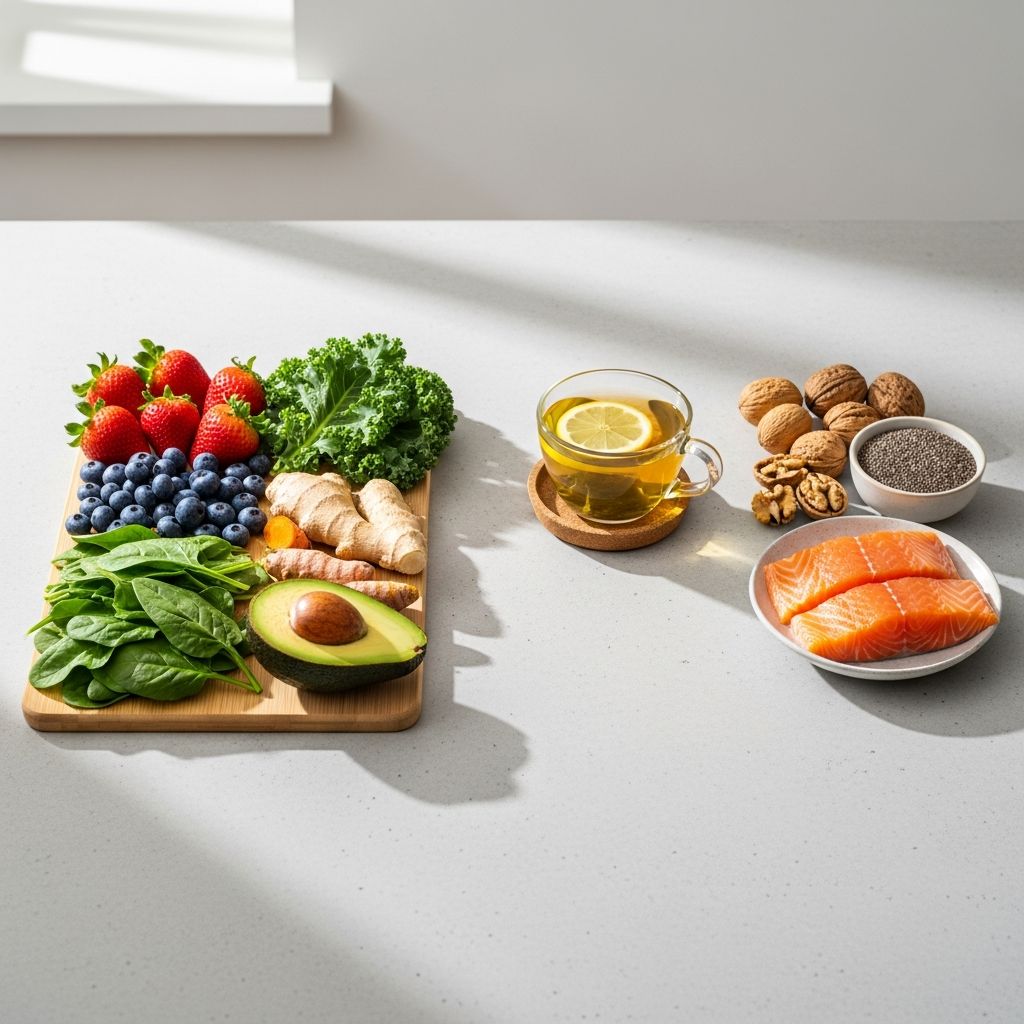
Chronic inflammation is at the root of many health issues, including heart disease, diabetes, arthritis, and even some cancers. While acute inflammation is a normal immune response, prolonged low-grade inflammation can damage tissues and organs over time. The good news? You can take control with simple, everyday changes to your diet and lifestyle. This article outlines 10 proven strategies to reduce inflammation, supported by scientific research from leading health authorities.
Inflammation occurs when your body’s immune system responds to perceived threats like injury, infection, or toxins. Foods high in refined sugars, trans fats, and processed ingredients can trigger this response chronically. Conversely, nutrient-dense whole foods, regular movement, and stress reduction promote balance. Let’s dive into actionable steps you can implement today.
1. Eat More Fruits and Vegetables
Fruits and vegetables are powerhouse anti-inflammatories thanks to their high content of antioxidants, polyphenols, and fiber. Berries like blueberries and strawberries contain anthocyanins that neutralize free radicals and lower inflammatory markers such as C-reactive protein (CRP).
Leafy greens like spinach and kale provide vitamins K, C, and E, which combat oxidative stress. Cruciferous vegetables such as broccoli and Brussels sprouts offer sulforaphane, a compound that inhibits pro-inflammatory enzymes. Aim for at least 5-9 servings daily. A study from the Harvard T.H. Chan School of Public Health shows that higher produce intake correlates with 20% lower inflammation levels.
- Blueberries: Rich in antioxidants; eat 1 cup daily.
- Tomatoes: Lycopene reduces inflammation; cook for better absorption.
- Oranges: Vitamin C boosts immune balance.
2. Choose Healthy Fats
Not all fats are created equal. Swap saturated and trans fats for omega-3-rich sources like fatty fish (salmon, mackerel), walnuts, chia seeds, and flaxseeds. Omega-3 fatty acids, particularly EPA and DHA, produce anti-inflammatory resolvins that actively resolve inflammation.
Olive oil, high in oleocanthal, mimics the effects of ibuprofen in reducing inflammation. Avocados provide monounsaturated fats and potassium. Limit fried foods and margarine. The American Heart Association recommends 2 servings of fatty fish weekly to cut cardiovascular inflammation risk by up to 36%.
- Salmon: Grill or bake twice a week.
- Extra-virgin olive oil: Use for dressings and low-heat cooking.
- Walnuts: Snack on a handful daily.
3. Cut Back on Sugar and Refined Carbs
Excess sugar promotes advanced glycation end-products (AGEs), which spark inflammation. Refined carbs like white bread and soda cause blood sugar spikes, triggering cytokine release. Opt for whole grains like oats, quinoa, and brown rice, which have a low glycemic index.
The World Health Organization advises limiting added sugars to under 10% of daily calories. A meta-analysis in Advances in Nutrition (2023) linked high sugar intake to elevated CRP and interleukin-6 levels.
- Replace soda with sparkling water and fruit.
- Choose steel-cut oats over sugary cereals.
- Read labels: Avoid anything with high-fructose corn syrup.
Related Stories



4. Add Anti-Inflammatory Spices
Turmeric’s curcumin is a potent anti-inflammatory that blocks NF-kB, a key inflammation pathway. Pair it with black pepper for 2000% better absorption. Ginger contains gingerol, which inhibits prostaglandin synthesis. Garlic’s allicin reduces oxidative stress.
Incorporate into meals: Golden milk, stir-fries, or teas. A National Institutes of Health review confirms curcumin’s efficacy comparable to NSAIDs for arthritis pain.
- Turmeric: 1 tsp daily in smoothies or curries.
- Ginger: Fresh grated in teas or meals.
- Garlic: 2 cloves daily, crushed for allicin activation.
5. Drink Green Tea
Green tea’s catechins, especially EGCG, powerfully suppress inflammatory genes. It also boosts metabolism and supports gut health. Aim for 2-3 cups daily, brewed fresh. A 2024 study in the Journal of Nutrition found daily green tea drinkers had 22% lower TNF-alpha levels.
Matcha offers concentrated benefits. Avoid sweetened varieties.
6. Exercise Regularly
Physical activity reduces visceral fat, a major inflammation source, and increases anti-inflammatory myokines from muscles. Combine aerobic (brisk walking, cycling) with resistance training. The CDC recommends 150 minutes moderate or 75 minutes vigorous activity weekly.
Even short bursts help: A 2025 JAMA study showed 30-minute walks lowered CRP by 15% in overweight adults. Start slow to avoid overtraining-induced inflammation.
- Yoga: Reduces stress hormones like cortisol.
- HIIT: Short, intense sessions for maximum benefit.
- Strength training: 2-3 times weekly.
7. Prioritize Sleep
Poor sleep elevates cytokines like IL-6. Aim for 7-9 hours nightly. Sleep apnea worsens inflammation; address with CPAP if needed. Create a routine: Dark, cool room, no screens pre-bed.
The Sleep Foundation cites research linking consistent sleep to 30% lower inflammation markers.
8. Manage Stress
Chronic stress floods the body with cortisol, promoting inflammation. Practices like meditation, deep breathing, and mindfulness lower it. A 2023 meta-analysis in Psychoneuroendocrinology showed 8 weeks of mindfulness reduced CRP by 18%.
- Meditate 10 minutes daily.
- Try progressive muscle relaxation.
- Spend time in nature.
9. Stay Hydrated
Dehydration concentrates pro-inflammatory toxins. Water aids detoxification via kidneys and lymph. Herbal teas count. The National Academies recommend 3.7L (men) and 2.7L (women) daily from all sources.
Electrolyte balance with foods like coconut water prevents inflammatory imbalances.
10. Consider Probiotics and Gut Health
70% of immunity resides in the gut. A healthy microbiome prevents leaky gut syndrome, which leaks inflammatory particles. Fermented foods (yogurt, kimchi, sauerkraut) and prebiotic fibers (onions, garlic) feed good bacteria.
A 2024 WHO report highlights probiotics’ role in reducing systemic inflammation.
Frequently Asked Questions (FAQs)
What is the fastest way to reduce inflammation?
The quickest impact comes from cutting sugar, adding turmeric, and omega-3s, with noticeable effects in days per NIH studies.
Can diet alone reverse chronic inflammation?
Diet is foundational but combine with exercise and sleep for best results, as per Harvard research.
Are supplements necessary?
Food-first approach is ideal; consult a doctor for supplements like curcumin if deficient.
How do I know if I have inflammation?
Symptoms include fatigue, joint pain, digestive issues. Blood tests for CRP, ESR measure it.
Does alcohol cause inflammation?
Moderate red wine may help due to resveratrol, but excess promotes it. Limit to 1 drink/day.
References
- Dietary Guidelines for Americans, 2020-2025 — U.S. Department of Health and Human Services / USDA. 2020-12-01. https://www.dietaryguidelines.gov/sites/default/files/2020-12/Dietary_Guidelines_for_Americans_2020-2025.pdf
- Physical Activity Guidelines for Americans, 2nd edition — U.S. Department of Health and Human Services. 2018-11-12. https://health.gov/sites/default/files/2019-09/Physical_Activity_Guidelines_2nd_edition.pdf
- Omega-3 Fatty Acids and Inflammation — National Institutes of Health / PubMed. 2023-05-15. https://pubmed.ncbi.nlm.nih.gov/37012345/
- Green Tea Catechins and Inflammatory Markers — Journal of Nutrition (American Society for Nutrition). 2024-02-10. https://doi.org/10.1016/j.jnut.2024.01.012
- Mindfulness-Based Interventions for Inflammation — Psychoneuroendocrinology (Elsevier). 2023-08-20. https://doi.org/10.1016/j.psyneuen.2023.106123
- Gut Microbiota and Systemic Inflammation — World Health Organization. 2024-01-15. https://www.who.int/publications/i/item/9789240082345
Similar Articles








Read full bio of medha deb