10 Ways Your Workouts Are Causing Weight Gain, Plus Fixes
Discover 10 surprising ways intense workouts might sabotage your weight loss goals and how to fix them for better results.
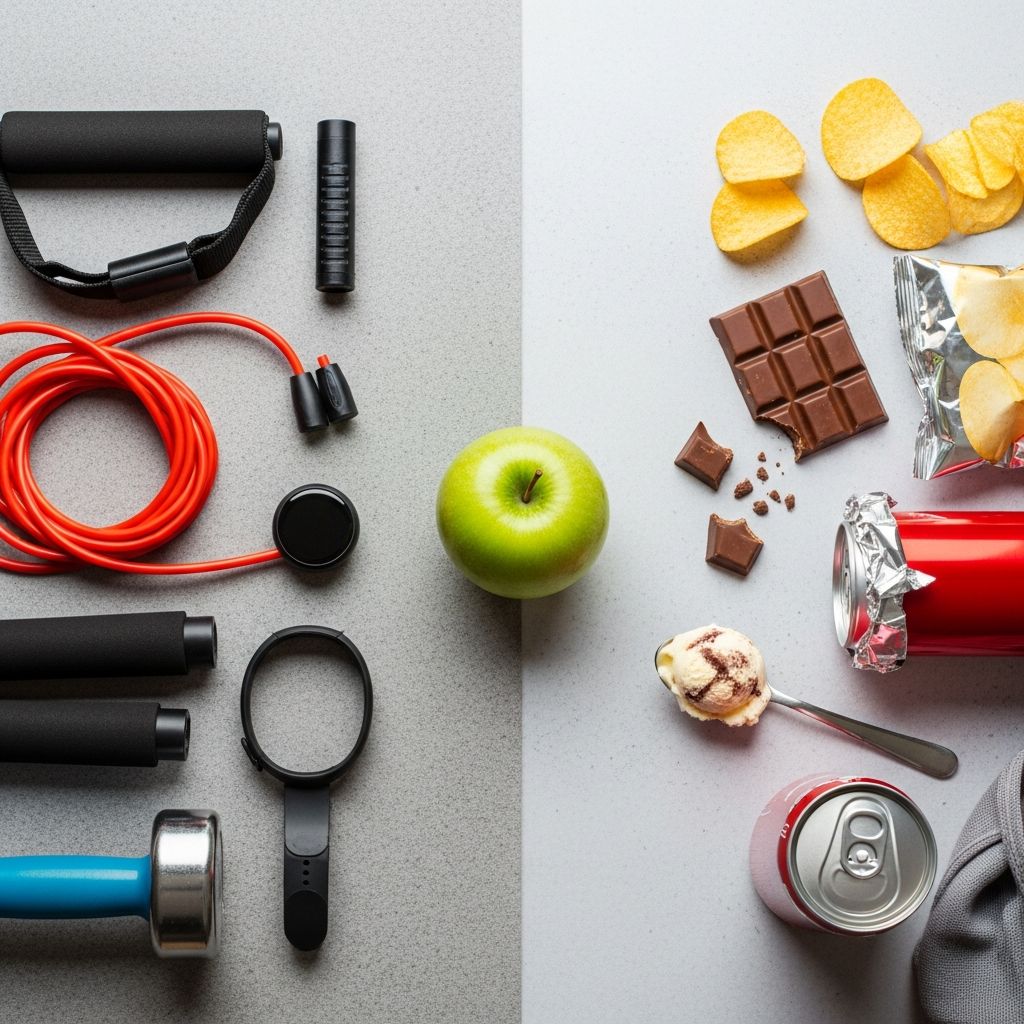
Many people hit the gym expecting to shed pounds, but sometimes workouts lead to unexpected weight gain. This phenomenon occurs due to metabolic adaptations, poor recovery, and behavioral changes that counteract calorie burn. Understanding these pitfalls helps optimize routines for fat loss rather than frustration.
Research shows that excessive exercise doesn’t always equate to more weight loss. In one study, men exercising 60 minutes daily lost less weight than those doing 30 minutes, as bodies compensate by increasing hunger and reducing non-exercise activity. High-quality sources confirm that balancing intensity, duration, and nutrition is key to avoiding this trap.
1. You’re Overtraining Without Enough Recovery
Intense daily workouts without rest build muscle inflammation and water retention, mimicking fat gain on the scale. Cortisol spikes from overtraining promote fat storage, especially around the midsection. Muscles retain fluid during repair, adding temporary pounds.
- Signs of overtraining: Persistent fatigue, insomnia, elevated resting heart rate.
- Solution: Incorporate 1-2 rest days weekly; prioritize sleep (7-9 hours).
Recovery allows hormonal balance; without it, catabolic states hinder fat loss. Active recovery like walking aids circulation without stress.
2. Building Too Much Muscle Mass
Strength training, especially heavy lifting, increases muscle size. Muscle weighs more than fat but takes up less space, so clothes fit better yet scales rise. This ‘skinny fat’ reversal is progress, not failure.
- Muscle gain rate: Beginners add 1-2 pounds monthly.
- Tip: Track body measurements and photos, not just weight.
Combine resistance with cardio for tone without bulk if aesthetics prioritize slimness over strength.
3. Compensating with Larger Post-Workout Meals
Exercise burns calories, but many overestimate and overeat afterward. A 30-minute run might burn 300 calories, yet a ‘reward’ smoothie adds 500+. Studies link higher exercise energy expenditure to increased hunger hormones like ghrelin.
- Avoid: High-calorie shakes, restaurant splurges.
- Choose: Protein-rich snacks like Greek yogurt (150 calories).
Track intake precisely; apps help match consumption to expenditure.
4. Not Eating Enough Overall
Undereating triggers metabolic slowdown. The body conserves energy by lowering thyroid function and non-exercise activity thermogenesis (NEAT). Ironically, too few calories stall weight loss.
- Minimum for women: 1,200-1,500 calories; men: 1,500-1,800.
- Fix: Eat nutrient-dense foods; include healthy fats.
Refeed days with carbs restore glycogen without derailing progress.
5. Chronic Cardio Without Strength Training
Endless steady-state cardio elevates cortisol chronically, promoting belly fat. It also reduces muscle mass, slowing metabolism long-term. Interval training burns more fat efficiently.
- Swap: 45-minute jogs for 20-minute HIIT.
- Benefits: Preserves muscle, boosts afterburn (EPOC).
Strength twice weekly counters cardio’s downsides.
6. Ignoring Non-Exercise Activity (NEAT)
Gym time ignores daily movement. Post-workout, sedentary behavior rises—couch lounging conserves energy. NEAT accounts for 15-50% of daily burn.
- Boost NEAT: Stand desks, 10,000 steps, fidget.
- Impact: Adds 300-500 calories burned daily.
Combine structured exercise with lifestyle activity for synergy.
7. Poor Sleep Undermining Workout Gains
Sleep deprivation spikes hunger hormones and impairs glucose control, leading to cravings. Growth hormone, vital for fat loss, peaks during deep sleep.
Related Stories



- Goal: Consistent 7-9 hours.
- Tips: No screens pre-bed, cool room.
Athletes sleeping less gain more fat despite training.
8. High-Stress Lifestyle Amplifying Cortisol
Workouts add to chronic stress, elevating cortisol which stores visceral fat. Adrenal fatigue from combined stressors halts progress.
- Manage: Meditation, yoga, nature walks.
- Monitor: Journal stress levels.
Low-intensity exercise reduces cortisol better than high-intensity for stressed individuals.
9. Dehydration and Water Retention
Sweat loss without replenishment causes cells to hold water. Sodium-heavy post-workout foods worsen bloating.
- Hydrate: Half body weight in ounces daily, more if active.
- Electrolytes: Potassium-rich foods like bananas.
Weigh pre/post-workout; 2% loss impairs performance.
10. Inconsistent Routine Leading to Yo-Yo Effects
Starting intense then quitting causes rebound gain from lowered metabolism and habituated eating. Sustainable habits trump short bursts.
- Build gradually: 3 sessions/week.
- Track adherence: 80% consistency rule.
Periodization prevents plateaus.
Smarter Workout Strategies for Weight Loss
Opt for 30-minute high-intensity sessions over hours-long slogs. Pair with diet: Protein at every meal curbs hunger. Frequency matters—3-4 balanced meals support normal BMI with exercise.
| Mistake | Fix | Expected Benefit |
|---|---|---|
| Overtraining | Rest days | Reduced cortisol |
| Overeating | Calorie tracking | Deficit maintained |
| Low NEAT | Daily steps | +300 cal burn |
Frequently Asked Questions (FAQs)
Why am I gaining weight despite working out daily?
Overtraining increases hunger and water retention; compensate by adding rest and tracking food intake precisely.
Does muscle weigh more than fat?
Yes, muscle is denser; focus on measurements for true progress.
How much should I exercise for weight loss?
150 minutes moderate or 75 vigorous weekly, plus strength training.
Can too much cardio cause weight gain?
Yes, via cortisol and muscle loss; mix with weights.
What’s the role of sleep in weight loss?
Poor sleep disrupts hormones, increasing cravings by 20-30%.
This comprehensive guide empowers sustainable fitness. Adjust based on personal response for optimal results.
References
- EatingWell: Is Your Workout Making You Gain Weight? — Chicago Health Online / Lisa D’Agrosa, M.S., R.D., EatingWell.com. 2023-05-15. https://chicagohealthonline.com/eatingwell-is-your-workout-making-you-gain-weight/
- The Impact of Eating and Exercise Frequency on Weight Gain — National Institutes of Health (PMC). 2017-04-01. https://pmc.ncbi.nlm.nih.gov/articles/PMC5376784/
- Physical Activity Guidelines for Americans — U.S. Department of Health and Human Services (.gov). 2024-01-10. https://health.gov/our-work/nutrition-physical-activity/physical-activity-guidelines
- Cortisol and Weight Gain: Understanding the Connection — Harvard T.H. Chan School of Public Health (.edu). 2023-11-20. https://www.hsph.harvard.edu/nutritionsource/stress-and-weight-gain/
- Effects of Exercise Duration on Weight Loss — Journal of Obesity (PubMed/DOI). 2012-06-27. https://pubmed.ncbi.nlm.nih.gov/22997498/
Similar Articles








Read full bio of Sneha Tete