11 Foods That Can Help Lower Your Cholesterol
Discover the best cholesterol-lowering foods to improve heart health naturally.
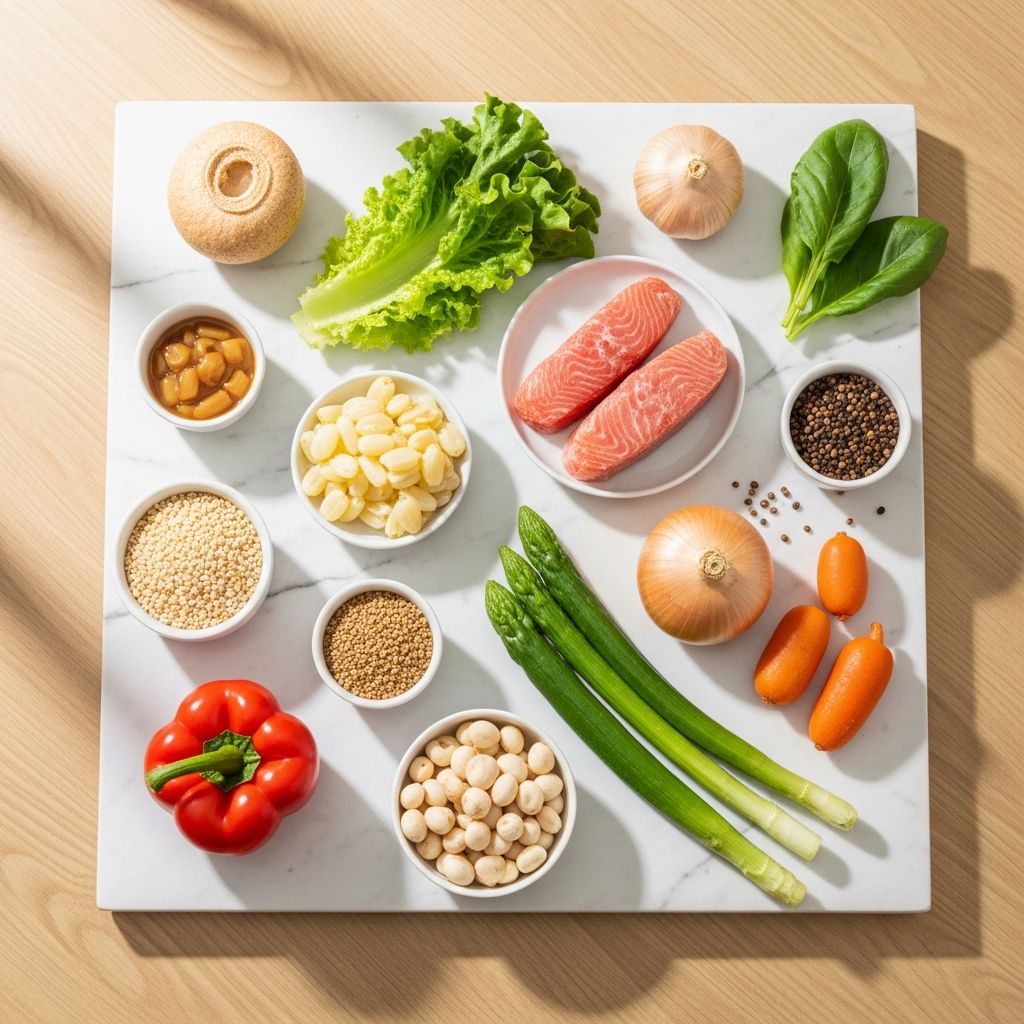
High cholesterol is a significant risk factor for heart disease, one of the leading causes of death in the United States. While medications can help manage cholesterol levels, dietary modifications offer a powerful and natural approach to reducing LDL cholesterol and improving overall cardiovascular health. The good news is that certain foods have been scientifically proven to help lower cholesterol effectively. By incorporating these 11 cholesterol-busting foods into your daily diet, you can take meaningful steps toward better heart health.
Understanding How Foods Lower Cholesterol
Different foods lower cholesterol through various mechanisms. Some foods deliver soluble fiber, which binds cholesterol and its precursors in the digestive system and eliminates them before they enter the bloodstream. Others provide polyunsaturated fats that directly lower LDL cholesterol. Some contain plant sterols and stanols, which actively block the body from absorbing dietary cholesterol. Understanding these different pathways helps you make informed dietary choices that align with your health goals.
1. Oats: The Breakfast Champion
Starting your day with a bowl of oatmeal or cold oat-based cereal like Cheerios is one of the easiest ways to improve your cholesterol profile. Oats contain beta-glucan, a type of soluble fiber that effectively lowers LDL cholesterol. A single serving of oatmeal provides 1 to 2 grams of soluble fiber. To boost the cholesterol-fighting benefits, top your oatmeal with a banana or fresh strawberries, which adds approximately another half-gram of soluble fiber.
Current nutrition guidelines recommend consuming 20 to 35 grams of fiber daily, with at least 5 to 10 grams coming from soluble fiber. Unfortunately, the average American consumes only about half of the recommended amount. Making oats a breakfast staple is an accessible first step toward meeting these guidelines while improving your cholesterol levels.
2. Barley and Other Whole Grains
Like oats and oat bran, barley and other whole grains can significantly reduce the risk of heart disease, primarily through the soluble fiber they provide. Whole grains such as quinoa, wheat berries, bulgur, polenta, and millet offer fiber, complex carbohydrates, and protein. When selecting grain products, look for breads, pastas, and cereals made with a variety of whole grains rather than refined grain products.
The soluble fiber found in whole grains works by binding cholesterol in the digestive tract, preventing its absorption and allowing it to be eliminated from the body naturally. Regular consumption of whole grains has been associated with improved cholesterol profiles and reduced cardiovascular disease risk.
3. Beans: Versatile and Powerful
Beans are exceptionally rich in soluble fiber and offer remarkable versatility in the kitchen. Beyond their cholesterol-lowering properties, beans take longer for the body to digest, which means you feel fuller for longer after a meal—a benefit for those attempting to lose weight. The wide variety of beans available, from navy and kidney beans to lentils, garbanzos, and black-eyed peas, ensures there’s an option for every palate and cuisine.
Related Stories



You can incorporate beans into soups, salads, stews, and side dishes. The soluble fiber in beans binds with cholesterol, helping to reduce LDL levels and improve your overall cholesterol profile. Research shows that consuming beans regularly can contribute to meaningful reductions in total and LDL cholesterol.
4. Eggplant and Okra: Low-Calorie Cholesterol Fighters
These two low-calorie vegetables are excellent sources of soluble fiber, making them ideal additions to a cholesterol-conscious diet. Eggplant can be roasted, grilled, or added to stir-fries, while okra works well in soups and stews. Both vegetables provide the soluble fiber necessary to help bind and eliminate cholesterol from your digestive system.
Beyond their cholesterol-lowering properties, eggplant and okra are nutrient-dense vegetables that contribute vitamins, minerals, and antioxidants to your diet while keeping calorie counts low. They’re particularly valuable for individuals managing both cholesterol and weight.
5. Nuts: Crunchy Heart Protection
Extensive research demonstrates that eating almonds, walnuts, peanuts, and other nuts is beneficial for heart health. Consuming 2 ounces of nuts daily can modestly lower LDL cholesterol by approximately 5 percent. Beyond their LDL-lowering effects, nuts contain additional nutrients that protect the heart in multiple ways.
Harvard Medical School research indicates that a nut-filled diet may lower cholesterol and reduce heart disease risk. Recent studies also show that eating nuts regularly decreases mortality risk from diabetes, infections, and lung disease. To maximize health benefits, choose unsalted varieties to avoid excess sodium. Almonds, walnuts, and pistachios are perfect for snacking and easily integrate into salads, cereals, yogurt, and baked goods.
6. Vegetable Oils: Swap Out Saturated Fats
Using liquid vegetable oils such as canola, sunflower, and safflower oil in place of butter, lard, or shortening when cooking or at the table helps lower LDL cholesterol. These oils contain polyunsaturated fats that actively reduce LDL levels. Olive oil, another polyunsaturated option, is also an excellent choice for dressings and cooking.
Making this simple substitution represents a meaningful dietary change that reduces saturated fat intake while increasing heart-healthy fats. This transition is particularly important for individuals with elevated cholesterol or those at risk for cardiovascular disease.
7. Apples, Grapes, Strawberries, and Citrus Fruits
These fruits are rich in pectin, a type of soluble fiber that effectively lowers LDL cholesterol. Apples, grapes, strawberries, citrus fruits, mangos, plums, pears, and berries all offer significant cholesterol-fighting benefits. The pectin in these fruits binds with cholesterol in your digestive system, helping to reduce absorption.
You can enjoy these fruits as complements to your meals or as light snacks. Their natural sweetness satisfies cravings while providing essential vitamins, minerals, and fiber. Don’t hesitate to get creative—mango salsa makes an excellent side dish or mayo substitute on sandwiches, combining cholesterol-lowering benefits with delicious flavor.
8. Foods Fortified with Plant Sterols and Stanols
Plant sterols and stanols extracted from plants effectively interfere with the body’s ability to absorb cholesterol from food. Food manufacturers have incorporated these compounds into numerous products, ranging from margarine and granola bars to orange juice and chocolate. Sterols and stanols are also available as dietary supplements.
Research demonstrates that consuming 2 grams of plant sterols or stanols daily can lower LDL cholesterol by approximately 10 percent. This makes fortified foods an efficient way to achieve measurable cholesterol reduction. Look for products specifically labeled as containing plant sterols or stanols when shopping.
9. Soy: Modest but Meaningful Benefits
Eating soybeans and foods made from them, such as tofu and soy milk, offers cholesterol-lowering benefits, though the effect is more modest than once believed. Consuming 25 grams of soy protein daily—equivalent to 10 ounces of tofu or 2.5 cups of soy milk—can lower LDL cholesterol by 5 to 6 percent.
Soy products are versatile protein sources that can replace meat in many dishes. They provide the added benefit of reducing saturated fat intake while delivering plant-based protein and other nutritional benefits. Incorporating soy into your diet through various products ensures dietary variety while supporting cholesterol management.
10. Fatty Fish: Omega-3 Powerhouses
Eating fatty fish two or three times weekly can lower LDL cholesterol through two mechanisms: by replacing meat high in LDL-boosting saturated fats and by delivering LDL-lowering omega-3 fats. Omega-3 fatty acids reduce triglycerides in the bloodstream and protect the heart by helping prevent abnormal heart rhythms.
Fish such as salmon, mackerel, herring, and sardines are excellent sources of omega-3 fatty acids. These powerful nutrients support cardiovascular health beyond cholesterol reduction, making fish a cornerstone of heart-healthy diets. Regular consumption of fatty fish is associated with reduced cardiovascular disease risk and improved overall health outcomes.
11. Fiber Supplements: An Additional Tool
While whole foods are always preferable, fiber supplements offer an accessible way to boost soluble fiber intake when dietary sources prove insufficient. Two teaspoons daily of psyllium, found in products like Metamucil and other bulk-forming laxatives, provide approximately 4 grams of soluble fiber.
Fiber supplements work similarly to natural sources of soluble fiber, binding cholesterol in the digestive tract and facilitating its elimination. However, they should complement rather than replace whole foods, which provide additional nutrients and benefits beyond fiber alone.
Additional Cholesterol-Lowering Foods Worth Considering
Beyond the primary 11 foods, several other options deserve mention for their cholesterol-fighting properties. Avocados are excellent sources of monounsaturated fatty acids that support heart health. Research shows that adding avocados to your diet can lower total cholesterol, LDL cholesterol, and triglycerides.
Garlic has demonstrated potential to reduce total cholesterol by up to 30 milligrams per deciliter. Onions, particularly red onions, contain quercetin, a compound that may help lower cholesterol and prevent inflammation and arterial hardening. Shiitake mushrooms and other varieties also show cholesterol-lowering effects according to recent research.
Building Your Dietary Portfolio
A largely vegetarian “dietary portfolio of cholesterol-lowering foods” substantially reduces LDL cholesterol, triglycerides, and blood pressure. The key dietary components include plenty of fruits and vegetables, whole grains instead of highly refined ones, and protein mostly from plant sources. This comprehensive approach combines oats, barley, psyllium, okra, and eggplant—all rich in soluble fiber—with soy protein, whole almonds, and margarine enriched with plant sterols.
By thoughtfully combining these foods, you create a synergistic dietary approach that addresses cholesterol from multiple angles. This portfolio approach offers substantial benefits for cardiovascular health and overall wellness.
Frequently Asked Questions
Q: How much time does it take to see cholesterol improvements from dietary changes?
A: Most people begin noticing improvements in their cholesterol levels within 2-4 weeks of consistent dietary changes. However, significant reductions may take 3-6 months of sustained effort. Individual results vary based on genetics, baseline cholesterol levels, and adherence to dietary recommendations.
Q: Can I lower cholesterol through diet alone without medication?
A: Many people successfully lower their cholesterol through dietary modifications alone. However, some individuals have genetic factors that limit dietary intervention effectiveness. It’s essential to consult with your healthcare provider to determine the best approach for your specific situation.
Q: Are there foods I should avoid if I’m trying to lower cholesterol?
A: Yes, limiting saturated fats is crucial. Avoid red meat, whole-fat dairy products, and certain vegetable oils like palm and coconut oil. Additionally, minimize processed foods, fried foods, and products high in trans fats, which significantly increase LDL cholesterol.
Q: Is it possible to eat too much of these cholesterol-lowering foods?
A: While whole foods are generally healthy, moderation remains important. Nuts and oils, though heart-healthy, are calorie-dense and should be consumed in appropriate portions. Balance cholesterol-lowering foods with overall nutritional needs and caloric intake.
Q: Can children and teenagers benefit from these cholesterol-lowering foods?
A: Yes, children and teenagers benefit from healthy diets including these cholesterol-lowering foods. Establishing good dietary habits early promotes lifelong cardiovascular health. However, individual recommendations may vary based on age and health status, so consult with a pediatrician.
Conclusion: Taking Control of Your Cholesterol
Incorporating these 11 cholesterol-lowering foods into your daily diet offers a natural, evidence-based approach to reducing LDL cholesterol and improving heart health. From the soluble fiber in oats and beans to the omega-3 fatty acids in fatty fish and the plant sterols in fortified foods, each option provides unique cardiovascular benefits. By making thoughtful dietary choices and building a balanced portfolio of these foods, you can significantly impact your cholesterol levels and overall health without relying solely on medication. Start by selecting a few of these foods that appeal to you, gradually incorporating them into your meals, and building sustainable dietary habits that support lifelong cardiovascular wellness.
References
- 11 Foods That Lower Cholesterol — BRMS Online. 2018. https://www.brmsonline.com/blog/wellness/nutrition/2018/11-foods-that-lower-cholesterol
- Good and Bad Foods for High Cholesterol — WebMD. https://www.webmd.com/cholesterol-management/heart-health-foods-to-buy-foods-to-avoid
- 11 Cholesterol Lowering Foods: Garlic, Onion, and More — Healthline. 2023. https://www.healthline.com/health/cholesterol-tips
Similar Articles








Read full bio of medha deb