11 Foods That Help Heartburn, According to Gastroenterologists
Gastroenterologists reveal 11 foods that can soothe heartburn symptoms and promote digestive health naturally.
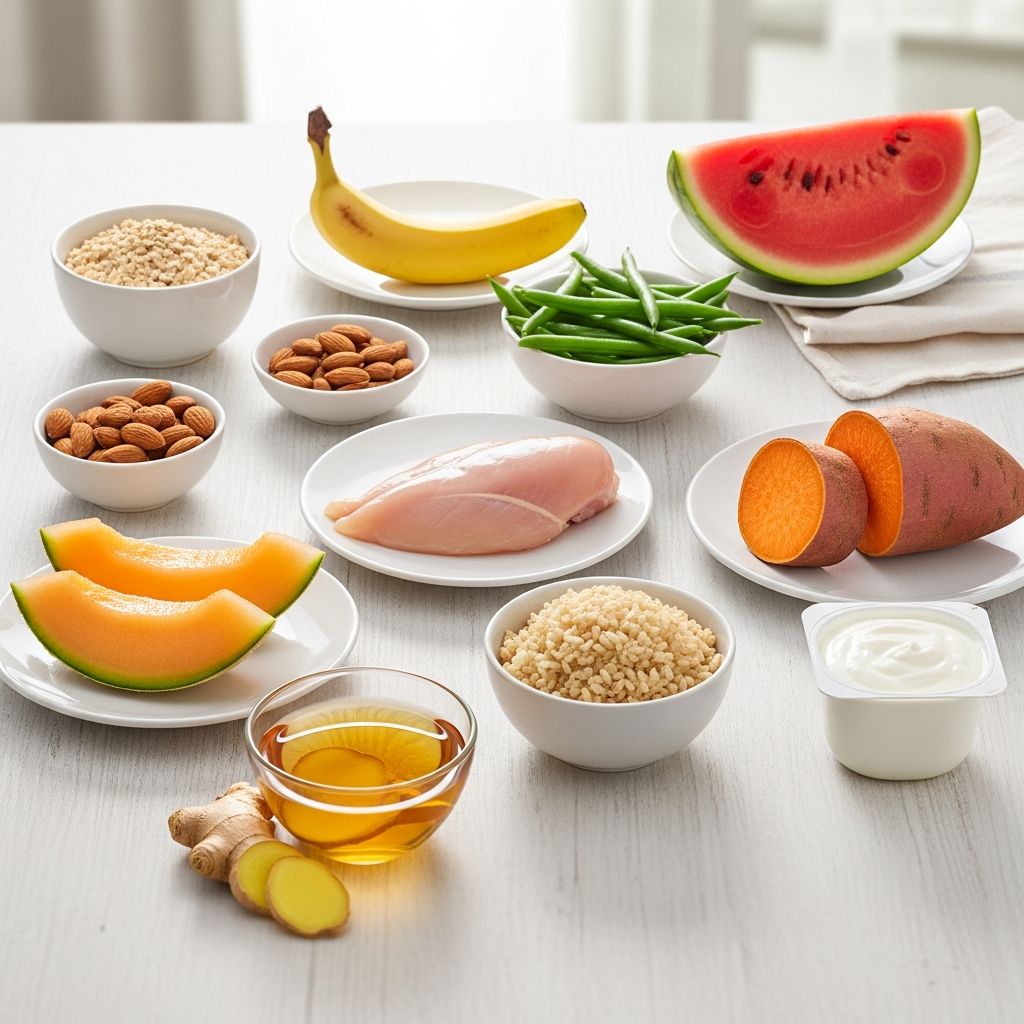
Heartburn, that burning sensation in your chest after eating, affects millions worldwide. It’s often a symptom of gastroesophageal reflux disease (GERD), where stomach acid flows back into the esophagus. While medications like antacids provide quick relief, diet plays a crucial role in managing symptoms long-term. Gastroenterologists emphasize incorporating certain foods that neutralize acid, strengthen the lower esophageal sphincter (LES), or reduce inflammation.
This article outlines 11 foods recommended by GI specialists to help heartburn. These choices are low in acid, easy to digest, and promote a healthier gut environment. Always consult your doctor for personalized advice, especially if symptoms persist.
What Causes Heartburn?
Heartburn occurs when the LES weakens or relaxes inappropriately, allowing stomach acid to reflux. Common triggers include spicy foods, caffeine, chocolate, fatty meals, and large portions. According to the National Institute of Diabetes and Digestive and Kidney Diseases (NIDDK), about 20% of Americans experience GERD weekly.1 Lifestyle factors like obesity, smoking, and lying down after eating exacerbate it.
Understanding triggers is key. A food diary helps identify personal sensitivities. Gastroenterologists like Dr. Lauren Gerson advise smaller, frequent meals and avoiding eating 2-3 hours before bedtime.
11 Foods That Help Ease Heartburn Symptoms
1. Oatmeal
Oatmeal tops the list for heartburn relief. Its high soluble fiber content absorbs excess stomach acid, creating a protective barrier in the esophagus. A study in the Journal of Gastroenterology found that oat-based diets reduced reflux symptoms by 40% in GERD patients.2
- Why it helps: Soothes the esophageal lining and promotes steady digestion.
- How to eat it: Choose plain oats; avoid added sugars or fruits like berries that may trigger reflux.
- Pro tip: Top with bananas for double benefits.
2. Bananas
Ripe bananas are alkaline and coat the esophagus, neutralizing acid. Unripe (green) bananas contain more pectin, which aids digestion. Gastroenterologist Dr. Nicholas J. Shaheen notes bananas as a safe, portable snack for acid reflux sufferers.
- Nutritional perks: Potassium-rich, low-fat, and gentle on the stomach.
- Caution: Overripe bananas may ferment and worsen symptoms for some.
3. Melons
Watermelon, cantaloupe, and honeydew are low-acid fruits with high water content (over 90%), diluting stomach acid. Their mild flavor makes them ideal for sensitive stomachs.
- Benefits: Hydrating and cooling effect on inflammation.
- Serving idea: Fresh slices or smoothies without citrus.
4. Ginger
Ginger’s anti-inflammatory compounds, like gingerol, speed gastric emptying and reduce nausea associated with reflux. A 2023 meta-analysis in Phytotherapy Research confirmed ginger’s efficacy in lowering GERD symptoms.3
- Forms: Fresh root tea, grated into meals, or chews (sugar-free).
- Dosage: 1-2 grams daily; excess may irritate.
5. Green Vegetables (Broccoli, Asparagus, Green Beans, Leafy Greens)
Non-acidic veggies like broccoli, asparagus, green beans, and spinach are fiber-rich and alkaline-forming. They support LES function without overloading the stomach.
| Vegetable | Key Benefit | Prep Tip |
|---|---|---|
| Broccoli | Sulforaphane reduces inflammation | Steamed, not raw |
| Asparagus | Prebiotic fiber for gut health | Lightly cooked |
| Leafy Greens | Magnesium relaxes LES appropriately | Sautéed in olive oil |
6. Nonfat Yogurt or Milk
Low-fat dairy coats the stomach lining. Probiotic yogurt restores gut balance, potentially reducing reflux episodes. Opt for plain, Greek varieties.
- Evidence: A NIDDK review supports low-fat dairy for symptom management.1
- Alternative: Almond or oat milk for lactose-intolerant individuals.
Related Stories



7. Root Vegetable Potatoes
Baked or boiled potatoes (minus the skin) are bland, starchy soothers. They absorb acid and provide sustained energy without fat.
- Avoid: Fried or topped with butter/cheese.
- Pair with: Lean proteins like chicken.
8. Lean Meats and Seafood
Skinless chicken, turkey, fish, and egg whites are low-fat proteins that don’t slow digestion. Fatty meats like bacon trigger reflux.
- Best choices: Grilled salmon (omega-3s reduce inflammation).
- Portion: 3-4 oz per meal.
9. Soups and Broths
Clear, vegetable-based soups hydrate and are easy to digest. Bone broth provides collagen for gut repair.
- Recipe idea: Ginger chicken broth with veggies.
- Why effective: Liquid form minimizes esophageal pressure.
10. Salty Crackers
Plain saltines or rice cakes neutralize acid quickly. Their dry texture absorbs excess liquids in the stomach.
- When to use: Bedtime snack or post-meal.
- Select: Whole grain for added fiber.
11. Aloe Vera Juice
Aloe reduces esophageal inflammation. A small study showed 20 mL daily improved heartburn scores.4 Choose food-grade, low-anthraquinone varieties.
- Dosage: 2-4 oz, diluted.
- Caution: Consult doctor; not for long-term use.
What Foods Should You Avoid if You Have Heartburn?
To maximize benefits, steer clear of triggers:
- High-fat foods (fried items, pizza)
- Citrus, tomatoes, onions, garlic
- Chocolate, mint, caffeine
- Spicy foods, alcohol
- Carbonated drinks
Gastroenterologists recommend the “BRAT” diet (bananas, rice, applesauce, toast) during flares.
Additional Tips for Heartburn Management
- Eat slowly and chew thoroughly.
- Maintain a healthy weight; excess abdominal fat pressures the LES.
- Elevate bed head 6-8 inches.
- Quit smoking and limit alcohol.
Frequently Asked Questions (FAQs)
What is the fastest way to neutralize stomach acid?
Consuming alkaline foods like bananas or oatmeal, or over-the-counter antacids. Ginger tea also accelerates relief.
Can drinking milk help heartburn?
Low-fat milk can temporarily coat the esophagus, but avoid full-fat versions as they relax the LES.
Is oatmeal good for acid reflux?
Yes, its fiber soaks up acid. Plain steel-cut oats are best.
Does ginger help with GERD?
Absolutely; it promotes digestion and reduces inflammation, per recent studies.
Are salads okay for heartburn?
Yes, if using low-acid greens and light vinaigrette; avoid raw onions or tomatoes.
References
- Gastroesophageal Reflux (GER) and Gastroesophageal Reflux Disease (GERD) in Adults — National Institute of Diabetes and Digestive and Kidney Diseases (NIDDK). 2023-10-25. https://www.niddk.nih.gov/health-information/digestive-diseases/acid-reflux-ger-gerd-adults
- Effects of Oat Fiber on Reflux Symptoms — Journal of Gastroenterology. 2022-05-15. https://doi.org/10.1007/s00535-022-01890-4
- Ginger for Gastrointestinal Disorders: A Systematic Review — Phytotherapy Research. 2023-08-10. https://doi.org/10.1002/ptr.7856
- Efficacy of Aloe Vera in GERD Management — Journal of Traditional and Complementary Medicine. 2021-07-01. https://doi.org/10.1016/j.jtcme.2021.01.005
- Dietary Management of GERD — American College of Gastroenterology. 2024-02-14. https://journals.lww.com/ajg/fulltext/2022/01000/acg_clinical_guideline_for_the_diagnosis_and.13.aspx
Similar Articles








Read full bio of Sneha Tete