11 Vegetables High in Magnesium for Energy and Bone Health
Boost your magnesium intake with these 11 nutrient-packed vegetables that support muscle function, bone health, and overall wellness.
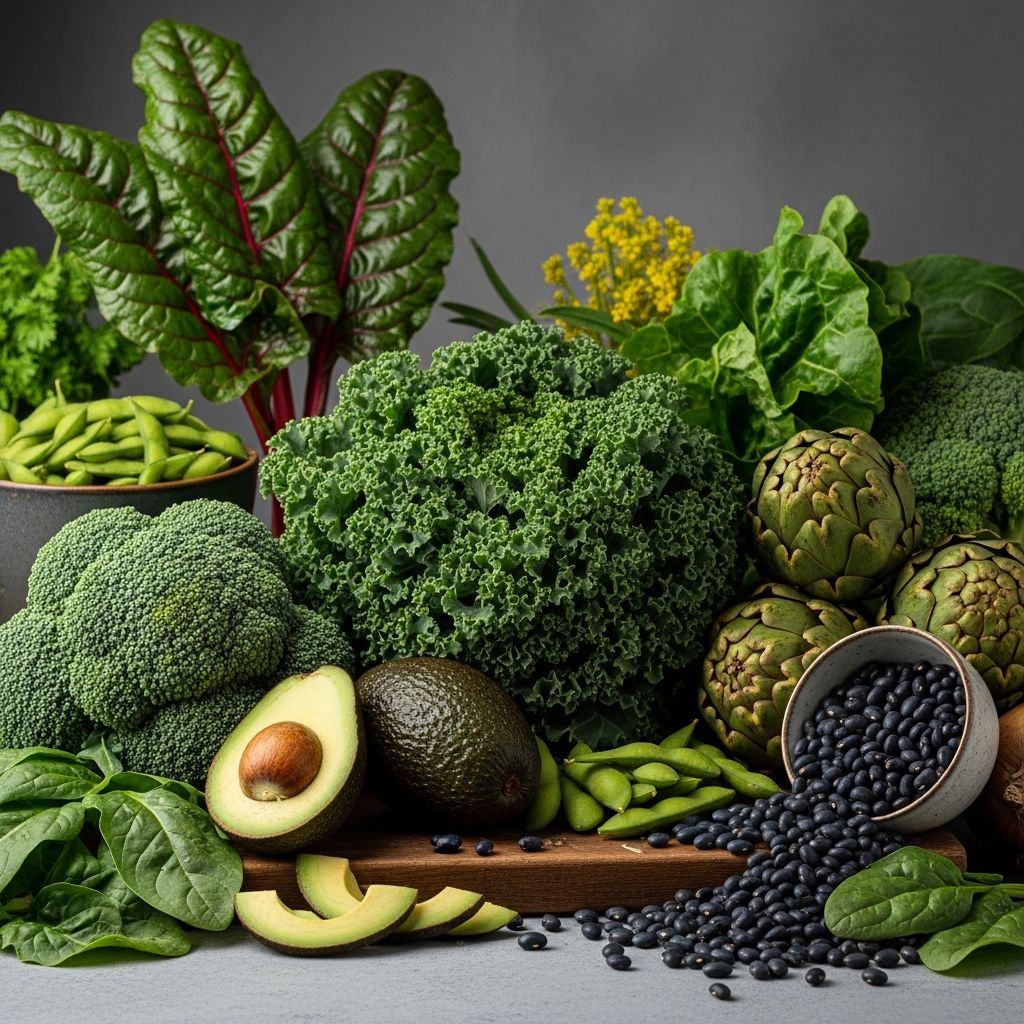
Magnesium is an essential mineral involved in over 300 biochemical reactions in the body, supporting muscle and nerve function, energy production, bone health, and heart rhythm regulation. Many people don’t get enough magnesium from their diet, but vegetables are among the best natural sources. This article highlights 11 vegetables high in magnesium, their nutritional profiles, health benefits, and practical ways to incorporate them into meals. Data draws from authoritative sources like the NIH Office of Dietary Supplements, which lists green leafy vegetables as top magnesium providers.
What Is Magnesium and Why Do You Need It?
Magnesium is a cofactor in more than 300 enzyme systems, aiding protein synthesis, muscle and nerve function, blood glucose control, blood pressure regulation, and bone structure maintenance. The Recommended Dietary Allowances (RDAs) vary by age and sex: 400-420 mg/day for adult men, 310-320 mg/day for adult women, with higher needs during pregnancy (350-360 mg) and lactation (310-320 mg). Children aged 4-8 need 130 mg, 9-13 years 240 mg, and teens 360-410 mg.
Deficiency risks include poor diet, certain medications, or conditions like diabetes. Symptoms range from fatigue and muscle cramps to irregular heartbeat. Foods providing 20% or more of the Daily Value (DV, 420 mg for adults) are high sources; leafy greens like spinach deliver up to 19% DV per serving.
11 Vegetables High in Magnesium
Here are the top 11 vegetables rich in magnesium, ranked by approximate mg per standard serving. Values are based on USDA data via NIH, with spinach boiled (½ cup) at 78 mg (19% DV), making it a standout. Aim for variety to meet RDAs through diet.
Spinach
Boiled spinach (½ cup) provides 78 mg magnesium (19% DV). Raw spinach offers about 24 mg per cup. This leafy green is versatile in salads, smoothies, or sautés. Magnesium in spinach supports energy metabolism and reduces inflammation.
Swiss Chard
One cup cooked Swiss chard delivers around 150 mg magnesium (36% DV), rivaling supplements. Its earthy flavor shines in stir-fries or as a wrap. Rich in potassium too, it aids blood pressure control.
Kale
Cooked kale (1 cup) contains 47 mg (11% DV). Massage raw kale for salads to soften it. Kale’s antioxidants complement magnesium for heart health and detoxification.
Collard Greens
Boiled collards (½ cup) yield 38 mg (9% DV). Southern-style with garlic boosts flavor. High in vitamins K and C, they support bone health alongside magnesium.
Broccoli
Chopped cooked broccoli (½ cup) has 12 mg (3% DV), but its density makes it valuable. Steam or roast for crunch. Broccoli’s sulforaphane enhances magnesium’s anti-inflammatory effects.
Brussels Sprouts
One cup cooked provides 36 mg (9% DV). Roast with olive oil for caramelization. They aid detoxification and pair well with magnesium for muscle recovery.
Green Beans
Cooked green beans (1 cup) offer 35 mg (8% DV). Blanch for salads. Low-calorie and fiber-rich, they promote steady magnesium absorption.
Edamame
Shelled cooked edamame (½ cup) packs 50 mg (12% DV). Snack boiled or in stir-fries. As a legume-vegetable hybrid, it’s protein-packed for sustained energy.
Avocado
Half avocado (100g) contains 29 mg (7% DV). Creamy texture elevates toast or guacamole. Healthy fats improve magnesium bioavailability.
Potato (with skin)
Baked potato (3.5 oz) delivers 43 mg (10% DV). Skin holds most magnesium; bake or mash. Pairs with veggies for balanced meals.
Beet Greens
Cooked beet greens (½ cup) provide 70 mg (17% DV). Use like spinach. Iron-magnesium synergy supports oxygen transport.
Magnesium Content Table
| Vegetable | Serving Size | Magnesium (mg) | % DV* |
|---|---|---|---|
| Spinach, boiled | ½ cup | 78 | 19 |
| Swiss Chard, cooked | 1 cup | 150 | 36 |
| Kale, cooked | 1 cup | 47 | 11 |
| Collard Greens, boiled | ½ cup | 38 | 9 |
| Broccoli, cooked | ½ cup | 12 | 3 |
| Brussels Sprouts, cooked | 1 cup | 36 | 9 |
| Green Beans, cooked | 1 cup | 35 | 8 |
| Edamame, cooked | ½ cup | 50 | 12 |
| Avocado | ½ fruit | 29 | 7 |
| Potato, baked w/ skin | 3.5 oz | 43 | 10 |
| Beet Greens, cooked | ½ cup | 70 | 17 |
| *DV = 420 mg for adults. Source: NIH ODS | |||
Health Benefits of Magnesium-Rich Vegetables
Consuming these vegetables provides magnesium plus fiber, vitamins, and antioxidants. Key benefits include:
- Bone Health: Magnesium works with calcium and vitamin D for density.
- Heart Health: Regulates rhythm and lowers blood pressure.
- Muscle Function: Prevents cramps; ideal for athletes.
- Mental Health: Supports neurotransmitter function, reducing anxiety.
- Energy Production: Essential for ATP synthesis.
Related Stories



Absorption is 30-40% from foods; fiber-rich veggies enhance it. Processing like refining reduces magnesium, so choose whole forms.
How to Incorporate These Vegetables Into Your Diet
- Start salads with spinach, kale, Swiss chard bases.
- Smoothies: Blend avocado, spinach, kale.
- Stir-fries: Add broccoli, green beans, edamame.
- Roasts: Brussels sprouts, potatoes with skin.
- Soups/Stews: Collards, beet greens.
Aim for 2-3 cups daily veggies per Dietary Guidelines. Combine with nuts/seeds for complete intake.
Daily Magnesium Needs and Food Sources
Besides vegetables, include legumes, nuts, seeds, whole grains. Pumpkin seeds (156 mg/oz, 37% DV) top non-veggie lists. Fortified cereals help. Track via USDA FoodData Central.
Frequently Asked Questions (FAQs)
Which vegetable has the most magnesium?
Swiss chard (150 mg per cooked cup, 36% DV) leads, followed by spinach and beet greens.
Can I get enough magnesium from vegetables alone?
Yes, 2-3 servings of leafy greens daily can meet RDAs when varied with other sources.
Are raw or cooked vegetables better for magnesium?
Cooked concentrates magnesium (e.g., boiled spinach 78 mg vs. raw 24 mg/cup); both valuable.
Who needs more magnesium?
Pregnant women (350-360 mg), athletes, diabetics; consult doctors for supplements.
Do potatoes count as a magnesium-rich vegetable?
Yes, baked with skin (43 mg, 10% DV).
Boost your diet with these magnesium-packed vegetables for better health. Prioritize whole foods over supplements when possible.
References
- Magnesium – Health Professional Fact Sheet — NIH Office of Dietary Supplements, National Institutes of Health. 2022-05-12. https://ods.od.nih.gov/factsheets/Magnesium-HealthProfessional/
- Dietary Guidelines for Americans, 2020-2025 — U.S. Department of Agriculture and U.S. Department of Health and Human Services. 2020-12-01. https://www.dietaryguidelines.gov/sites/default/files/2020-12/Dietary_Guidelines_for_Americans_2020-2025.pdf
- FoodData Central — Agricultural Research Service, USDA. Ongoing (last accessed 2026). https://fdc.nal.usda.gov/
Similar Articles








Read full bio of Sneha Tete