12 Foods with More Vitamin C Than Oranges
Discover 12 nutrient-packed foods that surpass oranges in vitamin C content, boosting immunity and health effortlessly.
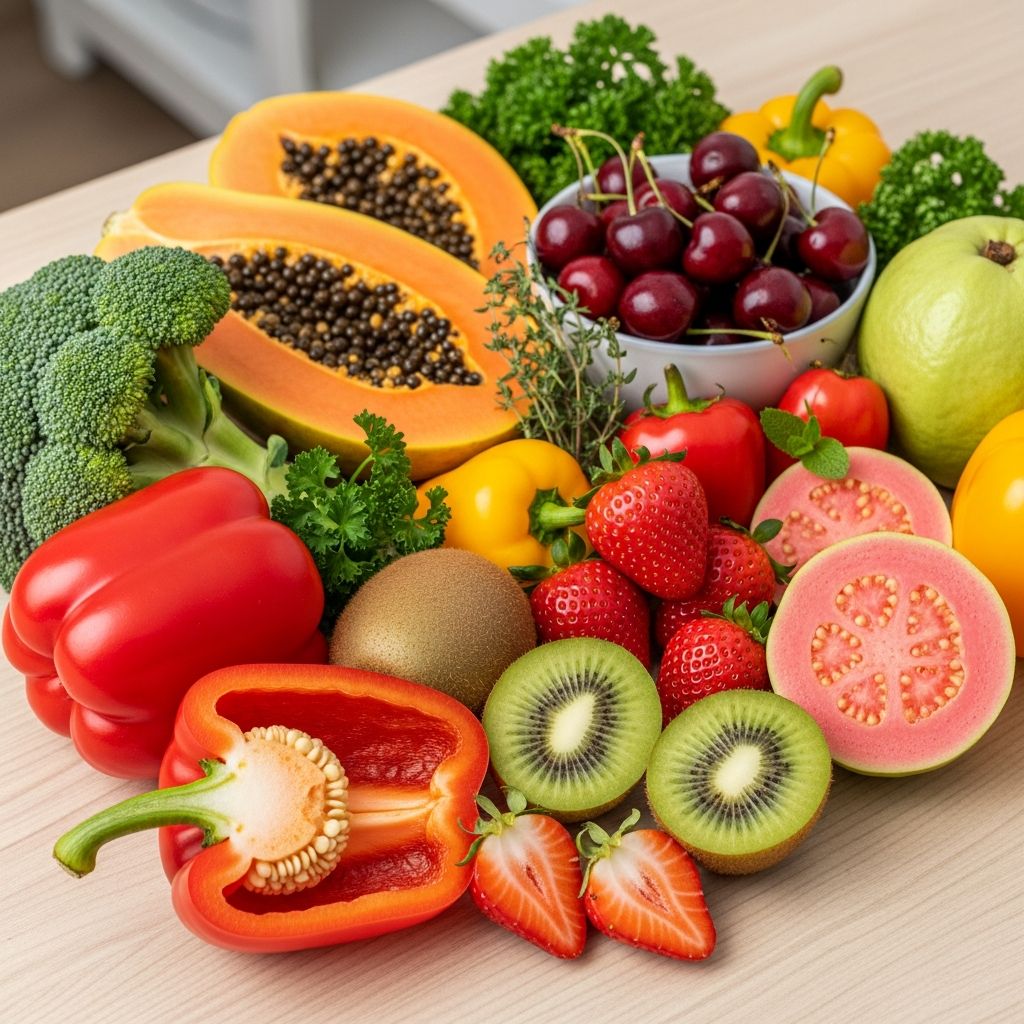
Oranges are famously known for their high vitamin C content, providing about 70 mg per medium fruit, which covers roughly 78% of the daily value (DV) for adults. However, numerous other foods outshine oranges in this essential nutrient, offering superior amounts while delivering additional health perks like antioxidants, fiber, and anti-inflammatory compounds. Vitamin C, or ascorbic acid, supports immune function, collagen production for skin health, iron absorption, and protection against oxidative stress. Incorporating these powerhouse foods can diversify your diet and ensure optimal intake without relying solely on citrus.
The recommended daily allowance (RDA) for vitamin C is 90 mg for men and 75 mg for women, with smokers needing an extra 35 mg. Below, we highlight 12 foods that exceed a medium orange’s vitamin C levels, complete with serving sizes, nutritional breakdowns, and practical tips for consumption. These selections draw from reliable nutritional data, emphasizing fresh, accessible options.
Why Choose Foods Beyond Oranges?
While oranges are convenient, variety prevents nutrient gaps and enhances overall nutrition. Many of these foods provide synergistic benefits: for instance, pairing vitamin C-rich items with iron sources like spinach amplifies absorption. Cooking methods matter too—raw or lightly steamed preserves more vitamin C, as heat can degrade it by up to 50%. Aim for a colorful plate to maximize intake naturally.
1. Chile Peppers
A half-cup of chopped or diced chile peppers packs 108 mg of vitamin C, over 150% of the DV. This spicy staple surpasses oranges significantly. Capsaicin, the heat-causing compound, may relieve joint and muscle pain, as noted in University of Buffalo research. Green chilis offer even more at around 180 mg per half-cup.
- Health Benefits: Boosts immunity, aids digestion, and fights inflammation.
- How to Eat: Add to salsas, stir-fries, or stuff with turkey and chorizo for a nutrient kick.
- Pro Tip: Wear gloves when chopping to avoid skin irritation.
2. Red Bell Pepper
One cup of chopped red bell pepper delivers 190 mg of vitamin C—nearly three times an orange’s amount. It’s also rich in vitamin A for eye health. A medium red pepper provides about 152 mg.
- Health Benefits: Supports vision, skin integrity, and antioxidant defense.
- How to Eat: Slice raw for snacks, roast for salads, or blend into smoothies.
- Nutrition Snapshot: Low-calorie (about 30 per cup), high in fiber.
3. Green Bell Pepper
A cup of chopped green bell pepper contains 120 mg of vitamin C, exceeding 130% DV. Though less than red varieties, it’s still superior to oranges and fiber-packed. Medium green peppers offer around 96 mg.
- Health Benefits: Promotes gut health via fiber; aids weight management.
- How to Eat: Dice into salads, stir into fajitas, or grill as a side.
4. Kale
One cup of raw kale supplies 80-93 mg of vitamin C, plus twice the DV of vitamin A and seven times vitamin K. This leafy green is a mineral powerhouse with omega-3 fatty acids.
- Health Benefits: Bone health, detoxification, and anti-cancer properties from glucosinolates.
- How to Eat: Massage into salads, blend into pesto, or bake kale chips.
- Cooking Note: Raw retains 103% DV per 100g; cooked drops to 23%.
Related Stories



5. Broccoli
A serving of broccoli yields 130 mg of vitamin C for just 30 calories, with ample fiber. Half a cup cooked provides 51 mg. Its sulforaphane may prevent cancer.
- Health Benefits: Detoxification, heart health, and satiety.
- How to Eat: Steam lightly, roast with garlic, or add to sheet pans with Brussels sprouts.
6. Papaya
One cup of papaya offers 88 mg of vitamin C, helping clear sinuses, brighten skin, and strengthen bones.
- Health Benefits: Digestive enzymes, anti-aging antioxidants.
- How to Eat: Scoop fresh, cube into fruit salads, or blend smoothies.
7. Strawberries
A cup of strawberries provides 85 mg of vitamin C, plus folate for heart health and natural teeth-whitening compounds.
- Health Benefits: Cardiovascular support, oral health.
- How to Eat: Fresh, in yogurt parfaits, or lychee panna cotta variations.
8. Cauliflower
A small head delivers 128 mg of vitamin C, 5g fiber, and 5g protein. Versatile for low-carb recipes.
- Health Benefits: Gut health, muscle repair.
- How to Eat: Roast, mash as “rice,” or steam.
9. Brussels Sprouts
These provide 75 mg of vitamin C per serving, with cancer-fighting phytonutrients and fiber. One cup cooked offers 49 mg.
- Health Benefits: Anti-cancer, digestive aid.
- How to Eat: Roast to caramelize natural sugars, masking bitterness.
10. Pineapple
One serving boasts 79 mg of vitamin C and bromelain for digestion and recovery.
- Health Benefits: Reduces bloating, anti-inflammatory post-workout.
- How to Eat: Grill chunks, juice, or eat fresh.
11. Kiwi
Two kiwis yield 137 mg of vitamin C, plus potassium and copper.
- Health Benefits: Heart rhythm, enzyme function.
- How to Eat: Scoop from skin, slice into salads.
12. Mango
A serving gives 122 mg of vitamin C and vitamin A for immunity and eyes.
- Health Benefits: Immune boost, vision support.
- How to Eat: Dice for salsas, smoothies, or tropical bowls.
Comparison Table: Vitamin C Showdown
| Food (Serving) | Vitamin C (mg) | % DV | Orange Comparison |
|---|---|---|---|
| Orange (1 medium) | 70 | 78% | Baseline |
| Red Bell Pepper (1 cup) | 190 | 211% | 2.7x |
| Kiwi (2 fruits) | 137 | 152% | 2x |
| Chile Peppers (1/2 cup) | 108 | 120% | 1.5x |
Data synthesized from USDA and health sources.
Tips for Maximizing Vitamin C Intake
- Store produce in cool, dark places to prevent oxidation.
- Consume raw when possible; quick steaming retains more than boiling.
- Combine with healthy fats (e.g., avocado on kale) for better absorption of fat-soluble companions.
- Daily goal: Mix 2-3 from this list for effortless RDA achievement.
Frequently Asked Questions (FAQs)
What food has the most vitamin C?
Kakadu plums top the list with up to 2,907 mg per 100g, but among common foods, red bell peppers and kiwi lead.
Are bananas high in vitamin C?
No, bananas have only 8.7 mg per 100g, far below oranges.
Does cooking destroy vitamin C?
Yes, heat reduces it, but lightly cooking leafy greens like kale still provides substantial amounts.
Can I get enough vitamin C from diet alone?
Absolutely—diversifying with these foods meets needs without supplements for most people.
Potential Risks and Considerations
Vitamin C is water-soluble, so excess is excreted, but intakes over 2,000 mg daily may cause digestive upset. Those with kidney issues should consult doctors. Always wash produce thoroughly.
References
- 12 Foods with More Vitamin C than Oranges — Chicago Health Online. 2023. https://chicagohealthonline.com/12-foods-with-more-vitamin-c-than-oranges/
- 20 Foods That Are High in Vitamin C — Healthline. 2023-10-12. https://www.healthline.com/nutrition/vitamin-c-foods
- Vitamin C – Health Professional Fact Sheet — NIH Office of Dietary Supplements. 2024-06-05. https://ods.od.nih.gov/factsheets/VitaminC-HealthProfessional/
- Nutrients: Vitamin C, Total Ascorbic Acid (mg) — USDA National Agricultural Library. 2022. https://www.nal.usda.gov/sites/default/files/page-files/Vitamin%20C.pdf
- What foods have vitamin C? A lot more than oranges — Amway Global. 2023. https://www.amwayglobal.com/newsroom/what-foods-have-vitamin-c-a-lot-more-than-oranges/
- Sources of Vitamin C Other Than Oranges — WebMD. 2024. https://health.clevelandclinic.org/sources-of-vitamin-c
- 17 Foods High in Vitamin C — Cleveland Clinic. 2023-05-11. https://www.webmd.com/food-recipes/ss/slideshow-vitamin-c-sources
Similar Articles








Read full bio of Sneha Tete