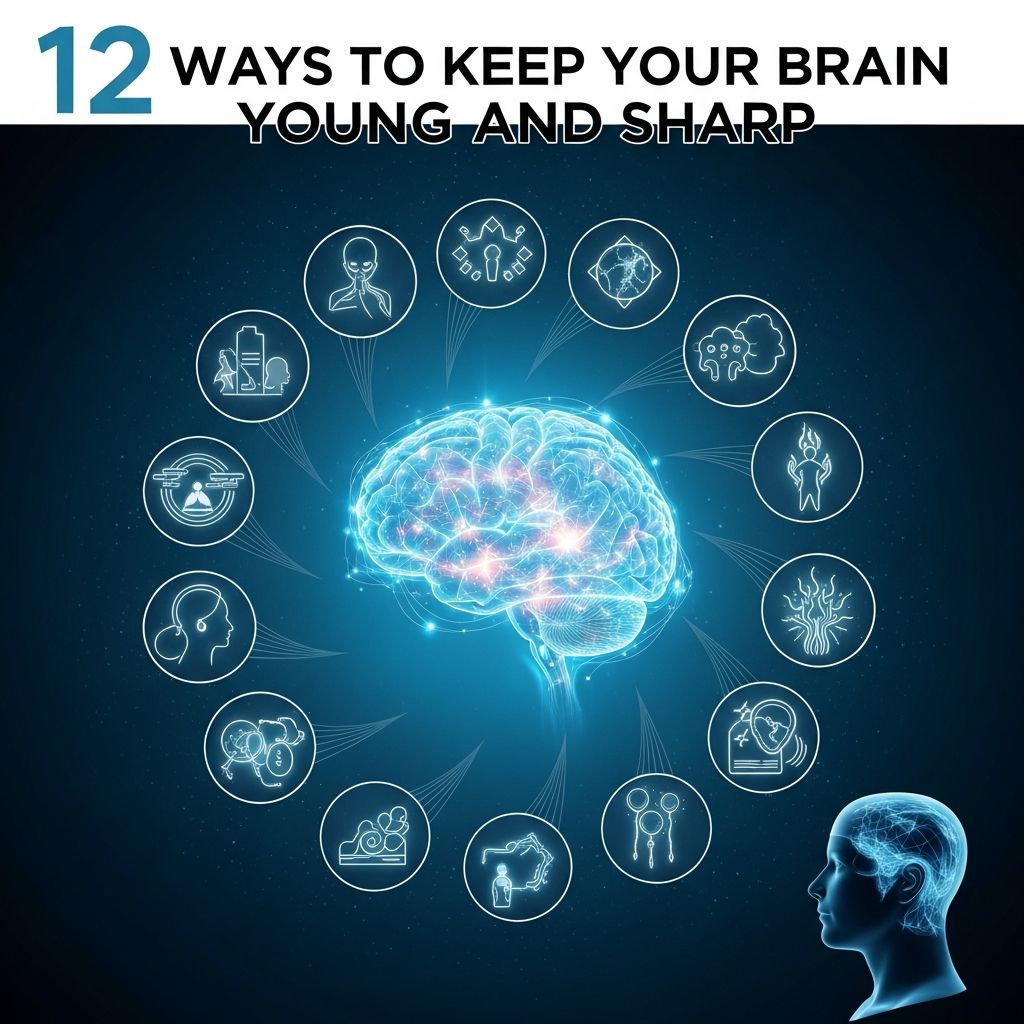
12 Ways to Keep Your Brain Young and Sharp
Science-backed strategies to maintain cognitive function and mental sharpness at any age.
As we age, maintaining cognitive function and mental sharpness becomes increasingly important for quality of life and independence. The good news is that brain health is not predetermined by genetics alone—lifestyle choices play a significant role in how well our minds perform throughout our lives. Research from leading health institutions has identified specific strategies that can help keep your brain young, maintain mental acuity, and even prevent cognitive decline. Whether you’re in your 30s, 50s, or beyond, these evidence-based approaches can help you preserve and enhance your brain function for years to come.
1. Engage in Mental Stimulation and Brain Exercises
One of the most effective ways to keep your brain young is through consistent mental stimulation. When you challenge your mind with new and complex tasks, you generate new brain cells, develop neurological plasticity, and build functional reserves that protect against future cognitive decline. Mental exercise works similarly to physical exercise—the more you use your brain in challenging ways, the stronger it becomes.
Effective mental stimulation activities include:
- Solving crossword puzzles, sudoku, or jigsaw puzzles
- Playing strategic card games or board games that require planning
- Participating in trivia competitions or quiz nights
- Engaging in arts and crafts projects
- Reading books, particularly those that challenge your thinking
- Watching educational documentaries and videos
- Learning new skills or hobbies that require problem-solving
The key is consistency and challenge. Your brain adapts to routine tasks, so varying your mental activities and gradually increasing difficulty helps maintain cognitive benefits. Even simple activities become more beneficial when you push yourself to improve or learn variations you haven’t mastered before.
2. Stay Physically Active and Exercise Regularly
Physical activity is one of the most powerful tools for maintaining brain health. When you exercise, your muscles send signals that help your mind function optimally. Research demonstrates that regular physical activity increases the number of tiny blood vessels that deliver oxygen-rich blood to the brain regions responsible for thought and cognition. Additionally, exercise stimulates the development of new nerve cells and increases the connections between brain cells, known as synapses.
The benefits of exercise for brain health are substantial and well-documented. Physical activity improves cerebrovascular functioning and brain perfusion, reduces stress response, and increases overall brain plasticity. Even moderate aerobic exercise can produce measurable improvements in cognitive function, with studies showing that previously sedentary adults who engaged in physical activity for just three one-hour sessions per week for 12 weeks demonstrated significant improvements in memory function.
Recommended exercise guidelines:
- Aim for at least 150 minutes of moderate-intensity aerobic activity per week
- Include strength training exercises 2-3 times per week
- Try yoga for combined physical and mental benefits
- Take regular walks, jogs, or runs
- Engage in activities you enjoy to ensure consistency
The type of exercise matters less than consistency and personal preference. What matters most is that you move regularly and challenge your cardiovascular system, as this increases blood flow to the brain and promotes the growth of new neural connections.
3. Prioritize Quality Sleep
Sleep is essential for brain health and cognitive function. During sleep, your brain processes information, consolidates memories, and clears out accumulated metabolic waste through the glymphatic system. Without adequate sleep, your brain cannot perform these critical maintenance functions, leading to impaired concentration, memory problems, and accelerated cognitive decline.
Related Stories



Most adults need approximately 7-9 hours of sleep per night, though individual requirements vary. During sleep, the brain actively works to strengthen memories, process emotions, and maintain neural connections. Chronic sleep deprivation has been linked to increased risk of cognitive impairment, dementia, and various neurological disorders.
Tips for better sleep:
- Maintain a consistent sleep schedule, going to bed and waking at the same time daily
- Create a dark, quiet, and cool sleep environment
- Avoid screens and bright lights 30-60 minutes before bedtime
- Limit caffeine consumption, especially in the afternoon and evening
- Practice relaxation techniques before bed
- Exercise regularly, but not close to bedtime
4. Eat a Brain-Healthy Diet
Nutrition profoundly affects brain function and structure. The foods you consume provide the building blocks and energy your brain needs to function optimally. A diet rich in antioxidants, healthy fats, and essential nutrients supports cognitive function and protects against age-related decline.
Key nutrients for brain health:
- Antioxidant-rich foods: Dark grapes, blueberries, strawberries, blackberries, dark leafy greens like kale and broccoli
- Omega-3 fatty acids: Wild salmon, sardines, albacore tuna, and oysters
- Nuts and seeds: Almonds, walnuts, and flaxseeds rich in healthy fats
- Whole grains: Oats, brown rice, and quinoa for sustained energy
- Legumes: Beans and lentils high in protein and fiber
- Colorful vegetables: Sweet potatoes, carrots, and other nutrient-dense options
- Green tea: Contains compounds that support cognitive function
A Mediterranean-style diet—emphasizing vegetables, fruits, whole grains, legumes, nuts, and fish—has shown particular promise for maintaining brain health and reducing cognitive decline risk. Limiting processed foods, excess sugar, and unhealthy fats while maintaining a varied, nutrient-dense diet provides your brain with optimal nutritional support.
5. Manage Cardiovascular Health and Blood Pressure
Your brain’s health is intimately connected to your cardiovascular health. High blood pressure in midlife significantly increases the risk of cognitive decline in later years. The relationship between vascular health and brain function is direct: your brain requires consistent blood flow to receive oxygen and nutrients essential for optimal function.
Managing cardiovascular risk factors directly protects cognitive function. This includes maintaining healthy blood pressure, cholesterol levels, and glucose control. Conditions like hypertension, diabetes, and atherosclerosis can damage blood vessels and reduce blood flow to the brain, leading to cognitive impairment.
Key cardiovascular management strategies:
- Monitor blood pressure regularly and work with healthcare providers to maintain healthy levels
- Maintain healthy cholesterol levels through diet and medication if necessary
- Control blood sugar and reduce diabetes risk through diet and exercise
- Reduce sodium intake to support healthy blood pressure
- Avoid smoking and limit secondhand smoke exposure
6. Limit Alcohol Consumption
While moderate alcohol consumption may have some health benefits, excessive drinking damages brain tissue and accelerates cognitive decline. Alcohol affects multiple neurotransmitter systems, impairs memory formation, and can lead to brain atrophy over time. Keeping alcohol consumption to moderate levels—no more than one drink daily for women and two for men—protects cognitive function.
For optimal brain health, many individuals choose to significantly limit or eliminate alcohol consumption. If you do drink, do so in moderation and always consider your individual health status and family history.
7. Learn Something New
Continuous learning keeps your brain young by creating new neural pathways and strengthening cognitive reserves. Learning new languages, musical instruments, technical skills, or academic subjects challenges your brain in unique ways and provides cognitive benefits that extend beyond the specific skill learned.
Learning opportunities to consider:
- Learn a new language or multiple languages
- Take up a musical instrument
- Enroll in online courses or community classes
- Pursue creative hobbies like painting or writing
- Study history, science, or philosophy
- Learn new technology or software
The challenge and novelty associated with learning something new is what provides the greatest cognitive benefit. Your brain thrives on the complexity and effort required to master new material.
8. Maintain an Active Social Life
Social engagement is a powerful predictor of cognitive health and longevity. Research involving thousands of older adults demonstrates that those who maintain active social connections and receive social support experience slower rates of cognitive decline and better overall brain function. Social interaction stimulates multiple cognitive processes simultaneously, including memory, attention, and emotional processing.
Elderly individuals who feel positive emotions and socialize regularly have lower risks of developing dementia and score more highly on cognitive function tests. Social activities challenge your brain, provide emotional fulfillment, and reduce stress—all factors that protect cognitive function.
Ways to enhance social engagement:
- Participate in group activities at senior centers or community organizations
- Join clubs or classes aligned with your interests
- Volunteer in your community
- Maintain regular contact with family and friends
- Attend social events and gatherings
- Join support groups or discussion clubs
9. Practice Stress Management and Mindfulness
Chronic stress damages the brain, particularly the hippocampus, which is crucial for memory formation. Elevated stress hormones like cortisol can impair cognitive function, reduce memory, and accelerate brain aging. Learning to manage stress effectively protects your cognitive health and supports overall wellbeing.
Effective stress management techniques:
- Practice meditation and mindfulness regularly
- Engage in deep breathing exercises
- Practice yoga, which combines physical activity with stress reduction
- Spend time in nature
- Engage in creative pursuits like art or music
- Practice progressive muscle relaxation
- Maintain work-life balance
Mindfulness meditation, in particular, has shown significant benefits for brain health, improving attention, emotional regulation, and even increasing gray matter density in brain regions associated with memory and emotional processing.
10. Stay Mentally Engaged with Challenging Work
Intellectually demanding work and hobbies keep your brain sharp by requiring sustained attention, problem-solving, and creative thinking. Whether through professional work, volunteer activities, or personal projects, engaging in mentally challenging pursuits builds cognitive reserve and protects against decline.
The complexity and novelty of your mental engagement matter more than the specific activity. Work that requires adaptation, learning, and problem-solving provides the greatest cognitive benefit, while routine, unchallenging tasks provide minimal stimulation.
11. Monitor and Control Chronic Conditions
Many disease states accelerate brain deterioration and cognitive decline. Conditions like diabetes, hypertension, heart disease, and depression all negatively impact brain health. Maintaining overall health through proper management of chronic conditions is essential for cognitive preservation.
Key areas for health maintenance:
- Maintain glucose control and manage diabetes risk
- Keep cholesterol levels in healthy ranges
- Monitor and manage blood pressure
- Treat depression and anxiety promptly
- Manage inflammatory conditions
- Regular health check-ups and screenings
A healthy body supports a healthy brain, so taking care of your general health will substantially preserve your cognitive health and function.
12. Seek Mental Health Support When Needed
Mental health significantly influences brain function and cognitive performance. Depression, anxiety, and emotional distress can impair memory, concentration, and overall cognitive function. Seeking professional support when experiencing mental health challenges protects both emotional wellbeing and cognitive health.
If you experience depression, anxiety, persistent worry, or emotional distress, consulting with mental health professionals—including therapists, counselors, or psychiatrists—can provide strategies and treatments that support both emotional and cognitive health.
The Comprehensive Approach to Brain Health
Maintaining a young, sharp brain requires a comprehensive approach combining multiple strategies rather than relying on any single intervention. The most effective approach integrates physical exercise, mental stimulation, proper nutrition, quality sleep, social engagement, stress management, and attention to overall health. These elements work synergistically—exercise improves sleep quality, social engagement reduces stress, good nutrition supports cognitive function, and mental stimulation builds neural reserves.
The encouraging news is that it’s never too late to implement these brain-healthy strategies. Research shows that even individuals who begin these practices later in life experience significant cognitive benefits. Your brain retains neuroplasticity—the ability to form new connections and adapt—throughout your entire life, making it possible to maintain and improve cognitive function at any age.
Frequently Asked Questions
Q: At what age should I start focusing on brain health?
A: Brain health is important at every age. While prevention becomes increasingly important in midlife and older years, establishing healthy habits early in life creates a strong foundation and builds cognitive reserve that protects against decline later.
Q: How long does it take to see cognitive improvements from these strategies?
A: Some benefits appear relatively quickly—improved sleep and stress management can enhance cognitive function within days or weeks. Other changes, like increased brain volume from exercise, may take weeks to months. Consistency is more important than speed.
Q: Can brain decline be reversed?
A: While some forms of dementia cannot be reversed, research shows that cognitive function can be improved and decline can be slowed through lifestyle interventions. Early intervention provides the best outcomes.
Q: How much exercise is needed for brain health benefits?
A: Aim for at least 150 minutes of moderate-intensity aerobic activity weekly, along with strength training 2-3 times per week. Even short sessions of physical activity provide cognitive benefits.
Q: Are supplements necessary for brain health?
A: A balanced diet rich in nutrients generally provides adequate nutrition for brain health. While some supplements may be beneficial in specific cases, consulting with healthcare providers ensures appropriate recommendations for your individual needs.
Q: How does social engagement specifically help the brain?
A: Social interaction engages multiple cognitive processes simultaneously—memory, attention, emotional processing, and language—while reducing stress and providing emotional support. These combined effects protect cognitive function and slow age-related decline.
References
- 12 Ways to Keep Your Brain Young — Harvard Health Publishing. 2024. https://www.health.harvard.edu/mind-and-mood/12-ways-to-keep-your-brain-young
- What Makes a Healthy Brain — South Peninsula Hospital. 2024. https://www.sphosp.org/healthy-in-homer__trashed/what-makes-a-healthy-brain/
- Physical Activity and Cardiovascular Health: Scientific Statement from the American Heart Association and American Stroke Association — American Heart Association. 2011. https://www.heart.org
Similar Articles








Read full bio of medha deb