12 Ways To Get Your Daily Vitamin D For Bone Health
Boost your vitamin D intake naturally and through supplements to support bone health and prevent osteoporosis with these 12 proven strategies.
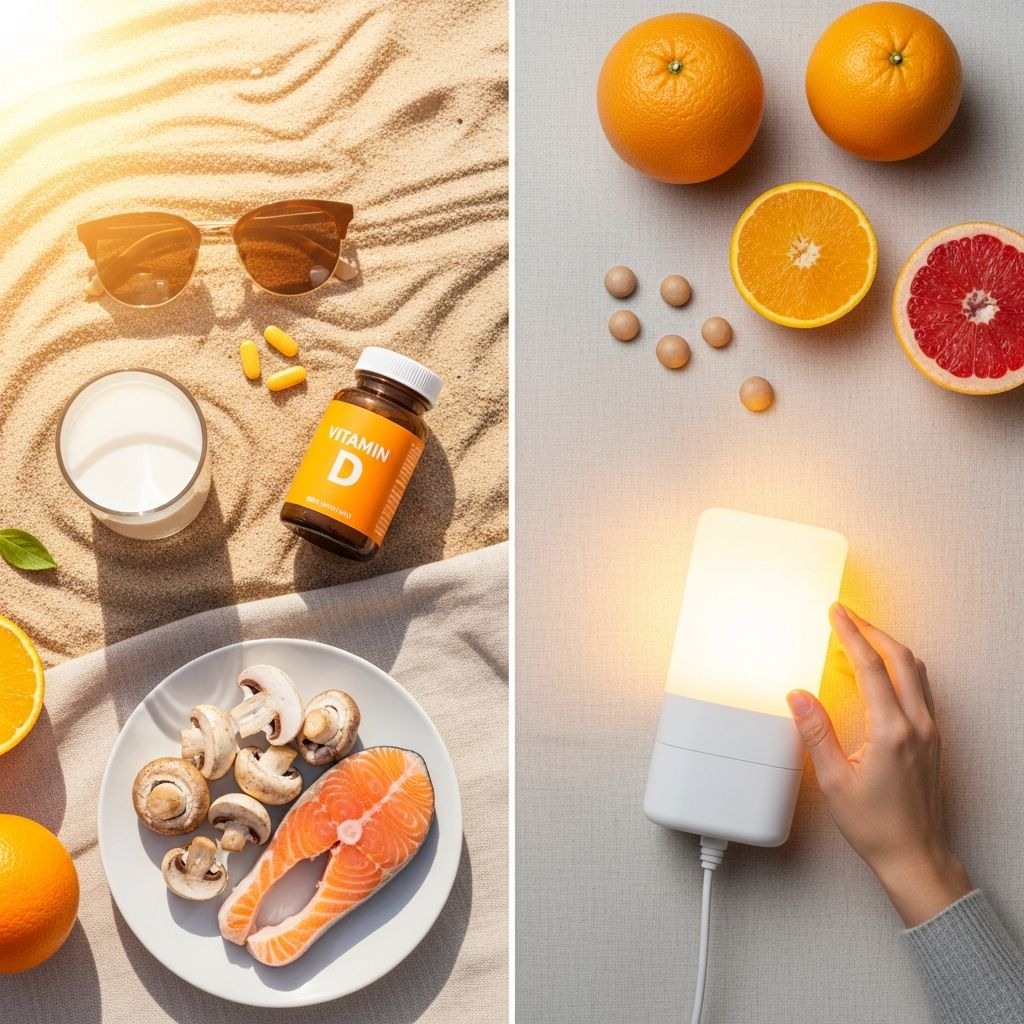
Vitamin D is essential for
bone health
, playing a critical role in calcium absorption, bone mineralization, and muscle function to prevent conditions like osteoporosis and fractures. Deficiency can lead to bone loss, increased fracture risk, and muscle weakness, particularly in older adults.The body produces vitamin D through skin exposure to UVB sunlight, but factors like limited sun exposure, darker skin, age, and location reduce synthesis. Dietary sources are limited, making proactive strategies vital. Health authorities recommend 600-800 IU daily for most adults, up to 1000 IU for seniors over 60 to support bone health and reduce falls.
1. Spend Time in the Sun
Sunlight is the primary natural source of vitamin D, as UVB rays convert 7-dehydrocholesterol in the skin to previtamin D3. About 10-30 minutes of midday sun exposure several times a week on face, arms, and legs can produce sufficient vitamin D for many people, depending on skin tone, latitude, and season.
For fair-skinned individuals, 15 minutes may suffice; those with darker skin need longer due to melanin blocking UVB. Avoid sunburn by using sunscreen after initial exposure, as it blocks production. In northern latitudes or winter, sun alone may not be enough, increasing reliance on diet or supplements.
2. Eat Fatty Fish
Fatty fish like salmon, mackerel, sardines, and tuna are among the best dietary sources of vitamin D. A 3-ounce serving of wild-caught salmon provides about 400-600 IU, nearly meeting daily needs. Canned sardines in oil offer around 270 IU per serving.
- Salmon (sockeye, cooked): 570 IU per 3 oz
- Mackerel (Atlantic, cooked): 360 IU per 3 oz
- Sardines (canned in oil): 270 IU per 3 oz
- Tuna (light, canned in water): 150 IU per 3 oz
Incorporate fish 2-3 times weekly. Choose wild-caught when possible for higher levels, but farmed fish still contribute significantly.
3. Consume Fortified Foods
Many foods are fortified with vitamin D, including milk, orange juice, yogurt, cereals, and plant-based alternatives like almond milk. One cup of fortified milk provides 100-120 IU.
- Fortified cow’s milk: 115 IU per cup
- Fortified orange juice: 100 IU per cup
- Fortified cereals: 40-100 IU per serving
- Fortified yogurt: 80 IU per 6 oz
Check labels for ‘vitamin D’ content. Fortification helps those with limited sun exposure or dietary restrictions meet needs without supplements.
4. Eat Egg Yolks
Egg yolks contain about 40 IU of vitamin D per large egg, mostly vitamin D3. While not the richest source, they add up when eaten regularly, such as in breakfast omelets or baked goods. Pasture-raised eggs may have higher levels due to hens’ sun exposure.
Combine with other sources for cumulative benefits. Eggs also provide protein and healthy fats supporting overall nutrition.
5. Try Mushrooms Exposed to UV Light
Mushrooms like maitake and chanterelle naturally contain some vitamin D2, but levels skyrocket when exposed to UV light. UV-treated portobello mushrooms can provide 400 IU per serving, rivaling fish.
Buy pre-exposed varieties or place crimini/portobello mushrooms gills-up on a rack under sunlight or UV lamp for 15-120 minutes. This vegan-friendly option boosts plant-based diets.
Related Stories



6. Take a Vitamin D Supplement
Supplements are reliable when diet and sun fall short, especially for at-risk groups like older adults, housebound individuals, or those with malabsorption. Vitamin D3 (cholecalciferol) is preferred over D2 for better efficacy.
IOF recommends 800-1000 IU/day for seniors; NIH suggests 600 IU up to age 70, 800 IU after. Test blood 25(OH)D levels (aim for 20-50 ng/mL) to guide dosing. Combine with calcium for osteoporosis management unless replete.
7. Drink Fortified Plant Milks
For vegans or lactose-intolerant individuals, fortified soy, almond, oat, or rice milk provides 100-150 IU per cup. Opt for those listing vitamin D on labels, as not all are fortified.
These mimic dairy benefits without animal products, supporting bone health in diverse diets.
8. Eat Beef Liver
Beef liver offers 42 IU per 3-ounce serving, plus vitamin A, iron, and B12. Consume in moderation (1-2 times weekly) due to high cholesterol and vitamin A.
Ideal for omnivores seeking nutrient-dense organ meats.
9. Include Cheese
Some cheeses like Swiss and ricotta provide 12-24 IU per ounce. While modest, they contribute when eaten regularly, especially in calcium-rich diets for bone synergy.
- Swiss cheese: 24 IU per 1 oz
- Ricotta (part-skim): 20 IU per ½ cup
10. Consider Cod Liver Oil
A teaspoon of cod liver oil delivers 400-1000 IU vitamin D plus omega-3s and vitamin A. Traditional remedy, but watch for high vitamin A; modern versions balance this.
Take as liquid or capsules; consult doctor for dosing.
11. Get a Blood Test
Regular 25(OH)D testing identifies deficiency (<20 ng/mL), guiding supplementation. At-risk: obese, dark-skinned, elderly, northern dwellers.
Annual checks for osteoporosis patients ensure optimal levels for treatment efficacy.
12. Talk to Your Doctor
Consult healthcare providers before starting supplements, especially with medications or conditions. They assess needs, recommend doses, and monitor for hypercalcemia risks at high intakes (>4000 IU).
Personalized advice maximizes benefits, minimizes risks like high-dose harms.
Benefits of Vitamin D for Bone Health
Vitamin D stimulates intestinal calcium absorption, essential for bone mineralization. Deficiency causes secondary hyperparathyroidism, bone loss, and osteoporosis. Supplementation reduces turnover, boosts density, and lowers fracture risk when combined with calcium, particularly if levels <30 nmol/L.
In older adults, it prevents osteomalacia, supports muscle strength to avoid falls. Clinical trials show mixed results: benefits in deficient individuals, no major gains in replete healthy adults at high doses.
| Source | Vitamin D (IU per serving) | Notes |
|---|---|---|
| Salmon (3 oz) | 400-600 | Best natural source |
| Fortified milk (1 cup) | 115 | Widely available |
| UV mushrooms (½ cup) | 400 | Vegan option |
| Supplement (daily) | 600-1000 | For deficiency |
Frequently Asked Questions (FAQs)
What is the recommended daily vitamin D intake?
NIH recommends 600 IU (15 mcg) for adults up to 70, 800 IU after; IOF suggests 800-1000 IU for seniors over 60.
Can too much vitamin D harm bones?
High doses (10,000 IU/day) may decrease bone density in healthy adults; stick to <4000 IU unless prescribed.
Who is at risk for vitamin D deficiency?
Older adults, limited sun exposure, dark skin, obesity, malabsorption issues.
Does vitamin D prevent osteoporosis?
It aids calcium absorption and bone density; supplements reduce fractures in deficient individuals with calcium.
How much sun is needed for vitamin D?
10-30 minutes midday, several times weekly, exposing arms/legs/face without sunscreen initially.
References
- The effect of vitamin D on bone and osteoporosis — PubMed/NCBI. 2011-08-25. https://pubmed.ncbi.nlm.nih.gov/21872800/
- Effect of High-Dose Vitamin D Supplementation on Volumetric Bone Density and Bone Strength: A Randomized Clinical Trial — JAMA Network. 2019-08-13. https://jamanetwork.com/journals/jama/fullarticle/2748796
- Vitamin D – Health Professional Fact Sheet — NIH Office of Dietary Supplements (ods.od.nih.gov). 2024-07-17. https://ods.od.nih.gov/factsheets/VitaminD-HealthProfessional/
- Vitamin D — Mayo Clinic. 2023-11-07. https://www.mayoclinic.org/drugs-supplements-vitamin-d/art-20363792
- You likely don’t need vitamin D pills for strong bones — Harvard Gazette. 2022-08-30. https://news.harvard.edu/gazette/story/2022/08/you-likely-dont-need-vitamin-d-pills-for-strong-bones/
- Vitamin D — International Osteoporosis Foundation. Accessed 2026. https://www.osteoporosis.foundation/patients/prevention/vitamin-d
Similar Articles








Read full bio of Sneha Tete