13 Best and Worst Foods for People With Diabetes
Discover the top foods to embrace and avoid for better blood sugar control and diabetes management.
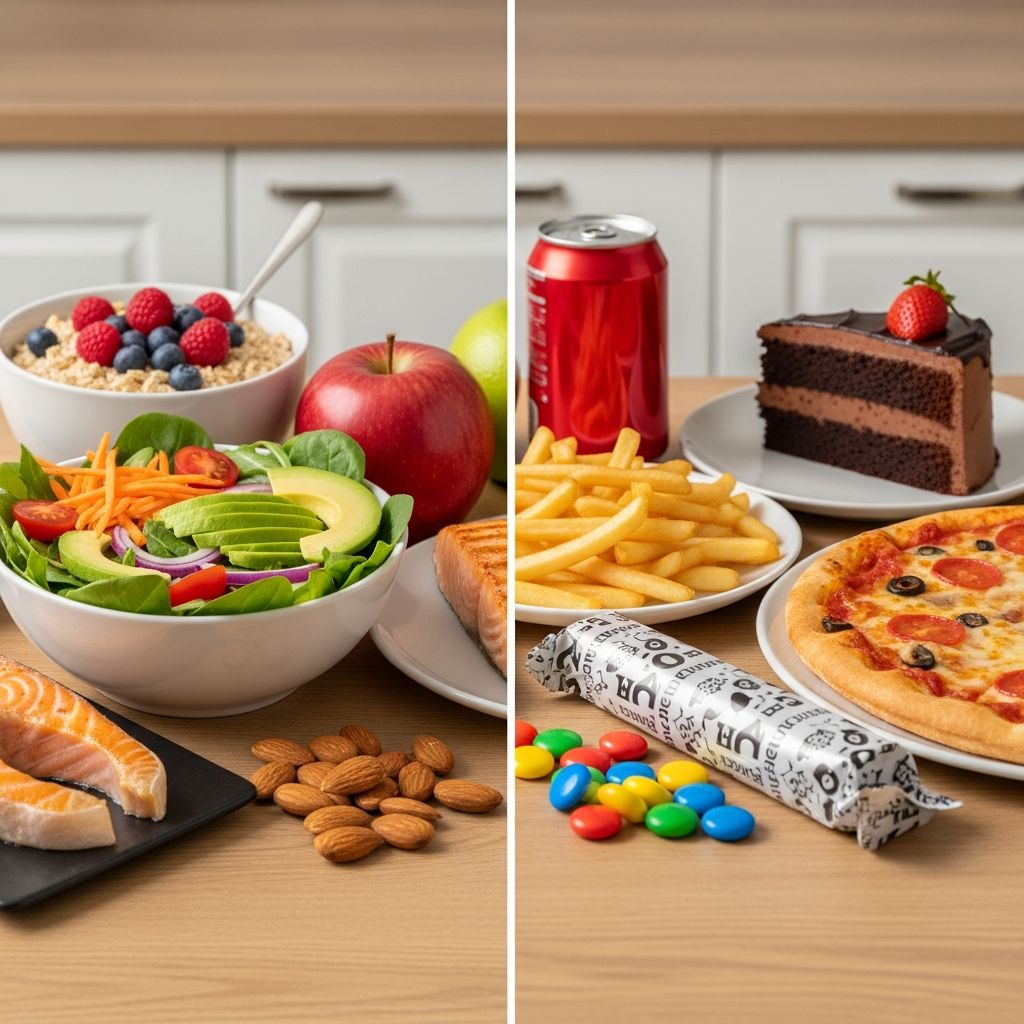
Managing type 2 diabetes starts with smart food choices that stabilize blood glucose levels. Foods high in carbohydrates directly impact blood sugar, as they break down into glucose, so prioritizing low-glycemic, fiber-rich options is key. According to the National Institutes of Health (NIH), healthy eating involves a variety of fruits, vegetables, whole grains, lean proteins, and low-fat dairy while limiting sugary and high-carb items. The American Diabetes Association (ADA) highlights ‘superstar foods’ like non-starchy vegetables and fatty fish for their nutrient density and blood sugar benefits. This guide covers the 13 best foods to include and worst to avoid, helping you build balanced meals.
Best Foods for People With Diabetes
Incorporating these nutrient-dense foods supports steady blood sugar, heart health, and weight management. Aim to fill half your plate with non-starchy vegetables, a quarter with proteins, and a quarter with healthy carbs per the Diabetes Plate method.
1. Fatty Fish
Fatty fish like salmon, mackerel, sardines, and tuna are rich in omega-3 fatty acids, which reduce inflammation and support heart health—crucial for people with diabetes who face higher cardiovascular risks. The ADA recommends eating fatty fish at least twice weekly, prepared by broiling, baking, or grilling to avoid added carbs and calories from frying. A 3-ounce serving provides about 20 grams of protein with minimal carbs, helping maintain satiety without blood sugar spikes. Studies link omega-3s to improved insulin sensitivity.
2. Leafy Greens
Dark leafy greens such as spinach, kale, collards, and Swiss chard are low-calorie, low-carb powerhouses packed with vitamins A, C, K, folate, iron, calcium, and potassium. They fit perfectly on the non-starchy vegetable portion of your plate, making up half your meal. One cup of raw spinach has just 1 gram of carbs and 7 calories, promoting fullness via high fiber content. NIH emphasizes vegetables for diabetes diets to control glucose and prevent complications like vision loss. Add to salads, soups, or smoothies.
3. Avocados
Avocados deliver heart-healthy monounsaturated fats, fiber, and fat-soluble vitamins, aiding fullness and blood sugar stability. Half an avocado offers 10 grams of fiber and 15 grams of fat with only 2 grams of net carbs. Their creamy texture makes them versatile for toast, salads, or guacamole. Research shows these fats improve insulin response, countering diabetes-related issues.
4. Eggs
Eggs provide high-quality protein (6 grams per egg) and essential nutrients like choline and vitamin D with zero carbs. They promote satiety, helping with portion control and weight management. NIH includes eggs in recommended proteins for diabetes. Enjoy boiled, poached, or scrambled, but limit frying to keep fats healthy.
5. Chia Seeds
These tiny seeds boast omega-3s, fiber (10 grams per ounce), protein, and antioxidants. When soaked, they form a gel that slows digestion, preventing blood sugar spikes. Use in puddings, smoothies, or yogurt. A tablespoon adds nutrition without many calories.
6. Beans and Legumes
Kidney, black, pinto beans, chickpeas, lentils, and peas offer plant-based protein (7-8 grams per half-cup), fiber, folate, potassium, iron, and zinc. Though they contain carbs, their fiber content lowers glycemic impact—equivalent to meat’s protein without saturated fat. Rinse canned versions to reduce sodium; opt for dry to control flavors. NIH lists them as key proteins.
7. Greek Yogurt
Plain, low-fat Greek yogurt delivers 15-20 grams of protein per cup, probiotics for gut health, and calcium with moderate carbs (about 8 grams). Choose unsweetened varieties; add berries for natural sweetness. It supports muscle maintenance and steady energy.
Related Stories



8. Nuts
Almonds, walnuts, pistachios, and pecans provide healthy fats, magnesium, fiber, and omega-3s (especially walnuts). An ounce curbs hunger; roast your own to avoid excess sodium. Limit to 1 ounce daily to manage calories.
9. Berries
Strawberries, blueberries, raspberries, and blackberries are antioxidant-rich with vitamins C and K, manganese, potassium, and fiber. Low glycemic index means minimal blood sugar rise; a cup of strawberries has 11 grams of carbs, mostly fiber. Perfect for satisfying sweet cravings healthily.
10. Citrus Fruits
Oranges, grapefruits, lemons, and limes supply vitamin C, fiber, folate, and potassium. Eat whole fruits for pulp fiber, avoiding juice. Half a grapefruit offers sustained energy.
11. Sweet Potatoes
Unlike white potatoes, sweet potatoes have a lower glycemic index due to fiber and antioxidants. A medium one provides complex carbs, vitamin A, and potassium. Bake or steam for best results.
12. Quinoa
This whole grain pseudo-cereal is protein-complete (8 grams per cup cooked), with magnesium, iron, and fiber. It digests slowly, stabilizing blood sugar. Use in salads or as rice substitute.
13. Broccoli
This cruciferous veggie is low-carb (6 grams per cup), high in fiber, vitamin C, and sulforaphane, which may enhance insulin sensitivity. Steam or roast to retain nutrients.
Worst Foods for People With Diabetes
These items cause rapid blood sugar spikes due to high carbs, added sugars, or unhealthy fats. Limit them to occasional small portions.
1. Sugary Cereals
Many breakfast cereals are loaded with added sugars (up to 12 grams per serving), refined grains, and low fiber, causing sharp glucose rises. NIH warns against sweetened cereals. Choose whole grain, low-sugar options instead.
2. White Bread
Made from refined flour, it lacks fiber and digests quickly, spiking blood sugar like table sugar. Opt for whole wheat or grain-free alternatives.
3. Sugary Coffee Drinks
Frappuccinos and lattes pack 30-60 grams of sugar per serving. Stick to black coffee or unsweetened teas.
4. Dried Fruit
Concentrated sugars without fiber lead to overeating and spikes. Limit to small handfuls of unsweetened varieties.
5. Packaged Snack Foods
Chips and crackers are high in refined carbs, sodium, and trans fats. Choose nuts or veggies.
6. Fruit Juice
Liquid carbs absorb fast without fiber; an 8-ounce glass equals 30 grams of sugar. Eat whole fruit.
7. Potato Chips and French Fries
Starchy potatoes plus frying oils raise blood sugar and heart risks. Bake potato wedges sparingly.
Meal Planning Tips for Diabetes
Count carbs consistently, eat regular balanced meals, and consult a registered dietitian for personalized plans considering medications, weight, and lifestyle. Shop seasonally for affordable superstar foods; rinse canned items to cut sodium.
| Best Foods | Why Beneficial | Serving Suggestion |
|---|---|---|
| Fatty Fish | Omega-3s, protein | Baked salmon (3 oz) |
| Leafy Greens | Low-carb vitamins | Spinach salad (2 cups) |
| Berries | Fiber, antioxidants | 1 cup fresh |
| White Bread | Refined carbs spike | Avoid; use whole grain |
| Sugary Cereals | High sugar | Avoid; choose oats |
Frequently Asked Questions (FAQs)
What is the best diet for diabetes?
There is no one-size-fits-all diet; plans tailored by a dietitian consider medications, weight, and preferences, focusing on balanced carbs, proteins, and fats.
How do carbs affect blood sugar?
Carbs break down into glucose, raising blood levels; more carbs mean higher spikes, so monitor intake.
Can people with diabetes eat fruit?
Yes, choose low-glycemic whole fruits like berries and citrus over juices or dried fruit.
What superfoods help manage diabetes?
Non-starchy veggies, fatty fish, beans, nuts, berries, and whole grains are superstar choices.
Should I avoid all carbs with diabetes?
No, focus on quality carbs from whole sources in controlled amounts.
References
- Diabetic Diet — MedlinePlus (National Library of Medicine). 2023-10-15. https://medlineplus.gov/diabeticdiet.html
- What Superstar Foods Are Good for Diabetes? — American Diabetes Association. 2024-05-20. https://diabetes.org/food-nutrition/food-and-blood-sugar/diabetes-superstar-foods
Similar Articles








Read full bio of Sneha Tete