13 Bipolar Disorder Symptoms You Need to Know
Recognize the key signs of bipolar disorder from mania to depression, according to expert insights from psychologists and health authorities.
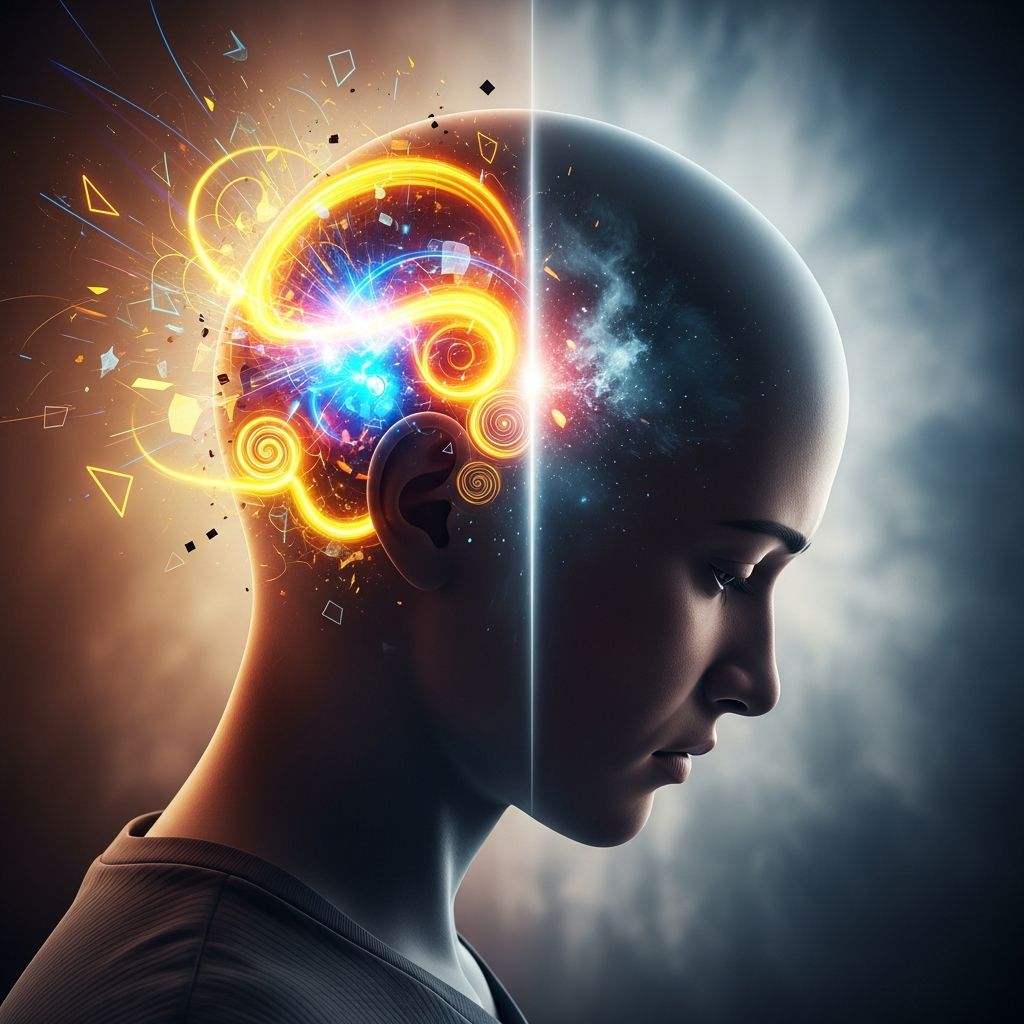
Bipolar disorder is a mental health condition characterized by extreme mood swings, including manic or hypomanic highs and depressive lows that disrupt daily life. These episodes can last days to weeks, affecting energy, behavior, and judgment.
Understanding these symptoms is crucial for early intervention. Psychologists emphasize that symptoms vary by type—Bipolar I involves full mania, while Bipolar II features hypomania and depression. Children and teens may show rapid mood shifts.
What Is Bipolar Disorder?
Bipolar disorder, once called manic depression, causes intense shifts in mood, energy, and activity. Manic episodes bring euphoria or irritability with high energy, while depressive episodes involve profound sadness and hopelessness.
There are several types: Bipolar I requires at least one manic episode, potentially with psychosis; Bipolar II includes hypomania and major depression but no full mania. Cyclothymic disorder features milder, chronic symptoms.
- Bipolar I: At least one manic episode, often with depression.
- Bipolar II: Hypomania and major depressive episodes.
- Cyclothymic: Numerous hypomanic and depressive periods over two years.
Mania and Hypomania Symptoms
Manic episodes define Bipolar I, lasting at least a week and causing marked impairment. Hypomania in Bipolar II is milder, lasting four days without severe disruption.
1. Inflated Self-Esteem or Grandiosity
Individuals feel unrealistically confident, believing they have special powers or talents, leading to bold actions without regard for consequences.
2. Decreased Need for Sleep
People may feel rested after just 2-3 hours of sleep, staying energetic without fatigue. This differs from voluntary late nights.
3. More Talkative Than Usual or Pressured Speech
Speech becomes rapid, loud, and hard to interrupt, jumping between unrelated topics. Others struggle to get a word in.
4. Racing Thoughts or Flight of Ideas
Mind races with thoughts crowding in, making focus impossible. Conversations shift abruptly, reflecting internal turmoil.
5. Distractibility
Attention scatters to irrelevant stimuli, like noises or sights, derailing tasks. Irritability often accompanies this.
6. Increase in Goal-Directed Activity or Psychomotor Agitation
Hyperactivity surges in work, social, or sexual pursuits, or physical restlessness like pacing prevents sitting still.
7. Engaging in Risky Behaviors
Poor judgment leads to excessive spending, reckless driving, unsafe sex, or substance abuse, often causing harm.
During mania, psychosis like delusions or hallucinations can occur, blurring reality.
Depressive Episode Symptoms
Depressive phases mirror major depression but alternate with mania. They last at least two weeks, causing significant distress.
8. Depressed Mood Most of the Day
Persistent sadness, emptiness, or tearfulness dominates, nearly every day. In youth, it may appear as irritability.
9. Loss of Interest or Pleasure (Anhedonia)
Activities once enjoyed lose appeal entirely. Withdrawal from hobbies, social life, and self-care follows.
10. Significant Weight Loss or Gain
Appetite changes cause 5% body weight shift in a month, without dieting. Comfort eating or loss is common.
Related Stories



11. Sleep Disturbances (Insomnia or Hypersomnia)
Insomnia hinders sleep onset, or hypersomnia leads to excessive sleeping without refreshment.
12. Fatigue or Loss of Energy
Even minimal activity exhausts, with profound lethargy making routine tasks overwhelming.
13. Feelings of Worthlessness or Excessive Guilt
Unrealistic self-blame and worthlessness intensify, alongside trouble concentrating, indecisiveness, and suicidal thoughts.
Other features include anxious distress, melancholy, and mixed episodes blending mania and depression.
Symptoms in Children and Teens
Diagnosis is challenging as mood swings mimic normal adolescence or other conditions. Rapid cycling, irritability, and explosive outbursts are common. Severe swings unrelated to events signal bipolar.
- Quick mood shifts during episodes.
- Periods of normal mood between episodes.
- Depression appearing as anger in youth.
When to See a Doctor
Seek help if mood swings impair work, relationships, or safety. Warning signs: suicidal thoughts, risky behaviors, or psychosis. Early treatment with therapy and medication improves outcomes.
Risk Factors and Complications
Genetics, brain structure, and trauma contribute. Complications include substance abuse, anxiety disorders, and high suicide risk—up to 20 times higher than general population.
| Type | Key Symptoms | Duration |
|---|---|---|
| Manic Episode | Grandiosity, no sleep need, risky acts | ≥1 week |
| Hypomanic | Milder mania | ≥4 days |
| Depressive | Sadness, anhedonia, fatigue | ≥2 weeks |
Frequently Asked Questions (FAQs)
What are the main symptoms of bipolar disorder?
Main symptoms include manic highs with euphoria, reduced sleep, and risky behavior; depressive lows with sadness, fatigue, and suicidal ideation.
Is bipolar disorder the same as depression?
No, bipolar includes mania or hypomania alongside depression, distinguishing it from unipolar major depression.
Can children have bipolar disorder?
Yes, but symptoms like rapid mood swings differ from adults and require careful diagnosis.
How is bipolar disorder treated?
Treatment involves mood stabilizers, antipsychotics, antidepressants, psychotherapy, and lifestyle changes.
Does bipolar disorder get worse over time?
Untreated, episodes may increase; proper management prevents worsening and stabilizes moods.
This comprehensive overview equips you to recognize bipolar symptoms. Consult professionals for personalized advice.
References
- Bipolar disorder – Symptoms and causes — Mayo Clinic. 2023-08-09. https://www.mayoclinic.org/diseases-conditions/bipolar-disorder/symptoms-causes/syc-20355955
- Bipolar disorder — World Health Organization (WHO). 2024-07-08. https://www.who.int/news-room/fact-sheets/detail/bipolar-disorder
- Highs and lows: Understanding bipolar disorder — MedlinePlus Magazine. N/A. https://magazine.medlineplus.gov/article/highs-and-lows-understanding-bipolar-disorder
- Bipolar Disorder — ECU Health. N/A. https://healthlibrary.vidanthealth.com/search/85,P00743
- Bipolar Disorder (Manic Depression): Symptoms & Treatment — Cleveland Clinic. 2023-12-13. https://my.clevelandclinic.org/health/diseases/9294-bipolar-disorder
- Bipolar Disorder — National Institute of Mental Health (NIMH). 2023-08-17. https://www.nimh.nih.gov/health/topics/bipolar-disorder
Similar Articles








Read full bio of Sneha Tete