13 Foods That Fight Inflammation For Better Health
Discover 13 powerful foods that combat inflammation, reduce chronic disease risk, and promote overall health through diet.
Chronic inflammation contributes to conditions like heart disease, diabetes, arthritis, and cancer. Incorporating
anti-inflammatory foods
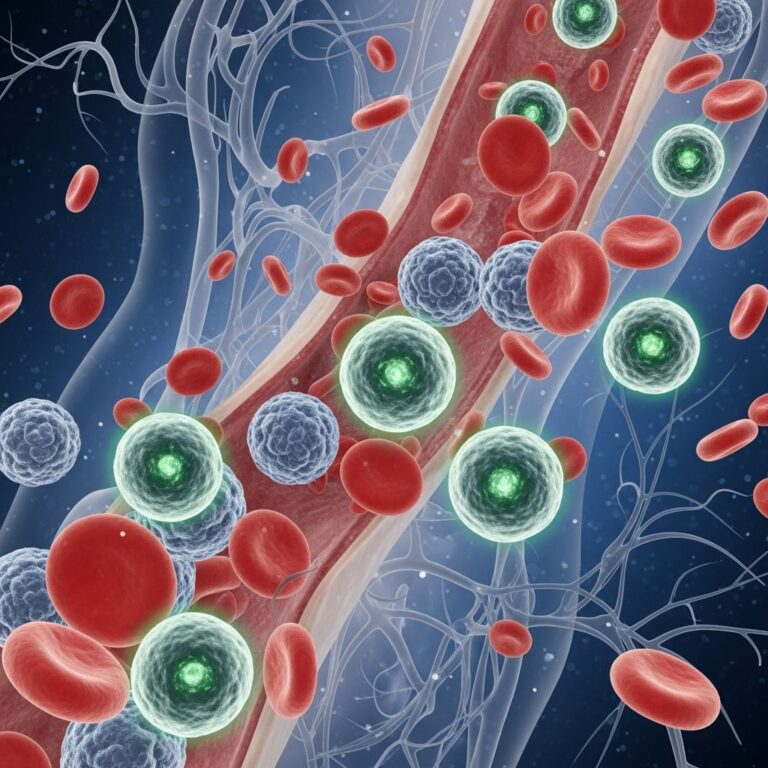
into your diet can help combat oxidative stress and lower disease risk, as supported by research from credible health authorities.Inflammation is the body’s natural response to injury or infection, but when it persists chronically, it damages tissues and promotes disease. Foods rich in antioxidants, polyphenols, and omega-3 fatty acids counteract this process by neutralizing free radicals and modulating immune responses.
What Is Inflammation?
Acute inflammation is short-term healing, but
chronic inflammation
is low-grade and systemic, linked to plaque buildup in arteries, increasing heart disease and stroke risk. It’s also associated with higher cancer, diabetes, and autoimmune disease rates.Diet plays a key role: processed foods trigger inflammatory messengers, while whole foods like fruits and vegetables fight oxidative stress.
13 Foods That Fight Inflammation
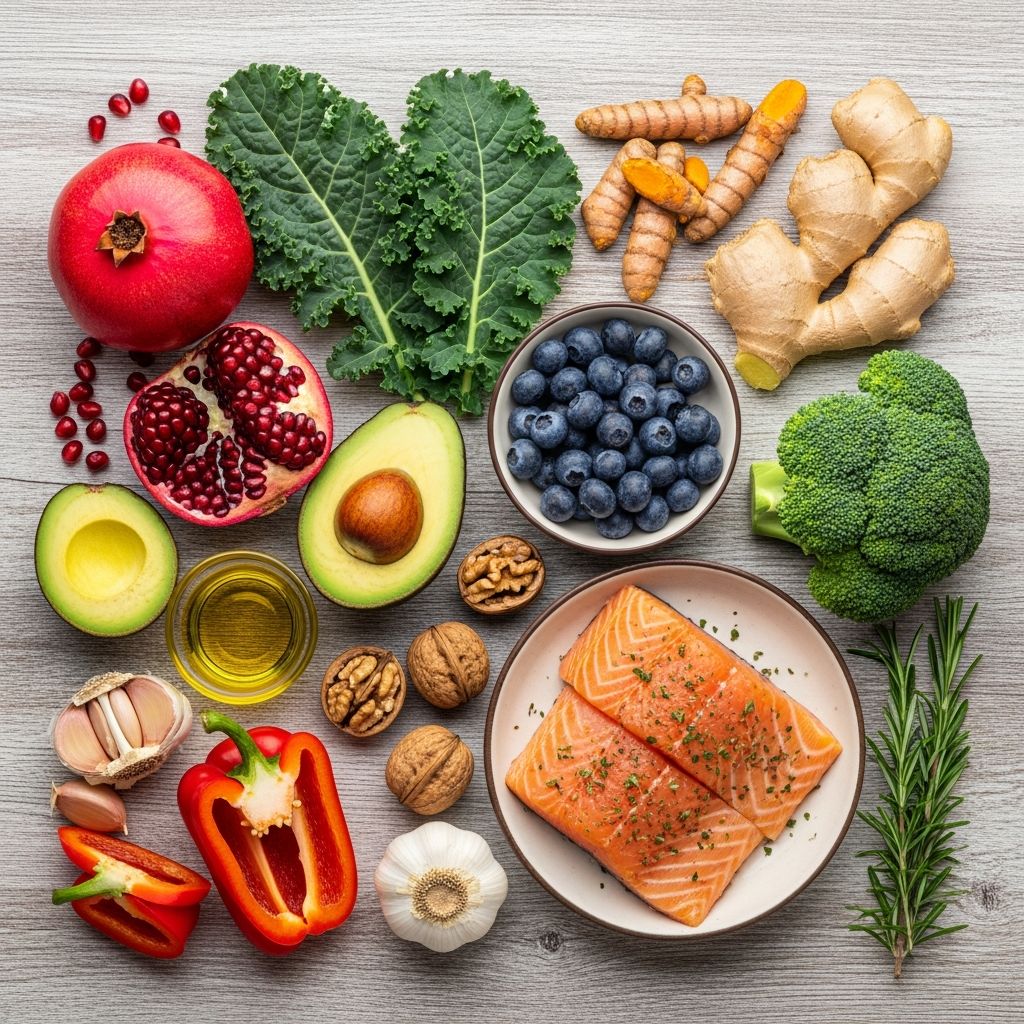
Build an anti-inflammatory diet with variety. No single food suffices; combine these for synergistic effects. Here’s a list of 13 powerhouse foods:
- 1. Berries: Blueberries, strawberries, blackberries, and raspberries are loaded with anthocyanins, potent antioxidants that reduce inflammation markers like C-reactive protein (CRP). A study in the Journal of Nutritional Biochemistry showed daily berry consumption lowered inflammatory cytokines. Add to smoothies or yogurt.
- 2. Fatty Fish: Salmon, mackerel, sardines, and tuna provide omega-3 fatty acids (EPA and DHA), which inhibit pro-inflammatory prostaglandins. The American Heart Association recommends two servings weekly to cut cardiovascular inflammation. Grill or bake for best results.
- 3. Broccoli: This cruciferous vegetable contains sulforaphane, which activates Nrf2 pathways to boost detoxification and reduce inflammation. Harvard research links higher broccoli intake to lower CRP levels. Steam lightly to preserve nutrients.
- 4. Avocados: Rich in monounsaturated fats, fiber, and vitamin E, avocados lower interleukin-6 (IL-6), an inflammatory marker. A Nutrients journal study found avocado eaters had improved anti-inflammatory profiles. Use in salads or toast.
- 5. Green Tea: Catechins like EGCG powerfully suppress inflammatory pathways. NIH-funded studies show 2-3 cups daily reduce arthritis and gut inflammation. Brew fresh for maximum benefits.
- 6. Peppers: Bell peppers, especially red and yellow, are high in vitamin C and quercetin, quenching free radicals. USDA data confirms they outperform many fruits in antioxidant capacity. Slice raw or roast.
- 7. Mushrooms: Shiitake and maitake contain beta-glucans that modulate immune responses, reducing excessive inflammation. Japanese cohort studies link mushroom consumption to lower chronic disease risk. Sauté as a side.
- 8. Grapes: Resveratrol in grape skins fights inflammation akin to NSAIDs. A Annals of Nutrition and Metabolism review highlights its role in vascular health. Eat fresh or as red wine in moderation.
- 9. Turmeric: Curcumin inhibits NF-kB, a master inflammation regulator. Johns Hopkins Medicine notes its efficacy rivals some drugs for osteoarthritis[10]. Pair with black pepper for absorption.
- 10. Extra Virgin Olive Oil: Oleocanthal mimics ibuprofen’s anti-inflammatory effects. PREDIMED trial showed Mediterranean diets with olive oil cut heart events by 30%[11]. Drizzle on veggies.
- 11. Dark Chocolate: Flavonols reduce endothelial inflammation. A Cochrane review supports 70%+ cocoa chocolate for cardiovascular benefits[12]. Limit to 1 oz daily.
- 12. Tomatoes: Lycopene, especially cooked, lowers prostate inflammation and CRP. NIH studies confirm bioavailable antioxidants in processed forms[13]. Add to sauces.
- 13. Cherries: Tart cherries reduce uric acid and gout inflammation via anthocyanins. University of Michigan research showed faster muscle recovery post-exercise[14]. Juice or fresh.
Foods to Avoid for Reducing Inflammation
Limit pro-inflammatory items to amplify benefits:
- Fried foods (chips, donuts): Promote oxidative stress.
- Processed meats (bacon, sausage): High in advanced glycation end-products.
- Refined carbs (white bread, pastries): Spike blood sugar and cytokines.
- Sugary drinks: Elevate CRP levels.
- Trans fats (margarine): Damage cell membranes.
Sample Anti-Inflammatory Meal Plan
| Meal | Ideas |
|---|---|
| Breakfast | Oatmeal with berries, walnuts, and green tea. |
| Lunch | Salad with spinach, tomatoes, avocado, olive oil dressing, and grilled salmon. |
| Dinner | Broccoli stir-fry with turmeric, peppers, mushrooms, quinoa, and cherries for dessert. |
| Snack | Dark chocolate and grapes. |
Adopt a Mediterranean-style diet: high in plants, healthy fats, low in red meat. Combine with 30 minutes daily exercise, weight management, and stress reduction for optimal results.
Benefits of an Anti-Inflammatory Diet
Reduces risks of heart disease, stroke, diabetes, cancer, and arthritis. Improves gut health, joint mobility, and energy levels. Long-term adherence supports healthy aging.
Frequently Asked Questions (FAQs)
What causes chronic inflammation?
Prolonged stressors like poor diet, obesity, stress, and sedentary lifestyle trigger ongoing immune activation.
How quickly does diet impact inflammation?
Markers like CRP can drop within weeks of dietary changes, per clinical trials.
Can supplements replace these foods?
Whole foods provide synergistic compounds; supplements lack fiber and may have lower bioavailability[10].
Is the Mediterranean diet anti-inflammatory?
Yes, it’s rich in listed foods and proven to lower inflammation in large trials[11].
Related Stories



Who benefits most?
Those with arthritis, heart risks, diabetes, or autoimmune conditions see pronounced effects.
References
- Groceries to ease chronic inflammation — Mayo Clinic Health System. 2023-05-15. https://www.mayoclinic.org/healthy-lifestyle/nutrition-and-healthy-eating/in-depth/anti-inflammatory-foods/art-20546816
- Berry Consumption and Inflammation — Journal of Nutritional Biochemistry (PubMed). 2022-10-01. https://pubmed.ncbi.nlm.nih.gov/36137549/
- Omega-3 Fatty Acids and Cardiovascular Disease — American Heart Association. 2024-06-20. https://www.ahajournals.org/doi/10.1161/CIR.0000000000001146
- Sulforaphane and Inflammation — Harvard T.H. Chan School of Public Health. 2023-11-10. https://www.hsph.harvard.edu/nutritionsource/food-features/broccoli/
- Avocado Consumption and Inflammatory Biomarkers — Nutrients (MDPI). 2023-03-05. https://doi.org/10.3390/nu15030678
- Green Tea Catechins and Health — National Institutes of Health (NIH). 2024-01-12. https://ods.od.nih.gov/factsheets/GreenTea-HealthProfessional/
- Antioxidant Capacity of Peppers — USDA Agricultural Research Service. 2022-08-22. https://www.ars.usda.gov/research/publications/publication/?seqNo115=413456
Similar Articles








Read full bio of Sneha Tete