13 Healthy High-Fat Foods You Should Be Eating
Discover 13 nutrient-packed high-fat foods that support heart health, reduce inflammation, and boost overall wellness when included in a balanced diet.
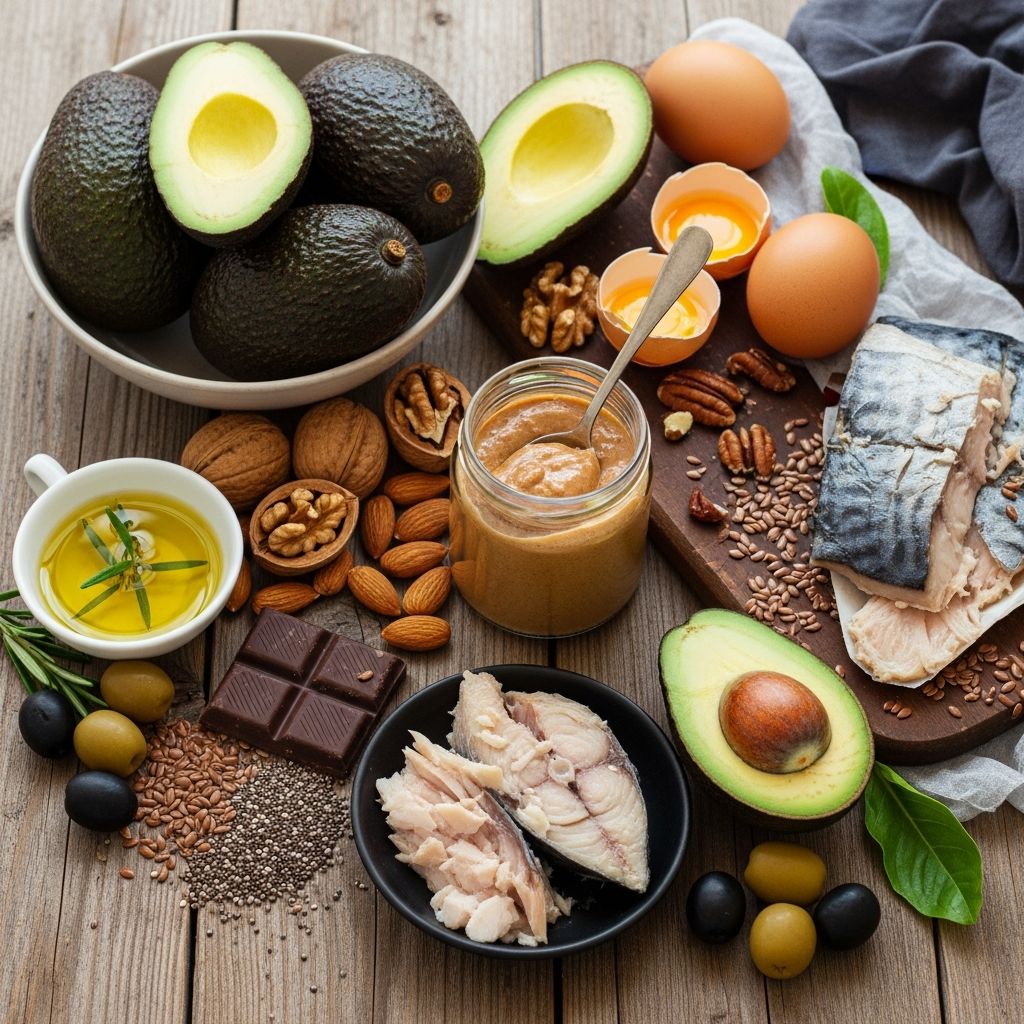
Not all fats are created equal. While saturated and trans fats can harm heart health by raising LDL cholesterol, unsaturated fats from foods like nuts, avocados, and olive oil lower disease risk, support brain function, and aid nutrient absorption. Incorporating these 13 healthy high-fat foods into your diet promotes better cholesterol levels, reduces inflammation, and enhances satiety for weight management.
Health authorities like the Harvard T.H. Chan School of Public Health emphasize choosing unsaturated fats over saturated ones, as they are linked to lower risks of heart disease and stroke. The American Heart Association recommends replacing saturated fats with monounsaturated and polyunsaturated fats for optimal health.
What Makes a High-Fat Food ‘Healthy’?
Healthy high-fat foods are rich in monounsaturated (MUFA) and polyunsaturated (PUFA) fats, which improve cholesterol profiles by raising HDL (good cholesterol) and lowering LDL (bad cholesterol). They also provide omega-3 fatty acids, antioxidants, fiber, and protein. Unlike trans fats found in processed foods, these natural fats fight inflammation and support cell function.
- Unsaturated fats (e.g., in olive oil, nuts): Lower heart disease risk.
- Avoid trans fats: Found in fried and baked goods, they increase cardiovascular risks.
- Limit saturated fats: In red meat and butter, but full-fat dairy may have milder effects.
A balanced approach, like the Mediterranean diet featuring olive oil and fish, yields benefits such as improved body composition and reduced inflammation, as shown in studies on high-fat diets with varied fat types.
1. Avocados
Avocados are creamy powerhouses of heart-healthy monounsaturated fats, providing about 15 grams of fat per half fruit, mostly oleic acid similar to olive oil. They support cholesterol balance, eye health via lutein, and digestion with 10 grams of fiber per fruit.
- Rich in potassium (more than bananas) for blood pressure control.
- Antioxidants like vitamin E protect against oxidative stress.
- How to eat: Mash on toast, add to salads, or blend into smoothies.
Half a medium avocado counts toward your daily fruit intake and swaps easily for butter or cheese.
2. Olive Oil
Extra-virgin olive oil delivers 13.5 grams of unsaturated fat per tablespoon, loaded with antioxidants like polyphenols that combat inflammation and support brain health. It’s a cornerstone of the Mediterranean diet, linked to lower cancer risk and longevity.
- High in MUFAs that improve HDL/LDL ratios.
- Use for dressings, drizzling, or low-heat cooking.
- Choose extra-virgin for maximum benefits; refined versions suit higher heat.
Studies confirm olive oil reduces cardiovascular events when replacing saturated fats.
3. Nuts (Almonds, Walnuts, Pistachios)
Nuts pack 14-20 grams of fat per ounce, primarily unsaturated, with walnuts offering omega-3 ALA for heart and brain protection. They provide protein, fiber, vitamin E, and magnesium, promoting fullness and stable blood sugar.
Related Stories



- Almonds: Lower LDL cholesterol.
- Walnuts: Anti-inflammatory omega-3s.
- Pistachios: Aid weight control despite calories.
- Portion tip: Small handful (1 oz) daily.
BHF notes nuts’ monounsaturated fats outperform butter for heart health.
4. Fatty Fish (Salmon, Sardines, Mackerel)
Fatty fish like salmon supply 10-15 grams of fat per 3-ounce serving, rich in EPA/DHA omega-3s that slash triglycerides, prevent clots, and ease inflammation. Aim for two servings weekly.
- Salmon: High in vitamin D and selenium.
- Sardines: Budget-friendly, bone-healthy calcium.
- Cooking: Bake, grill, or can in water.
UCLA Health highlights omega-3s’ role in preventing cardiovascular disease.
5. Chia Seeds
One ounce of chia seeds yields 8.7 grams of fat (mostly omega-3 ALA), plus complete protein and fiber that forms a gel for digestion and satiety. They support weight management and heart health.
- High in calcium, magnesium for bones.
- Ideas: Chia pudding, smoothies, or oatmeal topping.
GoodRx praises chia’s filling properties.
6. Flaxseeds
Flaxseeds offer 7.6 grams of fat per ounce, with lignans (antioxidants) and ALA omega-3s for hormone balance and cholesterol reduction. Grind for better absorption.
- Sprinkle on yogurt or bake into muffins.
- Fiber aids regularity.
7. Peanut Butter
Natural peanut butter provides 16 grams of fat per 2 tablespoons (mostly unsaturated), with protein, fiber, vitamin E, and potassium for sustained energy.
- Choose no-sugar-added versions.
- Spread on apples or celery.
8. Full-Fat Yogurt
A cup of whole-milk yogurt has 8 grams of fat, blending saturated and unsaturated types. Emerging research suggests dairy fats may not raise heart risk as much as others, plus probiotics for gut health.
- Greek varieties boost protein.
- Top with nuts or berries.
9. Dark Chocolate (70%+ Cocoa)
Moderate amounts (1 oz) deliver healthy fats from cocoa butter, flavonoids for blood pressure reduction, and mood-boosting compounds.
- Antioxidants rival berries.
- Pair with nuts for balance.
10. Eggs
One egg contains 5 grams of fat, including brain-boosting choline and lutein. Dietary cholesterol has minimal impact on blood levels for most.
- Versatile: Boiled, scrambled, or in salads.
11. Cheese (in Moderation)
High-fat cheeses like cheddar offer protein and calcium, with some studies showing neutral heart effects when part of varied diets.
- Opt for grass-fed for better fats.
- Portion: 1-2 oz daily.
12. Coconut (Limited Use)
Coconut provides MCTs for quick energy, though high in saturated fat. Use sparingly alongside unsaturated sources.
- In curries or yogurt.
13. Avocado Oil
With 14 grams of fat per tablespoon (MUFA-rich), it’s ideal for high-heat cooking, supporting cholesterol and eye health via carotenoids.
Health Benefits of Healthy High-Fat Foods
These foods lower heart disease risk, improve body composition (e.g., Vanderbilt study: balanced high-fat diet reduced fat mass, inflammation). They enhance satiety, stabilize blood sugar, and provide essential fatty acids the body can’t produce.
| Food | Fat per Serving | Key Benefit |
|---|---|---|
| Avocado (1/2) | 15g | Heart health, fiber |
| Olive Oil (1 tbsp) | 13.5g | Antioxidants |
| Salmon (3oz) | 12g | Omega-3s |
| Almonds (1oz) | 14g | Vitamin E |
Frequently Asked Questions (FAQs)
Are high-fat foods bad for weight loss?
No, healthy fats promote fullness and prevent overeating. A Vanderbilt study showed a balanced high-fat diet improved body composition.
How much fat should I eat daily?
20-35% of calories from fats, prioritizing unsaturated sources per AHA guidelines.
Can I eat full-fat dairy?
Yes, in moderation; research indicates less harm than previously thought.
What’s the best oil for cooking?
Avocado or olive oil for their stability and health benefits.
Do nuts cause weight gain?
No, when portioned; their fiber and protein aid control.
References
- Fats and Cholesterol — Harvard T.H. Chan School of Public Health. 2023. https://nutritionsource.hsph.harvard.edu/what-should-you-eat/fats-and-cholesterol/
- Healthy High-Fat Foods: 9 Options to Add to Your Diet — GoodRx. 2024. https://www.goodrx.com/health-topic/heart/healthy-high-fat-foods
- 6 surprisingly healthy fatty foods — British Heart Foundation. 2023. https://www.bhf.org.uk/informationsupport/heart-matters-magazine/nutrition/sugar-salt-and-fat/shockingly-fatty-foods
- Fats in Foods — American Heart Association. 2024. https://www.heart.org/en/healthy-living/healthy-eating/eat-smart/fats/fats-in-foods
- Study: Balanced high-fat diet improves body composition, inflammation — Vanderbilt University School of Medicine. 2023. https://medschool.vanderbilt.edu/vanderbilt-medicine/study-balanced-high-fat-diet-improves-body-composition-inflammation/
- Eating healthy fats has many benefits — UCLA Health. 2023. https://www.uclahealth.org/news/article/eating-healthy-fats-has-many-benefits
Similar Articles








Read full bio of Sneha Tete