14 Headache Types And How To Treat Each One
Discover the 14 common headache types, their symptoms, causes, and effective treatments to find relief fast.
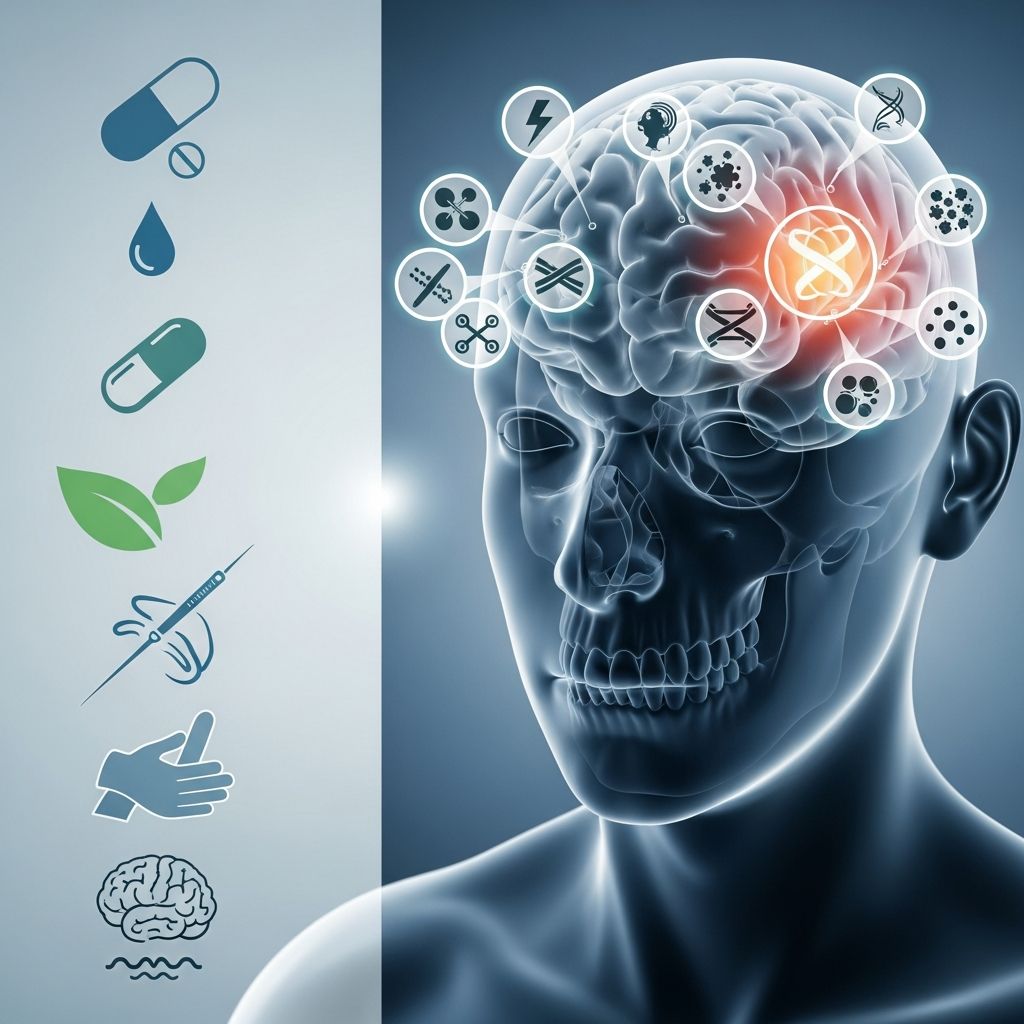
Headaches affect millions worldwide, ranging from mild annoyances to debilitating pain. According to the International Classification of Headache Disorders (ICHD-3), there are over 150 types, grouped into primary (not caused by another condition) and secondary (linked to underlying issues). Primary headaches like migraines and tension-types make up over 90% of cases seen in primary care. This guide covers 14 common types, their symptoms, causes, and treatments to help you identify and manage them effectively.
What Are the Different Types of Headaches?
Headaches are classified primarily into
primary
andsecondary
categories by the ICHD-3, with primary including migraines (14-16% of cases), tension-type (46-78%), trigeminal autonomic cephalalgias like cluster (<1%), and others. Secondary headaches stem from trauma, infections, vascular issues, or substance withdrawal. Recognizing patterns—location, duration, triggers—is key to treatment. Always consult a doctor for sudden, severe, or new headaches, especially with neurological symptoms.Primary Headaches
Primary headaches arise from overactivity or dysfunction in pain-sensitive head structures, often genetic. They include four main groups.
1. Migraine
Migraines cause throbbing pain, often unilateral, lasting 4-72 hours. Symptoms include nausea, vomiting, sensitivity to light (**photophobia**) and sound (**phonophobia**). About 15% of adults experience them; women are three times more likely.
- Symptoms: Aura (visual/sensory disturbances) in 25-30% of cases, fatigue post-attack.
- Triggers: Hormonal changes, stress, foods (chocolate, cheese), sleep disruption.
- Treatment: Acute: Triptans (sumatriptan), NSAIDs (ibuprofen). Preventive: Beta-blockers, CGRP inhibitors. Lifestyle: Hydration, regular sleep, avoid triggers.
For chronic cases (>15 days/month), Botox or neuromodulators help.
2. Tension-Type Headache
The most common, affecting up to 78% of acute headaches. Dull, bilateral pressure like a “tight band,” lasting 30 minutes to 7 days.
- Symptoms: Mild-moderate pain, no nausea or aura.
- Triggers: Stress, poor posture, eye strain, dehydration.
- Treatment: OTC pain relievers (acetaminophen, ibuprofen). Stress management: Yoga, massage. Preventive: Amitriptyline for frequent episodes (>15/month).
Episodic (<15/month) vs. chronic forms differ in management intensity.
3. Cluster Headaches (Trigeminal Autonomic Cephalalgias)
Rare but excruciating, unilateral pain around one eye, lasting 15-180 minutes, up to 8/day in clusters. Lifetime prevalence ~0.1%; more common in men.
- Symptoms: Ipsilateral tearing, nasal congestion, restlessness (pacing).
- Triggers: Alcohol, histamine-rich foods during bouts.
- Treatment: Acute: High-flow oxygen (100% for 15 min), sumatriptan injections. Preventive: Verapamil, steroids for bouts.
Subtypes include paroxysmal hemicrania (shorter, responds to indomethacin).
4. Other Primary Headaches
Includes cough, exercise, and hypnic headaches.
- Cough Headache: Sudden pain from coughing/straining; benign or linked to Chiari malformation. Treat with indomethacin.
- Exercise Headache: Pulsing during/after exertion; NSAIDs, hydration.
- Hypnic Headache: Wakes from sleep in >50s; caffeine, lithium.
Secondary Headaches
These signal underlying issues; eight ICHD-3 categories like trauma, vascular, infection. Seek immediate care for thunderclap onset or with fever/neurological signs.
5. Sinus Headaches
Pressure in forehead/cheeks from sinusitis; worsens bending forward. Often misdiagnosed migraines.
- Treatment: Decongestants, antibiotics if bacterial, nasal irrigation.
6. Medication Overuse Headache
Rebound from >10-15 days/month of acute meds (triptans, opioids).
Related Stories



- Treatment: Withdraw offending drugs; preventive therapy, bridge with NSAIDs/steroids.
7. Thunderclap Headache
Peaks in <1 minute; signals subarachnoid hemorrhage. ER evaluation essential (CT/MRI).
8. Ice Pick Headaches
Stabbing, seconds-long jabs anywhere on head; indomethacin effective.
9. Hemicrania Continua
Continuous unilateral pain with autonomic features; absolute indomethacin response.
10. New Daily Persistent Headache
Sudden onset daily pain lasting >3 months; often post-viral. Amitriptyline, counseling.
11. Post-Traumatic Headache
After concussion/TBI; migraine-like. Rest, gradual activity return.
12. Caffeine Withdrawal Headache
Dull ache from abrupt stop; taper intake, hydrate.
13. Hypnic Headache
(Cross-primary/secondary) Nocturnal in elderly; as above.
14. Cervicogenic Headache
From neck issues (whiplash); unilateral, radiates from neck. PT, nerve blocks.
Headache Comparison Table
| Type | Pain Location | Duration | Key Symptoms | Treatment |
|---|---|---|---|---|
| Migraine | Unilateral | 4-72 hrs | Nausea, aura, photophobia | Triptans, preventives |
| Tension | Bilateral | 30 min-7 days | Band-like pressure | NSAIDs, stress relief |
| Cluster | Uni around eye | 15-180 min | Tearing, agitation | Oxygen, sumatriptan |
| Sinus | Forehead/cheeks | Hours-days | Facial pressure | Decongestants |
When to See a Doctor
- Sudden “worst ever” pain.
- With fever, stiff neck, confusion.
- New after 50, or changing pattern.
- Post-head injury.
ICHD-3 requires fulfilling all criteria, often multiple attacks.
Frequently Asked Questions (FAQs)
What is the most common headache type?
Tension-type headaches, affecting 46-78% of acute cases with band-like pain.
Can headaches be prevented?
Yes, via lifestyle (sleep, diet), trigger avoidance, and meds like beta-blockers for migraines.
Are all headaches migraines?
No; migraines are distinct with throbbing, nausea; most are tension or secondary.
How to differentiate cluster from migraine?
Cluster: Shorter, eye-focused, restless; migraine: Longer, still, systemic symptoms.
Is caffeine good or bad for headaches?
Moderate helps (vasoconstriction); excess or withdrawal causes rebound.
References
- Headache classification – Neurology – LITFL — LITFL. 2023. https://litfl.com/headache-classification/
- How to classify headaches | Medmastery — Medmastery. 2023. https://www.medmastery.com/guides/headaches-clinical-guide/how-classify-headaches
- Suffering from a Headache? | Expert Los Angeles Sports Neurology — Vernon Williams MD. 2024. https://www.vernonwilliamsmd.com/conditions-treated/sports-neurology/headache/
- Headache Types & Treatment — Kansas Health System. 2024. https://www.kansashealthsystem.com/care/conditions/headache
- Acute Headache in Adults: A Diagnostic Approach – AAFP — American Academy of Family Physicians. 2022-09-01. https://www.aafp.org/pubs/afp/issues/2022/0900/acute-headache-adults.html
- Headache: What It Is, Types, Causes, Symptoms & Treatment — Cleveland Clinic. 2024. https://my.clevelandclinic.org/health/diseases/9639-headaches
- ICHD-3: The International Classification of Headache Disorders — International Headache Society. 2024. https://ichd-3.org
Similar Articles








Read full bio of Sneha Tete