14 Non-Dairy Foods That Are High In Calcium For Strong Bones
Boost your calcium intake without dairy: Discover 14 nutrient-packed non-dairy foods for strong bones and optimal health.
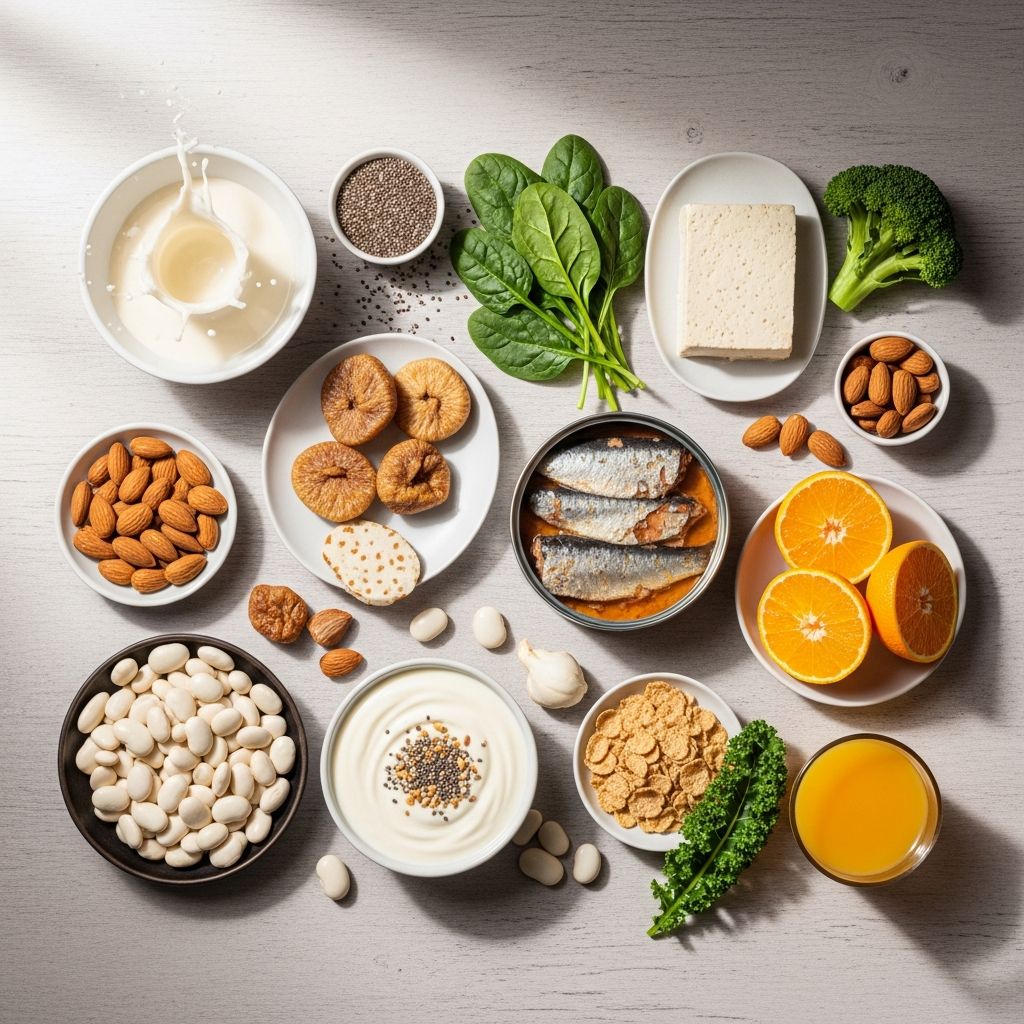
Calcium is vital for building and maintaining strong bones, supporting muscle function, nerve transmission, and blood clotting. While dairy products like milk and yogurt are traditional sources, they aren’t suitable for everyone due to lactose intolerance, dairy allergies, vegan diets, or personal preferences. The good news is that numerous non-dairy foods provide substantial calcium, often with high bioavailability when chosen wisely. This article explores 14 top non-dairy calcium sources, daily requirements, absorption factors, and practical tips to meet your needs without dairy.
Why You Need Calcium and How Much
Calcium supports bone density throughout life, preventing conditions like osteoporosis in later years. The body cannot produce calcium, so it must come from diet or supplements. Daily recommendations vary by age, sex, and life stage, as outlined by health authorities.
| Age Group | Recommended Daily Calcium (mg) |
|---|---|
| 0–6 months | 200 mg |
| 7–12 months | 260 mg |
| 1–3 years | 700 mg |
| 4–8 years | 1,000 mg |
| 9–13 years | 1,300 mg |
| 14–18 years | 1,300 mg |
| 19–50 years | 1,000 mg |
| 51–70 years (women) | 1,200 mg |
| 71+ years | 1,200 mg |
| Pregnant/Lactating | 1,000–1,300 mg |
These values are from the National Institutes of Health, emphasizing higher needs during growth spurts, pregnancy, and post-menopause to combat bone loss. About 99% of bodily calcium resides in bones and teeth, with the rest aiding cellular functions. Inadequate intake increases fracture risk, especially for those avoiding dairy, who comprise a significant portion of the population with lactose intolerance.
Key Factors Affecting Calcium Absorption
Not all calcium is equally absorbable. Dairy offers about 30% absorption, while plant sources vary. Oxalates in spinach, Swiss chard, and rhubarb bind calcium, reducing bioavailability to as low as 5%. In contrast, broccoli, kale, and bok choy have absorption rates similar to milk (around 27–40%) due to lower oxalate levels. Vitamin D is crucial for absorption; sunlight, fortified foods, eggs, and fatty fish help. Phytates in grains and legumes can inhibit uptake, but soaking or fermenting mitigates this. Aim for a mix of sources and pair with vitamin D for optimal results.
14 Top Non-Dairy Foods High in Calcium
Here are 14 accessible, nutrient-dense non-dairy options, with serving sizes and approximate calcium content per the USDA and NIH data. Incorporate them into meals for balanced intake.
- Fortified Plant Milks (Soy, Almond, Oat)
One cup of calcium-fortified soy milk delivers 300 mg, matching cow’s milk. Almond and oat varieties often provide 300–450 mg when fortified. Choose unsweetened versions to avoid added sugars. Use in smoothies, cereal, or coffee. - Canned Sardines with Bones
Three ounces yield 325–382 mg, with edible soft bones providing highly absorbable calcium. Omega-3s benefit heart health. Rinse to reduce sodium; add to salads or pasta. - Canned Salmon with Bones
A 3-ounce serving offers 180–205 mg. The bones mash easily into patties or spreads. Rich in vitamin D for enhanced absorption. - Tofu (Calcium-Set)
Half a cup of tofu made with calcium sulfate contains 250–434 mg. Versatile for stir-fries, scrambles, or desserts. Confirm ‘calcium sulfate’ on labels. - Kale
One cup cooked provides 94–180 mg, with excellent absorption. Massage raw kale for salads or sauté as a side. Pairs well with lemon to boost iron uptake. - Bok Choy (Chinese Cabbage)
One cup raw or cooked gives 74–158 mg. Low-calorie, stir-fry favorite with high bioavailability. - Broccoli
One cup raw or cooked broccoli supplies 43–90 mg. Steam to preserve nutrients; its vitamin C aids absorption. A staple in soups and sides.
- Chia Seeds
One tablespoon packs 76–179 mg. Soak into puddings or sprinkle on yogurt alternatives. High in fiber and omega-3s. - Almonds
One ounce (23 almonds) has 75–264 mg. Snack handfuls or blend into butter. Magnesium supports bone health. - Figs (Dried)
Five dried figs provide 135 mg. Sweet, chewy snack or addition to oatmeal. Potassium aids blood pressure. - Oranges
One medium orange offers 50–60 mg. Vitamin C enhances non-heme iron absorption alongside calcium. Fresh or juiced (fortified versions add more).
- White Beans
Half a cup cooked delivers 80–161 mg. Use in chili, salads, or dips. Protein-packed legume. - Edamame
One cup shelled provides 98 mg. Steam as a snack or add to bowls. Complete plant protein. - Fortified Orange Juice
One cup supplies 300–500 mg. Convenient for those needing quick boosts, but limit due to sugar. Check for vitamin D fortification.
Tips for a Calcium-Rich, Dairy-Free Diet
- Diversify Sources: Combine leafy greens, nuts, seeds, and fortified foods to hit targets without excess oxalates.
- Enhance Absorption: Include vitamin D-rich foods like sunlight-exposed mushrooms or supplements if deficient. Avoid high-oxalate meals with calcium sources.
- Meal Ideas: Breakfast smoothie with fortified soy milk, chia, and kale; lunch sardine salad; dinner tofu stir-fry with bok choy.
- Monitor Intake: Track via apps; consult dietitians for personalized plans, especially if at risk for deficiency.
- Supplements if Needed: Calcium citrate is stomach-acid independent; take with meals. Not a first-line; prioritize food.
For lactose-intolerant individuals, yogurt with live cultures may be tolerable due to bacterial lactase production, providing 415 mg per cup, but true non-dairy avoids it. Vegans and allergy sufferers thrive on these plants and fortifies.
Related Stories



Frequently Asked Questions (FAQs)
Can you get enough calcium without dairy?
Yes, fortified foods, leafy greens, canned fish with bones, tofu, nuts, and seeds easily meet needs when varied.
Which non-dairy food has the most calcium?
Fortified plant milks and canned sardines top lists with 300+ mg per serving.
Do oxalates in spinach block all calcium?
Yes, absorption drops to 5%; opt for low-oxalate greens like kale instead.
Is fortified calcium as good as natural?
Bioavailability is comparable (30%), making it effective.
Do I need supplements on a non-dairy diet?
Usually not if eating diversely; test levels and consult professionals.
Potential Risks and Considerations
Excess calcium (>2,500 mg/day) risks kidney stones or interference with iron/zinc. Those with hypercalcemia or kidney issues should consult doctors. Balance with magnesium, vitamin K2, and protein for bone health synergy. Recent studies affirm plant calciums suffice for most, reducing osteoporosis risk comparably to dairy diets when RDAs met.
In summary, these 14 foods empower dairy-free living with robust calcium nutrition. Prioritize bioavailability, variety, and professional advice for lifelong bone strength.
References
- Calcium in Non-Dairy Foods — International Foundation for Gastrointestinal Disorders (IFFGD). 2023. https://iffgd.org/manage-your-health/diet-and-treatments/calcium-in-non-dairy-foods/
- Calcium – Health Professional Fact Sheet — Office of Dietary Supplements, National Institutes of Health (NIH). 2024-07-17. https://ods.od.nih.gov/factsheets/Calcium-HealthProfessional/
- Health and Nutrition: Non-Dairy Foods with Calcium — Penn State Extension. 2022. https://extension.psu.edu/health-and-nutrition-non-dairy-foods-with-calcium
Similar Articles








Read full bio of medha deb