1400-Calorie Meal Plan: 7-Day Guide To Lose Weight
A science-backed guide to healthy, sustainable weight loss with a 1400-calorie daily meal plan.
1400-Calorie Meal Plan to Lose Weight: A Complete Guide
Losing weight effectively requires more than simply counting calories—it demands a thoughtful approach to nutrition that supports your body’s health while creating a sustainable calorie deficit. A 1400-calorie meal plan is an effective strategy for moderately active women seeking to shed pounds in a healthy, gradual manner. This evidence-based guide explores how a 1400-calorie daily intake can support your weight loss goals while maintaining essential nutrients for overall wellness.
Understanding the 1400-Calorie Meal Plan
A 1400-calorie meal plan is a structured eating approach that limits daily caloric intake to 1400 calories. Since most adult women require approximately 2,000 calories daily, this plan creates a meaningful but sustainable calorie deficit. This deficit is the fundamental mechanism that enables weight loss, as your body must draw on stored energy reserves to meet its needs.
The 1400-calorie approach is particularly suited for moderately active women who engage in light to moderate exercise several times per week. For individuals with significantly different activity levels or health conditions, personalized guidance from a registered dietitian is recommended to ensure the plan aligns with individual metabolic needs and lifestyle factors.
Expected Weight Loss Results
One of the most appealing aspects of the 1400-calorie meal plan is its realistic and sustainable weight loss trajectory. On this caloric level, most individuals can expect to lose 0.4 to 1.2 pounds per week. This gradual rate of weight loss is considered safe and healthy by nutrition professionals because it minimizes muscle loss and allows your body to adapt to dietary changes without extreme stress.
The variation in weekly weight loss depends on several factors, including your starting weight, metabolism, activity level, and overall health status. A calorie deficit of 500 calories per day typically results in approximately 1 pound of weight loss weekly, as one pound of body weight equals approximately 3,500 calories. On a 1400-calorie plan, depending on your individual baseline needs, the deficit may range from 500 to 1,000+ calories daily, accounting for the range in expected weight loss.
This slower, steady approach proves more sustainable than extreme dieting because it preserves lean muscle mass, maintains stable energy levels, and reduces the likelihood of nutritional deficiencies or metabolic adaptation that can undermine long-term success.
Nutritional Foundations of a 1400-Calorie Plan
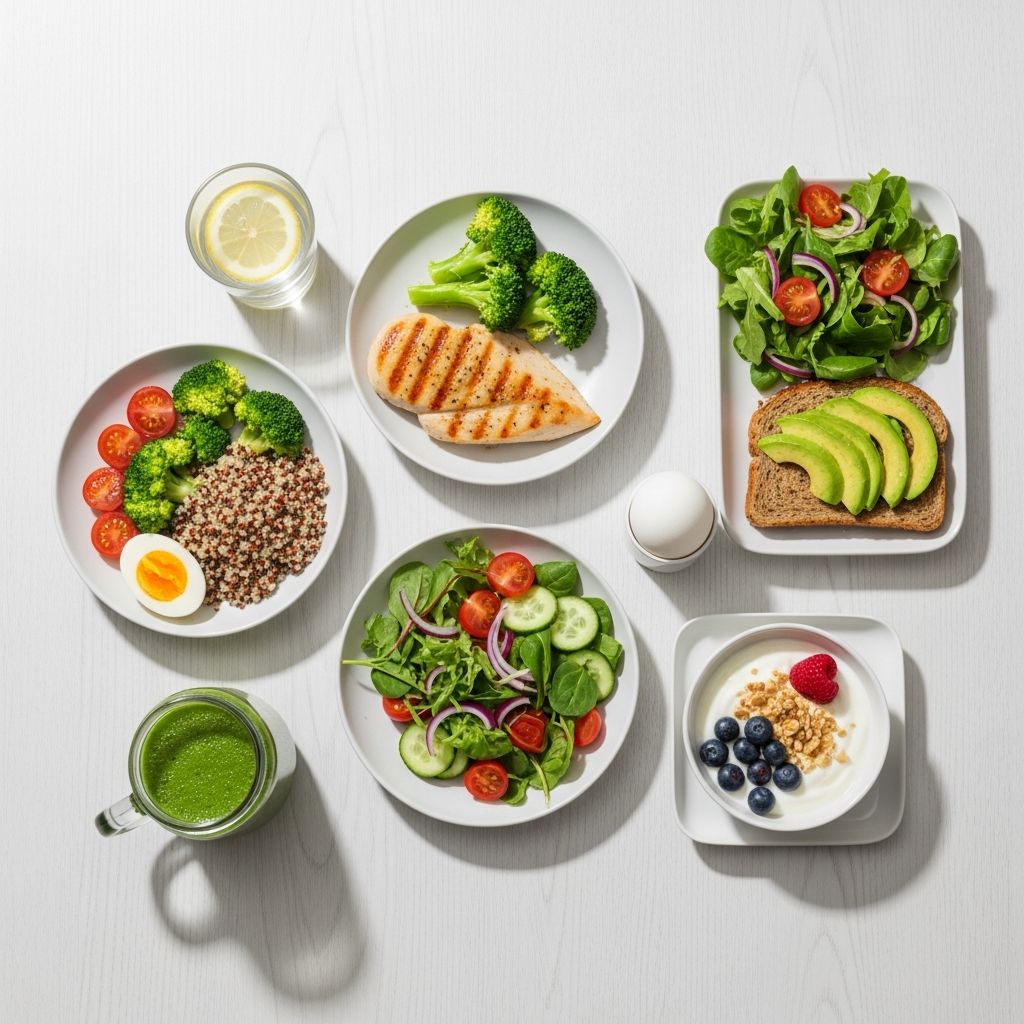
A well-planned 1400-calorie diet provides all necessary nutrients for maintaining good health while promoting weight loss. The key is prioritizing nutrient-dense foods—foods that deliver substantial vitamins, minerals, protein, and fiber relative to their caloric content. Rather than focusing exclusively on calorie numbers, successful weight loss requires attention to food quality and nutritional balance.
Essential components of a balanced 1400-calorie meal plan include:
- Whole Grains: Choose brown rice, quinoa, oats, and whole wheat bread instead of refined grains. These provide sustained energy, fiber, and essential B vitamins.
- Lean Proteins: Include chicken breast, fish, legumes, Greek yogurt, and eggs. Protein supports muscle preservation, enhances satiety, and has a higher thermic effect than other macronutrients.
- Healthy Fats: Incorporate nuts, seeds, avocados, and olive oil in measured portions. These support hormone production, nutrient absorption, and sustained fullness.
- Fruits and Vegetables: Fill half your plate with colorful produce to maximize micronutrient intake while remaining within caloric limits.
Related Stories



Optimal Calorie Distribution Throughout the Day
How you distribute your 1400 calories across meals significantly impacts energy levels, hunger management, and adherence to your plan. A strategic distribution maintains steady blood sugar, supports mental focus, and prevents the extreme hunger that often derails dieting efforts.
The recommended calorie allocation is:
- Breakfast: 250–300 calories
- Morning Snack: 100–150 calories
- Lunch: 350–400 calories
- Afternoon Snack: 100–150 calories
- Dinner: 400–450 calories
This five-eating-occasions approach prevents extreme hunger between meals and provides regular fuel for your metabolism and brain function. The larger allocation to lunch and dinner accommodates the family meals and social eating occasions most people encounter during midday and evening hours.
7-Day 1400-Calorie Meal Plan Example
Below is a complete week of meal options demonstrating how to construct balanced, satisfying meals within your 1400-calorie target.
Breakfast Options (250–300 calories)
- Oatmeal with berries and almonds (270 calories)
- Scrambled eggs with spinach and whole wheat toast (280 calories)
- Greek yogurt parfait with granola and mixed berries (260 calories)
- Whole grain toast with almond butter and sliced banana (290 calories)
- Vegetable omelet with mushrooms and low-fat cheese (275 calories)
Sample Daily Meal Structure
| Day | Breakfast | Lunch | Dinner | Snacks | Total |
|---|---|---|---|---|---|
| Monday | Oatmeal with berries (270) | Chicken salad (380) | Baked salmon with vegetables (420) | Apple, almonds (150) | 1400 |
| Tuesday | Greek yogurt bowl (260) | Turkey sandwich (390) | Lean beef stir-fry (430) | Carrots, hummus (120) | 1400 |
| Wednesday | Scrambled eggs, toast (280) | Vegetable soup, whole grain roll (370) | Grilled chicken with quinoa (430) | Greek yogurt, berries (140) | 1400 |
| Thursday | Smoothie bowl (290) | Tuna salad wrap (400) | Pasta primavera (400) | Almonds, apple (110) | 1400 |
| Friday | Whole grain toast, egg (275) | Grilled chicken Caesar (380) | Baked white fish with rice (440) | Berries, nuts (125) | 1400 |
| Saturday | Greek yogurt (260) | Salmon salad (400) | Grilled turkey burger (430) | Protein bar (180) | 1400 |
| Sunday | Oatmeal with fruit (270) | Grilled chicken breast (380) | Baked chicken with vegetables (420) | Apple slices (170) | 1400 |
Adjusting Your Plan on Exercise Days
For individuals who engage in regular physical activity, slight modifications to calorie intake may be appropriate to fuel performance and support recovery. Here’s how to adjust your meal plan on days when you exercise:
| Meal Component | Normal Day | Exercise Day |
|---|---|---|
| Breakfast | 250 calories | 300 calories |
| Lunch | 350 calories | 400 calories |
| Dinner | 400 calories | 450 calories |
| Snacks | 150 calories | 200 calories |
| Daily Total | 1400 calories | 1550 calories |
This modest increase (150 calories) accommodates the energy expenditure of moderate exercise without compromising your weight loss goals. This approach supports sustained energy, better workout performance, and improved recovery.
Foods to Embrace and Foods to Limit
Success with a 1400-calorie plan depends partly on understanding which foods support your goals and which undermine them.
Foods to Prioritize:
- Leafy greens and non-starchy vegetables
- Lean proteins (poultry, fish, legumes)
- Whole grains and high-fiber carbohydrates
- Fruits with high water and fiber content
- Nuts and seeds in controlled portions
- Low-fat dairy products
Foods to Minimize or Avoid:
- Fatty meats and processed meat products
- Full-fat dairy products
- Refined grains and sugary foods
- Sugar-sweetened beverages
- Tropical oils (coconut, palm)
- Fried foods and high-calorie condiments
Tips for Success on Your 1400-Calorie Plan
Implementing a 1400-calorie meal plan requires practical strategies beyond meal selection. Consider these evidence-based approaches:
- Plan ahead: Prepare meals and snacks in advance to avoid impulsive, calorie-dense choices.
- Use portion control: Invest in a food scale or measuring cups to ensure accurate calorie tracking.
- Stay hydrated: Drink water throughout the day to support satiety and metabolic function.
- Practice mindful eating: Eat slowly, without distractions, to better recognize fullness cues.
- Incorporate physical activity: Combine your meal plan with regular exercise for improved results and overall health.
- Track your intake: Use a food journal or app to monitor calories and identify patterns.
- Seek professional guidance: Work with a registered dietitian to personalize your plan and address individual health needs.
Frequently Asked Questions
Q: Is a 1400-calorie meal plan safe?
A: A 1400-calorie meal plan is safe for most moderately active women when it includes nutrient-dense foods and is combined with regular physical activity. However, individual circumstances vary, and consultation with a healthcare provider or registered dietitian is recommended, particularly for individuals with underlying health conditions, pregnant or nursing women, or those with a history of eating disorders.
Q: How long should I follow a 1400-calorie plan?
A: Duration depends on individual weight loss goals and overall health. Most people see meaningful results within 4–8 weeks. A registered dietitian can help you determine an appropriate timeline and transition to a maintenance plan once you reach your goal weight.
Q: Can men follow a 1400-calorie meal plan?
A: While this plan is designed primarily for women, some men with lower activity levels or specific weight loss needs might benefit from a modified 1400-calorie approach. However, men typically require more calories than women, and a healthcare provider should help establish an appropriate caloric target.
Q: What if I feel hungry on this plan?
A: Persistent hunger may indicate inadequate protein, fiber, or healthy fats in your meals. Prioritize these satiating nutrients, ensure you’re eating at regular intervals, and stay well-hydrated. If hunger remains problematic, consult a dietitian about adjusting your specific meal composition or caloric target.
Q: How do I transition to maintenance after reaching my weight loss goal?
A: Gradual increases in daily calories (typically by 100–200 calories per week) allow you to find your maintenance level—the caloric intake at which your weight stabilizes. Working with a dietitian during this transition helps prevent rapid weight regain.
References
- Liv Hospital. “1400 Calorie Diet Meal Plan: Best, Simple, Free Guide.” Liv Hospital. Accessed January 2026. https://int.livhospital.com/1400-calorie-diet-meal-plan-free/
- Mayo Clinic. “DASH Diet: Sample Menus.” Mayo Clinic Staff. Accessed January 2026. https://www.mayoclinic.org/healthy-lifestyle/nutrition-and-healthy-eating/in-depth/dash-diet/art-20047110
Similar Articles








Read full bio of Sneha Tete