Bad Breath: 17 Common Causes And How To Fix Them
Discover the 17 common culprits behind bad breath, from poor hygiene to hidden medical issues, and learn how to freshen up effectively.
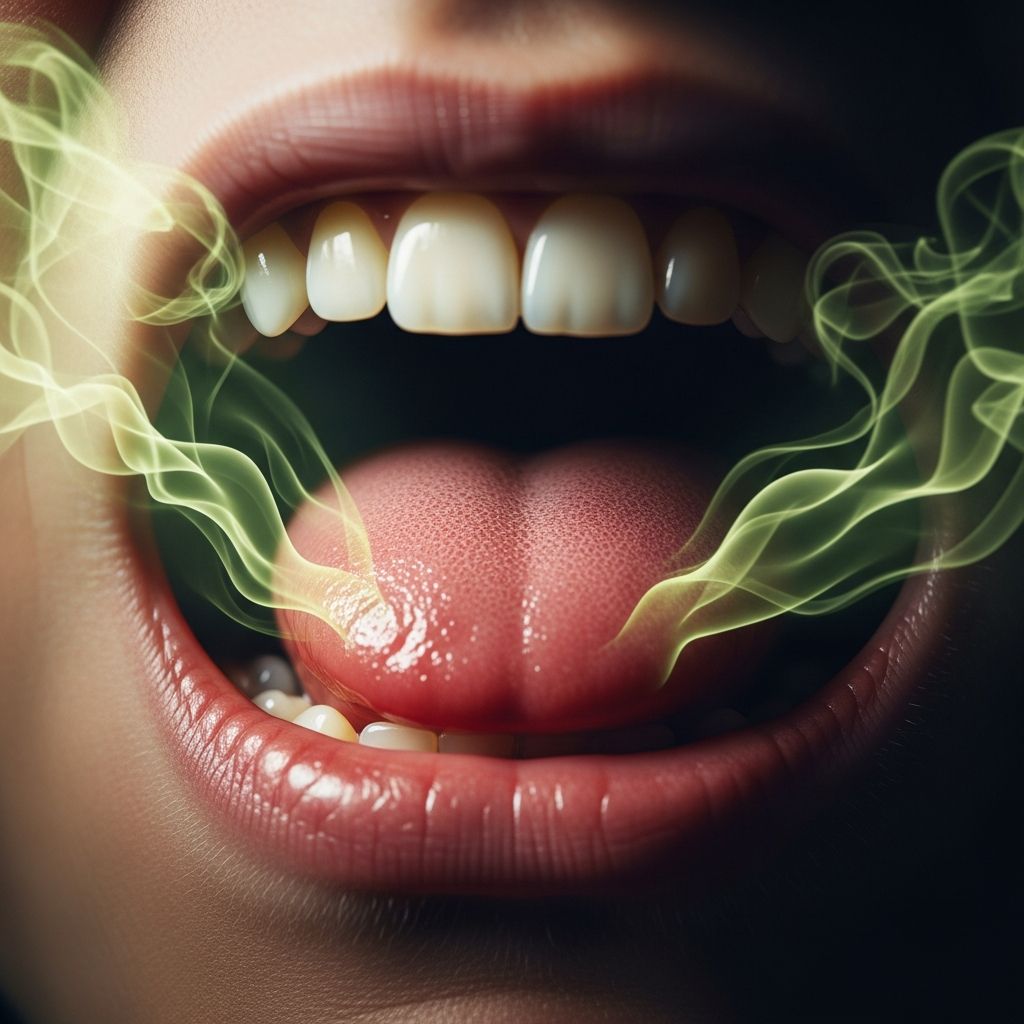
Bad breath, medically known as
halitosis
, impacts up to 50% of people at some point, often stemming from bacteria producing volatile sulfur compounds (VSCs) in the mouth. While temporary causes like garlic fade quickly, persistent odors signal deeper issues requiring attention. This article breaks down the 17 primary reasons, drawing from dental and medical insights, to help you identify and address the root cause for lasting fresh breath.What Causes Bad Breath?
Most halitosis originates intraorally from bacteria breaking down food particles, proteins, and debris into foul-smelling gases. Key contributors include plaque buildup, tongue coatings, and dry mouth, which reduce saliva’s natural cleansing. Extrabuccal causes, like systemic diseases, account for about 10% of cases but demand medical evaluation.
1. Poor Oral Hygiene
The leading cause of bad breath is inadequate brushing and flossing, allowing food particles to linger and feed bacteria that produce VSCs. Plaque—a soft bacterial film—hardens into tartar, harboring more odor-causing microbes. Without twice-daily brushing, flossing, and tongue scraping, breath worsens progressively.
- Brush for two minutes, covering all surfaces.
- Floss daily to remove interdental debris.
- Use a tongue scraper to eliminate posterior tongue bacteria.
2. Food Particles Stuck Between Teeth
Bits of food trapped in gums or between teeth decay, fostering bacterial growth and VSC production. High-protein or fibrous foods like meat exacerbate this as bacteria metabolize amino acids into sulfides.
Prevention: Floss after meals and rinse with water to dislodge particles.
3. Tongue Coating
The tongue’s uneven surface traps bacteria, dead cells, and food, especially at the back, creating a white or yellow film responsible for 80-90% of halitosis cases. Anaerobic bacteria thrive here, releasing odorous gases.
Gently brush or scrape the tongue daily; antimicrobial mouthwashes help reduce buildup.
4. Dry Mouth (Xerostomia)
Saliva neutralizes acids, washes away debris, and contains antibacterial enzymes. Reduced flow—common during sleep (‘morning breath’)—lets bacteria proliferate. Chronic dry mouth from medications, dehydration, or Sjögren’s syndrome worsens it.
- Stay hydrated; chew sugar-free gum to stimulate saliva.
- Avoid mouth-breathing at night with humidifiers.
5. Gum Disease (Gingivitis/Periodontitis)
Inflammation from plaque leads to bleeding gums and pockets where bacteria fester, producing intense odors. Advanced periodontitis destroys supporting tissues, amplifying halitosis.
Seek professional cleanings; maintain rigorous hygiene to reverse early stages.
6. Plaque and Tartar Buildup
Untreated plaque calcifies into tartar, a porous reservoir for bacteria impossible to remove at home. It irritates gums, promoting infection and bad breath.
Professional scaling every 6 months is essential.
7. Cavities and Tooth Decay
Untreated cavities trap food and harbor decay-causing bacteria, leading to foul odors from abscesses. Decay breaks down enamel, exposing dentin to bacterial invasion.
Prompt fillings prevent escalation.
8. Mouth Infections or Abscesses
Related Stories



Dental abscesses from severe decay or trauma release pus with a putrid smell. Oral thrush (candida overgrowth) also causes yeasty bad breath.
Antibiotics and drainage may be required; see a dentist immediately.
9. Postnasal Drip
Mucus from sinus infections drips into the throat, providing bacterial fodder and causing odor. Allergies or colds exacerbate this.
Nasal irrigation and decongestants offer relief.
10. Tonsil Stones (Tonsilloliths)
Calcified debris in tonsil crypts emits a rotten-egg smell from trapped bacteria. Coughing or gargling may dislodge them temporarily.
Tonsillectomy for chronic cases; saltwater gargles help.
11. Diet and Fasting
Garlic, onions, and spices release sulfur compounds into the blood and lungs, lingering for hours. Low-carb/keto diets or fasting produce ketones, causing fruity ‘keto breath’.
| Food/Drink | Why It Causes Odor |
|---|---|
| Garlic/Onions | Sulfur compounds absorbed into bloodstream |
| Alcohol/Coffee | Dehydration and staining |
| Protein-rich foods | Bacterial breakdown into VSCs |
12. Smoking and Tobacco Use
Tobacco dries the mouth, stains teeth, and leaves a persistent smoky odor while raising gum disease risk.
Quitting improves breath and oral health dramatically.
13. Acid Reflux (GERD)
Stomach acid regurgitating into the throat carries digestive odors; H. pylori infection compounds it.
Antacids, dietary changes, and elevating the bed head help.
14. Medications
Over 400 drugs, including antihistamines and antidepressants, induce dry mouth or release odorous metabolites.
Discuss alternatives with your doctor; use saliva substitutes.
15. Medical Conditions
Systemic issues like diabetes (acetone breath), kidney/liver failure (ammonia/fishy smells), or trimethylaminuria cause distinctive odors. Respiratory infections or cancers also contribute.
- Diabetes: Sweet/fruity due to ketones.
- Kidney disease: Uremic fetor.
- Liver failure: Musty.
16. Dentures or Oral Appliances
Poorly cleaned dentures accumulate plaque and food, mimicking natural teeth issues.
Remove, soak nightly in cleaner, and brush thoroughly.
17. Other Rare Causes
Nasal foreign bodies (common in kids), bronchiectasis, or tumors produce localized odors. Crash diets echo keto breath via ketosis.
How to Prevent and Treat Bad Breath
Address the cause: Enhance hygiene, hydrate, quit smoking, and consult professionals for persistent cases. Over-the-counter rinses provide temporary relief, but professional evaluation rules out serious conditions.
- Daily routine: Brush, floss, tongue clean, mouthwash.
- Diet: Limit odor triggers; eat crunchy produce.
- Professional: Dental checkups biannually.
Frequently Asked Questions (FAQs)
Is bad breath always a sign of poor hygiene?
No, while hygiene causes 90% of cases, medical issues like GERD or diabetes contribute in others. Persistent halitosis warrants a checkup.
Can water alone fix bad breath?
Hydration rinses debris but doesn’t eliminate bacteria; combine with brushing for best results.
Does mouthwash cure halitosis permanently?
Antibacterial types mask and reduce odor temporarily; they treat symptoms, not root causes like gum disease.
When should I see a doctor for bad breath?
If it persists despite hygiene, accompanies pain, or smells unusual (e.g., fruity/ammonia), seek dental/medical advice promptly.
Do probiotics help with bad breath?
Emerging research suggests oral probiotics balance bacteria, potentially reducing VSCs, but more studies needed.
References
- Common Causes of Bad Breath – Patient.info — Patient.info. 2023. https://patient.info/oral-dental-care/bad-breath-halitosis/causes
- Why Does My Breath Smell Bad? The Causes of Bad Breath — MD Perio. 2023. https://mdperio.com/blog/causes-of-bad-breath/
- Oral malodour (halitosis) – PMC – NIH — National Center for Biotechnology Information. 2006-10-01. https://pmc.ncbi.nlm.nih.gov/articles/PMC1570844/
- Bad breath – Symptoms and causes – Mayo Clinic — Mayo Clinic. 2023. https://www.mayoclinic.org/diseases-conditions/bad-breath/symptoms-causes/syc-20350922
- Halitosis: How It Happens and How to Help – McGill University — McGill Office for Science and Society. 2023. https://www.mcgill.ca/oss/article/health/halitosis-how-it-happens-and-how-help
Similar Articles








Read full bio of medha deb