Whole Grains: 18 Science-Backed Health Benefits
Discover 18 powerful health benefits of whole grains, from heart health to cancer prevention and weight management.
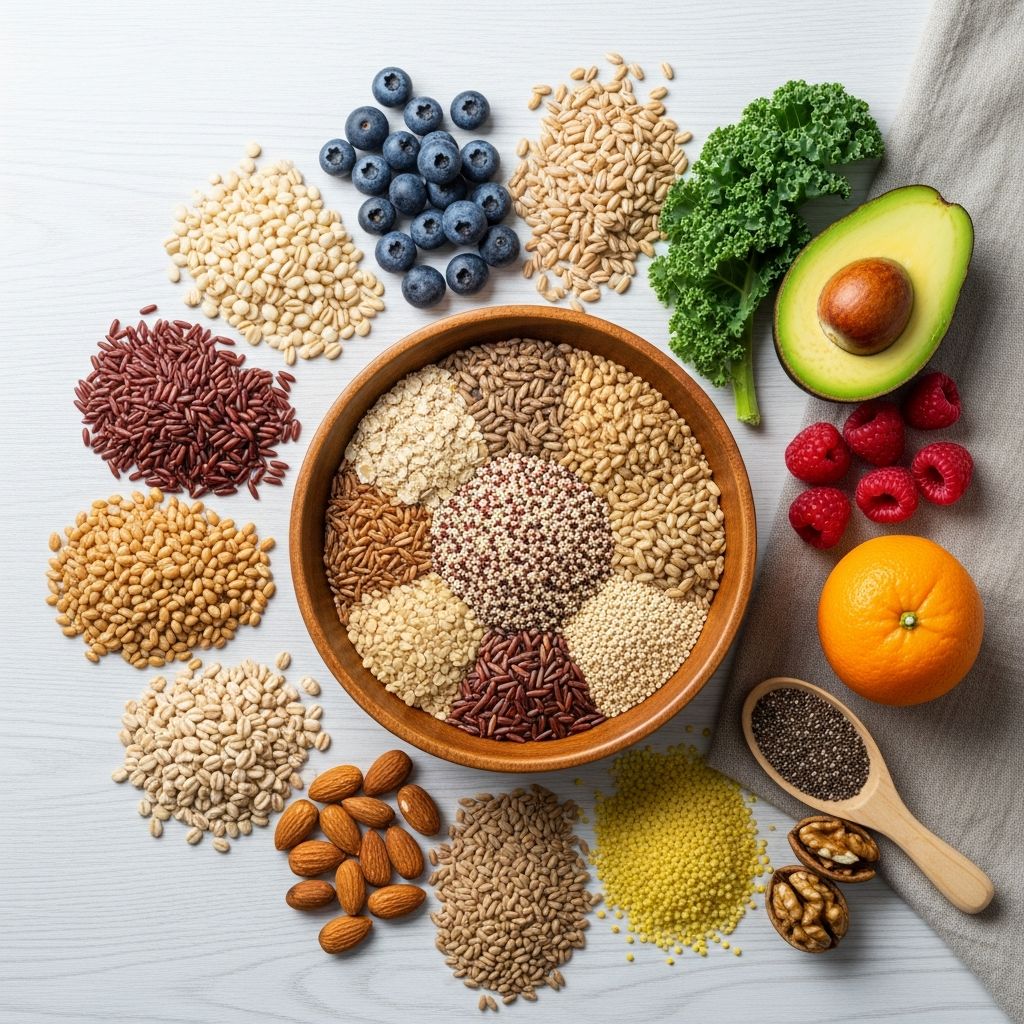
Whole grains are nutrient-dense powerhouses that retain the bran, germ, and endosperm of the grain kernel, providing fiber, vitamins, minerals, antioxidants, and phytochemicals absent in refined grains. Regular consumption of whole grains like oats, brown rice, quinoa, barley, and whole wheat has been linked to numerous health advantages through mechanisms such as improved glucose metabolism via betaine compounds, reduced cholesterol absorption by phytosterols and soluble fiber, and enhanced satiety from insoluble fiber. Studies, including metabolomics analyses in humans and mice, show elevated betaine levels after 12 weeks of whole grain intake correlate with better post-meal glucose control. Umbrella reviews of meta-analyses confirm protective effects against type 2 diabetes, cardiovascular disease (CVD), colorectal, pancreatic, and gastric cancers, with recommendations for 2-3 servings (about 45g) daily.
What Are Whole Grains?
Unlike refined grains, which lose the bran and germ during processing, whole grains preserve all parts of the seed: the bran (fiber-rich outer layer), germ (nutrient-packed core), and endosperm (starchy energy source). This intact structure delivers B vitamins, iron, magnesium, antioxidants like lignans and phenolic acids, and both soluble and insoluble fibers. The Whole Grains Council identifies benefits including reduced risks of stroke, type 2 diabetes, heart disease, better weight maintenance, less inflammation, and lower colorectal cancer risk, supported by over 100 studies from 2012-2017.
1. They May Reduce Your Risk of Heart Disease
Whole grains lower heart disease risk by 21-37% with intakes of 2.5 servings (33g) daily, per meta-analyses. Soluble fiber binds cholesterol in the gut, while phytosterols block its absorption, reducing serum LDL and total cholesterol. A 30g daily serving significantly lowers these markers.
2. They Help With Blood Pressure Control
High whole grain intake correlates with lower blood pressure due to potassium, magnesium, and fiber aiding vascular relaxation and sodium excretion. Population studies link highest consumers to reduced hypertension risk.
3. They Aid Weight Management
The fiber in whole grains promotes satiety, delaying gastric emptying and curbing overeating. Better insulin function reduces lipogenesis and fat storage. Observational data show better weight maintenance among high consumers.
4. They Lower Type 2 Diabetes Risk
Insoluble fiber slows glucose absorption, improving postprandial glucose and insulin responses. Betaine compounds like pipecolic acid betaine, elevated after whole grain diets, enhance glucose metabolism. Meta-analyses confirm risk reduction with 1.5 servings daily.
5. They May Lower Your Risk of Stroke
Reduced stroke risk is a hallmark benefit, attributed to anti-inflammatory effects and improved endothelial function from antioxidants and fiber. Repeated studies document this association.
6. They Promote Healthy Gut Bacteria
Fermentable fibers serve as prebiotics, fostering beneficial gut microbes. This supports digestion, immunity, and may contribute to betaine formation.
7. They May Reduce Inflammation
Phenolic compounds and fiber lower systemic inflammation markers, protecting against chronic diseases.
8. They’re Linked to Longevity
Highest whole grain consumers show 82% reduced CVD mortality and 89% lower cancer mortality in reviews.
9. They May Protect Against Colorectal Cancer
21% risk reduction in high vs. low consumers, via fiber speeding waste transit and antioxidants inhibiting cell proliferation.
10. They Could Lower Pancreatic Cancer Risk
24-30% reduced incidence linked to anti-inflammatory and insulin-regulating effects.
11. They May Help Prevent Gastric Cancer
Related Stories



43% lower risk, potentially from fiber and phytochemicals neutralizing carcinogens.
12. They Support Healthy Cholesterol Levels
Soluble fiber and phytosterols reduce LDL cholesterol absorption and promote excretion.
13. They Provide Essential Nutrients
Rich in magnesium, iron, zinc, B vitamins, and selenium for energy, immunity, and bone health.
14. They Improve Bowel Regularity
Insoluble fiber adds bulk, preventing constipation and diverticular disease.
15. They Enhance Satiety and Appetite Control
High fiber and protein content stabilizes blood sugar, reducing hunger.
16. They May Reduce Asthma Risk in Children
Preliminary links suggest maternal whole grain intake lowers childhood wheezing.
17. They Support Bone Health
Magnesium and other minerals aid density; fiber improves calcium absorption.
18. They Boost Overall Nutrient Intake
Diets with whole grains score higher on nutrient quality, displacing refined carbs.
How to Incorporate More Whole Grains Into Your Diet
- Swap white bread for whole wheat or rye.
- Choose brown rice or quinoa over white rice.
- Start days with oatmeal or whole grain cereals.
- Use barley in soups and stews.
- Opt for whole grain pasta and crackers.
- Aim for the Whole Grains Council’s stamp on products.
Gradually increase intake to avoid digestive discomfort, and pair with water for optimal fiber benefits. Target 3 servings daily: 1 slice bread (16g), ½ cup cooked rice (25g), or 1 cup cereal.
Whole Grains vs. Refined Grains: Key Differences
| Aspect | Whole Grains | Refined Grains |
|---|---|---|
| Fiber Content | High (soluble + insoluble) | Low/none |
| Nutrients | Vitamins, minerals, antioxidants intact | Stripped; often enriched |
| Glycemic Index | Lower (slower blood sugar rise) | Higher (spikes) |
| Health Impact | Protective against chronic diseases | Linked to weight gain, diabetes |
Frequently Asked Questions (FAQs)
What counts as a whole grain serving?
A serving is typically ½ cup cooked grains like brown rice or oats, 1 slice whole grain bread, or 1 cup ready-to-eat whole grain cereal, providing about 16g.
Are all ‘whole grain’ labels trustworthy?
Look for ‘100% whole grain’ or the Whole Grains Council stamp; check ingredients list for whole grain first.
Can whole grains cause bloating?
Initially yes, due to fiber increase; start slow and drink water to adapt.
Are gluten-free whole grains available?
Yes, like quinoa, brown rice, millet, buckwheat for celiac or gluten-sensitive individuals.
How many whole grains should I eat daily?
2-3 servings (~45g) for optimal benefits, per public health goals.
Potential Downsides and Considerations
While beneficial, those with grain allergies or IBS may need alternatives. Over-reliance without variety can limit nutrients. Consult professionals for personalized advice.
References
- What makes whole grains so healthful? — Medical News Today. 2019-02-20. https://www.medicalnewstoday.com/articles/323255
- Health Benefits of Dietary Whole Grains: An Umbrella Review of Meta-analyses. — PMC / National Library of Medicine. 2017-01-09. https://pmc.ncbi.nlm.nih.gov/articles/PMC5310957/
- What are the Health Benefits? | The Whole Grains Council. — Whole Grains Council. 2023-01-01. https://wholegrainscouncil.org/whole-grains-101/health-studies-health-benefits/what-are-health-benefits
Similar Articles








Read full bio of Sneha Tete