20 Money-Saving Grocery Shopping Tips From Dietitians
Discover 20 practical strategies from dietitians to slash your grocery bill while keeping meals nutritious and delicious for your family.
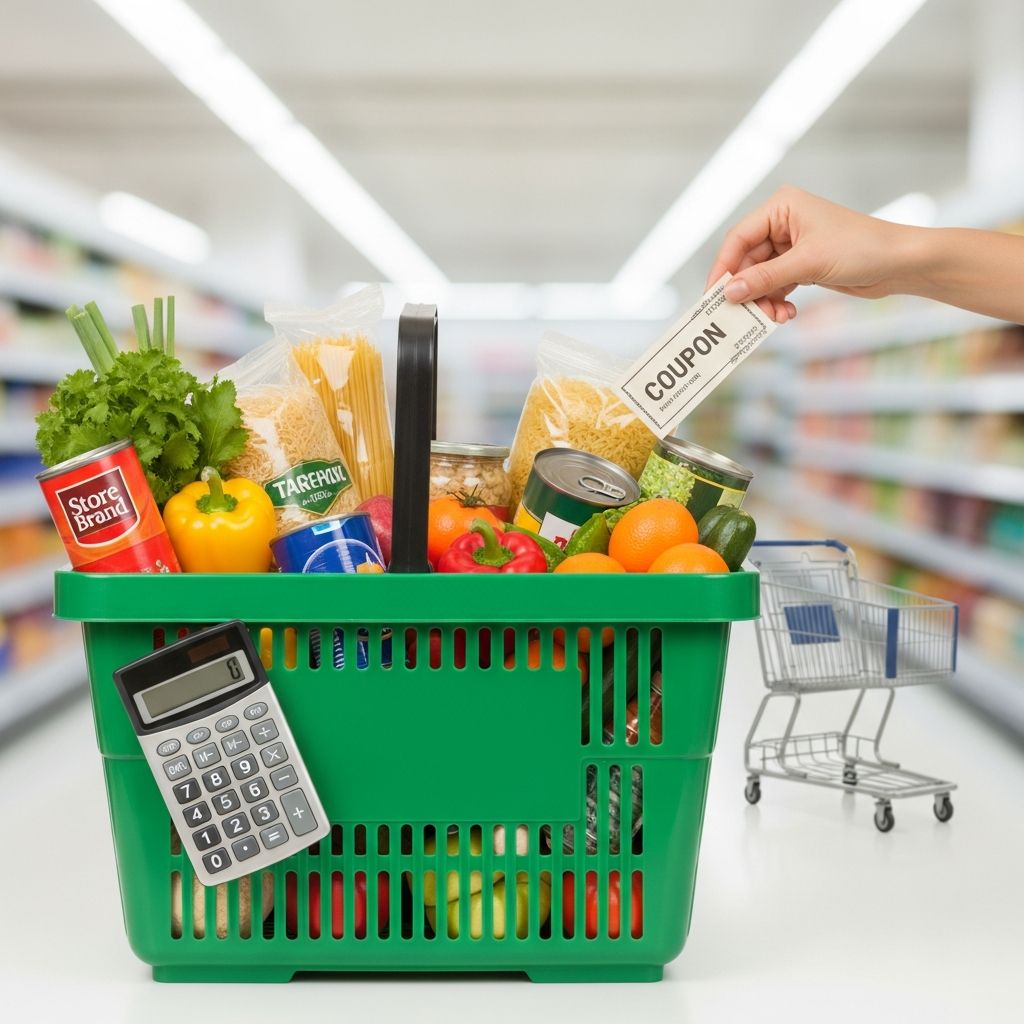
Elevate your grocery game with these 20 expert tips designed to help you save money without compromising on nutrition. Developed by registered dietitian nutritionists, these strategies focus on smart planning, savvy shopping, and maximizing value at every store visit. Whether you’re feeding a family or cooking for one, implementing these habits can significantly reduce your weekly food costs while promoting healthier eating.
Introduction
In today’s economy, grocery bills are rising, but you don’t have to sacrifice quality or nutrition to stay within budget. The key lies in preparation, awareness of sales, and choosing cost-effective yet nutrient-dense foods. By making a few adjustments to your routine—like creating detailed lists, timing your shops around promotions, and opting for store brands—you can cut costs by up to 20-30% on average. These tips draw from proven methods endorsed by leading nutrition experts, emphasizing whole foods, seasonal produce, and efficient storage to minimize waste.
Start by assessing your current habits: Do you shop without a list? Impulse buy at checkout? Overlook unit prices? Addressing these common pitfalls can lead to immediate savings. Over the next sections, we’ll break down strategies for home preparation, in-store tactics, and long-term habits that build a sustainable shopping system.
Preparation at Home
Success begins before you leave the house. Proper planning prevents overspending and ensures you buy only what you need.
- Keep a running grocery list. Maintain an ongoing list on your phone, fridge, or notepad. Add items as they run low to avoid multiple trips, saving time, gas, and impulse buys. This simple habit reduces forgotten essentials and overbuying.
- Plan your menus around the sales. Review weekly ads from multiple stores online or via apps. Base your meal ideas on discounted proteins, produce, and staples. For example, if chicken is on sale, plan stir-fries, soups, and salads around it. This maximizes savings on high-cost items like meat.
- Check what you have first. Inventory your pantry, fridge, and freezer before shopping. Use up existing items to avoid duplicates and reduce waste, which costs American households an average of $1,500 annually.
- Keep up with your favorite brands on social media. Follow brands for exclusive coupons, flash sales, and recipe ideas that align with budget buys.
- Grow your own. Start a small herb garden or veggies like tomatoes, peppers, and lettuce. Homegrown produce is free after initial setup and fresher than store-bought.
At the Grocery Store
Once in the store, stay disciplined with these actionable steps to navigate aisles efficiently and snag the best deals.
- Don’t shop when you’re hungry—or when the kids are hungry. Hunger leads to impulse purchases of pricey, less healthy snacks. Eat a snack beforehand to maintain focus.
- Make a shopping list and stick to it. Organize by store layout (produce, dairy, etc.) to minimize time and temptation. Studies show lists cut spending by 20%.
- Check for supermarket specials. Scan weekly circulars, apps, and in-store signs for manager’s specials on near-expiry items like bread or meat, often at 50% off.
- Use coupons only for foods you normally buy. Seek double/triple coupon days. Digital coupons via apps add up quickly—avoid buying just because it’s ‘on sale’.
- Invite the kids. Turn shopping into a learning experience: Let them pick colorful fruits and veggies, fostering healthy habits while keeping the trip engaging.
- Stock up. Buy extras of non-perishables like canned goods, frozen items, and cereals when priced low. Freeze meats in portions for later.
- Buy generic. Store brands match name-brand quality at 15-20% less. Compare nutrition labels to confirm.
- Check unit prices or prices per serving. Larger packages often win, but verify per-ounce cost. Eye-level shelves push pricier items; check top and bottom.
Smart Buying Strategies
Beyond basics, focus on value-packed choices that stretch dollars further.
- Shop the bulk foods aisle. Herbs, spices, nuts, grains, and beans cost less per pound. Less processing means better nutrition and savings.
- Stock up on staples when they go on sale. Pantry essentials like rice, pasta, sauces, and nut butters store indefinitely. Aim for ‘buy one get one’ deals.
- Think canned and frozen. These are cheaper and nutrient-rich at peak ripeness. Choose low-sodium/no-sugar options for fruits/veggies.
- Focus on minimally processed, whole and bulk items. Skip ready-to-eat for raw ingredients; buy cereal in bulk bins.
- Use these high-nutrition, low-cost foods. Opt for beans, lentils, eggs, peanut butter, tofu, canned fish, oats, brown rice, potatoes, and frozen produce over pricey meats.
Related Stories



Kitchen and Storage Tips
Maximize purchases with smart cooking and preservation.
- Fall in love with your freezer. Double recipes and freeze portions with dates. Ideal for busy nights—thaw oldest first to avoid waste.
- Use a slow cooker. Tenderizes cheap tough meats; add beans/veggies to stretch meals economically.
Pro Tip: Seasonal Savings Table
| Season | Affordable Produce | Why Buy? |
|---|---|---|
| Summer | Berries, broccoli, zucchini | Peak harvest lowers prices; maximum freshness |
| Fall | Apples, squash, potatoes | Abundant supply; store well |
| Winter | Citrus, root veggies, cabbage | In-season globally; nutrient-dense |
| Spring | Lettuce, asparagus, radishes | Early crops cheapen quickly |
Frequently Asked Questions (FAQs)
What’s the biggest mistake people make when grocery shopping on a budget?
Shopping without a list or when hungry, leading to 20-30% overspending on impulses.
Are store brands really as good as name brands?
Yes, often identical in ingredients and nutrition at lower cost. Always check labels.
How can I save on proteins?
Swap meats for beans, eggs, lentils, tofu, or canned fish; buy sale meats and freeze.
Is buying in bulk always cheaper?
Yes for staples you use regularly with storage space; check unit prices first.
Can kids help save money at the store?
Absolutely—teach them to select produce, making shopping educational and fun.
Conclusion
Implementing these 20 tips transforms grocery shopping from a chore into a savings opportunity. Start small: Pick 5 strategies this week, track your receipts, and watch savings grow. Consistent habits like list-making, sale-planning, and bulk buying not only cut costs but promote healthier, waste-free eating. Your wallet—and waistline—will thank you.
References
- 10 Ways to Save Time and Money at the Grocery Store — Academy of Nutrition and Dietetics. 2023-01-15. https://www.eatright.org/food/planning/food-security-and-sustainability/save-time-and-money-at-the-grocery-store
- 20 Money-Saving Grocery Shopping Tips — Academy of Nutrition and Dietetics. 2024-05-20. https://www.eatright.org/food/planning/food-security-and-sustainability/20-money-saving-grocery-shopping-tips
- Shop Healthy on a Budget — Academy of Nutrition and Dietetics. 2023-11-10. https://www.eatright.org/food/planning/food-security-and-sustainability/shop-healthy-on-a-budget
- 10 Tips for Eating Right Affordably — Academy of Nutrition and Dietetics. 2024-02-28. https://www.eatright.org/food/planning/food-security-and-sustainability/10-tips-for-eating-right-affordably
- Creating a Grocery List — Academy of Nutrition and Dietetics. 2023-08-05. https://www.eatright.org/food/planning/smart-shopping/creating-a-grocery-list
Similar Articles








Read full bio of Sneha Tete