2000-Calorie Meal Plan For Diabetes: 7-Day Balanced Menus
A balanced 2000-calorie diabetes meal plan with exchange lists, sample menus, grocery lists, and tips for blood sugar management.
Healthy eating plays a crucial role in managing diabetes by providing essential calories and nutrients to stabilize blood sugar levels and sustain energy for daily activities. This 2000-calorie meal plan uses the exchange system to ensure balanced nutrition, incorporating approximately 8 starch, 4 fruit, 4 milk, 4 nonstarchy vegetable, 7 meat, and 6 fat exchanges daily.
How to Use This 2000-Calorie Diabetes Meal Plan
The exchange lists for diabetes group foods by similar nutritional content, allowing flexibility in meal choices while controlling carbohydrates, proteins, fats, and calories. Each exchange represents a standardized serving, such as 1 starch (15g carbs, 80 calories) or 1 fruit (15g carbs, 60 calories). Consult a registered dietitian to personalize this plan based on your weight, activity level, medications, and goals. For instance, estimate daily calories by multiplying your weight in pounds by 10 if obese/inactive or 13 if low activity.
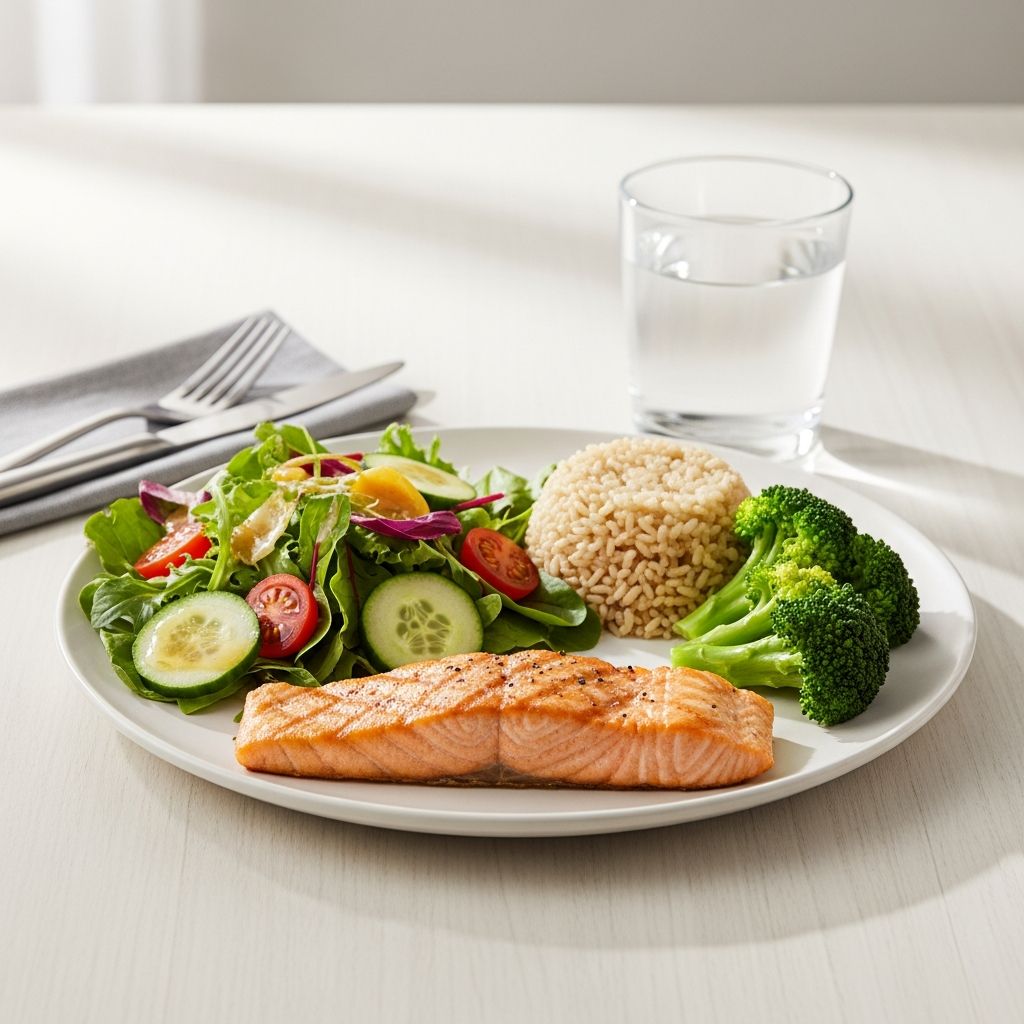
Combine this with carb counting and the plate method: fill half your plate with nonstarchy vegetables, one-quarter with lean proteins, and one-quarter with carb foods like whole grains or fruits. Regular meals prevent blood sugar fluctuations, and portion control is key—use hand estimates like a fist for 1 cup fruit or thumb for 1 oz cheese.
Diabetes Exchange Lists
Exchange lists categorize foods for easy swapping. Here’s a summary of key groups:
- Starch (1 exchange = 15g carbs, 0-3g protein, 0-1g fat, 80 calories): Whole-grain bread (1 slice), oatmeal (½ cup cooked), corn (½ cup kernels), or small baked potato.
- Fruit (1 exchange = 15g carbs, 60 calories): Apple (1 small), banana (extra-small, 4 oz), or 1 cup raspberries.
- Milk (1 exchange = 12g carbs, 8g protein, 0-8g fat): Fat-free milk (1 cup) or reduced-fat plain yogurt (⅔ cup, 6 oz).
- Nonstarchy Vegetables (1 exchange = 5g carbs, 2g protein, 25 calories; count as half carb): Broccoli, spinach, salad greens (1 cup raw or ½ cup cooked), or carrots.
- Meat & Meat Substitutes: Lean (3 oz = 0g carb, 7g fat, 55 calories: chicken breast, fish); Medium-fat (3 oz = 4-7g fat, 75 calories: tofu, low-fat cheese); High-fat (3 oz = 8+g fat, 100 calories: sausage).
- Fat (1 exchange = 5g fat, 45 calories): 1 tsp butter, 1 tbsp reduced-fat dressing, or 1 tbsp peanut butter.
- Free Foods: Unlimited non-caloric items like herbs, spices, or sugar-free gelatin.
These lists promote variety while focusing on whole foods, minimizing added sugars and refined grains as recommended by health authorities.
Sample 7-Day 2000-Calorie Meal Plan Menus
This plan distributes exchanges across six meals/snacks for steady blood sugar. Total daily: ~200g carbs (45-50%), 100g protein (20%), 65g fat (30%), hitting 2000 calories. Adjust based on preferences.
Day 1
| Meal | Menu | Exchanges |
|---|---|---|
| Breakfast | ¾ cup unsweetened cereal, 1 slice whole-grain toast, 1 cup fat-free milk, 1 tbsp peanut butter, 2 tsp low-sugar jelly | 2 starch, 1 milk, 1 meat (high-fat), 1 fat, free food |
| AM Snack | Extra-small banana (4 oz), 3 graham crackers (2½-inch squares) | 1 fruit, 1 starch |
| Lunch | 2 cups split pea soup, 1 cup mixed salad greens, 2 cups raw veggies (carrots/celery), 4 tbsp reduced-fat dressing, 1 medium peach | 2 starch, 2 vegetable, 2 fat, 1 fruit |
| PM Snack | ⅔ cup reduced-fat plain yogurt, 1 cup raspberries | 1 milk, 1 fruit |
| Dinner | 1 cup baked acorn squash, 1 small dinner roll, 3 oz baked salmon, 1 cup nonstarchy mixed veggies, 3 tsp butter, 2 small tangerines | 1 starch, 3 meat (lean), 2 vegetable, 3 fat, 1 fruit |
| Evening Snack | 1 slice whole-grain bread, 1 oz low-salt ham, 1 tbsp reduced-fat mayo, 1 cup fat-free milk | 1 starch, 1 meat (lean), 1 fat, 1 milk |
Day 2
Breakfast: 1 cup fat-free Greek yogurt, ½ cup blueberries, 1 oz almonds, 1 slice whole-wheat toast (2 starch, 1 milk, 1 fruit, 1 fat).
AM Snack: 1 small apple, 1 string cheese (1 fruit, 1 lean meat).
Lunch: Turkey wrap (3 oz turkey, whole-wheat tortilla, lettuce, tomato, mustard), side salad with 1 tbsp vinaigrette, carrot sticks (2 starch, 2 lean meat, 2 vegetable, 1 fat).
PM Snack: 6 oz low-fat cottage cheese, ½ cup pineapple chunks (1 milk, 1 fruit).
Dinner: Grilled chicken (4 oz), ½ cup quinoa, 1 cup steamed broccoli, 1 tsp olive oil, 1 pear (2 starch, 3 lean meat, 2 vegetable, 1 fat, 1 fruit).
Evening Snack: 1 cup air-popped popcorn, 1 cup fat-free milk (1 starch, 1 milk).
Day 3
Breakfast: Veggie omelet (2 eggs, spinach, peppers), 1 English muffin half, ½ grapefruit (2 starch, 2 lean meat, 1 fruit, 1 vegetable).
AM Snack: 1 oz walnuts, 6 oz nonfat yogurt (1 milk, 2 fat).
Lunch: Tuna salad (3 oz tuna, mixed greens, cucumber, 1 tbsp dressing), 1 whole-grain roll, 1 orange (1 starch, 2 lean meat, 2 vegetable, 1 fat, 1 fruit).
PM Snack: Celery sticks with 1 tbsp hummus (1 vegetable, 1 fat).
Dinner: Baked cod (4 oz), ⅔ cup brown rice, 1 cup zucchini, 2 tsp margarine, 1 cup strawberries (2 starch, 3 lean meat, 2 vegetable, 1 fat, 1 fruit).
Evening Snack: ½ cup oatmeal, 1 cup skim milk (1 starch, 1 milk).
Related Stories



Days 4-7 Variations
- Day 4: Focus on beans/lentils for plant-based protein; e.g., lentil soup lunch.
- Day 5: Seafood-heavy dinner with shrimp stir-fry.
- Day 6: Vegetarian: Tofu stir-fry with veggies and rice.
- Day 7: Comfort foods like turkey chili and corn muffin.
Rotate proteins and veggies for variety. Track carbs: aim 45-60g per meal, 15-30g per snack.
Grocery List for the Week
Stock up for success with this categorized list serving one person:
- Produce: Apples (4), bananas (4), berries (2 pints), peaches (3), tangerines (6), squash/acorn (2), salad greens (2 bags), carrots/celery (1 lb each), broccoli/zucchini/other nonstarchy veggies (5 lbs), grapefruit/oranges/pears (4 each).
- Dairy: Fat-free milk (2 gal), reduced-fat yogurt (32 oz), low-fat cheese (8 oz), eggs (1 dozen).
- Proteins: Salmon (12 oz), chicken breast (1 lb), turkey/ham (8 oz each), tuna (2 cans), tofu/beans (if vegetarian).
- Grains: Whole-grain bread (1 loaf), cereal (unsweetened, 1 box), oatmeal/quinoa/rice/brown rice (1 lb each), rolls/muffins (6), graham crackers/popcorn.
- Fats/Condiments: Peanut butter (small jar), reduced-fat dressing/mayo (1 each), butter/olive oil/margarine (small), nuts/almonds/walnuts (8 oz).
- Pantry: Low-sugar jelly, split pea soup (low-sodium), canned fruits in water, herbs/spices.
Simple Diabetes-Friendly Recipes
Baked Salmon with Veggies (Dinner, Serves 1)
Ingredients: 3 oz salmon fillet, 1 cup mixed nonstarchy veggies, 1 tsp olive oil, lemon, herbs.
Instructions: Preheat oven to 400°F. Place salmon and veggies on foil-lined sheet, drizzle oil, season. Bake 15-20 min until salmon flakes. Pairs with 1 small roll and fruit. (3 lean meat, 2 vegetable, 1 fat.)
Split Pea Soup (Lunch, Serves 2)
Ingredients: 1 cup dry split peas, 4 cups low-sodium broth, onion, carrots, celery, garlic.
Instructions: Simmer all 45 min until tender. Divide for 2 servings. (2 starch, 1 vegetable per serving.)
Berry Yogurt Parfait (Snack)
Layer ⅔ cup yogurt, 1 cup berries, sprinkle nuts. (1 milk, 1 fruit, 1 fat.) Quick, refreshing, fiber-rich.
More ideas: Veggie stir-fry, turkey sandwiches, overnight oats. Emphasize fiber-rich whole foods to slow carb absorption.
Top Tips for Diabetes Meal Success
- Plan ahead: Use online tools for custom menus and grocery lists.
- Portion control: Measure initially; use plate method daily.
- Hydrate: Choose water, unsweetened tea over sugary drinks.
- Activity: Pair with 30 min daily exercise for better glucose control.
- Monitor: Check blood sugar pre/post meals; adjust with professional guidance.
- Dining out: Opt for grilled proteins, double veggies, skip sauces.
- Budget-friendly: Buy seasonal produce, frozen veggies, bulk grains.
Ask for DSMES referral for personalized support. Consistent use stabilizes blood sugar, aids weight management.
Frequently Asked Questions (FAQs)
What is the exchange system for diabetes meal planning?
The exchange system groups foods by carb/protein/fat content, allowing swaps within groups to maintain consistent nutrition.
How many carbs per day on a 2000-calorie diabetes plan?
Aim for 45-50% from carbs (~225g daily), spread evenly: 45-60g/meal, 15-30g/snack.
Can I adjust calories if active?
Yes, increase by 200-300 calories for moderate activity; consult a dietitian.
Are fruits safe for diabetes?
Yes, in exchanges (4 daily); whole fruits over juice for fiber.
What if I have dietary restrictions like vegetarian?
Substitute meats with tofu, beans, eggs; maintain exchange counts.
References
- Your 2000-calorie meal plan — Novo Nordisk Inc. (Cornerstones4Care). 2011. https://www.josephaminkhalilmd.com/wp-content/uploads/2025/06/2000-Calorie-Meal-Plan.pdf
- Diabetes Meal Planning — Centers for Disease Control and Prevention (CDC). Accessed 2026. https://www.cdc.gov/diabetes/healthy-eating/diabetes-meal-planning.html
- Nutrition Therapy for Adults With Diabetes or Prediabetes — American Diabetes Association. 2025-05-01. https://diabetesjournals.org/care/article/48/Supplement_1/S153/157555/5-Nutrition-Therapy-for-Adults-With-Diabetes-or
- Carbohydrate Counting for Traditional Meal Planning — Academy of Nutrition and Dietetics. 2024. https://www.eatrightpro.org/practice/practice-resources/nutrition-care-continuum-tools/diabetes-nutrition-tools
- Exchange Lists for Diabetes — American Diabetes Association. 2023. https://diabetes.org/food-nutrition/food-and-blood-sugar/diabetes-superfoods
Similar Articles








Read full bio of Sneha Tete