24-Hour Ambulatory Blood Pressure Monitoring
Continuous blood pressure tracking for accurate hypertension diagnosis and management.
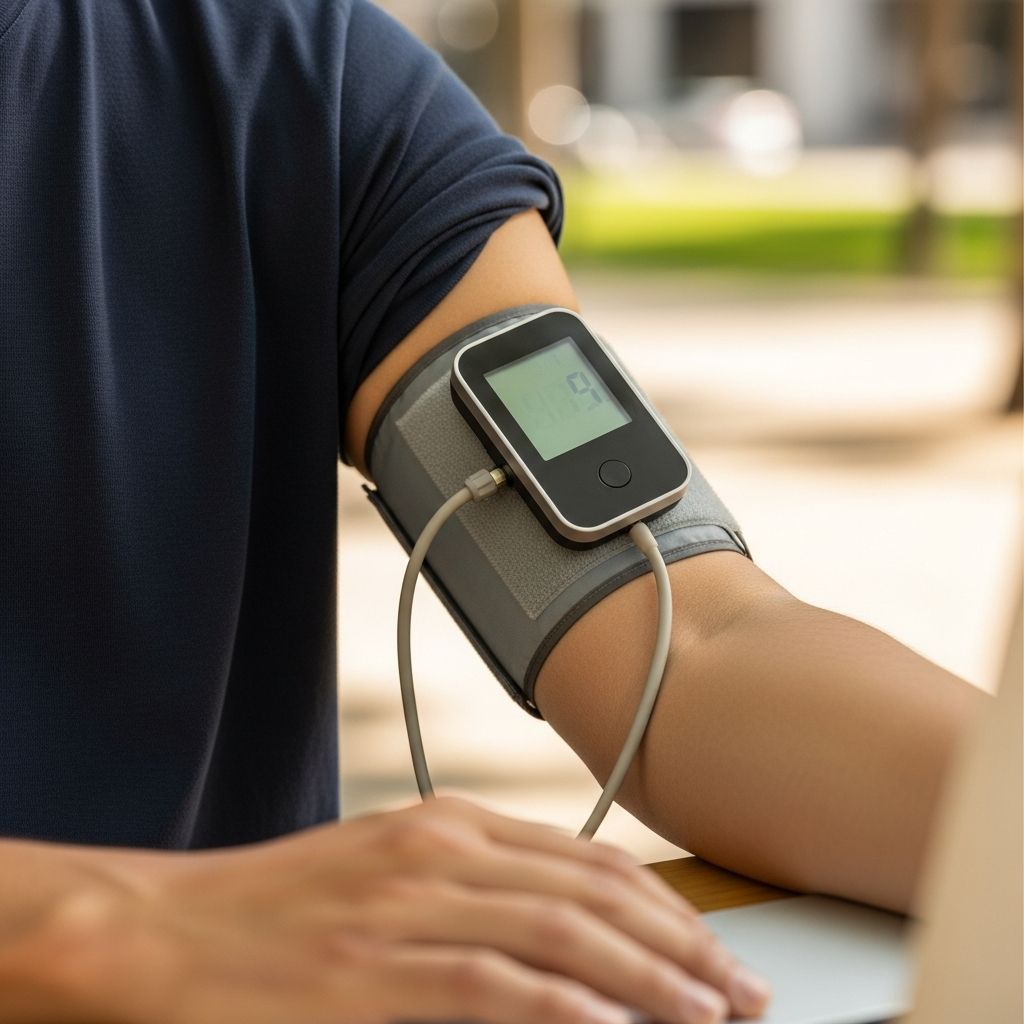
Understanding 24-Hour Ambulatory Blood Pressure Monitoring
Ambulatory blood pressure monitoring is a diagnostic method that measures your blood pressure continuously over a 24-hour period, capturing readings as you go about your daily life and even while you sleep. This innovative approach provides healthcare providers with significantly more accurate data compared to traditional office-based blood pressure measurements, which typically consist of only one or two readings during an appointment. The continuous monitoring helps diagnose hypertension, guide treatment decisions, and identify various blood pressure patterns that might otherwise go unnoticed.
High blood pressure, or hypertension, is a serious health condition that affects millions of people worldwide. According to clinical guidelines, hypertension is diagnosed when your systolic blood pressure (top number) is at least 130 mmHg and/or your diastolic blood pressure (bottom number) is at least 80 mmHg. However, obtaining an accurate diagnosis requires more than a single office reading, which is why ambulatory blood pressure monitoring has become an increasingly important diagnostic tool in modern healthcare.
How Ambulatory Blood Pressure Monitoring Works
During a 24-hour ambulatory blood pressure monitoring study, you wear a portable device that includes a blood pressure cuff attached to your arm and a small recording device worn on a strap or belt. Unlike traditional sphygmomanometers used in healthcare provider offices, this portable system operates automatically throughout your entire day and night.
The device records multiple blood pressure and heart rate measurements at regular intervals. In most cases, the cuff inflates automatically every 15 to 30 minutes during waking hours and every 60 minutes during sleep. This frequent sampling creates a comprehensive dataset that your healthcare provider can analyze to calculate your average blood pressure over the entire 24-hour period, identify patterns and variations in your readings, and determine your heart rate trends.
The device also measures additional statistics beyond simple averages, including changes in blood pressure and heart rate throughout the day, blood pressure distribution patterns, and other analytical measures that provide insight into your cardiovascular health. Your healthcare provider will transfer all the data from the monitoring device to a computer system for detailed analysis and interpretation.
Why Your Healthcare Provider Recommends ABPM
Healthcare providers use 24-hour ambulatory blood pressure monitoring for several important clinical reasons. The primary advantage is that it provides substantially more data than office-based readings, offering a more complete picture of your actual blood pressure patterns throughout daily life. This comprehensive data helps detect abnormal changes in blood pressure that might otherwise remain unnoticed with standard office measurements.
The test is particularly valuable for identifying several important blood pressure conditions:
- Confirming high blood pressure diagnosis
- Detecting white coat hypertension or white coat syndrome
- Identifying masked hypertension
- Guiding medication adjustments and treatment decisions
- Monitoring treatment effectiveness
- Assessing blood pressure control in patients with known hypertension
Understanding Different Blood Pressure Patterns
White Coat Hypertension
White coat hypertension, also known as white coat syndrome, occurs when people have normal blood pressure at home but experience elevated readings in a healthcare provider’s office. This phenomenon affects approximately 10% to 30% of people with elevated BP readings in healthcare settings and is driven by the anxiety or stress some patients feel during medical appointments. Ambulatory blood pressure monitoring can definitively identify this pattern by showing that your blood pressure remains normal during everyday activities outside the clinical setting.
Related Stories



Current clinical guidelines do not recommend starting blood pressure medication treatment when ambulatory monitoring shows normal readings outside your provider’s office, though ongoing research continues to explore whether white coat hypertension itself may indicate underlying cardiovascular concerns. If you have white coat syndrome, working with your healthcare provider to monitor your blood pressure trends over time remains important for your long-term health.
Masked Hypertension
Masked hypertension is the opposite scenario—blood pressure readings that are elevated both in your provider’s office and at home. Research has linked masked hypertension to significantly increased risk of heart damage, kidney damage, and stroke. This pattern requires careful attention and medical management because it indicates consistent elevation of your blood pressure throughout daily life.
Preparing for Your 24-Hour Monitoring Study
Your healthcare provider will give you specific preparation instructions before your ambulatory blood pressure monitoring appointment. General preparation guidelines typically include:
- Wearing comfortable, loose-fitting clothing that allows easy access to your arm
- Continuing your normal daily activities as usual
- Following your regular medication schedule unless instructed otherwise
- Keeping a brief log of your activities and any symptoms you experience
- Understanding how to care for the monitoring device during the 24-hour period
The monitoring device is waterproof or water-resistant, which means you can continue most normal daily activities including light exercise. However, you should avoid vigorous exercise or activities that might damage the device. Your healthcare provider will provide specific instructions about showering and bathing with the device.
What to Expect During Monitoring
During your 24-hour monitoring period, you will barely notice the automatic cuff inflations as they occur. The device will take readings regularly throughout your day and night, capturing your blood pressure while you work, exercise, eat, relax, and sleep. You should maintain a normal routine and engage in your typical daily activities, as the goal is to capture your actual blood pressure patterns in real-world conditions.
Some people find the periodic cuff inflations slightly uncomfortable as the cuff tightens around the arm, but this discomfort is brief and mild. You can remove the device only if directed by your healthcare provider, typically to prevent damage during high-impact activities or water exposure beyond showering.
Understanding Your Results
Normal Blood Pressure Readings
Your healthcare provider will discuss what constitutes normal readings for your 24-hour ambulatory blood pressure monitoring study. Generally, normal ambulatory blood pressure readings are lower than office readings because they represent your typical blood pressure during daily life rather than the potentially elevated readings some people experience during medical appointments.
Analyzing Your Data
Your healthcare provider will analyze multiple aspects of your monitoring data to provide a comprehensive assessment. This analysis includes your average systolic and diastolic pressures over the entire 24-hour period, your average daytime readings, your average nighttime readings, and the variability of your readings throughout the day.
The results also show what percentage of readings fall within normal, elevated, or high ranges, and whether your blood pressure follows a normal circadian rhythm—typically dropping by 10-20% during sleep. An abnormal pattern where your blood pressure remains elevated during sleep (a non-dipper pattern) may indicate increased cardiovascular risk and may warrant treatment modifications.
When to Expect Results
Your healthcare provider will typically review your results within several days to two weeks of completing the monitoring period. During a follow-up appointment, your provider will discuss what your specific results mean for your health, explain any abnormal patterns identified, and outline next steps in your care. Next steps may include starting medication, adjusting current medications, recommending lifestyle modifications, or scheduling additional testing.
When to Contact Your Healthcare Provider
While wearing your ambulatory blood pressure monitor, you should call your healthcare provider if you experience:
- Chest pain or pressure
- Severe headache or dizziness
- Shortness of breath
- Confusion or difficulty speaking
- Weakness on one side of your body
- Severe discomfort from the monitoring device
- Device malfunction or inability to obtain readings
These symptoms could indicate a medical emergency requiring immediate attention, and you should not wait to report them or seek emergency care if needed.
The Accuracy and Effectiveness of ABPM
Yes, ambulatory blood pressure monitoring is an accurate and effective way to measure your blood pressure. It provides your healthcare provider with substantially better data compared with measuring your blood pressure only at medical appointments. Multiple clinical studies have demonstrated that ambulatory blood pressure monitoring predicts cardiovascular risk better than office readings alone and provides superior diagnostic accuracy for detecting various hypertension patterns.
The test is considered the gold standard for out-of-office blood pressure measurement in clinical practice. This accuracy makes it particularly valuable for patients who suspect they have white coat syndrome, for those with difficult-to-control hypertension, and for individuals with conditions that require close blood pressure monitoring such as kidney disease, pregnancy complications, or cardiac disease.
Benefits of Ambulatory Blood Pressure Monitoring
One of the most significant benefits of ambulatory blood pressure monitoring is its ability to reduce unnecessary anxiety about blood pressure measurements. Many people experience anxiety when a blood pressure cuff is placed on their arm during medical appointments, which can artificially elevate their readings. Ambulatory monitoring captures your blood pressure as you go about your normal routine, showing whether elevated office readings reflect what’s actually happening with your blood pressure throughout the day.
For people with known hypertension, ambulatory blood pressure monitoring provides confidence that their treatment plan is working effectively. The comprehensive data helps healthcare providers make evidence-based decisions about medication adjustments, and research suggests that basing treatment decisions on ambulatory monitoring data rather than office readings alone may improve long-term health outcomes and potentially reduce unnecessary medication use in some patients.
Clinical Applications and Special Populations
Healthcare providers use ambulatory blood pressure monitoring for multiple clinical situations beyond simple hypertension diagnosis. The test is particularly valuable for patients with resistant hypertension—blood pressure that remains elevated despite treatment with three or more medications at optimal doses. It’s also used in patients with chronic kidney disease, pregnant women with hypertension concerns, transplant recipients, and patients undergoing dialysis.
Research programs at major academic medical centers like Cleveland Clinic have expanded the applications of ambulatory blood pressure monitoring significantly. Studies examine its utility in cardiac rehabilitation patients, in individuals with aortic dissection requiring careful blood pressure management, and in patients with autonomic dysfunction affecting blood pressure regulation.
Complementary Home Blood Pressure Monitoring
While 24-hour ambulatory blood pressure monitoring provides a single comprehensive snapshot of your blood pressure patterns, the American Heart Association recommends that people with hypertension also perform regular home blood pressure monitoring. Home monitoring involves taking your blood pressure at the same times each day using a validated home blood pressure monitor. Taking two readings at least one minute apart, once in the morning and once in the evening, provides ongoing data about your blood pressure control between clinical visits.
The combination of ambulatory blood pressure monitoring for diagnosis and assessment with regular home monitoring for ongoing management provides the most comprehensive approach to blood pressure control. Home monitoring is less expensive than repeated ambulatory studies and can be done indefinitely to track your response to treatment.
Frequently Asked Questions
Q: Is ambulatory blood pressure monitoring painful?
A: The periodic cuff inflations are generally not painful, though some people find them slightly uncomfortable as the cuff tightens. The discomfort is brief and mild, lasting only the few seconds it takes for the cuff to inflate and record a reading.
Q: Can I exercise while wearing the monitor?
A: Yes, you can exercise during ambulatory blood pressure monitoring. In fact, the test is designed to capture your blood pressure during normal daily activities including exercise. However, you should avoid very vigorous exercise or activities that might damage the device. Your healthcare provider will give you specific guidance.
Q: How often does the cuff inflate?
A: The cuff typically inflates every 15 to 30 minutes during waking hours and every 60 minutes during sleep. This frequent sampling creates a comprehensive dataset of your blood pressure patterns.
Q: What should I do if the device is uncomfortable?
A: Contact your healthcare provider for adjustment advice. The device should be snug but not painfully tight. Minor adjustments to the cuff position or strap tension can often improve comfort significantly.
Q: Can I shower or bathe with the device?
A: This depends on the specific device. Most modern ambulatory blood pressure monitors are water-resistant and can tolerate brief water exposure during showering. However, you should avoid prolonged water exposure or submersion. Your healthcare provider will provide specific instructions for your device.
Q: When will I get my results?
A: Your healthcare provider will typically have results available within several days to two weeks of completing the monitoring period and will schedule a follow-up appointment to discuss them.
Q: What if my results show elevated blood pressure?
A: Elevated ambulatory blood pressure readings typically indicate that your blood pressure needs treatment or your current treatment needs adjustment. Your healthcare provider will discuss medication options, lifestyle modifications, or other interventions based on your specific results and overall health status.
Getting Started with Ambulatory Blood Pressure Monitoring
If you experience high blood pressure readings in your healthcare provider’s office but wonder if they accurately reflect your typical blood pressure, or if you have symptoms of hypertension that seem inconsistent with your office readings, discuss ambulatory blood pressure monitoring with your healthcare provider. This test can provide the definitive answer about your actual blood pressure patterns and guide appropriate treatment decisions.
Your healthcare provider can explain how ambulatory blood pressure monitoring can help you and what you can learn from the results specific to your situation. The comprehensive data provided by this test often becomes the foundation for effective blood pressure management, helping ensure you receive appropriate treatment tailored to your actual blood pressure patterns rather than potentially misleading office readings.
References
- 24-Hour Ambulatory Blood Pressure Monitoring — Cleveland Clinic. 2024. https://my.clevelandclinic.org/health/diagnostics/16330-24-hour-ambulatory-blood-pressure-monitoring
- Expanding Uses of Blood Pressure Monitoring Technologies Fuel Two New Research Studies — Cleveland Clinic Consult QD. 2020. https://consultqd.clevelandclinic.org/expanding-uses-of-blood-pressure-monitoring-technologies-fuel-two-new-research-studies
- Ambulatory blood pressure monitoring: An argument for wider clinical use — Cleveland Clinic Journal of Medicine, Vol. 74, No. 11. 2007. https://www.ccjm.org/content/74/11/831
- Blood Pressure Disorders — Cleveland Clinic Center for Blood Pressure Disorders. 2024. https://my.clevelandclinic.org/departments/urology-kidney/depts/blood-pressure-disorders
- Do You Really Need to Check Your Blood Pressure at Home? — Cleveland Clinic Podcast: Love Your Heart. https://my.clevelandclinic.org/podcasts/love-your-heart/do-you-really-need-to-check-your-blood-pressure-at-home
Similar Articles








Read full bio of medha deb