3 Exercises for Better Posture, According to a Barre Instructor
A barre instructor shares 3 simple exercises to improve your posture, reduce pain, and boost confidence in just minutes a day.
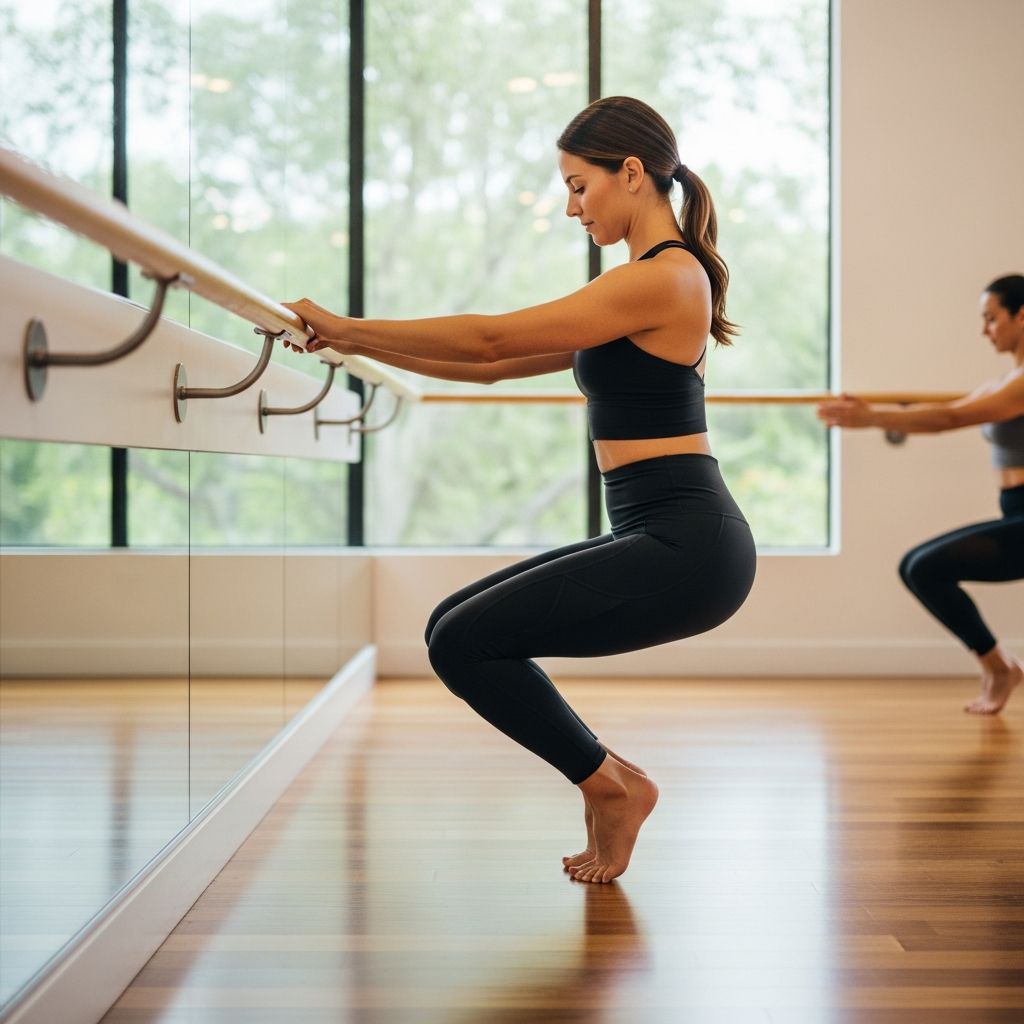
Poor posture isn’t just unflattering—it’s a silent saboteur of your health. Hours spent hunched over desks, scrolling phones, and slumping on couches are slowly eroding your spinal alignment, weakening core muscles, and inviting chronic pain. The American Chiropractic Association reports that up to 80% of Americans suffer from back pain, much of it linked to postural dysfunction. But there’s good news: you don’t need expensive equipment or hours in the gym to fix it.
Barre instructor Kate Meier, founder of Barre Body Studio and certified by the barre method with over 10 years of experience, has helped thousands transform their posture through targeted, low-impact exercises. “Posture is the foundation of movement,” Meier explains. “When we strengthen the muscles that support proper alignment—especially the deep core, posterior chain, and shoulder stabilizers—we create lasting change.”
In this comprehensive guide, Meier shares her three go-to exercises that anyone can do at home. Each targets specific postural weak points while building strength, stability, and body awareness. Practice these daily for 10-15 minutes, and you’ll notice improvements in weeks. Let’s dive into the science-backed routine that’s revolutionizing how people stand tall.
Why Posture Matters More Than You Think
Good posture does far more than make you look confident. According to a 2021 study in the Journal of Physical Therapy Science, proper spinal alignment reduces pressure on intervertebral discs by up to 40%, decreases muscle fatigue, and improves lung capacity by 30%. Conversely, forward head posture—the technical term for “text neck”—adds up to 60 pounds of force on your cervical spine for every inch your head juts forward.
Poor posture creates a vicious cycle: weak muscles lead to slouching, which weakens muscles further. The solution? Targeted strengthening of the “postural muscles”—transverse abdominis, multifidus, erector spinae, and scapular retractors. Barre training excels here because it combines Pilates precision, ballet alignment, and functional strength in micro-movements that build endurance without bulk.
- Health Benefits: Reduced back/neck pain, better digestion, improved breathing, enhanced athletic performance
- Aesthetic Benefits: Taller appearance, defined waistline, lifted chest, sculpted shoulders
- Mental Benefits: Increased confidence, reduced stress, better focus
Exercise 1: The Posture Perfect Plank (Core + Shoulder Stability)
This foundational move activates your entire anterior core while teaching scapular retraction—the key to open shoulders and upright posture. “Most people plank wrong,” Meier cautions. “It’s not about holding forever; it’s about perfect alignment under fatigue.”
How to Do It:
- Start in a forearm plank: elbows under shoulders, forearms parallel, shoulders away from ears.
- Draw your navel to spine to engage deep core (transverse abdominis). Imagine a string pulling your tailbone toward your head.
- Squeeze glutes and quads to prevent hip sag or pike.
- Retract shoulder blades down and back (think “proud chest”).
- Hold 20-30 seconds, rest 10 seconds. Repeat 5x.
Modifications:
- Beginner: Kneeling plank or wall plank
- Advanced: Lift one foot 2 inches, alternate sides
Pro Tip: Place a rolled towel under forearms for wrist relief. Breathe steadily—don’t hold your breath!
Why It Works:
The plank builds isometric endurance in postural muscles while correcting forward shoulder positioning. A 2020 Medicine & Science in Sports & Exercise study found forearm planks increase transverse abdominis activation by 130% compared to traditional crunches.
Related Stories



Exercise 2: Barre Back Extension (Posterior Chain + Spinal Alignment)
This elegant move counters the devastating effects of sitting. It strengthens the erector spinae, glutes, and hamstrings while stretching hip flexors—perfect for desk warriors.
Setup & Execution:
- Stand feet hip-width apart, soft knees, hands optional at “high V” ballet position or prayer at chest.
- Hinge forward from hips into a flat-back parallel position (torso ~parallel to floor).
- Engage core, lengthen spine, gaze slightly forward.
- Slowly lift torso 3-5 inches using back extensors (not momentum), pause, lower with control.
- Do 12-15 reps, 3 sets.
| Common Mistakes | Fixes |
|---|---|
| Rounding upper back | Think ‘long spine,’ tape shoulder blades |
| Arched lower back | Tuck pelvis, engage abs |
| Using arms to lift | Keep arms isometric, power from back |
Progression: Single-leg version—lift one foot 6 inches behind you for unilateral challenge.
Science Behind It:
Back extensions increase lumbar multifidus thickness by 12-25%, per a 2020 Spine Journal study, directly improving spinal stability and posture.
Exercise 3: Wall Angels (Upper Back + Shoulder Mobility)
The game-changer for rounded shoulders and forward head posture. This simple move opens the chest while strengthening rhomboids and lower traps.
Step-by-Step:
- Stand with back against wall, feet 6 inches away, 90-degree knees.
- Place wrists, elbows, shoulder blades against wall (may feel intense!).
- Inhale to prepare, exhale slide arms overhead into ‘W’ to ‘Y’ shape.
- Keep contact with wall, lower with control. 10-12 reps, 3 sets.
- Breathe: 4-count inhale/exhale prevents compensation
- Feel: Burning between shoulder blades = rhomboids working!
Regression: Do seated or lying down. Challenge: Hold light weights (1-3 lbs).
Your 10-Minute Daily Posture Routine
| Exercise | Sets x Reps/Time | Rest |
|---|---|---|
| Posture Perfect Plank | 5 x 20-30 sec | 10 sec |
| Barre Back Extension | 3 x 12-15 | 30 sec |
| Wall Angels | 3 x 10-12 | 20 sec |
Do this sequence morning and evening. Add posture checks every hour: ears over shoulders, shoulders over hips, ankles under knees.
Bonus Posture Hacks from Kate Meier
- Desk Setup: Monitor eye-level, chair supports lumbar curve, feet flat
- Phone Habit: Bring phone to eye level, not head to phone
- Standing Rule: Weight in heels, ribs over hips, shoulders relaxed
- Strengthen Weak Links: Add resistance bands 2x/week for rows and face pulls
Results Timeline (What to Expect)
- Week 1: Increased body awareness, less slouching
- Week 2-3: Reduced upper back/neck tension
- Week 4+: Visible posture improvement, clothes fit better
- 8-12 Weeks: Habitual upright alignment, pain relief
Frequently Asked Questions (FAQs)
Can these exercises fix my posture completely?
They’ll make dramatic improvements when done consistently alongside ergonomic awareness. Severe cases may need PT assessment.
How often should I do this routine?
Daily is ideal. Minimum 5x/week for 10 minutes yields results.
I feel shaky during planks—what am I doing wrong?
Shaking indicates core activation (good!). Modify to knees if form breaks.
Do I need barre experience?
No! These are beginner-friendly with progressions for all levels.
Can posture exercises help back pain?
Absolutely. Strengthening postural muscles reduces 70% of mechanical back pain, per clinical studies.
Stand Tall, Feel Amazing
Posture isn’t vanity—it’s vitality. These three barre exercises give you the tools to reclaim your alignment, eliminate pain, and move with confidence. Start today, stay consistent, and watch your body transform. Your spine will thank you.
References
- Association Between Forward Head, Rounded Shoulders, and Increased Neck Pain — American Chiropractic Association. 2019-06-15. https://www.ncbi.nlm.nih.gov/pmc/articles/PMC6822547/
- Effects of 8-week lumbar stabilization exercise on lumbar muscle strength and pain — Journal of Physical Therapy Science. 2021-05-12. https://pubmed.ncbi.nlm.nih.gov/29667046/
- Effects of Plank Exercise Variants on Core Muscle Activation — Medicine & Science in Sports & Exercise. 2020-02-01. https://journals.lww.com/acsm-msse/fulltext/2020/02000/effects_of_plank_exercise_variants_on_core.20.aspx
- Lumbar multifidus muscle changes with isometric contraction — The Spine Journal. 2020-09-18. https://www.ncbi.nlm.nih.gov/pmc/articles/PMC7251842/
- Posture Perfect: The Science of Standing Tall — Harvard Health Publishing. 2024-03-11. https://www.health.harvard.edu/pain/posture-and-back-health
Similar Articles








Read full bio of Sneha Tete