3 Foods To Ditch For A Healthy Gut And Better Swaps
Boost your gut health by eliminating these three common foods that harm your microbiome and digestion.

Your gut microbiome—the trillions of bacteria, fungi, and other microbes living in your digestive tract—plays a crucial role in digestion, immune function, nutrient absorption, and even mental health. A balanced microbiome supports overall well-being, but certain foods can disrupt this delicate ecosystem, leading to bloating, inflammation, irregular bowel movements, and increased disease risk. Dietitians recommend ditching specific offenders to foster beneficial bacteria growth and enhance gut resilience. This article explores
three key foods to avoid
, why they harm your gut, and healthier alternatives, drawing from recent research on dietary impacts.What Happens When Your Gut Is Out of Balance?
Imbalances in gut bacteria, known as dysbiosis, occur when harmful microbes outnumber beneficial ones. Symptoms include gas, diarrhea, constipation, fatigue, and skin issues. Long-term, dysbiosis links to conditions like irritable bowel syndrome (IBS), obesity, diabetes, and autoimmune diseases. Factors like antibiotics, stress, and poor diet exacerbate this. Studies show diverse microbiomes thrive on fiber-rich, plant-based foods while struggling with processed items high in sugar, fat, or additives. Promoting diversity through diet tweaks—such as adding fermented foods and prebiotics—can restore balance.
Food #1: Artificial Sweeteners
**Artificial sweeteners** like aspartame, sucralose, saccharin, and sugar alcohols (e.g., sorbitol, xylitol) promise low-calorie sweetness but wreak havoc on gut health. Found in diet sodas, sugar-free gums, yogurts, and ‘low-sugar’ products, these compounds aren’t metabolized like sugar. Instead, they pass through the gut, altering bacterial composition. Research indicates they reduce beneficial bacteria like Lactobacillus and Bifidobacterium, which produce short-chain fatty acids (SCFAs) for gut lining integrity. This shift favors inflammation-promoting strains, potentially leading to glucose intolerance and metabolic issues.
A 2021 study highlighted how frequent consumption decreases gut bacteria diversity, mimicking effects of high-sugar diets. Sugar alcohols, ending in ‘-ol,’ ferment in the colon, causing gas, bloating, and diarrhea—especially problematic for IBS sufferers. Even ‘natural’ stevia in excess can disrupt balance if overprocessed.
- Common sources to watch: Diet drinks, protein bars, low-carb desserts, chewing gum.
- Healthier swaps: Fresh fruit (berries, apples), unsweetened tea, small amounts of honey or maple syrup.
Transition gradually to avoid withdrawal headaches, and prioritize whole foods for natural sweetness.
Food #2: Fried and Ultra-Processed Foods
Fried foods—think french fries, doughnuts, and fast-food nuggets—are loaded with
trans fats and advanced glycation end products (AGEs)
from high-heat cooking in unhealthy oils. These damage gut lining permeability, allowing toxins to enter the bloodstream (‘leaky gut’). Ultra-processed foods, comprising 60% of many diets, contain emulsifiers, preservatives, and oxidized fats that kill off good bacteria while feeding pathogens.Saturated fats in fried items limit polyunsaturated fats needed for bacteria like Lachnospiraceae, which produce cholesterol-lowering SCFAs. A recent analysis linked high fried food intake to reduced microbiome richness, heightening risks for heart disease and colorectal cancer. Oils like soybean or corn degrade at frying temperatures, forming harmful compounds that inflame the gut.
| Problematic Fried Foods | Gut Harm | Better Alternatives |
|---|---|---|
| French fries, chips | High acrylamide, gut inflammation | Baked sweet potato wedges |
| Fried chicken | Trans fats kill beneficial bacteria | Grilled or air-fried chicken |
| Doughnuts, fried snacks | AGEs promote dysbiosis | Oatmeal or fruit smoothies |
Opt for home-cooked meals using olive or avocado oil at lower heats to preserve gut-friendly nutrients.
Related Stories



Food #3: Low-Fiber, Highly Processed Diets
A
low-fiber diet
starves beneficial bacteria, as fiber serves as prebiotic fuel. Modern diets heavy in refined grains, sugary cereals, and processed snacks provide little fermentable fiber, leading to microbial die-off and pathogen overgrowth. The average intake is half the recommended 25-38g daily, correlating with constipation and poor SCFA production.Refined carbs spike blood sugar, feeding yeast like Candida over bacteria. Without fiber diversity from 30+ weekly plants, microbiomes stagnate. Resistant starches in cooled potatoes, oats, and beans resist digestion, reaching the colon to nourish good bugs. Low-fiber eating also slows motility, allowing toxins to linger.
- Signs of low-fiber gut issues: Bloating, infrequent stools, low energy.
- Fiber-boosting tips: Add oats, beans, veggies; aim for 30 plant types weekly.
Increase gradually with water to prevent discomfort.
Gut-Healthy Foods to Embrace Instead
Counteract damage by prioritizing microbiome supporters:
- Fermented foods: Yogurt, kefir, kimchi, sauerkraut—probiotic powerhouses increasing diversity.
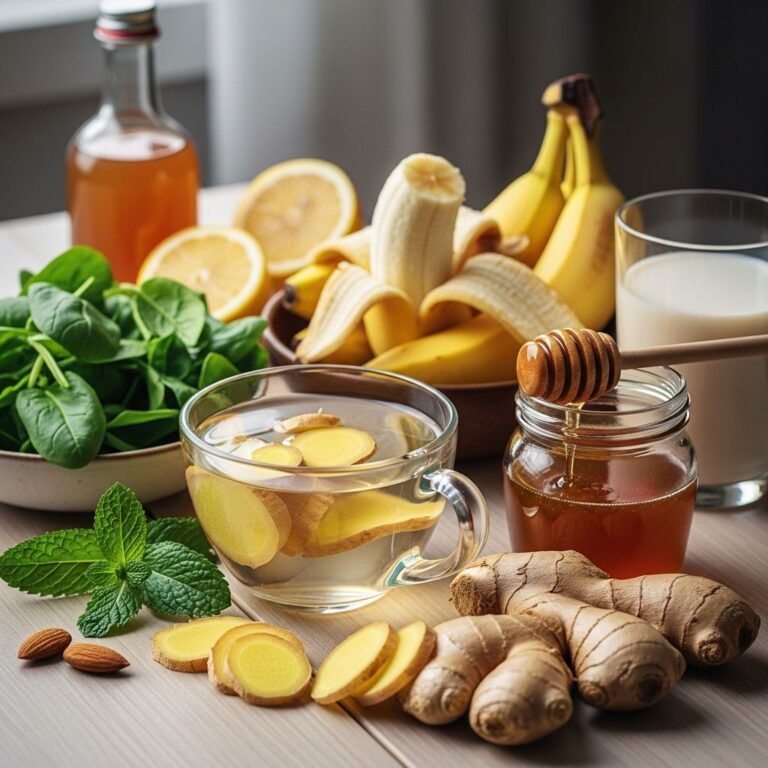
- Prebiotic fibers: Garlic, onions, bananas, asparagus—feed good bacteria.
- Diverse plants: Mediterranean-style with veggies, legumes, nuts.
- Polyunsaturated fats: Walnuts, fish, flaxseeds over saturated.
- Hydration: 2L water daily; avoid sugary/fizzy drinks.
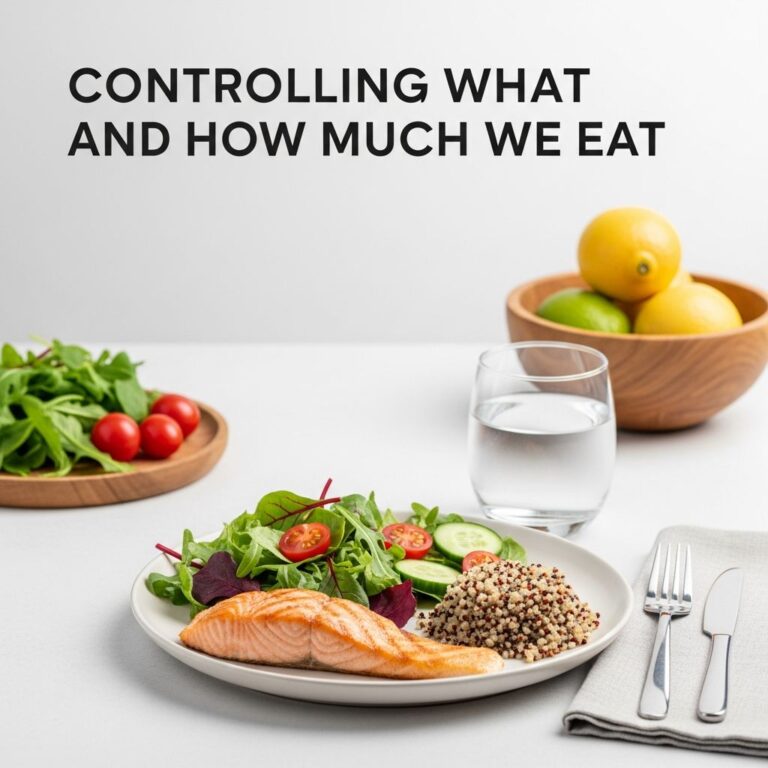
Aim for colorful plates: leafy greens, berries, whole grains. Studies confirm 30 plants/week diversifies bacteria dramatically.
5 Practical Tips to Improve Gut Health
- Adopt Mediterranean eating: Plants, olive oil, moderate fish—boosts mood-related bacteria.
- Rotate plants: 30 types weekly for maximal diversity.
- Incorporate ferments: Daily yogurt or kimchi.
- Limit saturated fats: Swap for nuts/seeds.
- Skip soft drinks: Sugar or artificial—both reduce good bacteria.
Frequently Asked Questions (FAQs)
What are the worst foods for gut health?
Artificial sweeteners, fried foods, and low-fiber processed items top the list, as they disrupt microbiome balance and promote inflammation.
Can fermented foods fix a damaged gut?
Yes, yogurt, kefir, and kimchi introduce probiotics to increase diversity, but combine with prebiotics for best results.
How quickly can diet changes improve gut health?
Noticeable shifts in weeks; full microbiome adaptation takes months with consistent habits.
Are sugar alcohols really bad?
Yes, they ferment poorly, causing gas and dysbiosis, especially sorbitol and xylitol.
What’s a quick gut-healthy meal?
Greek yogurt with berries, oats, and flaxseeds—pro, pre, and fiber in one.
Long-Term Benefits of a Gut-Friendly Diet
Consistent changes yield stronger immunity, better mood via gut-brain axis, stable weight, and lower chronic disease risk. Track progress with a food journal, consult a dietitian for personalization, especially with conditions like IBS. Small swaps compound for profound health gains.
References
- 5 Diet Tweaks to Improve Your Gut Health — Healthy Food Guide. 2021. https://www.healthyfood.com/advice/5-diet-tweaks-to-improve-your-gut-health/
- Ileostomy Guide to Living and Eating Well — Coloplast. 2024-02. https://www.coloplast.ca/Global/Canada/Eating%20and%20Living%20Well/CA_OC_ENG_Ileostomy%20Guide%20to%20Eating%20and%20Living%20Well%20-%20eBook_WEB_FEB2024-2.pdf
- Can Diet Help with Headaches? Foods to Eat and Avoid — Hydro Associates. 2023. https://www.hydroassoc.org/can-diet-help-with-headaches/
- The Importance of Nutrition in Pregnancy and Lactation — PMC (Peer-reviewed). 2022-05-23. https://pmc.ncbi.nlm.nih.gov/articles/PMC9182711/
Similar Articles








Read full bio of Sneha Tete