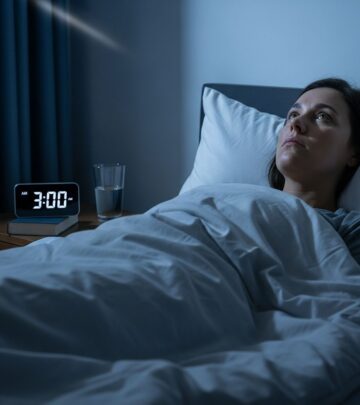
3 Reasons Not to Sleep With Your Phone in Your Bed
Discover why keeping your phone out of the bedroom can transform your sleep quality and overall health.
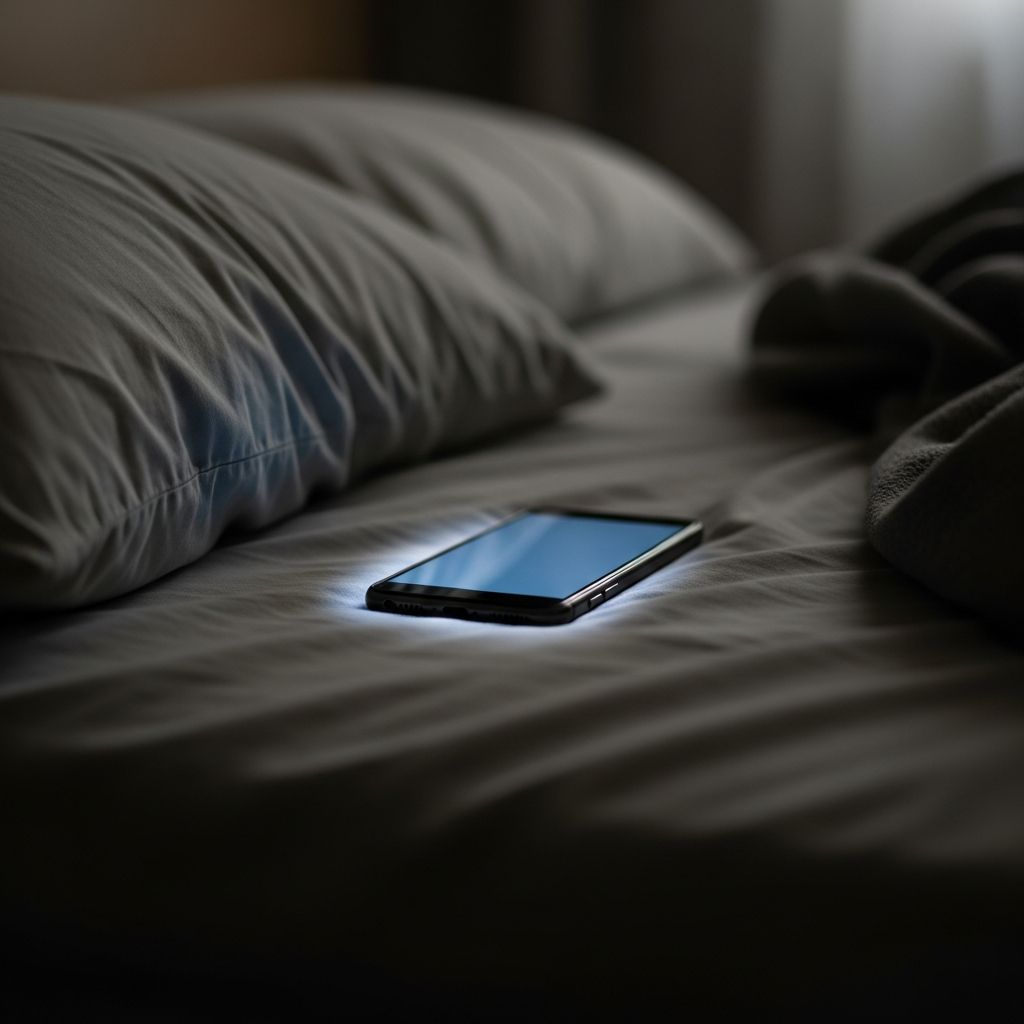
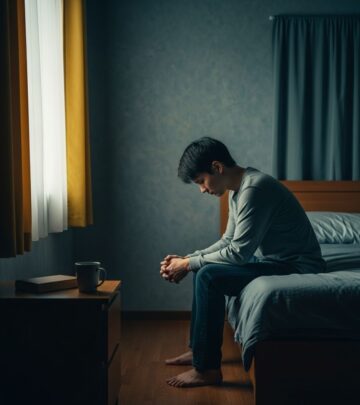
Sleeping with your phone right next to your bed has become a modern habit for millions, but this practice can sabotage your rest in ways you might not realize. Smartphones emit
blue light
that tricks your brain into staying awake, constant notifications fragment your sleep cycles, and potential electromagnetic fields (EMFs) add another layer of disruption. Health experts unanimously recommend keeping devices out of the bedroom to prioritize restorative sleep. This article dives deep into the three primary reasons, supported by peer-reviewed research, and offers practical tips to break the habit.1. Blue Light Disrupts Your Circadian Rhythm and Melatonin Production
The most compelling reason to banish your phone from the bedroom is its
blue light
emission. Smartphone screens predominantly emit short-wavelength blue light, which suppresses melatonin—the hormone essential for regulating your sleep-wake cycle. Even dim light from your device can delay sleep onset by hours, leading to chronic sleep debt.Research shows that exposure to blue light in the evening mimics daylight, confusing your body’s internal clock, known as the circadian rhythm. A study on mobile devices and insomnia highlights how this light interacts with the endogenous circadian factor, one of the three main sleep regulators: homeostatic, circadian, and behavioral. When behavioral factors like late-night scrolling override circadian signals, insomnia symptoms emerge.
Consider the average usage: smartphones are used for about 132 minutes daily, much of it on screens before bed. This habit particularly affects young adults and adolescents, where electronic media use at night correlates with sleep disturbances and even depressive symptoms as a partial mediator. The National Sleep Foundation’s poll found that devices in the bedroom within an hour of bedtime significantly increase difficulty falling asleep, even after controlling for other distractions like TV.
- Melatonin Suppression Details: Blue light inhibits melatonin by up to 23% after just 2 hours of exposure, per controlled studies.
- Real-World Impact: College students waking for phone use report poorer sleep quality, predicting anxiety and depression.
- Vulnerable Groups: Adolescents face heightened risks, with mobile phone use linked to longer sleep onset latency.
To mitigate this, implement a “digital sunset” by dimming screens or using night mode filters—at least 2-3 hours before bed. Better yet, charge your phone outside the bedroom. Over time, this restores natural melatonin production, leading to faster sleep onset and deeper rest.
2. Notifications and Alerts Cause Sleep Fragmentation
Even if your phone is on silent, the temptation to check notifications turns your bed into a productivity zone, fragmenting sleep architecture. Each buzz or glance activates your brain’s alertness system, pulling you from light sleep stages into full wakefulness. Studies confirm that time awake due to technology—not the volume of texts or calls—predicts severe insomnia symptoms.
Recreational use in bed, especially after lights out, correlates positively with insomnia severity and daytime sleepiness. One investigation of college students found higher post-sleep-onset tech use led to poorer sleep quality, exacerbating mental health issues. Music listening via devices even links to frequent nightmares, while mobile phone use specifically hinders falling asleep.
Sleep fragmentation disrupts REM and deep sleep phases, essential for memory consolidation and emotional regulation. Chronic interruption contributes to fatigue, impaired cognition, and weakened immunity. The behavioral factor in sleep regulation is overridden here, as devices encourage habits that delay or interrupt sleep.
| Sleep Stage | Normal Duration (% of Night) | Impact of Interruptions |
|---|---|---|
| Light Sleep (N1/N2) | 50-60% | Frequent awakenings prevent progression to deeper stages |
| Deep Sleep (N3) | 20-25% | Reduced recovery, muscle repair suffers |
| REM Sleep | 20-25% | Fragmented dreaming leads to mood instability |
Related Stories



Practical solutions include enabling “Do Not Disturb” mode with scheduled exceptions, but the gold standard is physical separation. Place your phone in another room, using an old-school alarm clock instead. Track improvements with a sleep diary: many report 30-60 minutes more sleep nightly after one week.
3. Electromagnetic Fields (EMFs) May Impair Sleep Quality
Phones constantly emit low-level EMFs, even in standby mode, from cellular, Wi-Fi, and Bluetooth signals. While long-term health effects remain debated, acute impacts on sleep are documented. A double-blind study found significant negative effects on sleep quality from mobile phone stations, independent of ionizing radiation.
EMFs potentially influence brain wave patterns, reducing slow-wave sleep crucial for physical restoration. Adolescents and light sleepers are most susceptible, with bedroom device presence linked to chronotype disruptions and morning grogginess. Though not all studies agree—one found no insomnia link—consensus leans toward caution, especially for vulnerable populations.
- Mechanisms: EMFs may alter melatonin signaling or increase cortisol, heightening arousal.
- Evidence Strength: Experimental designs show dose-dependent sleep quality declines.
- Precautions: Airplane mode reduces emissions by 90%, but distance is most effective (inverse square law).
Experts recommend keeping devices at least 3 feet from your bed or powering off entirely. This minimizes exposure without sacrificing connectivity needs.
What Happens When You Sleep With Your Phone Charging Nearby?
Charging amplifies risks: heat generation raises room temperature (ideal sleep is 60-67°F), and peak EMF output occurs during rapid charging. Lithium-ion batteries emit higher fields under load, potentially exacerbating sleep disruptions. Combined with blue light from charging indicators, this creates a perfect storm for poor sleep. Studies on device proximity underscore that even passive presence correlates with insomnia.
5 Ways to Create a Phone-Free Bedroom for Better Sleep
Transforming your sleep sanctuary starts with commitment. Here are evidence-based strategies:
- Establish a Charging Station: Designate a spot outside the bedroom, like the kitchen counter, to build routine.
- Use Traditional Alarms: Opt for wind-up clocks to eliminate dependency.
- Leverage Tech Ironically: Apps like Forest gamify phone separation during wind-down.
- Wind-Down Ritual: Replace scrolling with reading physical books or meditation—boosts melatonin naturally.
- Track and Adjust: Use wearable sleep trackers (charged daytime) to quantify gains.
Consistency yields results: within 7-14 days, users report improved sleep efficiency and vitality.
Frequently Asked Questions (FAQs)
Is it really that bad to sleep with my phone on airplane mode?
Airplane mode cuts EMFs and notifications but not blue light if you use it. Still risky—best to keep it out entirely for optimal sleep hygiene.
How far should my phone be from my bed?
Minimum 3 feet; ideally, another room. EMF strength drops exponentially with distance.
Can night mode eliminate blue light risks?
It reduces but doesn’t eliminate blue light. Combined with distance, it’s helpful, but timing matters most—avoid screens 2+ hours pre-bed.
Does this apply to tablets or laptops too?
Yes—all screens emit blue light and notifications disrupt similarly. Apply the same rules across devices.
What if I need my phone for emergencies?
Keep it silenced in another room or use a landline. True emergencies are rare; peace of mind outweighs minimal risk.
Adopting a phone-free bedroom fosters deeper, uninterrupted sleep, enhancing cognitive function, mood, and longevity. Prioritize rest—your body will thank you.
References
- Mobile Devices and Insomnia: Understanding Risks and Benefits — Khosla S, et al. Curr Psychiatry Rep. 2016. https://pmc.ncbi.nlm.nih.gov/articles/PMC5363971/
- The association between use of electronic media in bed before going to sleep and insomnia symptoms — Fossum I, Nordnes L, et al. Behav Sleep Med. 2014. https://doi.org/10.1080/15402002.2013.819468
- Technology use and sleep quality in college students — Adams A, Kisler T. 2013 (cited in ). National Sleep Foundation data integrated.
- Effects of mobile phone base stations on sleep quality — Dunker-Hopfe H, et al. 2014 (cited in ).
Similar Articles








Read full bio of Sneha Tete