3 Strategies for Successful Meal Planning
Master meal planning with proven strategies to create nutritious, delicious meals that fit your busy lifestyle and family needs.
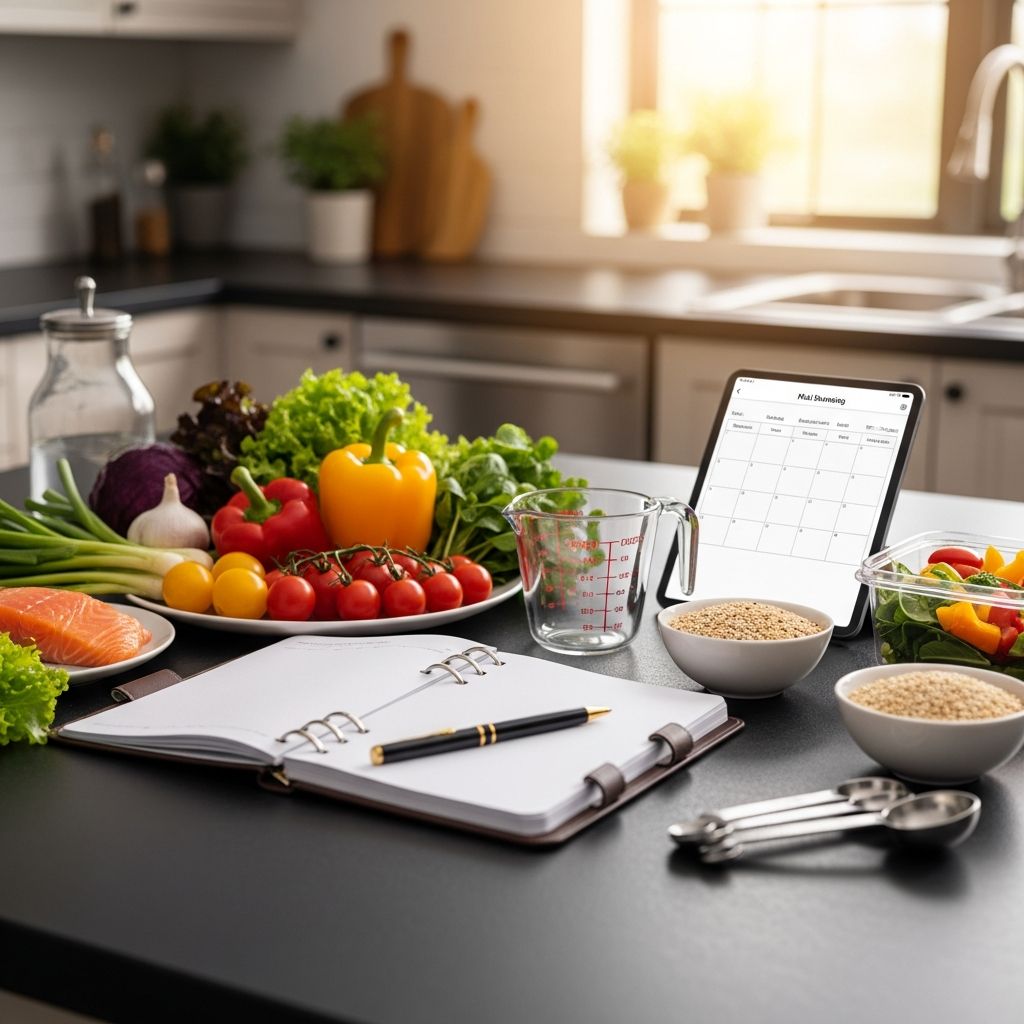
Life’s demands often make mealtimes chaotic, but planning ahead can transform stress into seamless, nutritious eating. These three straightforward strategies—making a menu, stocking your pantry and freezer with the five food groups, and creating a smart grocery list—empower you to prepare delicious meals tailored to your preferences, schedule, and health goals. By following these steps, you’ll save time, reduce food waste, cut costs, and ensure balanced nutrition for yourself and your family.
Step 1: Make a Menu
The foundation of successful meal planning starts with crafting a thoughtful menu. This step involves assessing your lifestyle, preferences, and resources to build a realistic plan that promotes variety and health.
Begin by deciding your planning scope: weekly or monthly? Do you prefer prepping meals in advance, cooking fresh, or a mix? Consider batch cooking for freezer storage if time is tight. Account for special dietary needs, such as allergies, vegetarian preferences, or conditions like diabetes.
Create your menu on paper, a phone app, or computer. Ensure balance by incorporating all food groups: fruits, vegetables, grains, proteins, and dairy or alternatives. A healthy plate typically features half vegetables and fruits, a quarter whole grains, and a quarter lean proteins, with dairy on the side.
- Explore recipes: Browse cookbooks, trusted websites, or apps for appealing dishes. Assess skill level—opt for simple recipes if you’re a beginner, or challenge yourself with new techniques. Verify you have necessary tools like slow cookers or specialty pans.
- Consult family: Check schedules and preferences. Involve everyone to boost buy-in and accommodate tastes, like kid-friendly options or spice levels.
- Factor in weather: Choose hearty soups for winter or light salads for summer. For lunches, select packable items that stay safe with ice packs.
- Inventory staples: Use pantry items first to rotate stock, prevent waste, and save money. Prioritize older goods.
- Scan sales and seasons: Build menus around supermarket deals and in-season produce for affordability and freshness. Seasonal fruits and veggies often taste best and cost less.
- Embrace variety with repetition: Rotate a few breakfasts like oatmeal or yogurt parfaits, and lunches like wraps or salads. Include snacks such as nuts or fruit.
- Plan leftovers: Design meals that yield extras for another day. Refrigerate for 3-4 days max or freeze promptly for safety.
- Review and tweak: Share the draft with household members for feedback. Track notes during the week on hits, misses, and improvements.
This process not only streamlines your week but fosters healthier habits. For instance, repeating simple breakfasts ensures consistent nutrient intake without daily decision fatigue.
Step 2: Stock Your Pantry and Freezer with the Five Food Groups
A well-stocked pantry and freezer form the backbone of effortless meal prep. Focus on versatile, healthy staples from the five food groups: fruits, vegetables, grains, protein foods, and dairy. Tailor selections to your tastes and needs, prioritizing whole, minimally processed items.
Keep a running inventory list—paper or app—to note depleted items. This prevents overbuying and ensures freshness.
Grains
Stock whole grains for sustained energy and fiber. Pantry essentials include:
- Oatmeal, buckwheat, and whole-grain cereals—top with nuts or berries.
- Barley, farro, quinoa for hearty sides or salads.
- Various rices: brown, basmati, long-grain.
- Whole-grain or legume-based pastas like spaghetti, penne for quick meals.
Freezer: Frozen whole-grain breads or dough for fresh baking.
Fruits
Aim for variety in colors for diverse nutrients. Pantry and freezer:
- Fresh seasonal fruits; don’t overbuy perishables.
- Frozen unsweetened berries, tropical fruits.
- Canned in juice/water, no added sugar; dried without sugars.
- 100% juices sparingly.
Vegetables
Fill half your plate with veggies. Options:
- Fresh prewashed greens, precut for convenience.
- Frozen plain varieties like broccoli, spinach.
- Canned low-sodium: tomatoes, beans, corn.
Related Stories



Proteins
Lean sources for muscle repair:
- Dry beans, lentils, nuts, seeds in pantry.
- Canned fish (low-sodium), nut butters, tofu.
- Freezer: Chicken, fish fillets, ground turkey, edamame, meatballs.
Dairy and Alternatives
Calcium-rich picks:
- Low-fat milk, yogurt, cheeses in fridge.
- Pantry: Shelf-stable milk, powdered.
- Freezer: Yogurt tubes, shredded cheese.
Regular stocking reduces last-minute scrambles. Multitask ingredients—like extra chicken for multiple meals—to maximize efficiency.
Step 3: Create a Grocery List
With menu and inventory ready, compile a targeted list. This step minimizes waste, impulse buys, and trips.
- Compile needs: List recipe ingredients plus staples. Cross-check fridge, pantry, freezer.
- Organize by store layout: Group produce, dairy, etc., for speedy shopping.
- Shop strategically: Go during off-peak hours. Use apps for lists, coupons. Online? Review past orders, stick to list.
- Buy smart: Prioritize sales, seasonal items. Choose time-savers like precut produce.
| Food Group | Pantry Staples | Freezer Staples |
|---|---|---|
| Grains | Oatmeal, quinoa, pasta | Whole-grain bread |
| Fruits | Canned in juice, dried | Berries, mango |
| Vegetables | Canned low-sodium | Broccoli, peas |
| Proteins | Beans, nuts | Chicken, fish |
| Dairy | Shelf-stable milk | Cheese, yogurt |
This table summarizes stocking essentials for quick reference.
Frequently Asked Questions (FAQs)
Q: How often should I meal plan?
A: Weekly planning suits most; adjust to monthly for batch cooking. Reassess based on schedules.
Q: What if my family has picky eaters?
A: Involve them in choices, offer variety within meals, and use familiar ingredients in new ways.
Q: How do I handle busy weeks?
A: Rely on freezer meals, simple recipes under 30 minutes, and multitask ingredients.
Q: Can meal planning save money?
A: Yes, by using sales, staples, and reducing waste—often 20-30% savings.
Q: What’s the best way to store leftovers safely?
A: Refrigerate within 2 hours, use within 3-4 days, or freeze for up to 3 months.
These strategies, drawn from expert guidance, make healthy eating sustainable. Consistent practice yields less stress, better nutrition, and family bonding over meals.
References
- 3 Strategies for Successful Meal Planning — Academy of Nutrition and Dietetics. 2023-01-15. https://www.eatright.org/food/planning/smart-shopping/3-strategies-for-successful-meal-planning
- Creating a Grocery List — Academy of Nutrition and Dietetics. 2023-05-10. https://www.eatright.org/food/planning/smart-shopping/creating-a-grocery-list
- Family Meals: Small Investment, Big Payoff — Academy of Nutrition and Dietetics. 2022-11-20. https://www.eatright.org/food/planning/meals-and-snacks/family-meals-small-investment-big-payoff
- Planning — Academy of Nutrition and Dietetics. 2024-02-05. https://www.eatright.org/food/planning
- Smart Shopping — Academy of Nutrition and Dietetics. 2023-08-12. https://www.eatright.org/food/planning/smart-shopping
Similar Articles








Read full bio of Sneha Tete