Guinness: 3 Surprising Facts Backed By Science
Discover unexpected truths about Guinness beer, from its nutritional profile to health impacts and historical myths debunked.
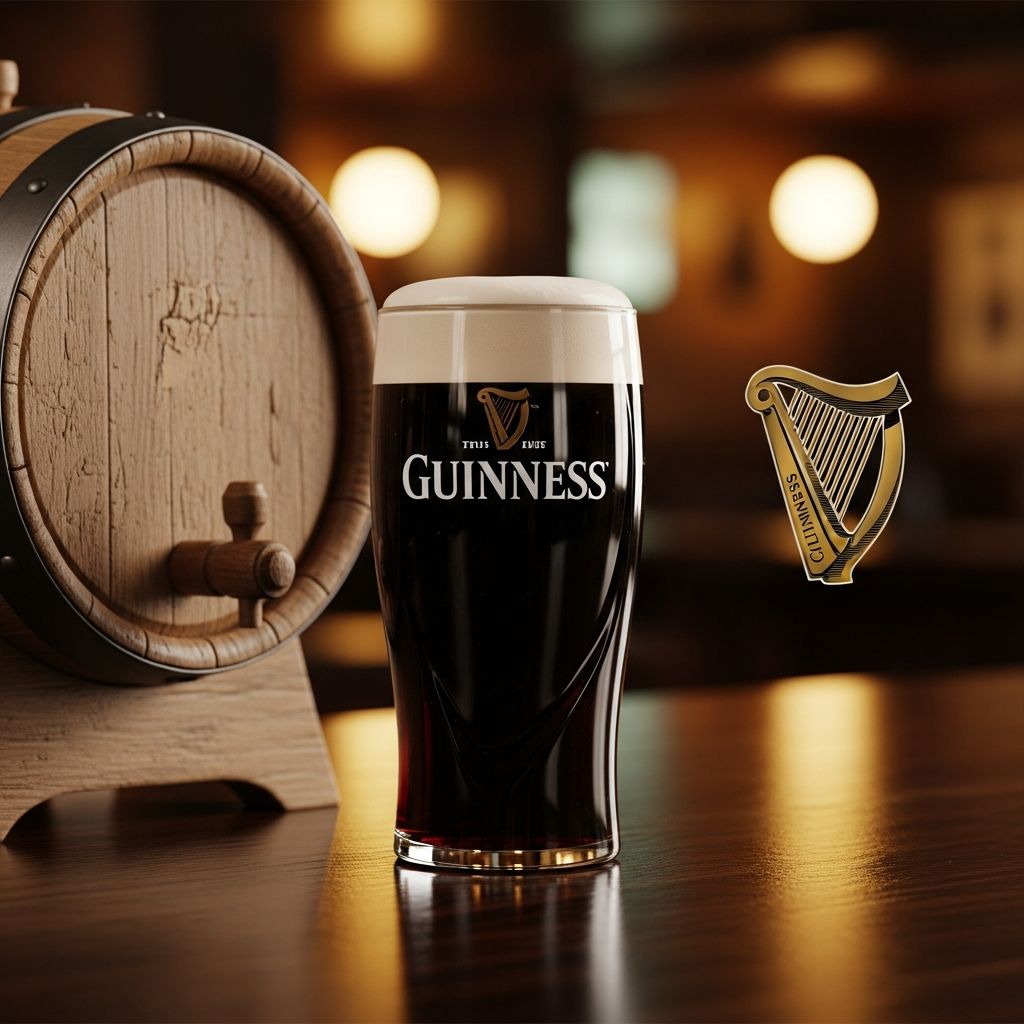
Guinness, the iconic Irish stout, has long been surrounded by myths and marketing claims about its health benefits. From suggestions it’s packed with iron to ideas that dark beer is ‘healthier’ than lighter ales, popular lore often paints it as a nutritious choice. But what does modern science say? This article dives into three key surprising facts, drawing on recent research to separate fact from fiction. While Guinness has some unique nutritional traits, no beer is a health food—alcohol carries inherent risks even in moderation.
1. Guinness Has Fewer Calories Than You Might Think
One common surprise is Guinness’s
calorie count
. Many assume heavy, creamy stouts like Guinness are calorie bombs compared to lagers or light beers. In reality, a 12-ounce pint of Guinness Draught clocks in at about119-125 calories
, lower than many popular beers. For comparison, a standard Budweiser has around 145 calories, and craft IPAs often exceed 200.- Guinness Draught (4.2% ABV): ~125 calories per 12 oz.
- Bud Light (4.2% ABV): ~110 calories (slightly lower, but similar).
- Heineken (5% ABV): ~140 calories.
- Average Craft IPA (6-7% ABV): 200-250 calories.
This lower count stems from Guinness’s
nitro widget
process, which creates its signature creamy head using nitrogen instead of CO2, and its relatively modest alcohol by volume (ABV) of 4.2%. The beer’s roasted barley malt contributes complex flavors without excessive fermentable sugars, keeping carbs around 10g per serving—less than many sugary light beers.However, don’t let this lead to overconsumption. Recent studies emphasize that
even low-calorie alcohol adds ’empty calories’
with no nutritional payoff. A 2024 JAMA study of over 135,000 adults aged 60+ found moderate drinking linked to higher mortality from cancer and heart disease, regardless of calories.| Beer Type | Calories (12 oz) | Carbs (g) | ABV (%) |
|---|---|---|---|
| Guinness Draught | 125 | 10 | 4.2 |
| Budweiser | 145 | 10.6 | 5.0 |
| Michelob Ultra | 95 | 2.6 | 4.2 |
| IPA (avg.) | 220 | 15-20 | 6.5 |
Table: Calorie comparison shows Guinness is mid-range, but alcohol’s metabolic impact outweighs savings.
2. The Iron Content in Guinness Is a Myth
Another persistent myth: Guinness is an
iron-rich superfood
, good for anemia. This stems from 1920s advertising by Guinness, claiming their stout contained ‘vitamins’ and iron from roasted barley. In truth, theiron in Guinness is negligible
—about 0.3mg per pint, or just 2% of daily needs. Roasted barley does contain trace iron, but brewing processes and low bioavailability make it insignificant.- Actual iron in Guinness: ~0.3mg/12 oz (vs. spinach: 2.7mg per cup).
- Bioavailability issue: Plant-based iron (non-heme) absorbs poorly without vitamin C.
- Historical context: Pre-WWII, Guinness was prescribed for nursing mothers, but this was marketing, not science.
Modern experts debunk this. The
WHO
states no level of alcohol protects against nutrient deficiencies; it can impair iron absorption long-term.The NIAAA notes heavy drinking risks liver disease, which actually causes iron overload (hemochromatosis).
Genetic factors amplify risks. About 8% of people (esp. East Asians) have ALDH2 variants making acetaldehyde buildup worse, increasing cancer risk even from one pint.
3. No Amount of Guinness (or Any Alcohol) Is Good for Your Health
The biggest surprise:
Moderate Guinness won’t boost health
. Old studies suggested J-shaped curves (moderate drinkers live longer), but flaws like ‘sick quitters’ (former heavy drinkers misclassified as teetotalers) skewed results. Updated research showsany alcohol raises risks
.Related Stories



- Cancer risk: WHO links alcohol to 5%+ of cancers; even <1 drinkweek raises breast cancer odds (17 to 19 per 100 women).
- Heart & aging: 2024 studies tie moderate intake to CVD, immune suppression, accelerated aging.
- Guidelines: CDC/NIAAA: If drinking, limit to 1/day women, 2/day men—but less is better. Binge (4+/5+ drinks) hugely risky.
NHS confirms: No safe level; risks include liver disease, stroke.
Johns Hopkins: 66% now view moderate drinking as harmful.
Frequently Asked Questions (FAQs)
Q: Is Guinness healthier than other beers?
A: No. Lower calories don’t offset alcohol risks. All beers carry similar health detriments based on ethanol content.
Q: Can Guinness help with anemia due to iron?
A: No, iron levels are too low and poorly absorbed. Consult a doctor for real sources like red meat or supplements.
Q: What’s moderate drinking for Guinness?
A: Per NIAAA, 1 pint/day max for women, 2 for men—but zero is safest. Track units: 1 pint Guinness ~2.3 UK units.
Q: Does the nitrogen in Guinness make it less harmful?
A: Nitrogen aids texture, not health. Alcohol effects dominate; smoother pour doesn’t reduce BAC risks.
Q: Is Guinness non-alcoholic an option?
A: Yes, Guinness 0.0% exists (~69 calories, no alcohol risks), ideal for flavor without harm.
Nutritional Breakdown of Guinness
| Nutrient | Per 12 oz Pint | % Daily Value* |
|---|---|---|
| Calories | 125 | 6% |
| Alcohol | 4.2% ABV | – |
| Carbs | 10g | 4% |
| Protein | 1g | 2% |
| Iron | 0.3mg | 2% |
| Fiber (soluble) | ~1g | – |
*Based on 2,000 calorie diet. Alcohol provides empty calories (~7 kcal/g).
Guinness offers minor antioxidants from barley, but coffee or tea provide more without alcohol. Bottom line: Enjoy responsibly or not at all. Science evolves—past benefits were overstated.
References
- Alcohol consumption and your health: What the science says — Stanford Medicine. 2025-08. https://med.stanford.edu/news/insights/2025/08/alcohol-consumption-and-your-health–what-the-science-says.html
- The Basics: Defining How Much Alcohol is Too Much — National Institute on Alcohol Abuse and Alcoholism (NIAAA). 2024. https://www.niaaa.nih.gov/health-professionals-communities/core-resource-on-alcohol/basics-defining-how-much-alcohol-too-much
- The risks of drinking too much — NHS UK. 2025. https://www.nhs.uk/live-well/alcohol-advice/the-risks-of-drinking-too-much/
- Alcohol Fact Sheet — World Health Organization (WHO). 2024. https://www.who.int/news-room/fact-sheets/detail/alcohol
- Alcohol Use and Your Health — Centers for Disease Control and Prevention (CDC). 2025. https://www.cdc.gov/alcohol/about-alcohol-use/index.html
- The Health Risks of Drinking Alcohol — Johns Hopkins Bloomberg School of Public Health. 2025. https://publichealth.jhu.edu/2025/the-health-risks-of-drinking-alcohol
Similar Articles








Read full bio of Sneha Tete