Poor Posture: 3 Surprising Health Risks & Prevention Strategies
Discover how slouching affects incontinence, digestion, and acid reflux—surprising health risks of poor posture.
Your posture might seem like a minor aspect of your daily life, but the way you sit, stand, and move has profound implications for your overall health and well-being. Many of us unconsciously adopt poor posture habits—slouching at our desks, hunching while looking at our smartphones, or lounging carelessly on the couch. While we often associate bad posture with neck pain, back pain, and headaches, the consequences of poor postural alignment extend far beyond musculoskeletal discomfort. Research has revealed several surprising and often overlooked health risks associated with slouching and improper posture that can significantly impact your digestive system, urinary function, and overall quality of life.
Understanding these hidden dangers of poor posture is essential for anyone looking to optimize their health. This comprehensive guide explores three surprising risks linked to poor postural habits, explains the mechanisms behind these connections, and provides practical strategies to improve your posture for better health outcomes.
Understanding Posture and Its Impact on Health
Posture refers to the position of your body while sitting, standing, or lying down. Good posture maintains the natural curves of your spine and keeps your body aligned, reducing unnecessary stress on your muscles, ligaments, and joints. Conversely, poor posture—characterized by slouching, forward head positioning, rounded shoulders, and an exaggerated curve in the upper back—places unnatural stress on various body systems.
The relationship between posture and health is bidirectional. Not only can poor posture develop from weak muscles or prolonged sitting, but it can also actively trigger or worsen various health conditions. The three surprising risks outlined below demonstrate how intimately connected your postural habits are to fundamental bodily functions.
Risk #1: Stress Incontinence and Urinary Problems
What is Stress Incontinence?
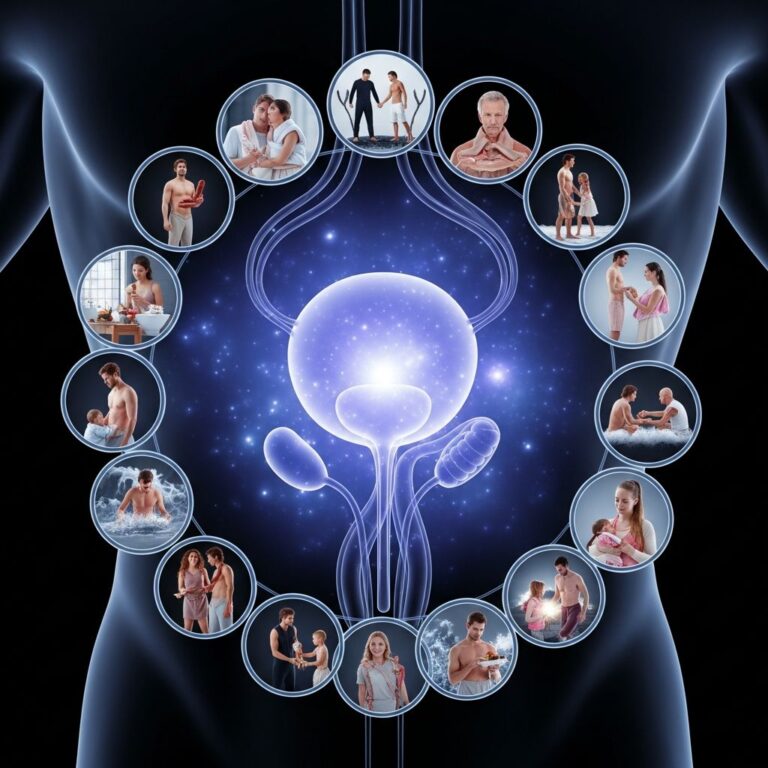
One of the most unexpected consequences of poor posture is stress incontinence—the involuntary leakage of urine that occurs when you laugh, cough, sneeze, or engage in physical activity. While many people assume this condition is an inevitable part of aging or childbirth, poor posture can significantly contribute to or exacerbate this problem.
The Mechanism: How Slouching Affects the Bladder
When you slouch or maintain a hunched position, you dramatically increase the pressure within your abdominal cavity. This increased abdominal pressure directly affects your bladder, placing additional stress on an organ already working to maintain continence. According to physical therapy experts, “Slouching increases abdominal pressure, which puts pressure on the bladder. The position also decreases the ability of the pelvic floor muscles to hold against that pressure.”
The pelvic floor muscles form a supportive sling beneath your pelvic organs. These muscles are crucial for maintaining bladder control and preventing urine leakage. When you slouch, two problems occur simultaneously:
- Increased abdominal pressure pushes downward on the bladder
- Poor posture weakens the pelvic floor muscles’ ability to contract and support the bladder effectively
Together, these factors create an environment where stress incontinence becomes more likely. Even small activities like laughing or coughing can trigger leakage when your pelvic floor muscles cannot adequately counteract the increased abdominal pressure.
Prevention and Management
Improving your posture is one of the most accessible ways to reduce stress incontinence risk. By sitting and standing upright with your shoulders back and your spine properly aligned, you reduce abdominal pressure and allow your pelvic floor muscles to function optimally. Additionally, pelvic floor exercises (Kegel exercises) performed while maintaining good posture can further strengthen these supportive muscles.
Related Stories



Risk #2: Constipation and Digestive Dysfunction
The Surprising Connection Between Posture and Bowel Movements
Constipation is an incredibly common condition affecting millions of people worldwide, yet few realize that their postural habits while using the toilet may be a contributing factor. Poor posture on the toilet—particularly when sitting with your knees lower than your hips in a hunched position—can actually promote and perpetuate constipation.
Understanding Optimal Toilet Posture
When you sit on a toilet with your knees lower than your hips (as happens when sitting on a standard toilet without a stool), you create several biomechanical problems. In this position, your anorectal angle—the angle between your rectum and anus—becomes more acute or closed. This anatomical positioning makes it significantly more difficult for stool to pass naturally through your system.
Additionally, when you slouch or hunch over while on the toilet, your abdominal muscles cannot engage effectively to assist with bowel movements. Your abdominal muscles play a crucial role in creating the intra-abdominal pressure necessary to move feces through your digestive tract. Poor posture compromises this muscular assistance, making elimination more difficult and straining more likely.
Defining Constipation
Constipation is characterized by:
- Fewer than three bowel movements per week
- Hard, dry, or lumpy stools
- Straining or difficulty during bowel movements
- A feeling of incomplete evacuation after using the bathroom
Practical Solutions for Better Digestive Health
One effective intervention is using a small footstool while on the toilet. By elevating your feet and bringing your knees higher than your hips, you reproduce a squatting position that opens your anorectal angle and makes bowel movements easier and more natural. This simple postural adjustment, combined with maintaining an upright torso rather than slouching, can significantly improve digestive function and reduce constipation-related discomfort.
Risk #3: Heartburn and Slowed Digestion
Poor Posture and Acid Reflux
Another surprising way that slouching affects your health is through its impact on digestive processes and the development of acid reflux and heartburn. Many people struggle with heartburn and assume it’s purely a dietary issue, without realizing that their postural habits after meals significantly contribute to their symptoms.
The Biomechanics of Slouching and Stomach Acid
When you slouch after eating, you compress the space between your chest and stomach. This compression places pressure on your abdomen and can actually force stomach acid upward into your esophagus—a condition known as acid reflux. The burning sensation associated with heartburn occurs when this acidic stomach contents irritates the sensitive esophageal lining.
The mechanism is straightforward: slouching creates a bent position that narrows your esophageal and gastric junction, making it easier for stomach contents to flow backward. Additionally, research suggests that transit time in the intestines—the rate at which food moves through your digestive tract—actually slows down when you maintain a slouched posture.
Long-Term Digestive Consequences
Chronic slouching after meals doesn’t just cause immediate heartburn discomfort. Over time, repeated acid reflux can damage your esophageal lining and lead to more serious conditions such as Barrett’s esophagus or esophageal stricture. Additionally, slowed intestinal transit time can contribute to bloating, gas, constipation, and incomplete nutrient absorption.
Optimizing Digestive Health Through Posture
A simple but effective strategy is to maintain upright posture for at least 30 minutes after eating. Sit with your back against a chair, keep your shoulders relaxed, and maintain the natural curves of your spine. This upright position helps keep your esophageal and gastric junction properly aligned, allowing gravity to assist in keeping stomach contents where they belong. Additionally, avoiding lying down or reclining immediately after meals provides further protection against acid reflux.
The Interconnected Effects of Poor Posture
While these three risks have been discussed separately, it’s important to recognize that they often occur together and can compound one another. For example, someone with poor posture may experience constipation, which leads to straining, which increases abdominal pressure and worsens stress incontinence, which then affects their emotional well-being and mood. This cascade of effects underscores the importance of addressing postural problems comprehensively rather than treating individual symptoms in isolation.
Common Causes of Poor Posture
Understanding why people develop poor posture is the first step toward correction. Common contributors include:
- Sedentary lifestyle: Prolonged sitting weakens postural muscles over time
- Smartphone and computer use: Looking down at screens creates forward head posture
- Weak core muscles: Abdominal and back muscle weakness cannot support the spine
- Tight muscles: Particularly in the chest and hip flexors, which pull the body out of alignment
- Stress and anxiety: Emotional tension often manifests as shoulder tension and slouching
- Unsupportive furniture: Chairs without proper back support encourage poor positioning
Practical Strategies for Improving Your Posture
Ergonomic Adjustments
Making your environment work for you is crucial. Adjust your desk and monitor height so your screen is at eye level, use an ergonomic chair with lumbar support, and consider using a standing desk or desk converter for part of your day. Your workspace should encourage upright posture rather than fight against it.
Strengthening and Stretching Exercises
Regular exercise is essential for developing the muscle strength and flexibility needed to maintain good posture. Focus on:
- Core strengthening: Planks, bridges, and dead bugs engage abdominal muscles
- Back strengthening: Rows, reverse flys, and lat pulldowns support the posterior chain
- Chest stretching: Doorway stretches and cross-body shoulder stretches counteract hunching
- Hip flexor stretching: Lunges and hip flexor stretches improve pelvic alignment
Mindfulness and Body Awareness
Developing awareness of your posture throughout the day is critical. Set reminders on your phone to check your posture hourly. Notice when you’re slouching and consciously adjust. Over time, good posture becomes more automatic as your muscles adapt and your nervous system reinforces these patterns.
Professional Support
Consider consulting with a physical therapist or chiropractor who can assess your specific postural patterns and recommend targeted interventions. These professionals can identify muscle imbalances and movement patterns that contribute to poor posture and create a customized correction plan.
Frequently Asked Questions
Q: How long does it take to correct poor posture?
A: Postural correction is an ongoing process. Most people notice improvements in comfort within 2-4 weeks of consistent effort, but significant structural changes typically take 8-12 weeks or longer. The key is consistency and making good posture a daily habit rather than a temporary fix.
Q: Can poor posture cause permanent damage?
A: Yes, chronic poor posture can lead to permanent changes if left unaddressed for years. However, even significant postural problems can often be improved or reversed through consistent exercise, ergonomic adjustments, and lifestyle changes.
Q: Is it ever too late to improve my posture?
A: It is never too late to start improving your posture. While older individuals may require more time and patience, people of all ages can benefit from postural correction. Always consult with a healthcare provider before starting a new exercise program.
Q: Can posture affect my mental health?
A: Research suggests that posture can influence mood and confidence. Upright posture is associated with improved mood, better stress resilience, and increased confidence, while slouching may contribute to feelings of depression and low mood.
Q: What is the best posture while sleeping?
A: The best sleeping position is one that keeps your spine neutral. Side sleeping with a pillow between your knees or back sleeping with a pillow under your knees generally provides good spinal alignment. Avoid sleeping on your stomach, which twists your neck.
Conclusion: Taking Action for Better Health
The surprising risks of poor posture—stress incontinence, constipation, and heartburn—demonstrate that your postural habits have far-reaching consequences for your health and quality of life. These are not minor aesthetic concerns but genuine health issues that can significantly impact your daily function and well-being.
The encouraging news is that posture is modifiable. Unlike some health conditions that require medication or intervention, improving your posture is something you can actively control through conscious effort, environmental modifications, and targeted exercise. By making a commitment to maintaining good posture throughout your day—while sitting at your desk, looking at your phone, eating meals, and using the bathroom—you take a powerful step toward better digestive health, improved urinary function, and overall wellness.
Start today by assessing your current postural habits. Notice where you slouch most frequently and identify one postural change you can implement immediately. Whether it’s adjusting your monitor height, setting hourly posture reminders, or practicing core-strengthening exercises, every step toward better posture contributes to better health. Your body will thank you for the investment in this fundamental aspect of wellness.
References
- 3 Surprising Risks of Poor Posture — Harvard Health Publishing. 2024. https://www.health.harvard.edu/staying-healthy/3-surprising-risks-of-poor-posture
- How Posture Affects Your Health — International Journal of Environmental Research and Public Health. 2021. https://www.ncbi.nlm.nih.gov/pmc/articles/PMC8539969/
- Postural Influences on Respiratory Function — Respiratory Physiology & Neurobiology. 2019. https://pubmed.ncbi.nlm.nih.gov/
- Ergonomics and Musculoskeletal Health in Office Workers — National Institute for Occupational Safety and Health (NIOSH). 2023. https://www.cdc.gov/niosh/
Similar Articles








Read full bio of medha deb