3 Things to Look for When You’re Looking for Skin Cancer
Learn the essential signs of skin cancer: ABCDE rule, new spots, and non-healing sores for early detection and life-saving action.
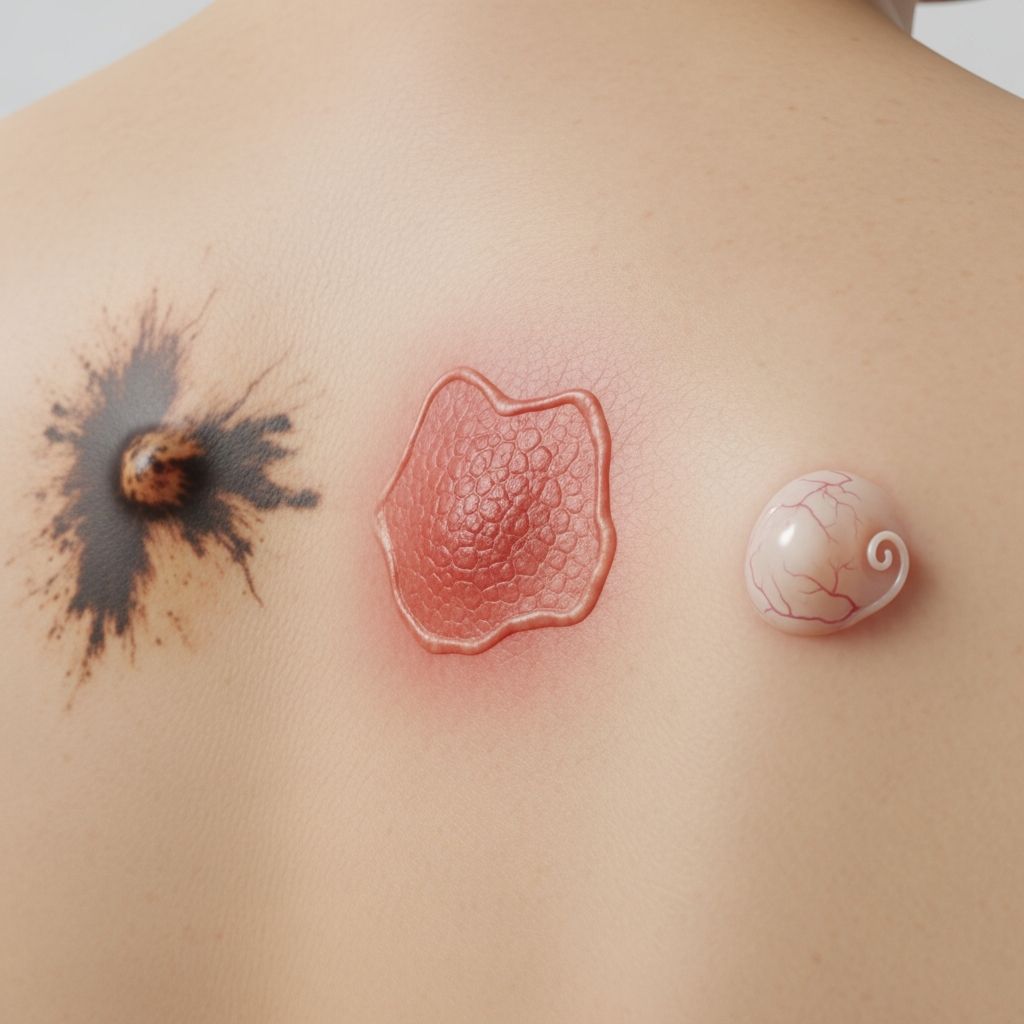
Skin cancer is the most common cancer in the United States, yet it is also one of the most preventable and treatable when caught early. Regular self-exams and awareness of warning signs can make all the difference. This guide focuses on three critical things to look for: changes in moles using the ABCDE rule, new spots that stand out like an ‘ugly duckling,’ and sores that refuse to heal. By mastering these, you can detect skin cancer early and seek timely treatment.
Early detection dramatically improves outcomes. For instance, melanoma—the deadliest form—has a near-100% five-year survival rate when localized, but drops significantly if it spreads. Non-melanoma types like basal cell and squamous cell carcinomas are also highly curable if identified promptly. Perform monthly skin self-exams, use mirrors for hard-to-see areas, and get annual professional screenings, especially if you have fair skin, many moles, or a history of sunburns.
What Are the Types of Skin Cancer?
Understanding the main types helps in recognizing their unique appearances. Skin cancers arise from uncontrolled growth of skin cells, primarily due to UV exposure.
- Basal Cell Carcinoma (BCC): The most common type, making up about 80% of cases. It appears as pearly or waxy bumps, often on sun-exposed areas like the face, ears, and neck. BCC grows slowly and rarely spreads but can invade nearby tissues if ignored.
- Squamous Cell Carcinoma (SCC): The second most common, appearing as scaly red patches, open sores, or wart-like growths. It can spread if untreated, especially on lips or ears.
- Melanoma: The most dangerous, developing in melanocytes (pigment cells). It can arise in existing moles or as new spots and spreads quickly if not caught early.
Other rare types exist, but these three account for over 99% of cases. All types emphasize the need for vigilance.
1. ABCDE Rule for Moles
The cornerstone of skin cancer detection is the
ABCDE rule
, a simple acronym to evaluate moles for melanoma risk. Any mole exhibiting these traits warrants immediate dermatologist evaluation.| Letter | Description | Warning Signs |
|---|---|---|
| A: Asymmetry | One half doesn’t match the other. | Irregular shape; halves look different when folded mentally. |
| B: Border | Edges are uneven, blurred, or jagged. | Notched, scalloped, or poorly defined borders. |
| C: Color | Varied colors or changes. | Shades of brown, black, red, white, or blue; uneven distribution. |
| D: Diameter | Larger than 6mm (pencil eraser size). | Growing beyond normal mole size. |
| E: Evolving | Any change in size, shape, color, or symptoms. | Itching, bleeding, crusting, or elevation. |
Examine all moles monthly. Track changes with a body chart noting patterns, freckles, and birthmarks. Itching is a common early symptom, even if painless otherwise. Elevation, spreading color, scaly surfaces, or surrounding redness are advanced signs.
How to Perform a Skin Self-Exam
A thorough self-exam takes 10-15 minutes monthly. Use good lighting, a full-length mirror, and a hand mirror. Enlist a partner for back and scalp checks.
- Face and Scalp: Check forehead, nose, lips, mouth, ears. Part hair to inspect scalp.
- Upper Body: Arms, hands (between fingers), underarms, chest, belly, upper back.
- Lower Body: Genitals, legs, feet (tops, bottoms, between toes, nails).
- Back and Buttocks: Use mirrors or partner assistance.
Related Stories



Look for asymmetry, new growths, or differences from your normal skin. Document findings.
2. The Ugly Duckling Sign
Not all skin cancers are ABCDE moles. The ‘ugly duckling’ sign identifies lesions that stand out from your other moles—like a different bird in a flock. This could signal early melanoma or other cancers.
- Different size, shape, color, or texture from surrounding spots.
- New spots on clear skin, especially pink, red, brown, or flesh-toned.
- Shiny, pearly bumps (BCC) or rough, scaly patches (SCC).
Everyone’s skin has a ‘mole map.’ A spot that doesn’t fit—larger, lighter, darker, or itchier—is suspicious. Dermatologists emphasize this for non-mole melanomas.
3. Sores That Don’t Heal
Persistent sores are a hallmark of non-melanoma skin cancers. Ignore them at your peril—they can ulcerate and invade.
- Characteristics: Open sores, ulcers, or crusty spots lasting over 3-4 weeks. They may bleed, ooze, or recur in the same area.
- BCC Signs: Dome-shaped, shiny, with rolled edges; bleeds easily.
- SCC Signs: Red, scaly, wart-like; larger reddish patches over 1 inch.
- Other Symptoms: Itchiness, tenderness, pain without injury.
Mistaken for pimples, eczema, or psoriasis, these demand biopsy if unchanging.
Other Warning Signs to Watch
Beyond the big three:
- Sensation Changes: Itching, tenderness (most common early symptom).
- Surface Changes: Scaly, eroding, oozing, crusty, or bleeding.
- Growth Patterns: Rapid elevation or surrounding inflammation.
High-risk groups: fair-skinned, blue-eyed, many moles, family history, organ transplant patients.
When to See a Dermatologist
Don’t self-diagnose. Consult immediately for:
- ABCDE violations.
- Ugly duckling spots.
- Non-healing sores >2-3 weeks.
- New growths post-30.
- Itching/bleeding without cause.
Biopsy confirms diagnosis. Early intervention often means simple excision.
Frequently Asked Questions (FAQs)
What is the ABCDE rule for skin cancer?
The ABCDE rule checks moles for Asymmetry, Border irregularity, varied Color, Diameter >6mm, and Evolving changes. It’s vital for spotting melanoma early.
How often should I do a skin self-exam?
Monthly, in good light, covering all areas. Use mirrors and a partner for completeness.
Can skin cancer appear on non-sun-exposed areas?
Yes, though less common. Check everywhere, including genitals, palms, soles.
Is itching always a sign of skin cancer?
No, but persistent itching in a mole or spot, especially with changes, requires checking.
What if a sore bleeds but heals quickly?
Recurring or slow-healing bleeders need evaluation—could be SCC or BCC.
Prevention Tips
While focusing on detection:
- Seek shade 10am-4pm.
- Use SPF 30+ broad-spectrum sunscreen daily.
- Wear protective clothing, hats, sunglasses.
- Avoid tanning beds.
- Check meds for photosensitivity.
Empower yourself with knowledge. Early action saves lives.
References
- Skin Cancer Early Detection — Fred Hutch Cancer Center. 2024. https://www.fredhutch.org/en/patient-care/prevention/skin-cancer-early-detection.html
- The Importance of Early Detection: Recognizing the Signs and Symptoms of Skin Cancer — Mohs Surgery.org. 2024. https://www.mohssurgery.org/blog/skin-care/the-importance-of-early-detection-recognizing-the-signs-and-symptoms-of-skin-cancer/
- Early Signs of Skin Cancer Self-Check Guide — Divine Dermatology. 2024. https://www.divinederm.com/blog/early-signs-of-skin-cancer-self-check-guide/
- Early Warning Signs of Skin Cancer — Heights Dermatology. 2024. https://www.heightsskin.com/blog/1370047-early-warning-signs-of-skin-cancer
- How to Spot Skin Cancer Early: 5 Warning Signs — Clarus Dermatology. 2024. https://clarusdermatology.com/spot-skin-cancer-early-5-warning-signs/
- Skin Cancer Symptoms — MD Anderson Cancer Center. 2024. https://www.mdanderson.org/cancer-types/skin-cancer/skin-cancer-symptoms.html
- ABCDEs of Melanoma: Warning Signs of Skin Cancer — Cleveland Clinic. 2024. https://my.clevelandclinic.org/health/diagnostics/8648-skin-self-exam
Similar Articles








Read full bio of Sneha Tete