30-30-30 Diet: 3-Step Morning Routine For Sustainable Fat Loss
Explore the viral 30-30-30 method: 30g protein at wake-up, 30 minutes exercise—does it deliver weight loss and metabolic benefits?
The
30-30-30 diet
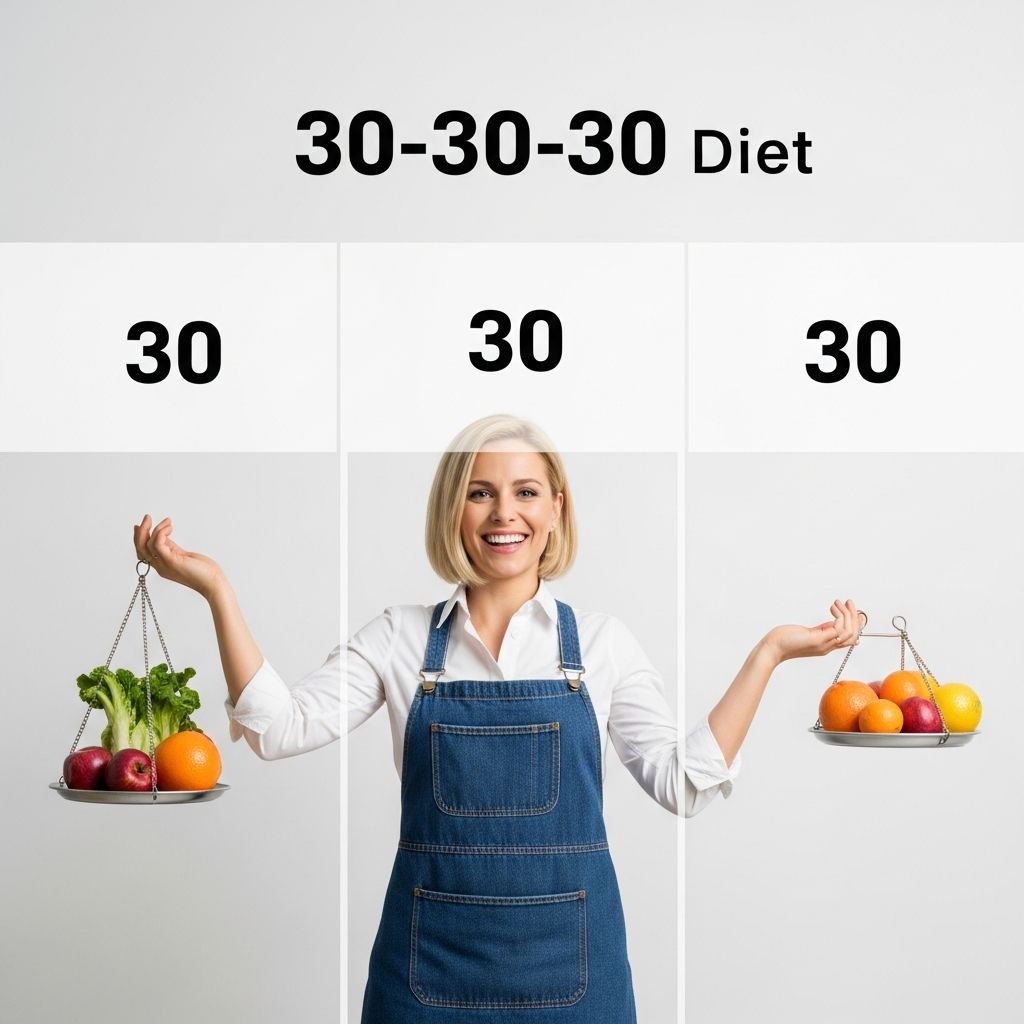
has exploded in popularity on social media platforms like TikTok, promising simple, sustainable weight loss through a straightforward morning routine. Popularized by biohacker Gary Brecka and podcaster Tim Ferriss, this method involves consuming 30 grams of protein within 30 minutes of waking, followed by 30 minutes of low-intensity steady-state exercise, such as walking. Proponents claim it optimizes metabolism, enhances insulin sensitivity, curbs cravings, and promotes fat loss without drastic lifestyle overhauls.But amid the viral hype, questions remain: Is there solid science behind it? This article breaks down the method’s origins, evidence, benefits, risks, practical tips, and expert opinions to help you decide if it’s right for you.
What Is the 30-30-30 Diet?
The 30-30-30 method is not a full-day eating plan but a targeted morning protocol designed to ‘hack’ your metabolism early. Here’s the breakdown:
- 30 grams of protein within 30 minutes of waking: Focus on high-quality sources like eggs, Greek yogurt, cottage cheese, or a protein shake. This kickstarts muscle protein synthesis and stabilizes blood sugar.
- 30 minutes of low-intensity exercise: Opt for steady-state cardio where you can converse comfortably—brisk walking, light cycling, or yoga. Heart rate stays in zone 2 (about 60-70% max), avoiding high-intensity spikes.
- Timing is key: Act immediately upon rising to leverage fasting overnight and set a positive tone for the day.
Variations exist; some sources mention 30g carbs alongside protein, but the core viral version from Brecka emphasizes protein + exercise. It’s flexible for the rest of the day, encouraging whole foods but no strict calorie counting.
Origins of the 30-30-30 Method
The protocol draws from Tim Ferriss’s 2010 book The 4-Hour Body, where he experimented with a high-protein breakfast (30g+) for fat loss. Gary Brecka revived it on TikTok, tying it to his Ultimate Human podcast and claims of reversing metabolic issues. Social media testimonials abound, with users reporting 10-20 pounds lost in weeks, though anecdotal. Cleveland Clinic notes its simplicity as a strength—no apps or prep needed.
How Does the 30-30-30 Diet Work?
The method leverages three physiological principles:
- Protein’s satiety and thermic effect: Digesting protein burns more calories (20-30% of its energy) than carbs or fats. Morning intake reduces later hunger, per a 2014 study showing 30g at breakfast cut lunch calories by 400.
- Exercise in fasted-ish state: Post-protein walk enhances fat oxidation and insulin sensitivity, as low-intensity cardio taps fat stores without cortisol spikes.
- Circadian rhythm alignment: Early protein/exercise syncs hunger hormones (ghrelin/leptin), potentially lowering daily intake.
A narrative review supports combined protein, fiber (implied via whole-food meals), and exercise for weight management in overweight individuals.
Does the 30-30-30 Diet Work for Weight Loss?
Related Stories



No direct RCTs exist on the exact protocol, so evidence is component-based and promising but preliminary.
- High-protein breakfasts aid short-term weight loss (1-2kg over 12 weeks) via appetite control.
- Morning exercise boosts adherence to activity guidelines (150 min/week moderate cardio).
- Combined, it may create a 300-500 calorie daily deficit for sustainable fat loss.
Individual results vary by age, hormones, and baseline diet. A 170lb person needs ~60g protein total morning (adjustable); it’s no magic bullet but a solid habit. Long-term success hinges on consistency.
Benefits of the 30-30-30 Diet
Beyond weight loss, potential upsides include:
- Better blood sugar control: Protein blunts glucose spikes; exercise improves sensitivity.
- Increased energy and mood: Steady fuel prevents crashes; endorphins from walking elevate dopamine.
- Muscle preservation: 30g hits leucine threshold for synthesis, aiding body comp.
- Simplicity and adherence: TikTokers love its minimalism.
| Benefit | Supporting Mechanism | Evidence Level |
|---|---|---|
| Weight Loss | Calorie deficit + satiety | Component studies |
| Insulin Sensitivity | Protein + Zone 2 cardio | Observational |
| Muscle Maintenance | Early amino acids | Strong |
| Energy Stability | Hormone regulation | Anecdotal + indirect |
30-30-30 Meal Ideas: High-Protein Breakfasts
Aim for 30g protein, low sugar, easy prep. Examples (with approx. macros):
- Greek Yogurt Parfait: 1 cup plain nonfat Greek yogurt (23g prot), 1 scoop whey (25g total), berries. Total: 30g prot, 200 cal.
- Egg Scramble: 4 egg whites + 2 whole eggs (28g prot), spinach, turkey sausage (32g total). ~250 cal.
- Protein Shake: 1.5 scoops isolate (30g), almond milk, chia seeds. Portable option.
- Cottage Cheese Bowl: 1 cup low-fat cottage (28g), nuts, cucumber. 220 cal.
- Tofu Scramble (vegan): 200g firm tofu (20g), pea protein boost (30g total).
Pair with black coffee or water; avoid fruit juice.
Sample 30-30-30 Day
6:30 AM: Wake, drink water. Eat 30g protein meal.
7:00 AM: 30-min walk (aim 3-4 mph).
Rest of day: Balanced meals (e.g., lunch: chicken salad; dinner: salmon + veggies). Total protein 1.6g/kg bodyweight.
30-30-30 Diet vs. Other Popular Diets
| Diet | Core Focus | Pros vs. 30-30-30 | Cons vs. 30-30-30 |
|---|---|---|---|
| Keto | High-fat, low-carb | Faster initial loss | Restrictive; 30-30-30 more sustainable |
| Intermittent Fasting | Time-restricted eating | Flexible timing | No macro guidance; 30-30-30 adds structure |
| Mediterranean | Whole foods, plants | Heart-healthy | Less prescriptive mornings |
| DASH | BP-lowering | Evidence-based | Broad; 30-30-30 targets metabolism |
Who Should Try the 30-30-30 Diet?
Ideal for:
- Overweight adults (BMI 25-35) seeking simple habits.
- Those with insulin resistance or cravings.
- Morning people with routine flexibility.
Not for: Kidney/liver disease patients (high protein risk); those unable to eat upon waking; extreme obesity (needs medical supervision). Consult a doctor/dietitian.
Potential Downsides and Risks
- Unrealistic timing: Not everyone eats first thing.
- Limited research: Anecdotal hype > data.
- Not complete plan: Requires balanced day.
- Overpromising: Won’t ‘melt fat’ alone.
Expert Opinions on the 30-30-30 Diet
“It’s a great start—protein + exercise sets you up for success, but personalize protein needs.” — Dietitian Kate Zumpano, Cleveland Clinic.
Nutritional therapist Natalie Burrows cites breakfast protein studies for blood sugar benefits. Review authors endorse for mild obesity.
Frequently Asked Questions (FAQs)
What exactly is the 30-30-30 diet?
30g protein within 30 min of waking + 30 min low-intensity exercise.
Does the 30-30-30 method work for weight loss?
Components supported by evidence; no full studies, but aids deficit and adherence.
Is 30g protein at breakfast too much?
No for most; meets ~25% daily needs. Adjust for health conditions.
What counts as low-intensity exercise?
Walking, easy bike—conversational pace.
Can vegetarians do 30-30-30?
Yes: yogurt, eggs, tofu, protein powder.
How much weight can I lose?
1-2lbs/week possible with consistency; varies.
References
- What to Consider Before Buying into the Viral 30-30-30 Method — Sunny Health & Fitness. 2024. https://sunnyhealthfitness.com/blogs/health-wellness/what-to-consider-before-buying-into-the-viral-30-30-30-method
- The 30 30 30 Diet: What is It? Does it Work? — ProSupps. 2024. https://prosupps.com/blogs/articles/the-30-30-30-diet-what-is-it-does-it-work
- Does the 30-30-30 Diet Work? — Cleveland Clinic Health Essentials. 2024-01-13. https://health.clevelandclinic.org/30-30-30-diet
- Protein, fiber, and exercise: a narrative review of their roles in weight management — PMC (PubMed Central). 2024. https://pmc.ncbi.nlm.nih.gov/articles/PMC12255039/
Similar Articles








Read full bio of Sneha Tete