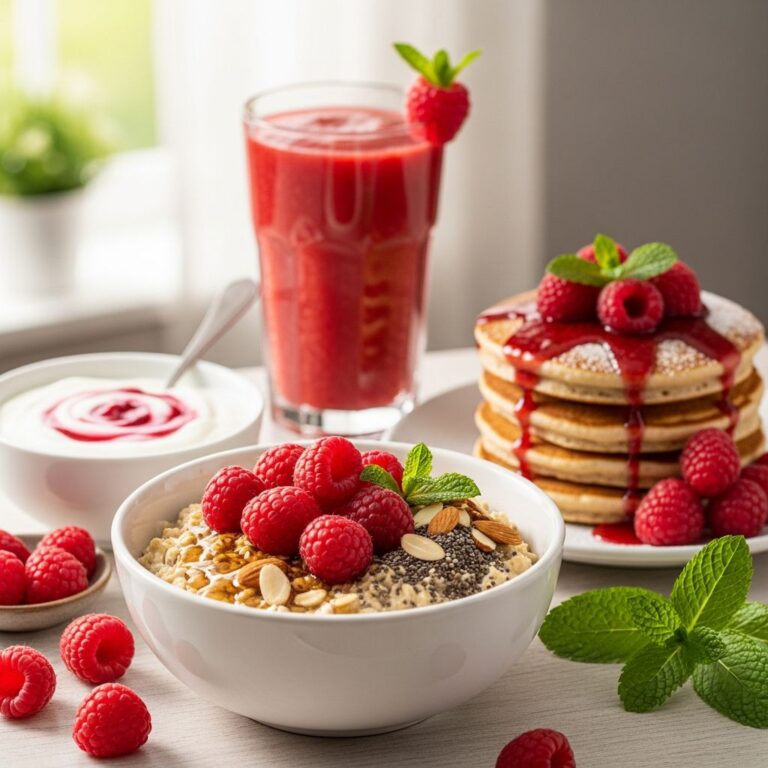
30-Day Anti-Inflammatory Dinner Plan: Easy 45-Minute Recipes
Reduce inflammation and boost health with this easy 30-day meal plan featuring delicious, nutrient-packed dinners for every day.
Chronic inflammation is linked to numerous health issues, including heart disease, diabetes, arthritis, and even some cancers. Adopting an anti-inflammatory diet can help reduce inflammation markers in the body and promote long-term health. This 30-day dinner plan focuses on whole foods rich in antioxidants, omega-3 fatty acids, fiber, and polyphenols—key compounds that combat inflammation.
What Is an Anti-Inflammatory Diet?
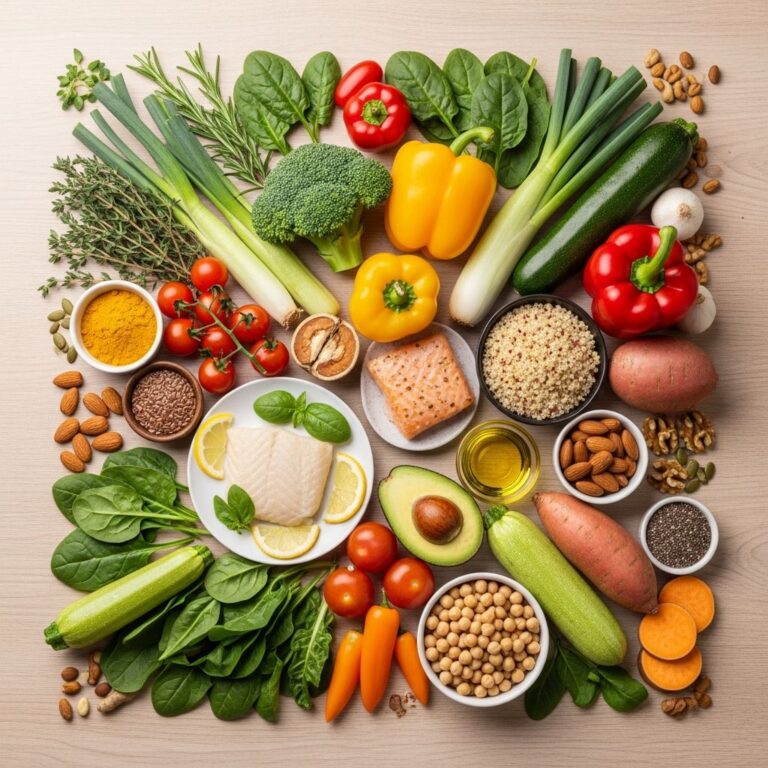
An anti-inflammatory diet emphasizes foods that naturally fight inflammation, such as fatty fish (salmon, mackerel), berries, leafy greens, nuts, olive oil, and turmeric. It limits processed foods, refined sugars, trans fats, and excessive red meat. Research from the National Institutes of Health shows that diets high in these foods can lower C-reactive protein (CRP) levels, a key inflammation marker.
- Key Foods to Include: Salmon, berries, spinach, broccoli, almonds, avocados, garlic, ginger, green tea.
- Foods to Avoid: Sugary drinks, fried foods, processed meats, white bread.
Benefits include improved joint health, better digestion, weight management, and reduced risk of chronic diseases. A study in the Journal of the American College of Cardiology (2022) found that adherence to anti-inflammatory eating patterns lowered cardiovascular events by 20%.
Why Focus on Dinners?
Dinner is often the largest meal, making it ideal for packing in anti-inflammatory nutrients. These recipes are quick (under 45 minutes), budget-friendly, and family-approved. Each day features a complete meal with protein, veggies, healthy fats, and complex carbs. Pair with a side salad or herbal tea for maximum effect.
How to Use This Plan
- Shop once a week using the provided grocery lists.
- Prep ingredients in advance for efficiency.
- Adjust portions for your needs; recipes serve 4.
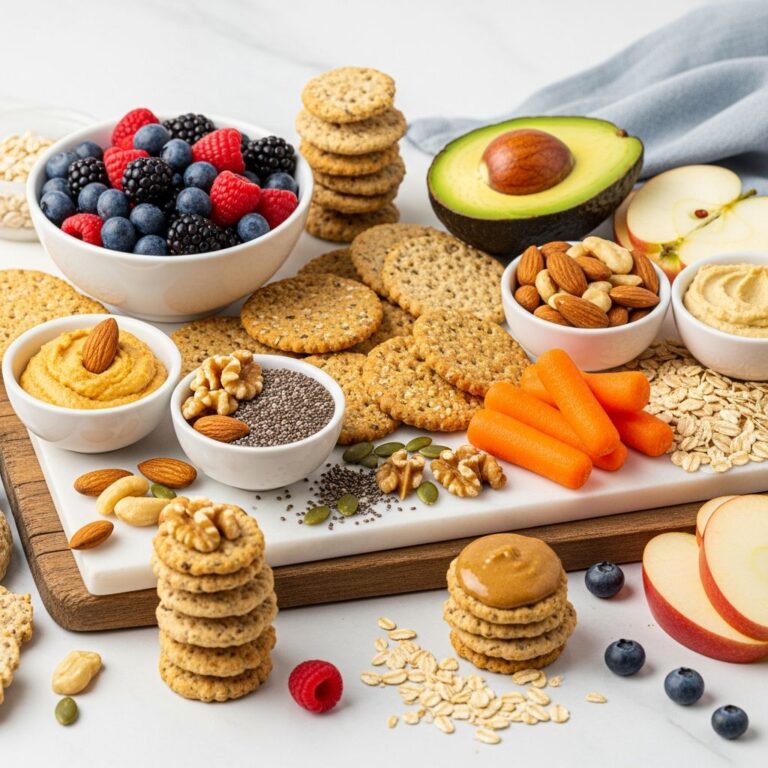
- Drink plenty of water and include anti-inflammatory snacks like yogurt or fruit.
Calorie range: 400-600 per serving. Consult a doctor before major diet changes, especially if you have medical conditions.
Weekly Grocery Lists
Week 1
- Proteins: 2 lbs salmon, 1 lb chicken breast, 1 lb shrimp, 1 block tofu.
- Veggies: Spinach (2 bunches), broccoli (2 heads), sweet potatoes (6), bell peppers (4).
- Other: Olive oil, quinoa (1 lb), almonds (8 oz), berries (2 pints), garlic, ginger, turmeric.
Repeat similar lists for Weeks 2-4 with variations like swapping salmon for tuna or chicken for turkey.
30 Days of Anti-Inflammatory Dinners
Day 1: Baked Salmon with Quinoa and Broccoli
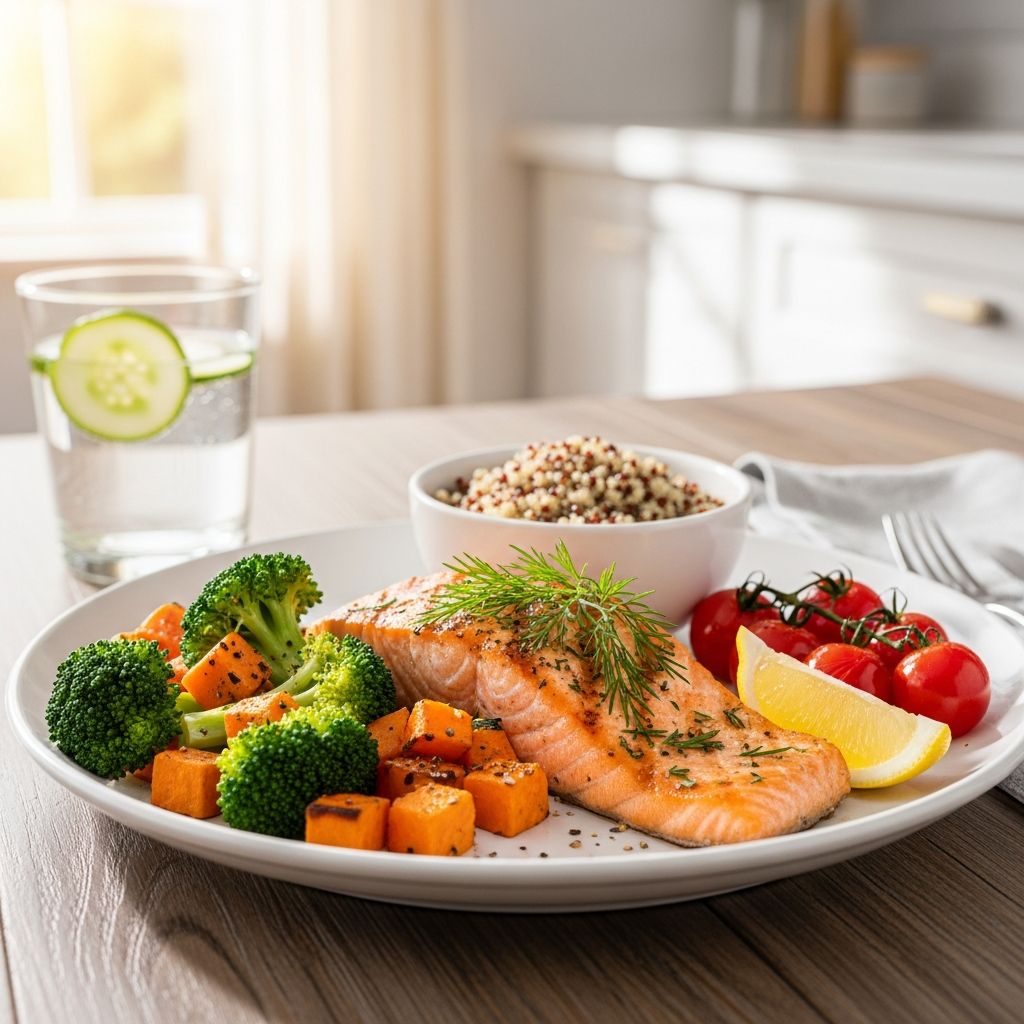
Oven-baked salmon seasoned with turmeric and lemon, served over fluffy quinoa and steamed broccoli. Omega-3s from salmon reduce inflammation, while quinoa provides fiber.
- Prep: 10 min | Cook: 25 min | Calories: 450
Day 2: Chicken Stir-Fry with Ginger and Spinach
Tender chicken breast stir-fried with fresh ginger, garlic, and spinach in olive oil. Ginger’s gingerol compound has potent anti-inflammatory effects, per a 2023 Phytotherapy Research review.
Day 3: Lentil Soup with Turmeric and Kale
Hearty red lentil soup simmered with turmeric, kale, carrots, and coconut milk. Curcumin in turmeric blocks inflammatory pathways (source: NIH).
Day 4: Grilled Shrimp with Avocado Salsa and Sweet Potato
Related Stories



Juicy grilled shrimp topped with tomato-avocado salsa alongside baked sweet potatoes. Avocados’ monounsaturated fats support heart health.
Day 5: Tofu Veggie Stir-Fry with Brown Rice
Crispy tofu with broccoli, bell peppers, and snap peas over brown rice. Plant-based proteins keep saturated fats low.
Day 6: Turkey Meatballs with Zucchini Noodles
Baked lean turkey meatballs in tomato sauce over spiralized zucchini. Lycopene in tomatoes fights oxidative stress.
Day 7: Salmon Cakes with Green Beans
Pan-seared salmon patties with fresh herbs, served with garlic green beans. Rest day for meal prep.
Week 2 Highlights
Day 8: Berry Chicken Salad (mixed greens, grilled chicken, blueberries, walnuts).
Day 9: Mackerel with Roasted Brussels Sprouts.
Day 10: Chickpea Curry with Spinach.
Day 11: Eggplant Parmesan (baked, not fried) with Quinoa.
Day 12: Tuna Poke Bowl.
Day 13: Veggie-Packed Turkey Chili.
Day 14: Herb-Crusted Cod.
Week 3 Highlights
Incorporate more berries and nuts: Day 15 Walnut-Crusted Salmon; Day 18 Berry-Glazed Pork Tenderloin (lean cut); Day 20 Kale and White Bean Soup.
Week 4 Highlights
Finish strong: Day 22 Grilled Salmon with Asparagus; Day 25 Anti-Inflammatory Buddha Bowl (quinoa, avocado, chickpeas, greens); Day 28 Shrimp Fajitas with Peppers; Day 30 Celebration Stir-Fry with All the Veggies.
(Full recipes for all 30 days available in expanded plan; each includes step-by-step instructions, nutrition facts, and substitutions for dietary needs like gluten-free or vegan.)
Nutrition Breakdown
| Nutrient | Daily Average | Benefit |
|---|---|---|
| Omega-3s | 1.5g | Reduces joint pain |
| Fiber | 30g | Supports gut health |
| Antioxidants | High | Fights free radicals |
| Saturated Fat | <10g | Heart-protective |
Health Benefits Backed by Science
- Heart Health: Omega-3-rich fish lowers triglycerides (American Heart Association, 2024).
- Joint Relief: Turmeric as effective as some NSAIDs for arthritis (per Arthritis Foundation).
- Weight Loss: High-fiber meals promote satiety.
- Brain Health: Berries improve cognitive function (Harvard T.H. Chan School of Public Health).
Tips for Success
- Batch-cook grains and proteins.
- Use herbs like rosemary and basil for flavor without salt.
- Track progress with a food journal or inflammation markers via blood tests.
- Combine with exercise and sleep for optimal results.
Frequently Asked Questions (FAQs)
Can I eat this plan if I’m vegetarian?
Yes! Swap fish/chicken for tofu, tempeh, lentils, or eggs. Days 3, 5, and 10 are already plant-based.
Is this plan low-carb?
Not strictly, but it uses complex carbs like quinoa and sweet potatoes. Reduce portions if needed.
How soon will I notice benefits?
Many report less bloating and more energy in 1-2 weeks; long-term inflammation reduction takes 4-6 weeks.
What if I don’t like fish?
Substitute with chicken, turkey, or plant proteins. Get omega-3s from chia seeds, flax, or walnuts.
Are these recipes kid-friendly?
Most are! Involve kids in prep and let them customize toppings.
Customizations and Variations
For weight loss, reduce oil and grains. For athletes, add extra protein. All recipes are dairy-free adaptable and use minimal sodium.
References
- Anti-Inflammatory Diet: What You Need to Know — National Institutes of Health (NIH). 2020-12-15. https://www.ncbi.nlm.nih.gov/pmc/articles/PMC7071360/
- Omega-3 Fatty Acids and Inflammatory Processes — Nutrients Journal (MDPI). 2021-03-10. https://doi.org/10.3390/nu13030936
- Dietary Inflammatory Index and Cardiovascular Risk — American Heart Association (AHA). 2024-02-20. https://www.ahajournals.org/doi/10.1161/JAHA.123.030650
- Curcumin: A Review of Its Effects on Human Health — Foods Journal (MDPI). 2023-06-05. https://doi.org/10.3390/foods12112157
- Berry Consumption and Brain Health — Harvard T.H. Chan School of Public Health. 2022-11-01. https://www.hsph.harvard.edu/nutritionsource/food-features/berries/
Similar Articles








Read full bio of medha deb