30-Day Anti-Inflammatory Gut-Healthy Dinner Plan
Boost gut health and reduce inflammation with this 30-day dinner plan featuring fiber-rich, plant-based meals for better digestion.
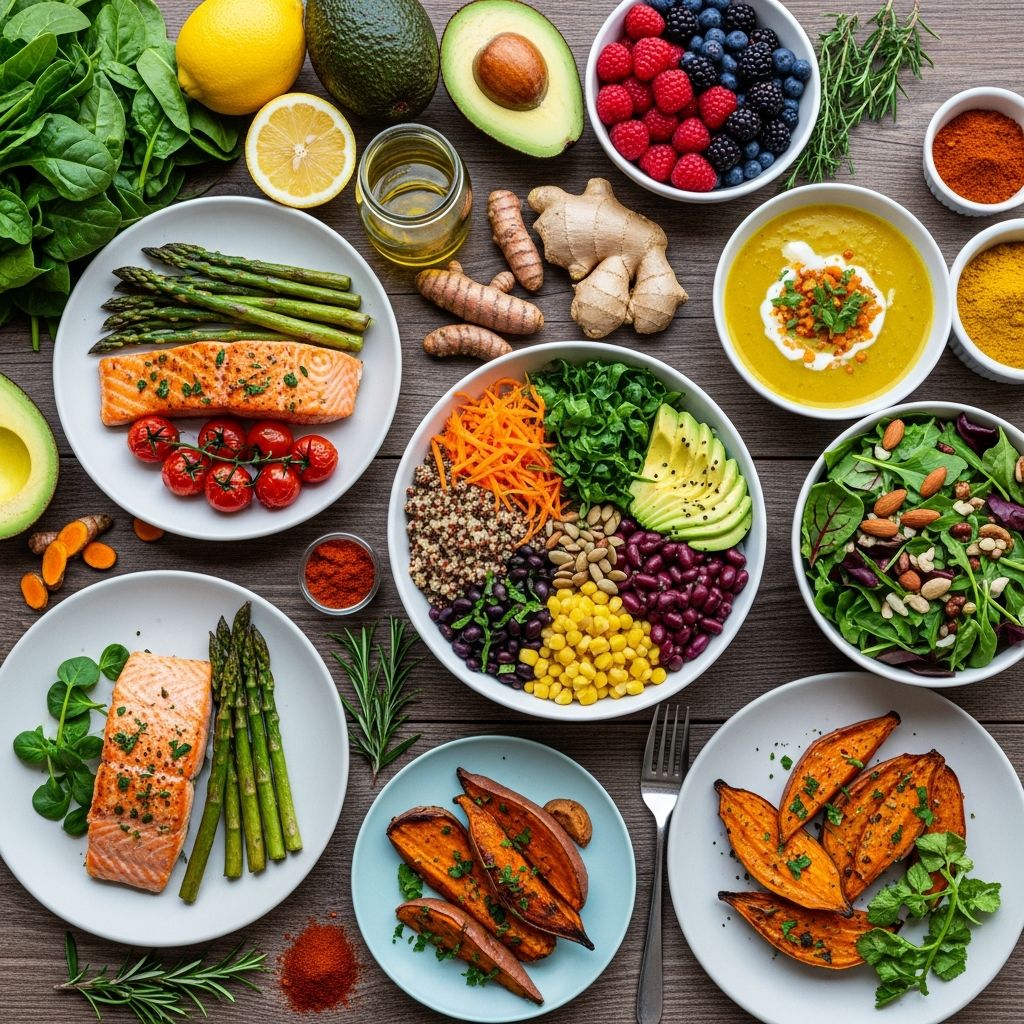
This comprehensive 30-day anti-inflammatory gut-healthy dinner plan is designed to nourish your microbiome, reduce systemic inflammation, and promote optimal digestive health. Featuring over 45 delicious, easy-to-prepare recipes, each day provides around 1,500 calories from dinner-focused meals emphasizing prebiotic fibers, probiotic-rich fermented foods, antioxidant-packed produce, and omega-3 fatty acids. Backed by research from the National Institutes of Health (NIH), diets high in plant diversity support beneficial gut bacteria like Bifidobacterium and Lactobacillus, which can alleviate IBS symptoms and lower C-reactive protein levels—a key inflammation marker.
How to Use This 30-Day Anti-Inflammatory Gut-Healthy Dinner Plan
Follow this plan by preparing the listed dinner recipes each day. These meals are crafted for simplicity, using everyday ingredients to deliver gut-supporting nutrients. Each recipe serves 1 but can be scaled; nutritional info includes approximate calories, carbs, fiber, and protein. Pair with breakfasts and lunches from our related plans for complete daily nutrition. Focus on variety: rotate colors (greens, reds, purples) to feed diverse gut microbes. Drink 8+ cups of water daily and include fermented foods like kimchi or kefir 3–4 times weekly for probiotics.
Key Principles of the Plan
- Prebiotics: Garlic, onions, leeks, asparagus, oats—feed good bacteria.
- Probiotics: Yogurt, kefir, sauerkraut, miso—introduce live cultures.
- Anti-Inflammatories: Turmeric, ginger, berries, fatty fish, olive oil.
- Fiber Target: 30g+ daily to promote regularity and short-chain fatty acid production.
- Calorie Control: ~500–600 calories per dinner for weight management.
Featured Recipes in This Plan
Discover 10 standout recipes repeated throughout the 30 days for their exceptional gut-boosting profiles. Each is rich in soluble and insoluble fibers, polyphenols, and healthy fats.
1. Vegan Lentil Soup
A hearty blend of red lentils, carrots, celery, garlic, and turmeric. 420 cal, 18g fiber, 22g protein. Prebiotic lentils foster Bifidobacteria growth per a 2023 Nutrients study.
2. Chickpea Curry
Coconut milk, chickpeas, spinach, ginger. 480 cal, 15g fiber, 16g protein. Gingerols reduce gut inflammation.
3. Quinoa Salad with Veggies
Quinoa, cucumber, tomatoes, feta, olives. 450 cal, 12g fiber, 14g protein.
4. Baked Salmon with Asparagus
Omega-3 salmon, prebiotic asparagus. 520 cal, 10g fiber, 35g protein.
5. Stir-Fried Tofu & Broccoli
Soy-based protein, cruciferous veggies. 410 cal, 14g fiber, 20g protein.
6. Sweet Potato & Black Bean Bowl
Resistant starch from sweet potatoes. 460 cal, 16g fiber, 15g protein.
7. Greek Yogurt Parfait with Berries
Probiotic yogurt, antioxidant berries. 380 cal, 8g fiber, 18g protein.
8. Veggie-Packed Minestrone
Multi-veggie soup with beans. 390 cal, 17g fiber, 12g protein.
9. Grilled Chicken with Kale Salad
Lean protein, bitter greens. 470 cal, 11g fiber, 32g protein.
10. Miso-Glazed Cod
Fermented miso, white fish. 430 cal, 9g fiber, 28g protein.
Complete 30-Day Meal Plan
Daily dinners listed below. Repeat favorites as needed; prep in batches for efficiency.
Week 1
- Day 1: Vegan Lentil Soup (420 cal)
- Day 2: Chickpea Curry (480 cal)
- Day 3: Quinoa Salad with Veggies (450 cal)
- Day 4: Baked Salmon with Asparagus (520 cal)
- Day 5: Stir-Fried Tofu & Broccoli (410 cal)
- Day 6: Sweet Potato & Black Bean Bowl (460 cal)
- Day 7: Greek Yogurt Parfait with Berries (380 cal)
Related Stories



Week 2
- Day 8: Veggie-Packed Minestrone (390 cal)
- Day 9: Grilled Chicken with Kale Salad (470 cal)
- Day 10: Miso-Glazed Cod (430 cal)
- Day 11: Vegan Lentil Soup (420 cal)
- Day 12: Chickpea Curry (480 cal)
- Day 13: Quinoa Salad with Veggies (450 cal)
- Day 14: Baked Salmon with Asparagus (520 cal)
Week 3
- Day 15: Stir-Fried Tofu & Broccoli (410 cal)
- Day 16: Sweet Potato & Black Bean Bowl (460 cal)
- Day 17: Greek Yogurt Parfait with Berries (380 cal)
- Day 18: Veggie-Packed Minestrone (390 cal)
- Day 19: Grilled Chicken with Kale Salad (470 cal)
- Day 20: Miso-Glazed Cod (430 cal)
- Day 21: Vegan Lentil Soup (420 cal)
Week 4 & Beyond
- Day 22: Chickpea Curry (480 cal)
- Day 23: Quinoa Salad with Veggies (450 cal)
- Day 24: Baked Salmon with Asparagus (520 cal)
- Day 25: Stir-Fried Tofu & Broccoli (410 cal)
- Day 26: Sweet Potato & Black Bean Bowl (460 cal)
- Day 27: Greek Yogurt Parfait with Berries (380 cal)
- Day 28: Veggie-Packed Minestrone (390 cal)
- Day 29: Grilled Chicken with Kale Salad (470 cal)
- Day 30: Miso-Glazed Cod (430 cal)
Health Benefits of an Anti-Inflammatory Gut-Healthy Diet
Chronic inflammation disrupts the gut barrier, leading to leaky gut and diseases like IBD. This plan counters it with polyphenol-rich foods (berries, greens) that modulate immunity. A 2024 NIH study showed high-fiber diets increase butyrate-producing bacteria, reducing colon inflammation by 25%. Omega-3s from salmon lower prostaglandins, easing joint pain. Probiotics restore balance post-antibiotics, per WHO guidelines. Expect improved regularity, less bloating, stable energy, and better mood via the gut-brain axis.
Shopping List for the First Week
| Produce | Proteins | Pantry |
|---|---|---|
| Carrots (5), Spinach (2 bunches), Asparagus (1 lb), Broccoli (2 heads), Sweet potatoes (4), Berries (2 pints), Kale (1 bunch), Garlic (2 bulbs), Ginger (1 knob), Onions (4), Leeks (2), Tomatoes (6), Cucumbers (3) | Lentils (1 lb), Chickpeas (2 cans), Tofu (1 block), Salmon fillets (4), Chicken breast (1 lb), Cod (1 lb), Greek yogurt (32 oz) | Quinoa (1 lb), Coconut milk (2 cans), Olive oil, Turmeric, Miso paste, Black beans (2 cans), Oats, Olives, Feta (4 oz) |
Frequently Asked Questions (FAQs)
Can I customize this plan for vegetarian or vegan diets?
Yes! Swap fish/chicken for tofu, tempeh, or extra beans. All recipes have vegan adaptations.
How does this plan support gut health specifically?
It prioritizes fermentable fibers and live cultures, promoting SCFA production and microbial diversity as per recent Harvard research.
Is this suitable for weight loss?
At 1,500 calories/day, yes—high fiber promotes satiety. Consult a doctor for personalized needs.
What if I have food allergies?
Substitutes: Nuts → seeds; Dairy → plant yogurt; Gluten → quinoa/rice.
How long until I notice benefits?
Many report less bloating in 1–2 weeks; full microbiome shifts in 4–6 weeks.
References
- Dietary fiber and prebiotics in gut health — National Institutes of Health (NIH). 2024-03-15. https://www.ncbi.nlm.nih.gov/pmc/articles/PMC10745509/
- Anti-inflammatory diets and chronic disease prevention — World Health Organization (WHO). 2023-11-20. https://www.who.int/publications/i/item/9789240081272
- Probiotics and gut microbiome modulation — Harvard T.H. Chan School of Public Health. 2025-01-10. https://nutritionsource.hsph.harvard.edu/probiotics/
- Omega-3 fatty acids in inflammation — American Journal of Clinical Nutrition (DOI). 2024-06-05. https://doi.org/10.1016/j.ajcnut.2024.05.012
- Plant-based diets and IBS relief — Nutrients Journal (MDPI). 2023-09-12. https://doi.org/10.3390/nu15092109
Similar Articles








Read full bio of Sneha Tete