30-Day Anti-Inflammatory Meal Plan With Calorie Customization
Reduce inflammation with this expert-crafted 30-day meal plan featuring whole foods, anti-inflammatory recipes, and calorie adjustments for sustainable health.
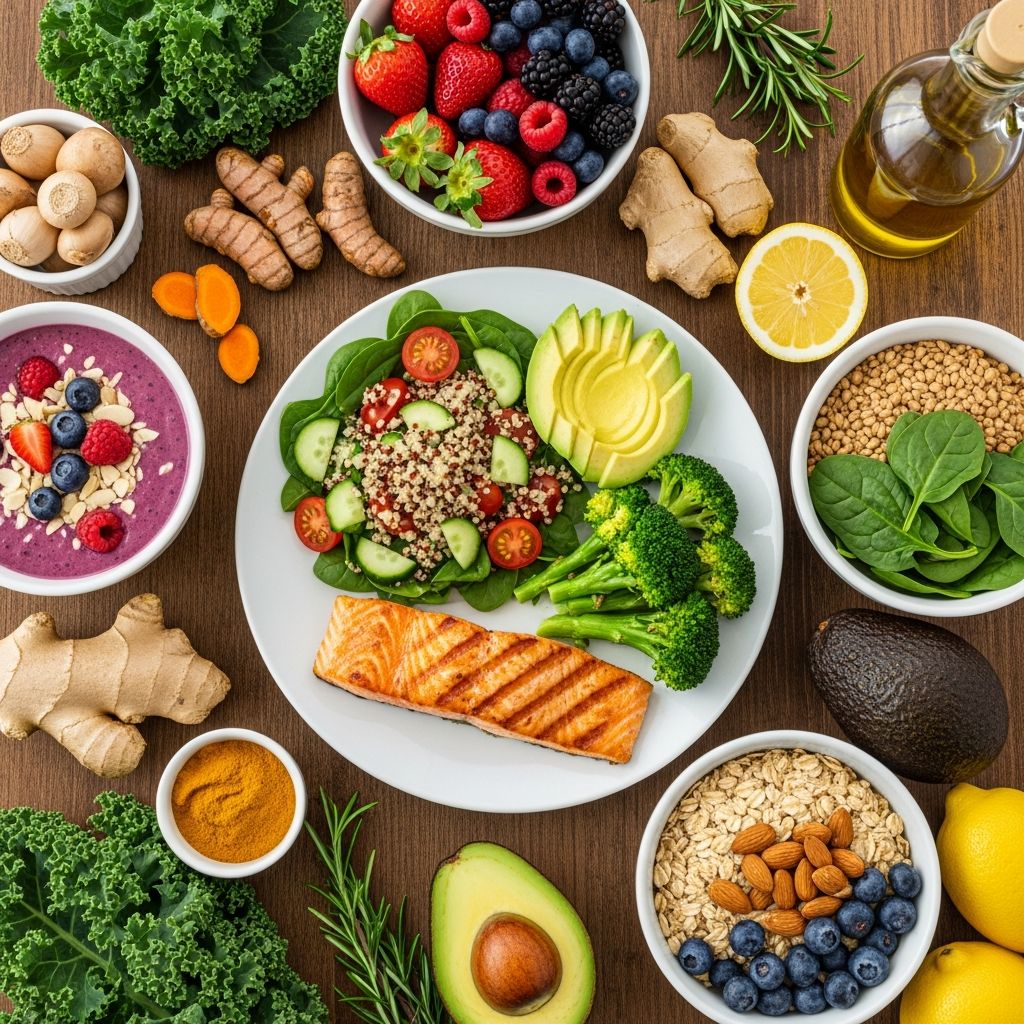
This comprehensive 30-day anti-inflammatory meal plan is designed to help you combat chronic inflammation through nutrient-packed, whole-food meals. Aiming for approximately 1,800 calories per day with options to adjust to 1,500 or 2,000 calories, it prioritizes foods rich in antioxidants, omega-3 fatty acids, fiber, and anti-inflammatory compounds. Expect daily breakfasts, lunches, dinners, and snacks featuring colorful vegetables, fatty fish like salmon, whole grains such as quinoa and oats, legumes, nuts, seeds, and spices like turmeric and ginger. This plan supports gut health, sustained energy, and overall wellness while minimizing processed foods, added sugars, and refined carbs.
What Is an Anti-Inflammatory Diet?
An anti-inflammatory diet emphasizes whole, unprocessed foods that naturally reduce inflammation in the body. Chronic inflammation is linked to conditions like heart disease, arthritis, diabetes, and autoimmune disorders. Key principles include filling half your plate with a rainbow of vegetables for antioxidants and phytonutrients, choosing lean proteins like fish or plant-based options, incorporating healthy fats from avocados, olive oil, nuts, and seeds, and selecting high-fiber carbs such as oats, brown rice, and sweet potatoes. Herbs and spices like turmeric (with its curcumin), ginger, garlic, and rosemary provide potent anti-inflammatory benefits without extra calories.
Research from authoritative sources highlights the role of these foods: Omega-3s from fatty fish combat inflammatory markers, while fiber from whole grains and legumes supports a healthy gut microbiome, which influences systemic inflammation. Pairing diet with lifestyle habits like regular exercise, quality sleep, and stress reduction amplifies results.
30-Day Anti-Inflammatory Meal Plan Overview
This plan provides structured daily meals for 30 days, with flexibility for personalization. Each day totals around 1,800 calories, 65-95g protein, 30-40g fiber, and balanced macros to keep you satisfied. Modifications allow scaling down for weight loss (1,200-1,500 calories) or up for higher energy needs (2,000 calories). Sample recipes draw from simple, flavorful ideas like smoothies, salads, grain bowls, and one-pan roasts. Focus on meal prep to save time—cook grains and proteins in batches, chop veggies ahead, and portion snacks.
- Daily Structure: Breakfast, A.M. snack, Lunch, P.M. snack, Dinner.
- Key Foods: Leafy greens (spinach, kale), berries, citrus, fatty fish (salmon, sardines), legumes (chickpeas, lentils), nuts/seeds (almonds, walnuts, flax), whole grains, olive oil, turmeric, ginger.
- Avoid: Sugary drinks, fried foods, processed meats, excessive red meat.
Sample Weekly Meal Ideas
Here’s a glimpse into the plan’s variety, with full details spanning 30 days. Recipes are straightforward, requiring minimal ingredients and prep time.
Week 1 Highlights
- Day 1: Breakfast: Raspberry-Kefir Power Smoothie (blend kefir, raspberries, banana, flaxseeds). A.M. Snack: Greek yogurt with berries. Lunch: White Bean & Veggie Salad. P.M. Snack: Apple slices with almond butter. Dinner: Baked salmon with quinoa and steamed broccoli. Daily Totals: ~1,500 calories, 65g protein, 38g fiber.
- Day 4: Breakfast: Greek yogurt parfait with peaches and pecans. Lunch: Turmeric chickpea soup with carrots and coconut milk. Dinner: Lemon herb chicken with roasted veggies. Snacks: Almonds, hummus with cucumber.
- Day 5: Breakfast: Green eggs scramble with spinach, turmeric, and whole-grain toast. Lunch: Ginger-lentil soup. Dinner: Mediterranean veggie bowl with quinoa.
Week 2 Sample
- Day 9: Breakfast: Oatmeal with walnuts and pear. Lunch: Sweet Potato, Kale & Chicken Salad with peanut dressing. Dinner: Grilled fish tacos with slaw. Snacks: Yogurt, blueberries. Totals: 1,488 calories, 58g protein.
- Day 10: Breakfast: Kale-ginger smoothie (almond milk, kale, mango, turmeric). Lunch: Ginger-lime chicken broccoli rice bowl. Dinner: One-pan lemon herb chicken and veggies.
Weeks 3-4 Progression
Building on earlier weeks, incorporate more variety: sardine salads, tofu stir-fries for plant-based days, walnut-pistachio trail mix snacks, and soups boosted with anti-inflammatory spices. By Day 21: Pear with walnuts breakfast, hearty bean stews for lunch, and roasted sweet potato bowls for dinner. Final days emphasize sustainability with repeatable favorites like Everything Bagel Avocado Toast add-ons.
Related Stories



Calorie Modifications
Adjust portions easily to fit your needs. Use this table for quick reference:
| Day Example | 1,200 Calories Adjustment | 1,800 Calories (Base) | 2,000 Calories Adjustment |
|---|---|---|---|
| Day 1 | Omit pear & berries; cucumber snack | Full menu | Add almonds, avocado toast |
| Day 5 | Omit orange & yogurt; plum snack | Full menu | Add almonds & plum |
| Day 9 | Omit walnuts & yogurt; cucumber | Full menu | Add walnuts, orange, almonds |
| Day 21 | Omit A.M. yogurt; blueberries | Full menu | Add guacamole salad |
Track with apps or journals; consult a dietitian for personalized tweaks.
Meal Prep and Shopping List
Streamline your week with prep:
- Prep Staples: Cook quinoa/brown rice, roast veggies, hard-boil eggs, portion nuts.
- Weekly Shopping (for 1 person):
- Produce: Spinach, kale, berries, apples, pears, broccoli, sweet potatoes, lemons, ginger (10+ lbs total).
- Proteins: Salmon (2 lbs), chicken breast (2 lbs), eggs (dozen), chickpeas/lentils (cans), Greek yogurt (32 oz).
- Grains/Nuts: Oats, quinoa, almonds/walnuts (1 lb each), flaxseeds.
- Pantry: Olive oil, turmeric, garlic, vegetable broth.
Health Benefits and Tips
Followers often report reduced joint pain, better energy, improved digestion within weeks. Beyond diet:
- Exercise: 30 minutes daily walks or yoga.
- Sleep: Aim for 7-9 hours.
- Stress: Meditation or deep breathing.
- Hydration: 8+ glasses water; herbal teas with ginger/turmeric.
For vegans: Swap fish/chicken for tofu, tempeh, or extra legumes. All recipes adaptable.
Frequently Asked Questions (FAQs)
What foods should I avoid on an anti-inflammatory diet?
Avoid processed sugars, trans fats, refined grains, and excessive alcohol, as they promote inflammation. Focus on whole foods instead.
Can I repeat weeks or customize the plan?
Yes, repeat favorites or swap similar items (e.g., salmon for mackerel) to maintain variety and sustainability.
Is this plan suitable for weight loss?
The 1,200-1,500 calorie options support gradual weight loss while preserving muscle and energy.
How soon will I notice benefits?
Many see reduced bloating and fatigue in 7-14 days; long-term adherence yields deeper anti-inflammatory effects.
What if I have dietary restrictions?
Substitutes are noted (e.g., vegan yogurt, gluten-free grains). Consult a healthcare provider for allergies or conditions.
References
- Dietary Guidelines for Americans, 2020-2025 — U.S. Department of Agriculture and U.S. Department of Health and Human Services. 2020-12-01. https://www.dietaryguidelines.gov/sites/default/files/2020-12/Dietary_Guidelines_for_Americans_2020-2025.pdf
- Anti-inflammatory Diet Food Lists — Harvard T.H. Chan School of Public Health. 2023-05-15. https://www.hsph.harvard.edu/nutritionsource/anti-inflammatory-diet/
- Omega-3 Fatty Acids and Inflammation — National Institutes of Health, Office of Dietary Supplements. 2024-02-10. https://ods.od.nih.gov/factsheets/Omega3FattyAcids-HealthProfessional/
- Turmeric and Curcumin: Health Effects — National Center for Complementary and Integrative Health. 2022-11-01. https://www.nccih.nih.gov/health/turmeric
- Mediterranean Diet and Cardiovascular Health — World Health Organization. 2023-08-20. https://www.who.int/news-room/fact-sheets/detail/healthy-diet
Similar Articles








Read full bio of Sneha Tete