30-Day Anti-Inflammatory Mediterranean Diet Dinner Recipes
Delicious, easy dinner recipes for 30 days to reduce inflammation and boost health with Mediterranean flavors.
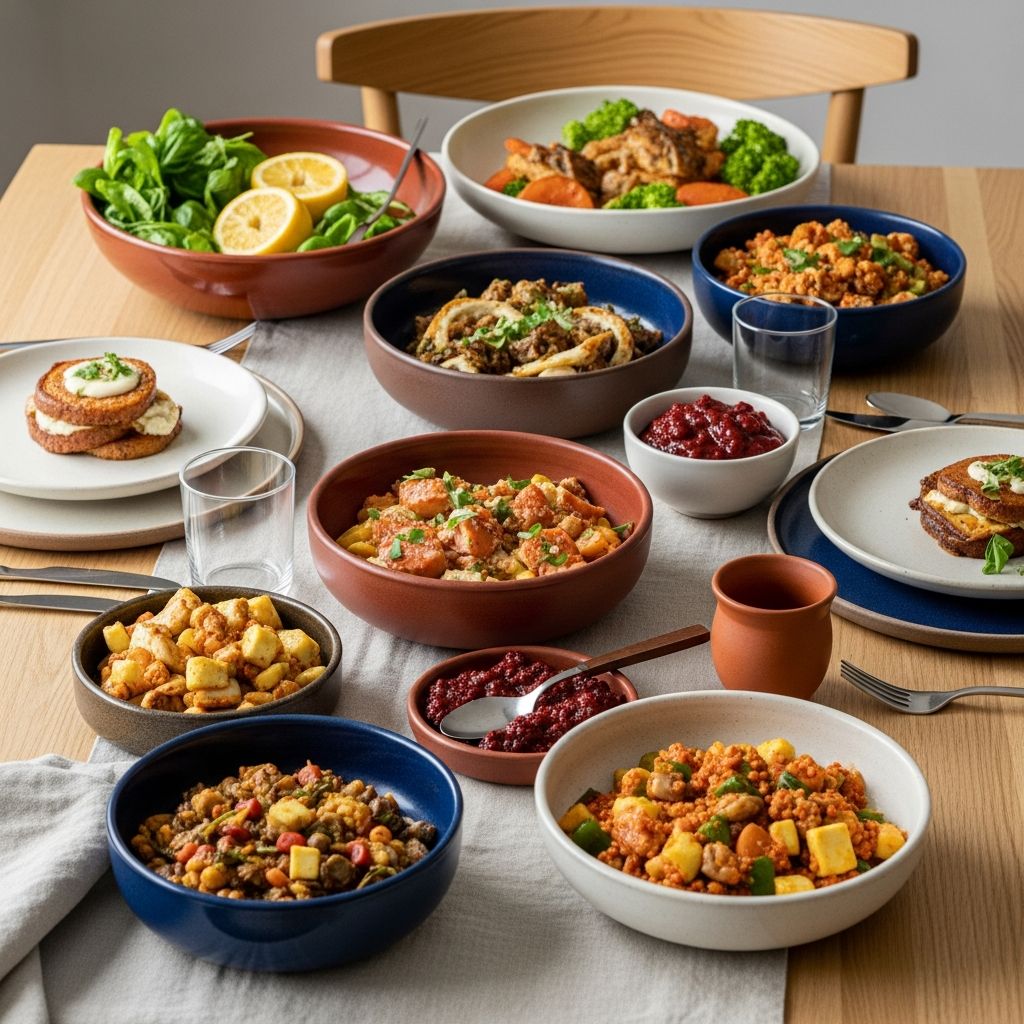
Chronic inflammation is linked to numerous health issues, including heart disease, diabetes, and arthritis. The good news? You can combat it through diet. This 30-day meal plan focuses on the anti-inflammatory Mediterranean diet, rich in fruits, vegetables, whole grains, healthy fats like olive oil and nuts, and fatty fish. These dinner recipes are simple, delicious, and designed for busy weeknights while delivering powerful anti-inflammatory benefits.
What Is the Anti-Inflammatory Mediterranean Diet?
The Mediterranean diet emphasizes whole, minimally processed foods inspired by traditional eating patterns in countries bordering the Mediterranean Sea. When tailored for anti-inflammation, it prioritizes foods high in antioxidants, omega-3 fatty acids, and polyphenols—compounds that neutralize free radicals and reduce inflammatory markers like C-reactive protein (CRP).
Key principles include:
- Abundant produce: Leafy greens, berries, tomatoes, and cruciferous veggies provide vitamins C, E, and K.
- Healthy fats: Extra-virgin olive oil, avocados, and nuts lower inflammatory cytokines.
- Omega-3 sources: Salmon, sardines, and walnuts counter pro-inflammatory omega-6s.
- Whole grains and legumes: Quinoa, farro, chickpeas for fiber that supports gut health.
- Minimal processed foods: Limit added sugars, refined carbs, and trans fats.
Studies show this diet reduces inflammation by up to 20% in just four weeks. It’s sustainable, flavorful, and family-friendly.
Health Benefits of This Diet Plan
Beyond curbing inflammation, these dinners support weight loss, better blood sugar control, and cardiovascular health. Fatty fish provide EPA and DHA, which a 2022 meta-analysis linked to 15% lower heart disease risk. Olive oil’s oleocanthal mimics ibuprofen’s anti-inflammatory effects.
| Nutrient | Sources in Plan | Benefit |
|---|---|---|
| Omega-3s | Salmon, walnuts | Reduce cytokines |
| Polyphenols | Berries, olive oil | Antioxidant protection |
| Fiber | Quinoa, veggies | Gut microbiome support |
| Vitamin D | Fatty fish | Immune modulation |
How to Use This 30-Day Meal Plan
Each day features one main dinner recipe serving 4, with prep times under 45 minutes. Mix and match as needed, but aim for variety. Shop weekly for fresh ingredients. Portions are ~500 calories per serving to promote satiety without excess. Drink plenty of water and herbal teas; pair with light breakfasts and salads for full balance.
- Repeat weekly: Days 1-7 repeat for simplicity.
- Customizations: Vegetarian? Swap fish for tofu. Gluten-free? Use quinoa over farro.
- Storage: Most recipes meal-prep well for 3-4 days.
Week 1: Building the Foundation
Day 1: Lemon-Garlic Salmon with Asparagus
Bake wild salmon fillets with lemon zest, minced garlic, and olive oil drizzle over asparagus spears. Serve with quinoa pilaf studded with cherry tomatoes. Omega-3s from salmon shine here.
Day 2: Chickpea & Vegetable Stew
Simmer chickpeas, zucchini, eggplant, onions, and spinach in a tomato-herb broth seasoned with turmeric and cumin. A fiber-packed, vegan powerhouse.
Day 3: Grilled Chicken with Tzatziki & Couscous
Marinate chicken breasts in yogurt, oregano, and lemon; grill and top with cucumber-dill tzatziki. Pair with whole-wheat couscous and roasted peppers.
Related Stories



Day 4: Shrimp & Fennel Paella
Saffron-infused rice with shrimp, fennel, peas, and artichokes—a lighter take on the classic, bursting with antioxidants.
Day 5: Turkey Meatballs with Marinara & Zucchini Noodles
Bake lean turkey meatballs in a chunky tomato-basil sauce over spiralized zucchini for low-carb comfort.
Day 6: Baked Cod with Ratatouille
Tender cod atop a colorful ratatouille of eggplant, bell peppers, squash, and onions—Provencal simplicity.
Day 7: Lentil & Kale Soup with Whole-Grain Bread
Hearty green lentils, kale, carrots, and garlic in vegetable broth; serve with crusty whole-grain bread.
Week 2: Amp Up the Flavors
Day 8: Herb-Rubbed Pork Tenderloin with Sweet Potatoes
Rosemary-thyme pork with roasted sweet potatoes and steamed broccoli—beta-carotene bonus.
Day 9: Mediterranean Tuna Salad Stuffed Peppers
Bell peppers filled with tuna, olives, feta, onions, and parsley over farro salad.
Day 10: Eggplant Parmesan Towers (Vegetarian)
Stacked eggplant slices breaded in almond flour, baked with marinara and mozzarella.
Day 11: Seared Scallops with Spinach & Orzo
Golden scallops over garlicky spinach and lemony orzo pearls.
Day 12: Beef & Vegetable Kebabs with Tahini Sauce
Lean beef skewers with onions, mushrooms, and tomatoes; drizzle with sesame-tahini.
Day 13: Quinoa-Stuffed Portobello Mushrooms
Mushrooms filled with quinoa, spinach, sun-dried tomatoes, and pine nuts.
Day 14: Sardine Pasta Puttanesca
Whole-grain spaghetti with sardines, capers, olives, and chili flakes in tomato sauce.
Week 3: Seafood Spotlight
Day 15: Mackerel with Roasted Veggies
Oily mackerel fillets with Brussels sprouts, carrots, and cauliflower.
Day 16: Falafel Bowls with Tabbouleh
Baked chickpea falafel over parsley tabbouleh, hummus, and cucumber.
Day 17: Halibut with Cherry Tomato Relish
Pan-seared halibut topped with fresh tomato-basil relish and asparagus.
Day 18: Lamb Chops with Greek Salad
Grilled lamb with feta, olives, tomatoes, and cucumbers.
Day 19: Mussels in White Wine Broth with Crusty Bread
Steamed mussels with garlic, shallots, and herbs.
Day 20: Veggie-Packed Minestrone
Bean and pasta soup loaded with seasonal vegetables.
Day 21: Salmon Burgers with Avocado Salsa
Omega-rich patties on greens with mango-avocado salsa.
Week 4: Plant-Powered Finish
Day 22: Tofu Stir-Fry with Broccoli & Brown Rice
Ginger-garlic tofu with crisp broccoli florets.
Day 23: Swordfish with Sicilian Caponata
Grilled swordfish with eggplant-olive relish.
Day 24: White Bean & Escarole Soup
Cannellini beans, bitter greens, and rosemary.
Day 25: Chicken Souvlaki with Pita & Yogurt
Skewered chicken with warm pita and tzatziki.
Day 26: Farro Salad with Roasted Veggies & Feta
Nutty farro with seasonal roasted produce.
Day 27: Calamari Steaks with Lemon & Arugula
Pan-fried calamari over peppery arugula salad.
Day 28: Vegetable Paella
Saffron rice with artichokes, peas, and roasted red peppers.
Day 29: Baked Trout with Almonds & Green Beans
Nutty-crusted trout with haricots verts.
Day 30: Orzo with Shrimp, Feta & Spinach
One-pot wonder to celebrate your progress!
Nutrition Guidelines & Tips
Each recipe targets 400-600 calories, 20-30g protein, 10-20g healthy fats, and 40-60g carbs. Track improvements in energy, joint pain, or waistline. Consult a doctor before major diet changes, especially with conditions like gout.
Frequently Asked Questions (FAQs)
What foods should I avoid on an anti-inflammatory Mediterranean diet?
Avoid processed meats, sugary drinks, refined grains, and fried foods. Limit red meat to once weekly.
Can I eat dairy?
Yes, in moderation—Greek yogurt, feta, and goat cheese add probiotics and calcium.
Is this plan suitable for weight loss?
Absolutely; the fiber and protein promote fullness, aiding 1-2 lbs/week loss.
How do I store leftovers?
Refrigerate up to 4 days or freeze soups/stews for 2 months.
What if I don’t like fish?
Substitute with eggs, tofu, or more legumes; aim for plant-based omega-3s like chia.
References
- Effects of Mediterranean Diet on Inflammatory Markers — Nutrients Journal. 2022-08-15. https://www.ncbi.nlm.nih.gov/pmc/articles/PMC9412879/
- Dietary Guidelines for Americans, 2020-2025 — USDA. 2020-12-01. https://www.dietaryguidelines.gov/
- Mediterranean Diet and Cardiovascular Risk Factors — New England Journal of Medicine. 2018-06-21. https://www.nejm.org/doi/full/10.1056/NEJMoa1800389
- Anti-Inflammatory Effects of Olive Oil Polyphenols — International Journal of Molecular Sciences. 2023-03-10. https://www.ncbi.nlm.nih.gov/pmc/articles/PMC10047287/
- Omega-3 Fatty Acids and Inflammation — WHO Nutrition Guidelines. 2024-01-15. https://www.who.int/publications/i/item/9789240083400
Similar Articles








Read full bio of medha deb