30-Day DASH Dinner Plan: 7 Easy Heart-Healthy Recipes
Complete guide to planning nutritious DASH dinners for heart health and blood pressure management.
Understanding the DASH Diet for Dinner Planning
The DASH (Dietary Approaches to Stop Hypertension) eating plan is a scientifically-proven nutrition strategy designed to reduce blood pressure and promote long-term cardiovascular health. Unlike restrictive fad diets, the DASH approach requires no special foods and instead provides flexible daily and weekly nutritional targets that fit into real-world meal planning. When it comes to dinner—often the largest meal of the day—understanding DASH principles allows you to create satisfying, heart-healthy meals that align with medical recommendations.
A 30-day DASH dinner plan gives you a structured framework to build consistent eating habits while enjoying diverse, flavorful meals. The dinner meal is particularly important because it sets the tone for evening nutrition and provides an opportunity to incorporate the full spectrum of DASH-approved food groups in balanced portions.
Core Principles of DASH Dinner Planning
Successful DASH dinner planning revolves around several foundational principles that distinguish this approach from other diets:
- Emphasis on whole foods: DASH dinners prioritize minimally processed foods like fresh vegetables, whole grains, lean proteins, and low-fat dairy rather than packaged or convenience items.
- Sodium reduction: A key goal of DASH dinners is limiting sodium to less than 2,300 milligrams per day, achieved by preparing meals at home and avoiding high-sodium seasonings and processed meats.
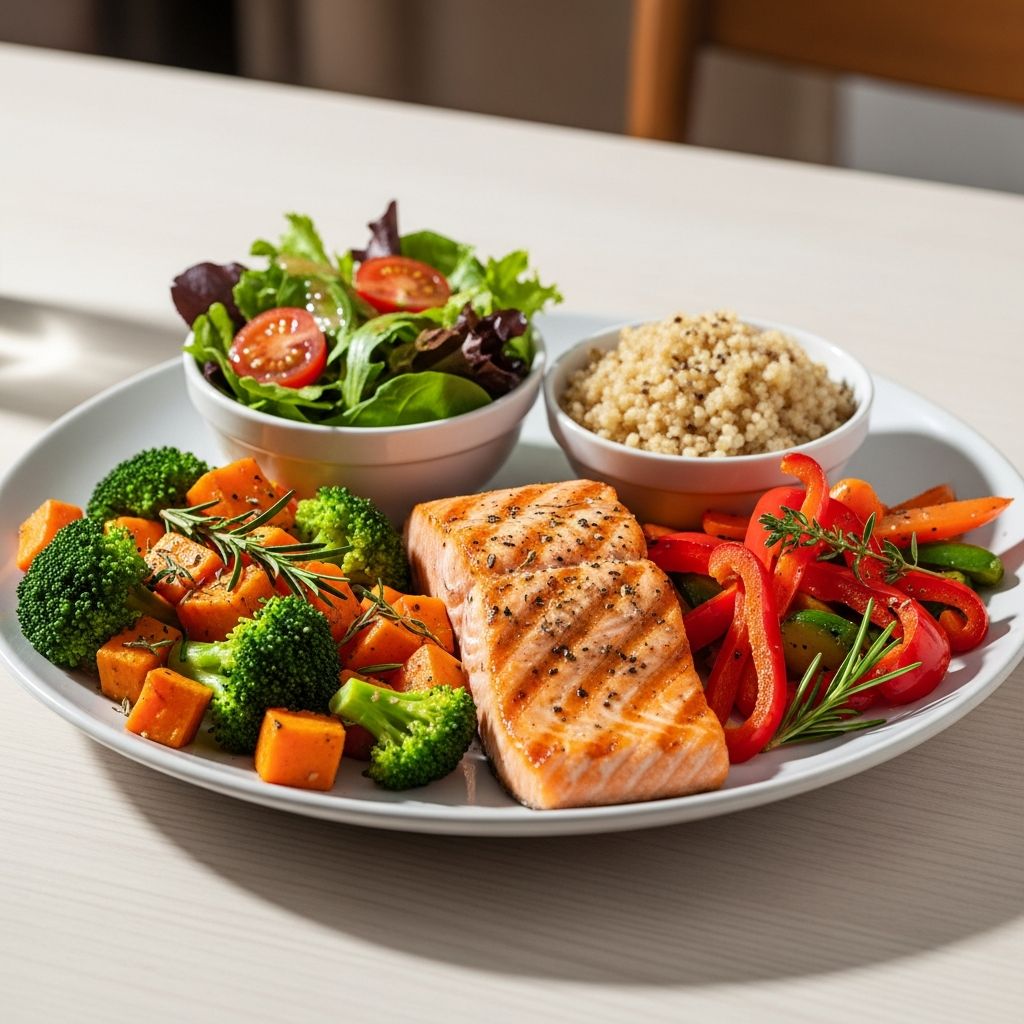
- Portion control: DASH dinners use the plate method—filling half your plate with vegetables, one-quarter with whole grains, and one-quarter with lean protein—to naturally manage portions without calorie counting.
- Nutrient density: Each dinner should provide adequate potassium, magnesium, calcium, and fiber, all nutrients shown to support healthy blood pressure.
- Flexibility: DASH dinners can be customized based on personal preferences, cultural foods, and seasonal availability, making the plan sustainable long-term.
Daily Serving Guidelines for DASH Dinners
To create balanced DASH dinners over 30 days, it’s essential to understand the recommended daily servings across all food groups. These guidelines apply to a 2,000-calorie diet, which is a standard reference, though individual needs may vary.
| Food Group | Daily Servings | Serving Size Examples |
|---|---|---|
| Grains (whole grain preferred) | 6–8 | 1 slice bread, ½ cup cooked pasta |
| Vegetables | 4–5 | ½ cup raw or cooked vegetable |
| Fruits | 4–5 | 1 medium fruit, ½ cup fresh fruit |
| Low-fat or fat-free dairy | 2–3 | 1 cup milk/yogurt, 1½ oz cheese |
| Lean meats, poultry, fish | 6 or fewer | 1 oz cooked meat, 1 egg |
| Nuts, seeds, legumes | 4–5 per week | 2 tbsp peanut butter, ½ cup cooked beans |
| Fats and oils | 2–3 | 1 tsp vegetable oil, 1 tbsp mayo |
Since dinner typically accounts for one-third to one-half of daily intake, a well-balanced DASH dinner might include approximately 2 servings of grains, 1.5–2 servings of vegetables, 1 serving of fruit (or saved for dessert/snack), 1 serving of lean protein, and 1 serving of healthy fat.
Sample DASH Dinner Ideas for Your 30-Day Plan
Creating variety across 30 days prevents monotony and ensures comprehensive nutrition. Here are exemplary dinner combinations reflecting DASH principles:
Seafood-Based Dinners
Fish is a cornerstone of DASH dinners due to its lean protein and omega-3 content. One dinner might feature roasted salmon (4 ounces) with a maple balsamic glaze, served with 1 cup whole-grain and wild rice blend, 3/4 cup green beans with red bell peppers, and 1/2 cup canned pear slices in juice. Another option includes baked tilapia brushed with olive oil, lemon, and herbs, paired with a medium baked sweet potato and 2 cups steamed green beans.
Related Stories



Poultry-Based Dinners
Chicken provides versatile, lean protein for DASH dinners. Ginger roasted chicken (1/2 cup) served over brown rice cooked with garlic powder and finished with 2 teaspoons olive oil, alongside roasted asparagus, delivers satisfying flavors without excess sodium. Alternatively, spinach salads topped with 3 ounces cooked chicken, paired with a whole-wheat roll, offer lighter evening options.
Vegetarian Dinners
Plant-based DASH dinners prove equally nutritious and satisfying. Vegetarian pasta featuring 1/2 cup marinara sauce, 1 cup chopped summer squash, 1/2 cup frozen spinach, and 1.5 cups whole-wheat pasta—served with 1 cup melon and 1 cup skim milk—provides complete nutrition. Alternatively, Mediterranean salads combining spinach, cucumbers, tomatoes, and low-fat balsamic vinaigrette with whole grain crackers and beans create fiber-rich dinners.
Lean Meat Dinners
While DASH limits red meat, occasional lean beef dinners fit the plan. Pasta Bolognese made with 1/2 cup whole wheat pasta, 3 ounces 97% fat-free lean ground beef (drained), steamed garlic green beans, and a baked potato with reduced-fat cheddar cheese and unsalted butter provides satisfying portions while controlling saturated fat.
Building Your 30-Day DASH Dinner Rotation
An effective 30-day plan typically cycles through a 7–10 dinner rotation repeated 3–4 times with seasonal variations. This approach simplifies grocery shopping, builds meal prep efficiency, and creates sustainable habits.
Planning Steps
- Select 8–10 favorite DASH dinners from seafood, poultry, vegetarian, and occasional lean meat categories
- Map dinners across 30 days, ensuring variety and balanced nutrient distribution
- Create a master grocery list for all ingredients, organized by store sections
- Prep components in advance: wash vegetables, cook grains, marinate proteins
- Adjust for seasonal availability to maximize freshness and nutrient density
- Track sodium, potassium, and fiber to ensure alignment with DASH targets
Key Foods to Emphasize in DASH Dinners
Certain foods deserve prominence in your 30-day dinner plan:
Vegetables
Aim for varied colors and types: leafy greens (spinach, kale, collard greens), cruciferous vegetables (broccoli), starchy vegetables (potatoes, sweet potatoes, squash), and others (tomatoes, carrots, green beans, lettuce). High-potassium vegetables like spinach (839 mg per 2 cups cooked) and legumes support blood pressure management.
Whole Grains
Prioritize whole-grain pasta, brown rice, wild rice, and whole-grain bread over refined versions to maximize fiber intake and nutrient density.
Lean Proteins
Emphasize fish and poultry 4–5 times weekly, include beans and legumes 1–2 times, and limit red meat to 1–2 times per month in small portions (3 oz maximum).
Healthy Fats
Use olive oil for cooking and salad dressings, incorporate nuts and seeds, and choose low-fat dairy to support cardiovascular health.
Foods to Minimize or Avoid in DASH Dinners
Equally important as foods to include are those to limit or eliminate:
- Fatty meats (beef, pork, lamb with visible fat)
- Full-fat dairy products
- Tropical oils (coconut, palm, palm kernel)
- Processed meats (bacon, sausage, deli meats—high in sodium)
- Foods with added sugars and sweets
- Sugar-sweetened beverages
- High-sodium seasonings and condiments
Practical Tips for 30-Day Success
Implementing a month-long DASH dinner plan requires strategic approaches:
- Read food labels carefully, checking sodium content even in seemingly healthy items
- Use fresh herbs and spices like garlic, oregano, basil, and lemon to enhance flavor without salt
- Prepare dinners at home rather than eating out, giving you complete control over ingredients
- Batch cook components on weekends (grilled chicken, cooked grains, roasted vegetables) for easy weeknight assembly
- Gradually reduce salt in your cooking; taste buds adapt within 4–6 weeks
- Use the plate method visually to ensure proper portion balance at every dinner
- Stay hydrated with water throughout the day and evening
- Track progress by monitoring energy levels, sleep quality, and any improvement in blood pressure readings
Addressing Common DASH Dinner Challenges
Many people encounter obstacles when starting a 30-day DASH dinner plan. Preparing meals at home requires time; batch cooking and simple recipes help overcome this. Sodium cravings persist initially; using flavor-rich herbs and acids (lemon, vinegar) addresses this. Dining out challenges adherence; reviewing menus in advance and requesting low-sodium preparations allow flexibility. Social situations may feel restrictive; communicating your health goals to friends and family builds support.
Monitoring and Adjusting Your Plan
A successful 30-day DASH dinner plan includes reflection and refinement. After one week, assess which dinners you enjoyed most and which felt unsustainable; swap those for alternatives. After two weeks, evaluate energy levels and any appetite changes. By month’s end, identify your favorite 6–8 dinners to carry forward as permanent habits. Consider consulting a registered dietitian who can provide personalized guidance based on your health metrics and preferences.
Frequently Asked Questions About DASH Dinner Planning
Q: Can I eat frozen vegetables in DASH dinners?
A: Yes, frozen vegetables are excellent choices for DASH dinners. They’re frozen at peak ripeness, retaining nutrients, and often cost less than fresh. Choose varieties without added sodium or sauces.
Q: How much should a DASH dinner portion be?
A: Using the plate method, fill half your plate with vegetables, one-quarter with whole grains, and one-quarter with lean protein (about 3 ounces). This naturally creates balanced 400–600 calorie dinners depending on added fats.
Q: Can I include pasta in a DASH dinner plan?
A: Absolutely. Use whole-wheat pasta in portion-controlled amounts (½–1 cup cooked) paired with vegetable-based sauces and lean proteins to align with DASH targets.
Q: What beverages are best with DASH dinners?
A: Water, unsweetened tea, or coffee are ideal. Avoid sugar-sweetened beverages, excessive alcohol, and high-sodium broths.
Q: How do I reduce sodium in DASH dinner recipes?
A: Use fresh herbs, spices, vinegar, lemon juice, and garlic instead of salt. Read labels on packaged ingredients and choose low-sodium versions when available.
Q: Is DASH suitable for people with kidney disease?
A: Standard DASH may need modification for kidney disease due to potassium and phosphorus content. Consult a healthcare provider or renal dietitian for personalized guidance.
Getting Started Today
Beginning a 30-day DASH dinner plan is an investment in your long-term health. By selecting satisfying, nutrient-dense dinners, learning to flavor food without excess salt, and building consistency over a month, you establish eating patterns that can persist for life. The DASH approach isn’t about perfection; it’s about meaningful progress toward better cardiovascular health, sustained energy, and improved wellbeing. Start today by choosing one DASH dinner recipe, shopping for ingredients, and preparing your first meal. You’re not just planning dinners; you’re investing in a healthier future.
References
- DASH Diet Menu — National Kidney Foundation. Accessed January 2026. https://www.kidney.org/kidney-topics/dash-diet-menu
- DASH Eating Plan — National Heart, Lung, and Blood Institute (NHLBI), National Institutes of Health. https://www.nhlbi.nih.gov/education/dash-eating-plan
- DASH Diet: Sample Menus — Mayo Clinic. https://www.mayoclinic.org/healthy-lifestyle/nutrition-and-healthy-eating/in-depth/dash-diet/art-20047110
- Diet Review: DASH — The Nutrition Source, Harvard School of Public Health. https://nutritionsource.hsph.harvard.edu/healthy-weight/diet-reviews/dash-diet/
- DASH Diet: What It Is, Meal Plans and Recipes — Cleveland Clinic. https://health.clevelandclinic.org/dash-diet-what-is-it-meal-plans-and-recipes
- DASH Eating Plan — Mayo Clinic (PDF). https://mcforms.mayo.edu/mc6800-mc6899/mc6872.pdf
Similar Articles








Read full bio of medha deb