30-Day Diabetes-Friendly Mediterranean Diet Dinner Plan
Delicious, blood sugar-friendly dinners inspired by the Mediterranean diet to support diabetes management over 30 days.
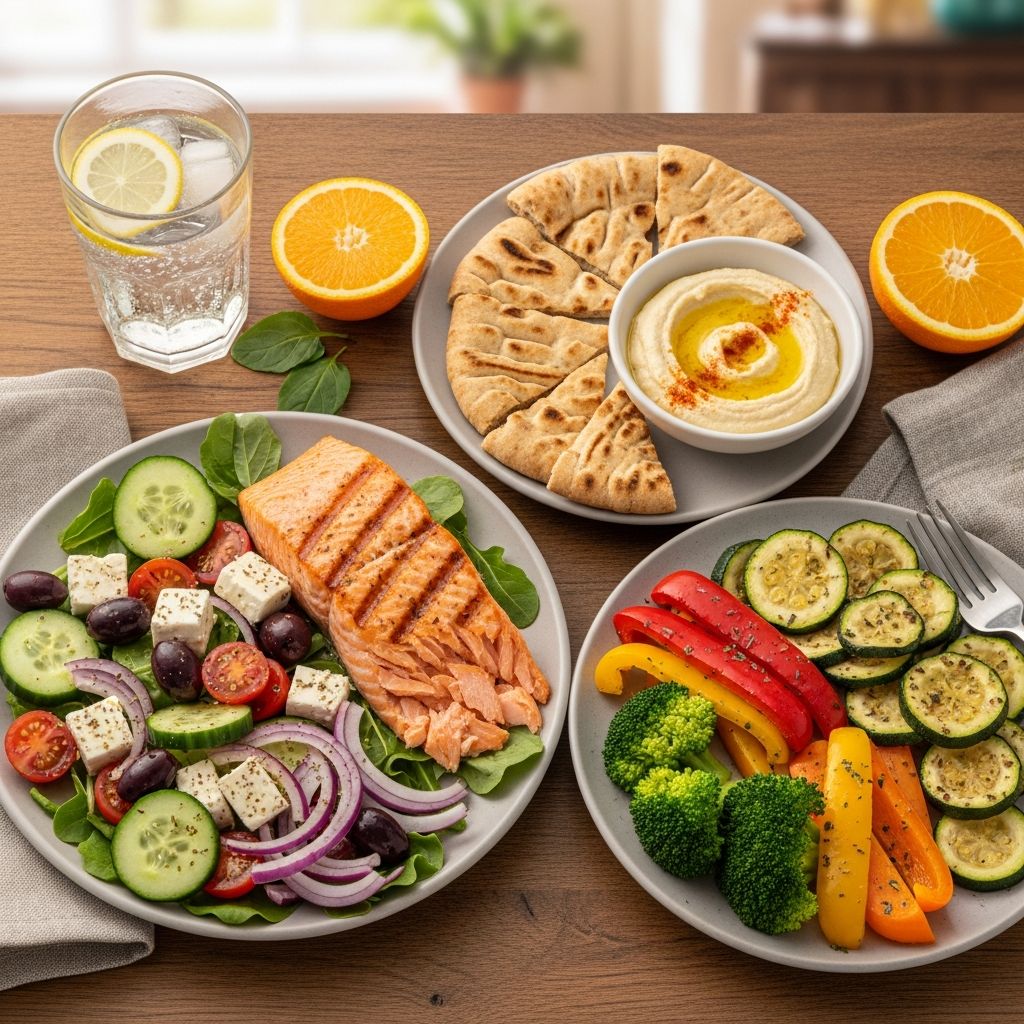
This comprehensive
30-day dinner plan
combines the heart-healthy principles of the Mediterranean diet with diabetes-friendly adjustments to help stabilize blood sugar levels, promote weight management, and reduce the risk of complications. Featuring fresh vegetables, lean proteins like fish and poultry, whole grains, legumes, nuts, and plenty of extra-virgin olive oil, these meals emphasize nutrient-dense foods that support glycemic control while delivering bold flavors.The Mediterranean diet, recognized by the American Diabetes Association, prioritizes plant-based foods, healthy fats, and moderate portions to improve insulin sensitivity and cardiovascular health. Each dinner is designed to be around 400-600 calories, with balanced macronutrients: approximately 45-60g carbs (mostly from fiber-rich sources), 20-30g protein, and 15-25g healthy fats per serving. Meals are simple to prepare, using seasonal ingredients and minimal processing.
How to Use This 30-Day Plan
Follow the daily dinners as listed, or mix and match based on preferences and availability. Pair with breakfasts like Greek yogurt with berries, lunches such as salads with chickpeas, and snacks like nuts or veggies. Drink water, herbal tea, or black coffee. Portion control is key—use smaller plates and measure carbs accurately. Consult your healthcare provider before starting, especially if on diabetes medications.
- Key Principles: Prioritize non-starchy veggies (half your plate), lean proteins (quarter), whole grains/legumes (quarter).
- Carb Management: Choose low-glycemic index (GI) foods like quinoa, barley, lentils (<55 GI).
- Healthy Fats: Use olive oil, avocados, nuts for satiety and heart protection.
- Meal Prep Tips: Chop veggies ahead, cook grains in batches, portion proteins.
Weekly Shopping List Essentials
Stock up on staples: extra-virgin olive oil, garlic, onions, lemons, herbs (basil, oregano, rosemary), spices (cumin, paprika), canned tomatoes, low-sodium broth, Greek yogurt, feta (in moderation), olives, nuts (almonds, walnuts).
| Vegetables | Proteins | Grains/Legumes | Dairy/Other |
|---|---|---|---|
| Spinach, kale, broccoli, zucchini, eggplant, tomatoes, bell peppers, cucumbers, artichokes | Salmon, tuna, chicken breast, turkey, eggs, shrimp, tofu | Quinoa, brown rice, farro, barley, chickpeas, lentils, cannellini beans | Greek yogurt, feta cheese, olives, avocados, nuts |
Week 1: Building Habits with Flavorful Starters
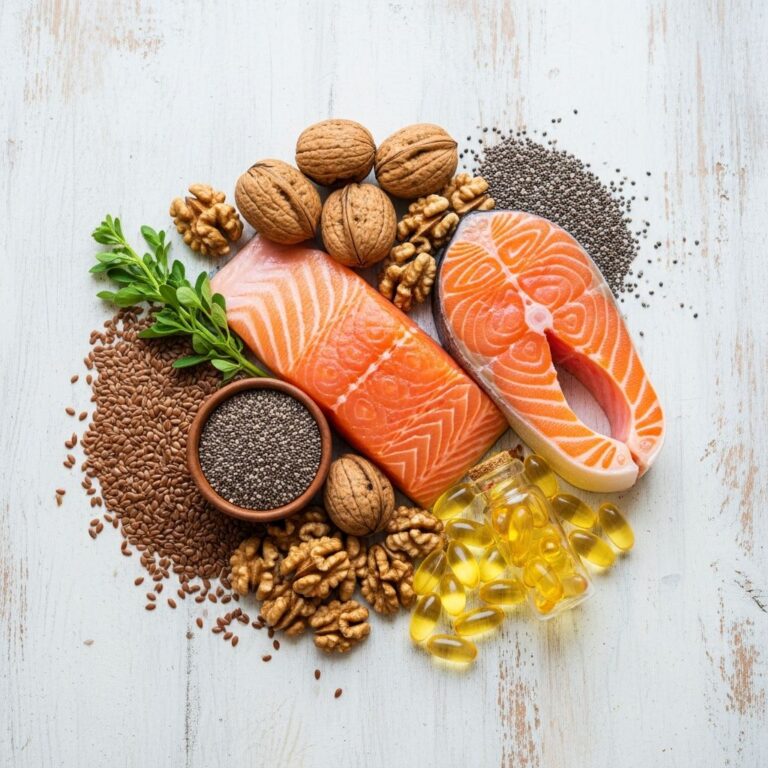
Kick off with simple, satisfying meals to ease into the plan. Focus on fish twice weekly for omega-3s, which improve insulin sensitivity per NIH studies.
- Day 1: Grilled Lemon-Herb Chicken with Quinoa and Roasted Zucchini (450 cal: 48g carbs, 32g protein). Marinate chicken in olive oil, lemon, garlic; serve over fluffy quinoa with charred zucchini.
- Day 2: Baked Salmon with Chickpea Salad and Spinach (520 cal: 42g carbs, 38g protein). Omega-rich salmon fillet topped with dill, paired with lemony chickpeas and wilted spinach.
- Day 3: Turkey Meatballs in Tomato Sauce over Whole-Grain Couscous (480 cal: 50g carbs, 30g protein). Lean turkey balls simmered in herbs and crushed tomatoes.
- Day 4: Vegetable-Stuffed Bell Peppers with Lentils (410 cal: 45g carbs, 22g protein). Peppers filled with spiced lentils, onions, and feta crumble.
- Day 5: Shrimp Skewers with Barley Pilaf and Asparagus (460 cal: 47g carbs, 28g protein). Garlic-shrimp on skewers with nutty barley and steamed spears.
- Day 6: Eggplant Parmesan with Farro (500 cal: 52g carbs, 25g protein). Baked eggplant slices with marinara and a sprinkle of mozzarella.
- Day 7: Tuna Niçoise-Inspired Salad with Mixed Greens (430 cal: 40g carbs, 35g protein). Seared tuna over greens, potatoes, green beans, olives.
Related Stories



Week 2: Boosting Fiber for Steady Blood Sugar
Increase legumes and whole grains for soluble fiber, which slows glucose absorption. These meals average 10g+ fiber per serving.
- Day 8: Chicken Souvlaki with Tzatziki and Pita (490 cal: 49g carbs, 34g protein). Skewered chicken with yogurt-cucumber sauce and whole-wheat pita.
- Day 9: Mediterranean Lentil Soup with Kale Salad (420 cal: 46g carbs, 20g protein). Hearty soup with carrots, spinach; side salad with vinaigrette.
- Day 10: Baked Cod with Ratatouille and Brown Rice (470 cal: 44g carbs, 36g protein). Flaky cod atop veggie stew of eggplant, zucchini, tomatoes.
- Day 11: Falafel Bowls with Tahini Drizzle and Quinoa (510 cal: 55g carbs, 24g protein). Baked chickpea patties over greens and grains.
- Day 12: Turkey Stuffed Zucchini Boats with Side Salad (440 cal: 41g carbs, 31g protein). Hollowed zucchini filled with spiced turkey mix.
- Day 13: Salmon Cakes with Sweet Potato Wedges and Broccoli (530 cal: 48g carbs, 37g protein). Pan-seared patties with baked wedges.
- Day 14: Bean and Veggie Chili over Barley (460 cal: 52g carbs, 22g protein). Smoky chili packed with beans, peppers, corn.
Week 3: Seafood Focus for Heart Health
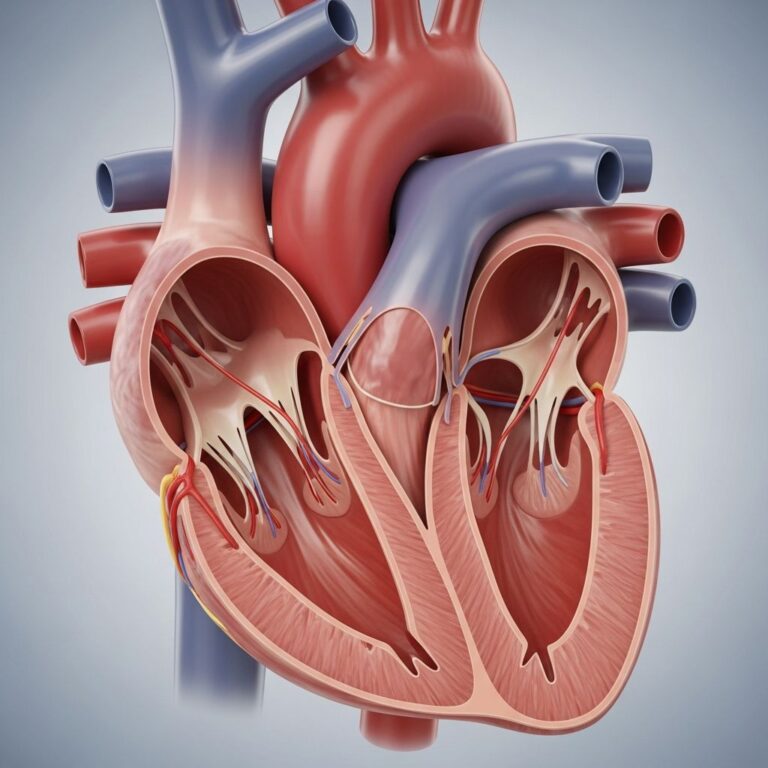
Seafood three times this week provides anti-inflammatory benefits, crucial for diabetes-related heart risks.
- Day 15: Grilled Shrimp with Orzo Primavera (480 cal: 50g carbs, 29g protein). Shrimp tossed with whole-grain orzo, peas, asparagus.
- Day 16: Herb-Roasted Chicken with Artichokes and Farro (450 cal: 46g carbs, 33g protein). Tender chicken thighs with tangy artichokes.
- Day 17: Tuna Stuffed Tomatoes with Couscous Salad (410 cal: 43g carbs, 34g protein). Fresh tomatoes filled with tuna-olive mix.
- Day 18: Eggplant and Chickpea Curry with Brown Rice (490 cal: 54g carbs, 21g protein). Mild-spiced stew for variety.
- Day 19: Baked Halibut with Lemon-Dill Sauce and Quinoa (520 cal: 45g carbs, 40g protein). Mild fish with bright sauce.
- Day 20: Turkey Meatloaf with Roasted Root Veggies (470 cal: 47g carbs, 32g protein). Lean loaf with carrots, parsnips.
- Day 21: Scallop and Veggie Skewers with Barley (500 cal: 49g carbs, 30g protein). Seared scallops with peppers, onions.
Week 4: Variety and Sustainability
Maintain momentum with diverse flavors to prevent boredom, ensuring long-term adherence.
- Day 22: Lamb Kebabs (lean) with Tabbouleh (460 cal: 48g carbs, 31g protein). Parsley-bulgar salad classic.
- Day 23: Veggie Paella with Shrimp and Saffron Rice (510 cal: 53g carbs, 28g protein). Brown rice paella adaptation.
- Day 24: Chicken and White Bean Stew with Kale (430 cal: 42g carbs, 35g protein). Comforting one-pot meal.
- Day 25: Baked Trout with Almond Crust and Spinach (480 cal: 44g carbs, 36g protein). Nutty topping for crispiness.
- Day 26: Stuffed Portobello Mushrooms with Quinoa (420 cal: 46g carbs, 23g protein). Meaty mushrooms as main.
- Day 27: Turkey Burgers with Feta and Cucumber Salad (490 cal: 50g carbs, 33g protein). On whole-grain buns.
- Day 28: Minestrone Soup with Whole-Grain Bread (450 cal: 47g carbs, 20g protein). Veggie-packed soup.
- Day 29: Salmon with Pesto Zucchini Noodles (470 cal: 41g carbs, 38g protein). Low-carb zoodle twist.
- Day 30: Celebration Greek Chicken Souvlaki Platter (520 cal: 51g carbs, 34g protein). Festive wrap-up with all favorites.
Nutritional Benefits for Diabetes Management
This plan aligns with ADA guidelines, emphasizing foods that lower A1C. The Mediterranean diet reduces diabetes risk by 52% per a 2015 meta-analysis. High fiber (25-35g/day) from veggies and grains slows carb digestion; monounsaturated fats from olive oil enhance insulin action; antioxidants combat inflammation.
Meal Prep and Customization Tips
- Batch-cook grains and proteins on Sundays.
- Swap fish for tofu if vegetarian.
- Adjust spices for taste; monitor portions with a food scale.
- Track blood sugar to personalize.
Frequently Asked Questions (FAQs)
What makes this plan diabetes-friendly?
It controls carbs to 45-60g per meal from low-GI sources, balances with protein/fiber/fat, and avoids added sugars/processed foods.
Can I eat fruit with these dinners?
Yes, add a small serving (e.g., 1/2 cup berries) post-meal if blood sugar allows; prioritize veggies first.
Is this plan suitable for weight loss?
At 400-600 cal/dinner, paired with lighter breakfast/lunch, it supports 1-2 lb/week loss safely.
How often should I eat fish?
Twice weekly minimum for omega-3s; more if tolerated.
What if I have food allergies?
Substitute: nuts → seeds; gluten → gluten-free grains; consult a dietitian.
References
- Standards of Medical Care in Diabetes—2024 — American Diabetes Association. 2023-12-06. https://diabetesjournals.org/care/issue/47/Supplement_1
- Mediterranean Diet and Diabetes Prevention — National Institutes of Health (NIH)/PubMed. 2015-04-01. https://pubmed.ncbi.nlm.nih.gov/25873540
- Dietary Guidelines for Americans, 2020-2025 — U.S. Department of Health and Human Services (.gov). 2020-12-01. https://www.dietaryguidelines.gov
- Omega-3 Fatty Acids and Insulin Sensitivity — World Health Organization (WHO). 2022-05-15. https://www.who.int/publications/i/item/9789240050750
- Glycemic Index Database — University of Sydney (.edu). Updated 2023. https://glycemicindex.com
Similar Articles








Read full bio of medha deb