30-Day Gut-Healthy Meal Plan for Beginners
Transform your digestive health with this comprehensive 30-day gut-friendly meal plan designed for beginners.
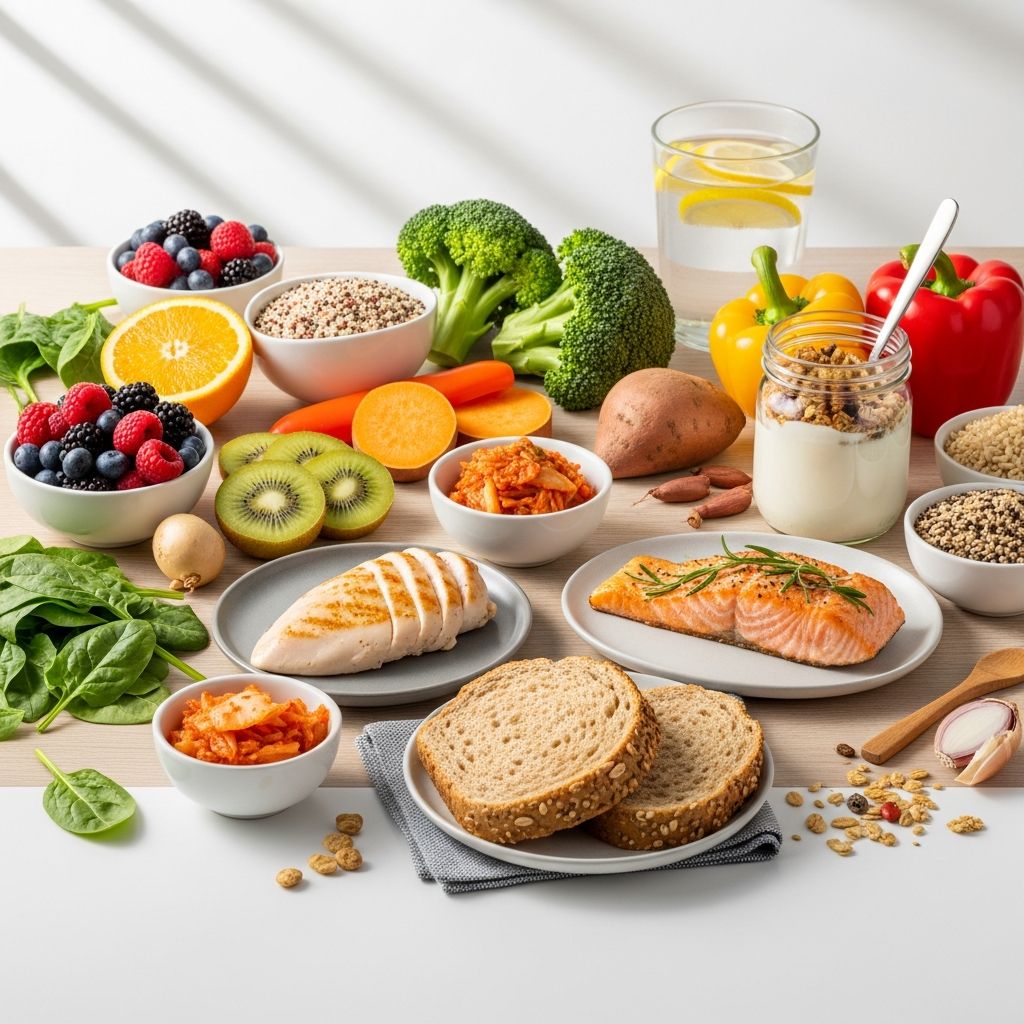
30-Day Gut-Healthy Meal Plan for Beginners: A Complete Guide
Maintaining a healthy gut is fundamental to overall wellness, affecting everything from your immune system to your mood and energy levels. A well-functioning digestive system helps your body absorb nutrients, eliminate toxins, and maintain a balanced microbiome. For beginners looking to embark on a gut-health journey, a structured 30-day meal plan can provide the foundation needed to build lasting healthy habits. This comprehensive guide offers practical strategies, delicious recipes, and actionable steps to transform your digestive health in just one month.
What Is Gut Health and Why Does It Matter?
Your gut is home to trillions of microorganisms that form your microbiome, a complex ecosystem that influences your digestion, immunity, and mental health. When your gut is healthy, these beneficial bacteria thrive and help you digest food, produce essential nutrients, and fight harmful pathogens. However, modern diets high in processed foods, excessive sugar, and low in fiber can disrupt this delicate balance, leading to digestive issues, inflammation, and other health problems.
Investing in gut health through proper nutrition is one of the most effective ways to improve your overall well-being. Research has shown that foods rich in fiber, fermented products, and plant-based ingredients can significantly enhance digestive function and promote the growth of beneficial bacteria in your colon.
Key Principles of a Gut-Healthy Diet
Before starting the 30-day meal plan, understanding the foundational principles of gut-healthy eating will help you make informed food choices:
- Increase Fiber Intake: Fiber acts as a prebiotic, feeding your beneficial bacteria. Aim for at least 25-30 grams of fiber daily from whole grains, vegetables, legumes, and fruits.
- Include Fermented Foods: Fermented products like yogurt, kefir, sauerkraut, and kimchi contain probiotics that support a healthy microbiome.
- Choose Whole Foods: Minimize processed foods and added sugars that can damage your gut lining and promote harmful bacteria growth.
- Stay Hydrated: Drinking adequate water is essential for digestive health and nutrient absorption.
- Incorporate Healthy Fats: Omega-3 fatty acids from sources like salmon, walnuts, and flaxseeds support gut inflammation reduction.
- Limit Artificial Additives: Avoid artificial sweeteners and preservatives that may negatively impact your microbiome composition.
Foods to Embrace in Your Gut-Healthy Diet
The foundation of the 30-day meal plan centers around nutrient-dense foods that support digestive health:
Vegetables and Fruits
Colorful vegetables and fruits are packed with fiber, antioxidants, and phytonutrients. Include a variety of options like broccoli, spinach, sweet potatoes, berries, and apples. These foods provide both soluble and insoluble fiber, supporting different aspects of digestive function.
Whole Grains
Replace refined grains with whole options like oats, brown rice, quinoa, and whole wheat bread. These contain more fiber and resistant starch, which act as prebiotics for your beneficial bacteria.
Legumes and Pulses
Beans, lentils, and chickpeas are excellent sources of plant-based protein and fiber. Start with smaller portions and gradually increase intake to allow your digestive system to adapt.
Fermented Foods
Incorporate yogurt, kefir, tempeh, miso, and traditional fermented vegetables daily to introduce live probiotics into your diet.
Healthy Proteins
Include lean meats, fish, eggs, and plant-based proteins. Fatty fish like salmon provides both protein and omega-3 fatty acids beneficial for reducing gut inflammation.
Foods to Limit or Avoid
Certain foods can disrupt your microbiome and irritate your digestive system:
- Highly processed foods and fast food
- Foods high in added sugars and refined carbohydrates
- Artificial sweeteners and additives
- Excessive alcohol consumption
- Fried and excessively fatty foods
- Foods you’ve identified as personal triggers for digestive discomfort
Week-by-Week Overview of the 30-Day Plan
Related Stories



The 30-day meal plan is structured to gradually introduce gut-healthy habits, allowing your digestive system to adapt:
Week 1: Foundation Building
Focus on establishing baseline healthy eating habits. Introduce whole grains, increase vegetable intake, and add one fermented food daily. Keep meals simple and familiar while making nutritious substitutions.
Week 2: Expansion and Variety
Gradually increase fiber intake and introduce more diverse plant-based foods. Experiment with different fermented options and start including more legumes in your meals.
Week 3: Deepening Gut Support
By this point, your digestive system has adapted to increased fiber. Focus on variety within the gut-healthy framework, trying new recipes and ingredients.
Week 4: Sustained Habits
Consolidate your new habits and plan strategies for maintaining this lifestyle beyond the 30 days. Prepare to transition into a long-term gut-healthy eating pattern.
Sample Day Structure
Here’s what a typical day on the gut-healthy meal plan might look like:
| Meal | Example | Key Nutrients |
|---|---|---|
| Breakfast | Oatmeal with berries, chia seeds, and Greek yogurt | Fiber, probiotics, antioxidants |
| Mid-Morning Snack | Apple with almond butter | Fiber, healthy fats, natural sugars |
| Lunch | Quinoa salad with roasted vegetables and chickpeas | Fiber, plant-based protein, micronutrients |
| Afternoon Snack | Carrot sticks with hummus | Fiber, prebiotics, healthy fats |
| Dinner | Grilled salmon with sweet potato and broccoli | Omega-3s, fiber, lean protein |
| Evening | Herbal tea or fermented kefir | Probiotics, hydration |
Essential Shopping List Basics
To successfully follow the 30-day plan, stock your kitchen with these essential items:
Proteins
- Greek yogurt and kefir
- Eggs
- Salmon and other fatty fish
- Chicken and turkey
- Lentils and beans (canned or dried)
Grains and Carbohydrates
- Oats (rolled or steel-cut)
- Quinoa
- Brown rice
- Whole wheat bread and pasta
- Sweet potatoes
Vegetables and Fruits
- Leafy greens (spinach, kale, lettuce)
- Broccoli and cauliflower
- Bell peppers
- Carrots and celery
- Berries (fresh or frozen)
- Apples and bananas
Pantry Staples
- Olive oil
- Nuts and seeds (almonds, walnuts, flaxseeds, chia seeds)
- Herbal teas
- Fermented vegetables (sauerkraut, kimchi)
- Low-sodium broths
Tips for Successfully Following the Plan
Making the transition to a gut-healthy diet requires commitment and practical strategies:
Start Gradually with Fiber
Increasing fiber too quickly can cause bloating and discomfort. Introduce fiber-rich foods gradually over several days to allow your digestive system to adapt properly.
Meal Prep for Success
Dedicate time each week to prepare vegetables, cook grains, and portion out snacks. Having prepared food readily available makes it easier to stay on track.
Stay Consistent with Hydration
Drink at least 8-10 glasses of water daily. Proper hydration is essential when increasing fiber intake and supports overall digestive function.
Keep a Food Journal
Track what you eat and how you feel. This helps identify which foods support your digestion and which might trigger issues for you personally.
Be Patient with Changes
Digestive improvements take time. Give yourself at least 2-3 weeks to notice positive changes in energy, digestion, and overall well-being.
Don’t Aim for Perfection
If you deviate from the plan, simply return to your healthy choices at the next meal. Building sustainable habits is more important than strict adherence.
Recipes to Get You Started
These simple recipes epitomize gut-healthy eating and provide a foundation for your meal planning:
Overnight Oats with Chia Seeds
Combine rolled oats, Greek yogurt, milk, chia seeds, berries, and a touch of honey in a jar. Refrigerate overnight for an easy, probiotic-rich breakfast that supports digestive health.
Mediterranean Quinoa Bowl
Mix cooked quinoa with roasted vegetables, chickpeas, crumbled feta, and a lemon vinaigrette. This meal provides fiber, plant-based protein, and prebiotics in one satisfying bowl.
Vegetable-Packed Lentil Soup
Simmer lentils with carrots, celery, spinach, and low-sodium broth. This warming soup delivers substantial fiber and plant-based nutrients ideal for gut health.
Grilled Salmon with Roasted Vegetables
Season salmon fillets and bake alongside broccoli, bell peppers, and sweet potatoes. This dinner provides omega-3 fatty acids, fiber, and quality protein.
Tracking Your Progress
As you follow the 30-day plan, monitor these indicators of improved gut health:
- Improved regularity and stool quality
- Reduced bloating and gas
- Increased energy levels throughout the day
- Better mood and mental clarity
- Clearer skin
- Reduced inflammation or pain
- Improved sleep quality
Transitioning Beyond 30 Days
The 30-day period serves as an introduction to gut-healthy eating. To maintain these benefits long-term, establish sustainable habits including regular consumption of fiber-rich foods, fermented products, and whole foods. Consider scheduling check-ins with a healthcare provider or dietitian to ensure your diet supports your individual health needs.
Frequently Asked Questions (FAQs)
Q: Will I feel bloated when increasing fiber intake?
A: Some temporary bloating is normal when increasing fiber. Introduce fiber gradually, stay well-hydrated, and spread fiber intake throughout the day to minimize discomfort.
Q: Can I follow this plan if I’m vegetarian or vegan?
A: Absolutely. The plan emphasizes plant-based foods. Substitute animal proteins with legumes, tofu, tempeh, and nuts while maintaining adequate nutrient intake.
Q: How much water should I drink daily?
A: Aim for at least 8-10 glasses (64-80 ounces) of water daily. Individual needs vary based on activity level, climate, and body size.
Q: Are supplements necessary for gut health?
A: Most nutrients can come from whole foods. Consult a healthcare provider before adding supplements to determine if specific probiotics or prebiotics would benefit your situation.
Q: How quickly will I see results?
A: Some people notice improvements in energy and digestion within 1-2 weeks, while others require 3-4 weeks. Consistency matters more than quick results.
Q: What if I have food allergies or sensitivities?
A: Substitute triggering foods with suitable alternatives. For example, use gluten-free grains if you’re sensitive to wheat, or plant-based proteins if avoiding animal products.
Q: Can children follow this meal plan?
A: Yes, with age-appropriate portions. Children benefit from whole foods and balanced nutrition. Consult a pediatrician for specific guidance on dietary needs.
References
- Dietary Guidelines for Americans 2020-2025 — U.S. Department of Agriculture and Department of Health and Human Services. 2020. https://www.dietaryguidelines.gov
- The Gut Microbiota and Its Role in Health and Disease — National Institutes of Health, National Center for Biotechnology Information. 2023. https://www.ncbi.nlm.nih.gov
- Fiber Intake and Digestive Health: A Scientific Review — Academy of Nutrition and Dietetics. 2022. https://www.eatright.org
- Probiotics and the Microbiome: Health Benefits and Scientific Evidence — World Health Organization. 2023. https://www.who.int
- Omega-3 Fatty Acids and Inflammation: New Insights into Mechanisms of Action — American Journal of Clinical Nutrition. 2022. https://www.ncbi.nlm.nih.gov
Similar Articles








Read full bio of medha deb