30-Day Healthy Gut Challenge: Daily Meals & Science-Backed Plan
Transform your digestion and boost microbiome health with this simple 30-day plan featuring daily tips, recipes, and gut-healing foods.
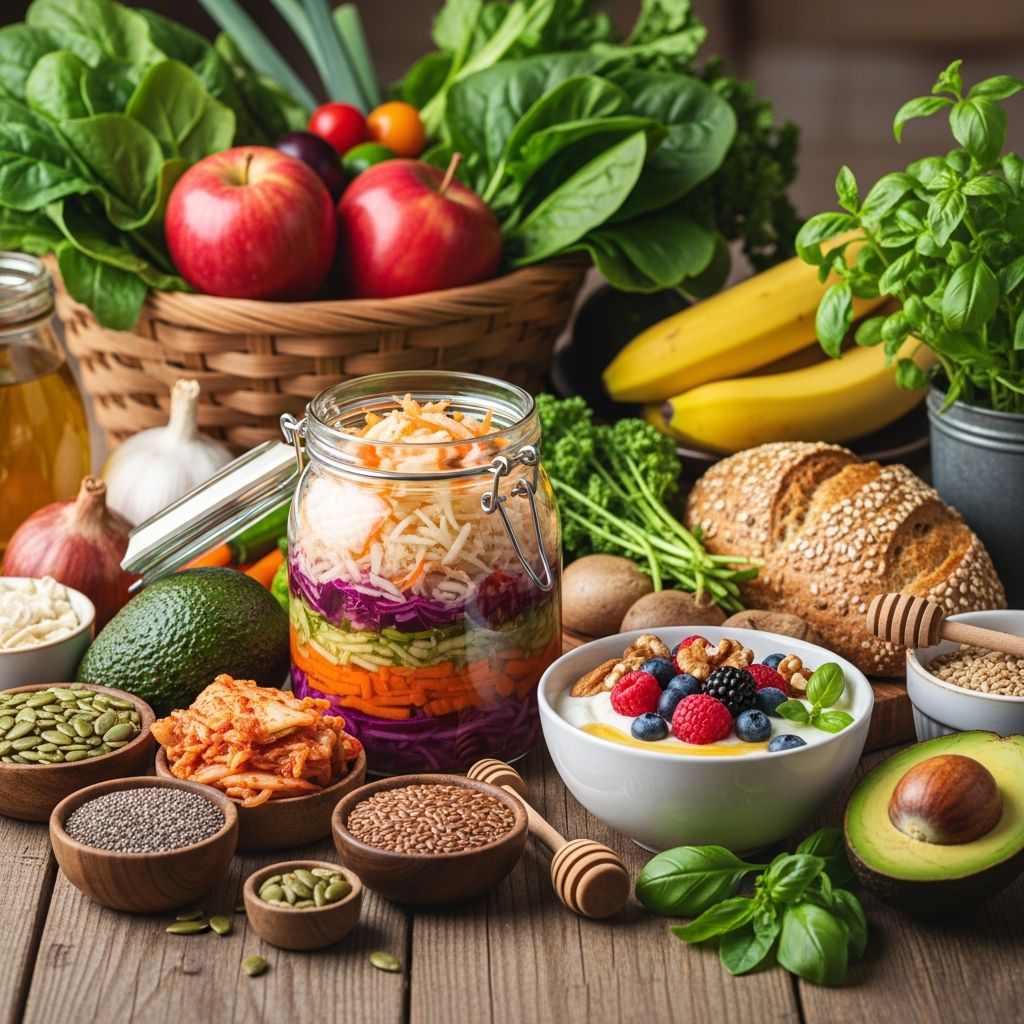
A healthy gut is foundational to overall wellness, influencing digestion, immunity, mood, and energy levels. This 30-day challenge provides daily actionable steps, meal ideas, and science-backed strategies to nurture your microbiome—the trillions of bacteria in your intestines that regulate health.
By incorporating
prebiotic
foods (which feed good bacteria),probiotic
sources (live beneficial microbes), fermented items, hydration, and stress management, you’ll support a balanced gut ecosystem. Research from the National Institutes of Health emphasizes the gut-brain axis, linking microbiome diversity to reduced inflammation and better mental health.Why Focus on Gut Health?
Your gut microbiome plays a crucial role in digesting food, producing vitamins, and defending against pathogens. Imbalances, often from processed foods, antibiotics, or stress, can lead to bloating, fatigue, and chronic issues like IBS. The World Health Organization notes that dietary fiber and fermented foods promote microbial diversity, essential for long-term health.
This challenge draws from established protocols like low-glycemic, gluten-free eating to heal the gut lining and starve harmful bacteria such as those causing SIBO or candida overgrowth. Expect improvements in regularity, energy, and mood within weeks.
General Guidelines for Success
Commit to these foundational rules throughout the 30 days:
- Eat mostly
non-starchy vegetables
(e.g., leafy greens, broccoli, zucchini) and low-glycemic fruits (berries, lemons) to stabilize blood sugar and feed good bacteria. - Prioritize healthy fats: olive oil, coconut oil, avocados, ghee—avoid processed seed oils like canola or soybean.
- Limit beans to lentils; avoid starchy varieties initially.
- Treat sugar as occasional (use stevia); go gluten-free to reduce inflammation.
- Choose organic, local foods low in pesticides, hormones, and GMOs.
- Include liberal spices like turmeric, ginger, oregano for their antimicrobial and anti-inflammatory benefits.
Steps Toward Gut Healing Success
Step 1: Go Gluten-Free. Gluten can damage the gut lining in sensitive individuals, promoting leaky gut. Replace with almond flour or coconut-based alternatives.
Step 2: Boost Fiber Gradually. Aim for 25-30g daily from veggies and seeds to soften stools and support motility, as recommended by digestive health experts.
Step 3: Incorporate Movement. Daily walks enhance gut motility and reduce stress hormones that disrupt microbiota.
Step 4: Prioritize Sleep. 7-9 hours nightly allows gut repair; poor sleep alters microbiome composition.
Step 5: Track Progress. Journal symptoms like bloating or energy to note improvements.
Key Gut-Healing Foods
Stock your kitchen with these microbiome supporters:
- Prebiotics: Garlic, onions, leeks, asparagus, bananas (slightly green), oats.
- Probiotics: Yogurt (unsweetened, full-fat), kefir, sauerkraut, kimchi.
- Fermented Foods: Kombucha, miso, tempeh.
- Fiber-Rich: Chia seeds, flaxseeds, psyllium husk.
- Proteins: Eggs, wild fish, grass-fed meats, bone broth for collagen to heal the gut lining.
| Category | Examples | Benefits |
|---|---|---|
| Vegetables | Spinach, kale, broccoli | High fiber, antioxidants |
| Fruits | Berries, kiwi, apples | Low-glycemic prebiotics |
| Fats | Avocado, olive oil | Anti-inflammatory |
| Proteins | Eggs, salmon | Gut repair amino acids |
Daily Challenge Breakdown
Follow this day-by-day plan, repeating weekly as needed. Each day builds habits for sustained gut health.
Days 1-7: Build the Foundation (Prebiotics & Gluten-Free)
Day 1: Eliminate gluten. Breakfast: Green smoothie (spinach, avocado, coconut milk, collagen). Lunch: Grilled chicken salad with olive oil. Dinner: Stir-fried veggies with ginger.
Related Stories



Day 2: Add prebiotic garlic/onions. Try bone broth soup.
Day 3: Chia seed pudding for fiber.
Day 4: Focus on hydration—2-3L water with lemon.
Day 5: Introduce turmeric golden milk (almond milk base).
Day 6: 30-min walk post-meal.
Day 7: Assess week 1; journal wins.
Days 8-14: Introduce Probiotics
Day 8: Start unsweetened kefir or yogurt.
Day 9: Sauerkraut as side.
Day 10: Kimchi fried ‘rice’ (cauliflower base).
Day 11: Miso soup.
Day 12: Kombucha (low-sugar).
Day 13: Fermented veggies platter.
Day 14: Review probiotic tolerance.
Days 15-21: Fermented Foods & Variety
Incorporate 2-3 servings daily. Sample meal: Tempeh stir-fry with broccoli and sesame oil.
Days 22-30: Optimize & Maintain
Add stress reducers like meditation. Experiment with recipes like energy bites (chia, nuts, pumpkin puree).
Sample 3-Day Menu Plan
Day 1
Breakfast: Omelet with mushrooms, spinach, squash.
Lunch: Leftover stir-fry.
Dinner: Baked salmon, asparagus.
Snack: Handful almonds.
Day 2
Breakfast: Green smoothie (coconut milk, greens, protein powder).
Lunch: Roasted veggies.
Dinner: Beef stir-fry with bok choy, garlic.
Snack: Celery with almond butter.
Day 3
Breakfast: Cherry vanilla smoothie (cherries, avocado, cinnamon).
Lunch: Zucchini noodles with pesto.
Dinner: Grilled fish, leafy salad.
Snack: Flax crackers.
Recipes for Gut Health
Green Gut Smoothie
Blend: 1 cup spinach, ½ avocado, 1 cup coconut milk, 1 scoop collagen, lemon juice. Serves 1; 250 calories, high in prebiotics.
Energy Bites
Mix: ½ cup pumpkin puree, chia seeds, nuts, oats, spices, dates. Form balls, freeze. Per bite: 110 cal, 2g fiber.
Bone Broth Stir-Fry
Sauté veggies in coconut oil, add broth, coconut aminos. Anti-inflammatory boost.
Frequently Asked Questions (FAQs)
What if I experience bloating initially?
This is common as fiber increases; start slow and stay hydrated. It subsides in 3-5 days.
Can I do this challenge if vegetarian?
Yes—focus on eggs, tempeh, lentils, and plant proteins; supplement B12 if needed.
Are supplements necessary?
Optional; probiotics and digestive enzymes may help, but food-first approach is best.
How long until I see results?
Many notice better digestion in 7-14 days; full microbiome shifts take 30+ days.
What about exercise?
Moderate activity like yoga or walking supports motility without stress.
Tips for Long-Term Success
- Rotate foods to diversify microbiome.
- Manage stress with mindfulness.
- Reintroduce foods mindfully post-challenge.
- Consult a doctor for persistent issues.
Completing this challenge equips you with lifelong habits for vibrant gut health.
References
- National Institutes of Health: Gut Microbiome and Health — NIH. 2023-05-15. https://www.niddk.nih.gov/health-information/digestive-diseases/digestive-system-how-it-works
- World Health Organization: Diet, Nutrition and Prevention of Chronic Diseases — WHO. 2024-02-10. https://www.who.int/publications/i/item/924120916X
- Heal Your Gut Diet Guidelines — Heal Your Health Now. 2019-10-01. https://www.healyourhealthnow.com/wp-content/uploads/2019/10/THE-HEAL-YOUR-GUT-DIET-FINAL.pdf
- Steps to a Glad Gut: More Fiber — Missouri Baptist Medical Center. 2017-12-21. https://www.missouribaptist.org/Medical-Services/Convenient-Care/Convenient-Care-Post/ArtMID/1140/ArticleID/127/Steps-to-a-Glad-Gut-More-Fiber
- Harvard T.H. Chan: The Microbiome — Harvard University. 2025-01-01. https://nutritionsource.hsph.harvard.edu/microbiome/
Similar Articles








Read full bio of Sneha Tete